
1. Material Composition and Structural Integrity
1.1 Aluminum Alloy Characteristics and Benefits
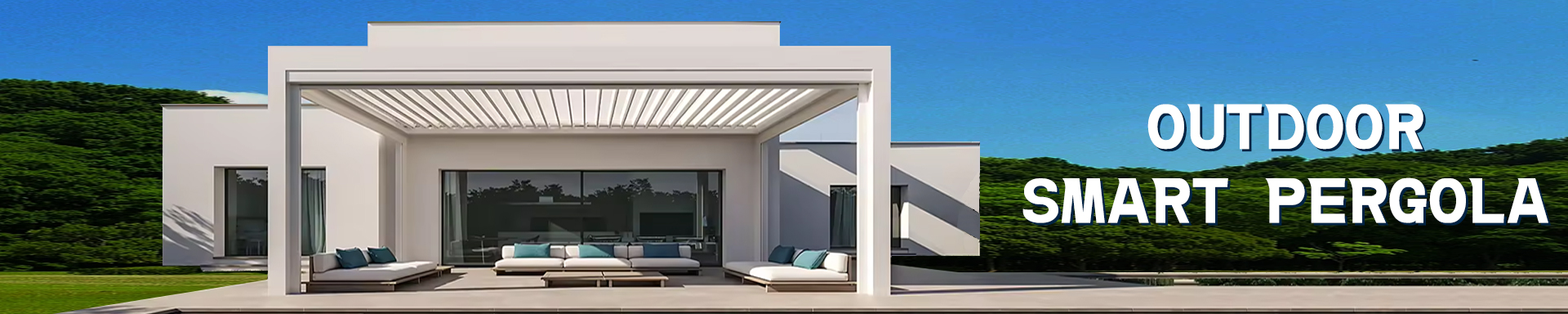
A premium Aluminum 4x6 pergola is typically constructed from high-grade 6000-series aluminum alloys, which combine strength, lightweight properties, and corrosion resistance. These alloys allow the pergola to maintain structural integrity while supporting louvers, lights, or climbing plants. Aluminum’s modular design also enables easier installation on patios, rooftops, or backyards.
Practical scenario: In a coastal backyard, a homeowner installed a 4x6 aluminum pergola. Despite high humidity and salty air, the structure retained its original finish and did not corrode, unlike neighboring wooden pergolas that began warping within 5 years. This demonstrates aluminum’s long-term reliability under challenging conditions.
1.2 Vinyl Material Properties and Limitations
Vinyl pergolas are made from PVC or vinyl composites, offering resistance to rot, insects, and UV exposure. They are lightweight and low-maintenance, but their structural rigidity is limited compared to aluminum. Under heavy loads or strong winds, vinyl can warp, crack, or sag, especially for larger spans like 4x6.
Example: A vinyl pergola on a suburban patio measured 4x6 feet. During a summer storm with high wind gusts, the crossbeams flexed noticeably, requiring extra support. This highlights the importance of considering material limits when designing larger pergola structures.
1.3 Load-Bearing and Flexibility Comparison
When comparing aluminum vs vinyl, load-bearing capacity and flexibility are critical. Aluminum maintains rigid support under 200+ lbs distributed load, while vinyl typically handles less than 100 lbs before noticeable deflection. Aluminum’s combination of strength and lightweight design allows longer spans without additional supports, which is ideal for 4x6 setups.
| Feature | Aluminum 4x6 Pergola | Vinyl 4x6 Pergola |
|---|---|---|
| Max Load Capacity (lbs) | 200+ | 90–100 |
| Flexibility/Deflection | Minimal | Moderate |
| Weather Resistance | Excellent (UV, moisture, coastal) | Good (UV, moisture, but can warp) |
| Maintenance Requirements | Low | Low but watch for cracking |
Practical insight: Many homeowners choose aluminum when planning pergolas for rooftop terraces or exposed backyards. Aluminum’s stability and resistance make it suitable for adding retractable shades or hanging planters, whereas vinyl requires frequent reinforcement for larger installations.
“For tighter backyard spaces, a compact aluminum pergola 3x4 maintains similar strength while occupying less area.”
2. Durability and Weather Resistance
2.1 Corrosion, Rot, and Rust Resistance
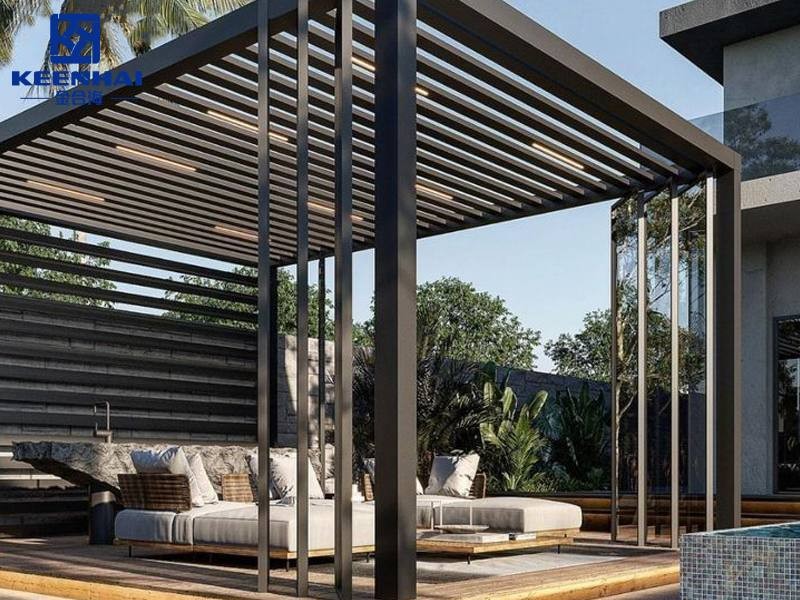
One of the strongest advantages of a premium aluminum 4x6 pergola is its exceptional resistance to corrosion and rust. Unlike steel or iron, aluminum forms a natural oxide layer that protects the surface from moisture and oxidation, ensuring the frame stays intact even in coastal or rainy environments.
Practical scenario: In a backyard near the ocean, a homeowner installed an aluminum pergola. After 10 years of exposure to salt-laden air, the structure remained fully intact with no signs of rust, while a nearby steel pergola required repainting and rust treatment multiple times. This demonstrates why aluminum is a top choice for long-lasting outdoor structures.
Vinyl pergolas also resist rot and insects, but they are less durable under impact and can crack over time, especially in extreme temperatures.
2.2 UV Exposure and Fading Over Time
Aluminum pergolas often come with powder-coated finishes that block UV radiation and prevent fading. This keeps the color vibrant for decades with minimal maintenance. In contrast, vinyl pergolas may yellow or discolor after prolonged sun exposure if lower-quality materials are used.
Scenario: A 4x6 aluminum pergola installed on a sun-drenched rooftop terrace retained its sleek gray finish even after 7 years. Nearby vinyl structures experienced noticeable color fading and chalking, requiring replacement panels to maintain appearance.
The UV resistance of aluminum also helps prevent micro-cracking and material fatigue, which is especially important for louvers or moving parts on motorized or adjustable pergolas.
2.3 Performance in Extreme Weather Conditions
Aluminum maintains structural integrity under extreme heat, cold, rain, or snow. Its lightweight yet strong design allows it to resist bending or warping, unlike vinyl, which may flex or crack under heavy snow loads or high winds.
| Feature | Aluminum 4x6 Pergola | Vinyl 4x6 Pergola |
|---|---|---|
| Wind Resistance | High | Moderate |
| Snow Load Capacity | 200+ lbs | 80–100 lbs |
| Heat Expansion | Low | Moderate (can warp) |
| Cold Temperature Performance | Excellent | Brittle in freezing conditions |
Practical insight: In a mountain backyard subject to snow, a homeowner installed an aluminum pergola. Even under 10 inches of heavy snow, the frame held perfectly, while a vinyl pergola nearby sagged and required braces. Aluminum’s combination of strength, corrosion resistance, and stability makes it ideal for any climate, from coastal humidity to snowy mountains.
3. Maintenance Requirements and Longevity
3.1 Cleaning and Upkeep for Aluminum Pergolas
A lightweight aluminum 4x6 pergola is prized for its minimal maintenance needs. Regular upkeep typically involves washing the frame with mild soap and water 2–3 times per year and checking bolts or screws for tightness. Unlike wood, aluminum does not require staining, sealing, or painting, making it ideal for homeowners who want a long-lasting outdoor structure without constant upkeep.
Scenario: On a suburban patio, a homeowner installed an aluminum pergola in a sunny backyard. Even after 5 years of exposure to rain and pollen, the frame remained pristine with only occasional rinsing. This shows how low-maintenance aluminum saves time and money compared to traditional wooden alternatives.
3.2 Vinyl Pergola Maintenance Tips
Vinyl pergolas also require low maintenance, but there are key differences. Cleaning involves soap and water, but vinyl can accumulate dirt in seams or corners, and power washing is sometimes necessary for stubborn stains. Over time, vinyl may fade, crack, or warp, especially in areas with extreme heat or UV exposure.
Practical tip: For a 4x6 vinyl pergola on a sun-drenched rooftop, homeowners found that applying a UV-protective vinyl cleaner annually helped reduce yellowing and maintained a clean appearance. However, unlike aluminum, structural integrity may require occasional reinforcement.
3.3 Expected Lifespan Comparison
When comparing aluminum and vinyl, expected lifespan is a major differentiator. Aluminum pergolas typically last 20–30 years or more under proper maintenance, retaining both color and structural strength. Vinyl pergolas generally last 10–15 years before fading, cracking, or needing replacement, particularly in extreme climates.
| Feature | Aluminum 4x6 Pergola | Vinyl 4x6 Pergola |
|---|---|---|
| Expected Lifespan (Years) | 20–30+ | 10–15 |
| Maintenance Frequency | Low (2–3 cleanings/year) | Moderate (annual cleaning, occasional power wash) |
| Structural Integrity Over Time | Excellent | Moderate |
| Color Retention | Very High | Moderate (fades faster in UV) |
Insightful scenario: In a backyard with both aluminum and vinyl 4x6 pergolas, the aluminum frame retained perfect rigidity and color over 12 years, while the vinyl frame developed minor cracks and visible yellowing, emphasizing aluminum’s long-term reliability and cost-effectiveness.
4. Weight, Installation, and Mobility
4.1 Aluminum Pergola Lightweight Advantages
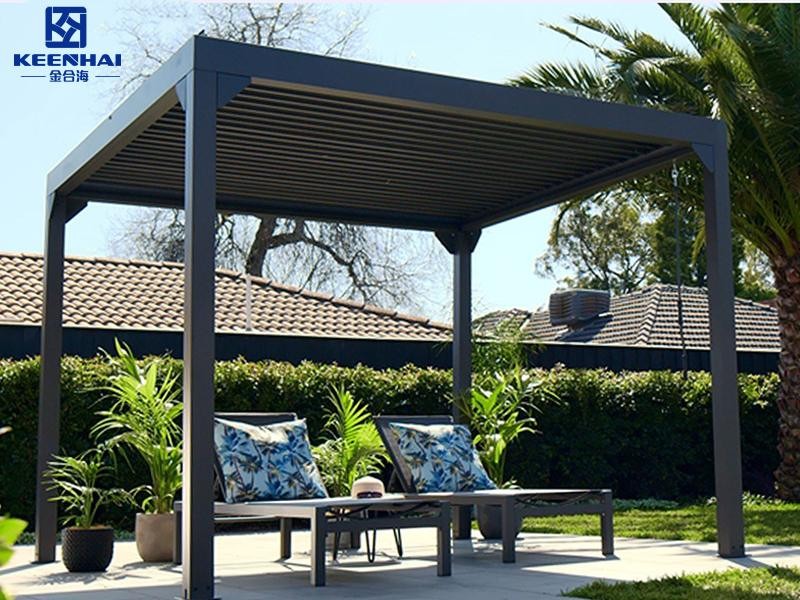
A lightweight aluminum 4x6 pergola offers significant benefits due to its low weight combined with high structural strength. Aluminum frames can be easily handled by two people, reducing the need for heavy equipment during installation. This makes it ideal for rooftop terraces, patios, and decks where heavy structures could cause stress on supporting surfaces.
Practical scenario: On a sloped backyard patio, homeowners installed an aluminum pergola without cranes or scaffolding. The lightweight frame allowed smooth placement and leveling, saving both time and labor costs compared to heavier steel alternatives. Its modular design also enabled easy adjustment and alignment of louvers.
4.2 Vinyl Pergola Handling and Assembly
Vinyl pergolas are also relatively lightweight, but their fragility and rigidity can complicate installation. Large vinyl panels may flex or crack if handled roughly, requiring careful lifting and support. While some vinyl pergolas come in pre-assembled kits, assembly can still be time-consuming due to screws, interlocking panels, and reinforcement requirements.
Example: A 4x6 vinyl pergola on a backyard patio required three people to handle and align the panels, and some sections needed additional bracing to prevent sagging during assembly. This highlights the trade-off between low weight and fragility.
4.3 Ease of Relocation or Modular Expansion
Aluminum pergolas are ideal for homeowners who value mobility or future modular upgrades. Their lightweight, bolt-together design allows relocation without full disassembly and supports add-ons like shade sails, lighting, or retractable panels.
| Feature | Aluminum 4x6 Pergola | Vinyl 4x6 Pergola |
|---|---|---|
| Average Frame Weight (lbs) | 120–150 | 100–130 |
| Ease of Assembly | Easy, 2–3 people | Moderate, 3–4 people |
| Relocation/Modular Expansion | High (bolt-together) | Limited (fragile panels) |
| Suitability for Rooftop/Deck | Excellent | Moderate |
Scenario: In a suburban rooftop project, homeowners moved their aluminum pergola twice in 8 years to reconfigure the seating area. The same would have been impractical with vinyl, due to panel cracking risk. Aluminum’s combination of lightweight, strength, and modularity makes it highly versatile for changing backyard layouts.
5. Cost and Value Considerations
5.1 Initial Purchase Price Differences
A premium aluminum 4x6 pergola usually carries a higher upfront cost than a vinyl pergola. Aluminum’s strength, durability, and resistance to corrosion justify the price, whereas vinyl options are generally cheaper but may require replacement or reinforcement sooner.
Scenario: On a suburban patio, a homeowner compared a 4x6 aluminum pergola priced at $2,500 with a vinyl counterpart at $1,200. While the vinyl pergola saved $1,300 initially, aluminum provided enhanced longevity, stability, and premium aesthetics, making it a smarter choice for long-term satisfaction.
5.2 Long-Term Investment and Maintenance Costs
When factoring in maintenance and replacement costs, aluminum often proves more economical over time. Minimal upkeep, resistance to rot, rust, and fading reduce both labor and material costs, while vinyl may require annual cleaning, UV treatments, or early replacement panels.
| Cost Factor | Aluminum 4x6 Pergola | Vinyl 4x6 Pergola |
|---|---|---|
| Initial Cost ($) | 2,500 | 1,200 |
| Maintenance Cost (10 years) | ~200 | ~600 |
| Replacement/Repair Costs | Minimal | Moderate |
| Lifespan (Years) | 20–30+ | 10–15 |
Practical insight: A homeowner investing in an aluminum pergola for a backyard patio saved over $400 in maintenance and repairs over 10 years compared to a vinyl option, highlighting aluminum’s long-term value despite higher upfront costs.
5.3 Return on Investment and Property Value Impact
Aluminum pergolas not only enhance outdoor living spaces but also positively affect property value. Their premium look, durability, and low maintenance make them attractive to potential buyers, especially when installed on terraces, patios, or rooftop decks. Vinyl pergolas, while functional, are less visually appealing over time due to fading or structural wear, and may not add as much resale value.
Scenario: In a real estate appraisal, a property with a 4x6 aluminum pergola received an estimated value increase of 3–5%, thanks to the modern design and long-lasting materials. Vinyl installations rarely contributed more than 1–2%, underscoring aluminum’s superior investment potential.