
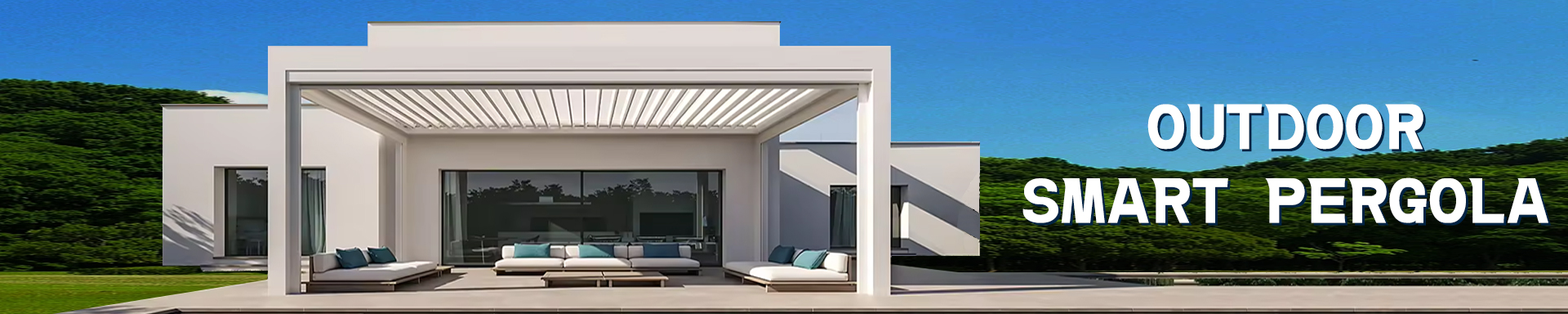
1. Material Comparison: Aluminum vs Wood
Choosing between an Aluminum 8x10 gazebo and a wooden gazebo can feel overwhelming, but breaking down the differences in structural strength, weather resistance, and portability makes the decision easier. Both materials have unique advantages depending on your backyard layout, climate, and long-term maintenance preferences.
1.1 Structural Strength and Durability
Aluminum gazebos are built from high-grade powder-coated aluminum, which provides excellent strength-to-weight ratio. This means the frame can withstand heavy rain, wind, and even snow in mild climates without bending or warping. Many homeowners pair aluminum gazebos with reinforced deck anchors, ensuring stability during seasonal storms.
Wooden gazebos, especially those made from cedar or redwood, offer a traditional and warm aesthetic. They are strong but prone to natural wear, including warping, cracking, or termite damage if not properly treated. For example, a backyard patio with a wooden 8x10 gazebo will often require yearly sealing or staining to maintain its structural integrity.
Practical Tip: If your area experiences heavy rainfall or fluctuating temperatures, aluminum is generally the safer long-term choice for durability and consistent performance.
1.2 Weather and Corrosion Resistance
When it comes to weather performance, aluminum shines due to its corrosion-resistant coating, which prevents rust and fading even in humid or coastal areas. Wooden gazebos, on the other hand, are naturally more susceptible to moisture damage, mold, and pest infestation unless regularly maintained.
| Feature | Aluminum 8x10 Gazebo | Wooden Gazebo |
|---|---|---|
| Corrosion/Rot Resistance | Excellent | Moderate, requires treatment |
| UV Fading | Minimal | Moderate, fades over time |
| Maintenance | Low | High, yearly sealing & inspection |
| Lifespan | 15–20 years | 10–15 years |
This table shows why many homeowners choose aluminum for low-maintenance outdoor living areas. Imagine setting up an outdoor dining space or a shaded lounge with minimal upkeep—the aluminum structure ensures your furniture stays dry and the frame remains intact.
1.3 Weight and Portability
One of the hidden advantages of aluminum is its lightweight design. An Aluminum 8x10 gazebo can often be installed with 2–3 people in a day, and if needed, can be relocated more easily than a wooden structure. In contrast, wooden gazebos are heavy and require professional installation, especially if the base needs leveling or anchoring.
Step-by-Step Installation Tip for Aluminum Gazebos:
-
Choose a flat, solid surface like concrete or a well-leveled deck.
-
Assemble the frame using the provided brackets and bolts.
-
Secure the structure with anchor kits or ground stakes.
-
Add optional accessories, such as curtains or lighting, to enhance usability.
A lightweight aluminum structure also allows homeowners to add features like retractable roofs or integrated screens without overloading the frame, which is harder to achieve with wood.
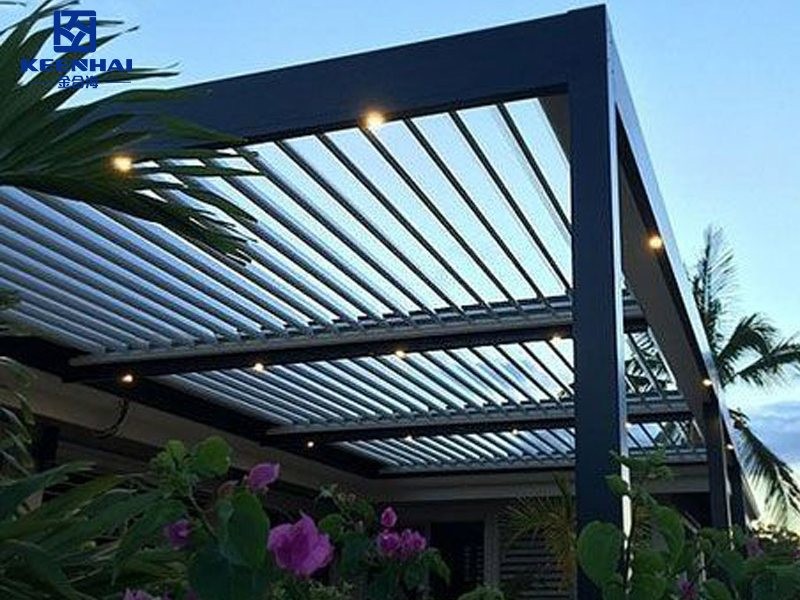
2. Cost Analysis
Understanding the financial implications of choosing between an Aluminum 8x10 gazebo and a wooden gazebo is crucial for any homeowner. Costs vary not only by material but also by features, installation, and ongoing maintenance. Breaking down each factor provides a clear picture of what to expect.
2.1 Upfront Purchase Price
Aluminum gazebos generally have a higher initial price compared to basic wooden gazebos due to the powder-coated aluminum and corrosion-resistant finish. On average:
-
Aluminum 8x10 gazebo: $1,200–$2,500 depending on roof style, retractable options, and frame thickness.
-
Wooden 8x10 gazebo: $800–$1,800, depending on the type of wood (cedar, redwood, or pressure-treated pine) and finish.
The higher upfront cost for aluminum is often justified by long-term durability and minimal maintenance, which offsets the price difference over the gazebo’s lifespan.
2.2 Long-Term Maintenance Costs
Maintenance costs are a significant factor when evaluating total ownership. Wooden gazebos require annual staining or sealing, occasional sanding, and monitoring for insect damage. A typical annual maintenance budget might include:
-
Stain or sealant: $50–$100 per coat
-
Pest treatment or termite inspection: $50–$75
-
Minor repairs (boards, screws): $25–$50
In contrast, aluminum gazebos require very little maintenance. Cleaning with mild soap and water once or twice a year is usually sufficient, keeping long-term costs around $20–$30 annually.
Practical Scenario: For a backyard that experiences humid summers and wet winters, choosing an aluminum gazebo can save hundreds of dollars over a decade while maintaining a pristine appearance.
2.3 Installation and Labor Fees
Installation complexity also affects costs. Aluminum 8x10 gazebos are generally prefabricated, with modular panels that can be assembled by 2–3 people in a day. Professional installation may cost $150–$400, mainly for anchoring and optional accessories like retractable roofs or mosquito screens.
Wooden gazebos are heavier and often require professional carpentry, including leveling the base, securing posts, and treating the wood on-site. Installation fees can range from $300–$700 depending on local labor rates and site conditions.
Step-by-Step Installation Consideration for Aluminum:
-
Prepare a level surface, ideally concrete or a compacted deck base.
-
Assemble the frame using supplied bolts and brackets.
-
Secure the structure with anchors or ground stakes.
-
Attach roofing panels and optional add-ons like curtains or lighting.
This approach ensures minimal risk of structural issues while keeping labor costs lower than a wooden counterpart.
3. Maintenance and Longevity
Choosing between an aluminum and a wooden gazebo often comes down to how much time and effort you want to spend on upkeep. Understanding cleaning routines, expected lifespan, and resistance to pests and rot will help you make an informed decision.
3.1 Cleaning and Upkeep Requirements
A premium 8x10 aluminum gazebo is designed for minimal maintenance. You only need to:
-
Rinse with water every few months to remove dust and pollen.
-
Use mild soap and a soft cloth for deeper cleaning once or twice a year.
-
Inspect bolts and fasteners seasonally to ensure the structure stays secure.
In contrast, wooden gazebos demand much more attention. Cedar or redwood structures typically need:
-
Annual staining or sealing to protect against moisture and UV damage.
-
Regular inspection for cracks or splinters, especially after storms.
-
Pest monitoring, including treatments for termites or carpenter ants.
Practical Insight: For busy homeowners or those seeking a low-maintenance backyard, an aluminum structure allows you to enjoy your outdoor space without dedicating weekends to upkeep.
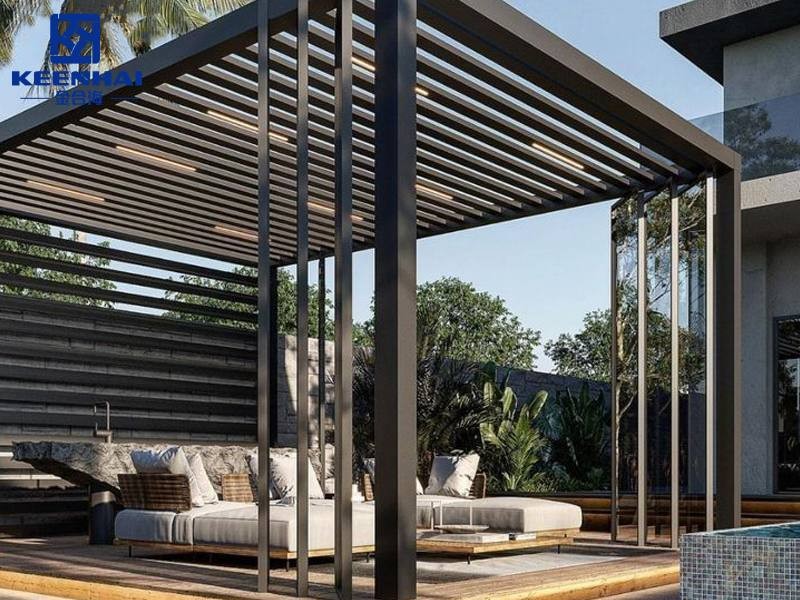
3.2 Lifespan Expectations
The lifespan of a gazebo is heavily influenced by material choice. Aluminum frames, thanks to their corrosion-resistant coating, often last 15–20 years with minimal maintenance. Wooden gazebos, while sturdy, generally have a shorter lifespan of 10–15 years, especially in humid or rainy climates.
For homeowners planning long-term outdoor installations, choosing a lightweight yet durable 8x10 outdoor aluminum structure ensures longevity while maintaining its original appearance and functionality. Investing in aluminum can reduce the need for replacements or major repairs, which is a key consideration when calculating total ownership cost.
3.3 Resistance to Pests and Rot
Pest damage and rot are major concerns for wooden gazebos. Even high-quality cedar or redwood can suffer from:
-
Termite infestations if not properly treated.
-
Mold or mildew in areas with high humidity or poor drainage.
-
Wood rot, particularly around posts in contact with soil.
Aluminum structures, in contrast, are naturally immune to termites, mold, and rot. This resistance makes them ideal for coastal regions or areas with seasonal rainfall. For example, an aluminum gazebo installed near a garden pond or shaded patio maintains its structural integrity without frequent pest treatments or sealant applications.
Step-by-Step Practical Tip:
-
Clear leaves and debris from the roof and floor to prevent water accumulation.
-
Wipe down metal surfaces with mild soap solution if dirt or pollen builds up.
-
Check bolts and fasteners annually to maintain stability.
4. Design and Aesthetic Options
When selecting a gazebo, design and aesthetics play a major role in how it complements your outdoor space. Both aluminum and wooden gazebos offer flexibility, but the modern aluminum 8x10 gazebo brings unique customization and practical advantages that blend seamlessly with contemporary patios and gardens.
4.1 Customization and Finishing Options
Aluminum gazebos come in a variety of finishes and colors, including powder-coated shades that resist fading from UV exposure. Homeowners can choose between:
-
Matte, glossy, or textured finishes to match furniture or exterior walls.
-
Integrated lighting options, such as LED strips or hanging lantern mounts.
-
Optional curtains or retractable side panels for privacy and shade control.
Practical Example: Installing a premium 8x10 aluminum gazebo on a modern backyard patio allows for matching the structure to stone flooring and outdoor furniture, creating a cohesive and elegant entertainment space.
Wooden gazebos, while offering natural warmth, are limited by wood types and require staining to achieve desired tones. Custom paint or sealant can add color but increases maintenance needs.
4.2 Roof Styles and Accessories
Roofing plays a critical role in both function and visual appeal. Aluminum gazebos support a variety of roof styles:
-
Gable roofs for a classic look and better water runoff.
-
Flat or sloped roofs for minimalist or modern designs.
-
Retractable louvered roofs for adjustable sunlight and ventilation.
Accessories such as integrated fans, solar lighting, or mosquito screens enhance comfort and usability. Wooden gazebos can support similar options, but heavier roof materials increase installation difficulty and long-term maintenance.
Practical Tip: Pairing an aluminum gazebo with a retractable roof creates a versatile space suitable for afternoon sun, evening gatherings, or even light rain.
4.3 Integration with Outdoor Spaces
Aluminum structures are highly versatile for integration with decks, patios, or garden landscapes. Their lightweight frames allow seamless placement over patios without the need for major foundation work.
-
Combine with modular seating, fire pits, or planters for multi-functional outdoor areas.
-
Attach climbing plants or hanging baskets without worrying about structural damage.
-
Place near a pool or pond to create a shaded lounge zone that is low-maintenance and visually consistent.
Step-by-Step Integration Example:
-
Choose a level surface or deck area.
-
Position the gazebo to complement existing landscape elements.
-
Secure it with anchor kits and optional foundation supports.
-
Add furniture, lighting, and accessories for a cohesive outdoor environment.
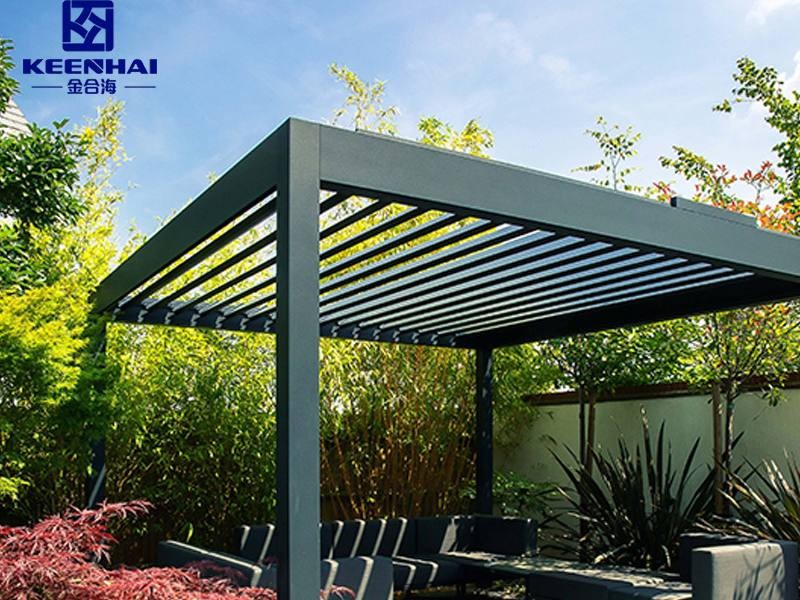
5. Functionality and Usage Scenarios
Choosing the right gazebo isn't just about looks—it’s about how it performs in different seasons and fits your lifestyle. Aluminum and wooden gazebos have distinct advantages, and understanding these can help you pick the best fit for your outdoor space.
5.1 Seasonal Performance (Summer/Winter Use)
A premium 8x10 aluminum gazebo excels in both summer and winter conditions. Its powder-coated frame resists heat, UV damage, and moisture, keeping the structure intact across seasons.
-
Summer: Provides stable shade even under direct sun, especially when paired with retractable roof panels or curtains.
-
Winter: Aluminum won’t warp or crack under snow or ice; simply brush off accumulated snow to maintain safety.
Wooden gazebos can absorb moisture, swell, or crack over time, requiring extra care such as sealing before winter or trimming nearby vegetation to prevent moisture buildup.
5.2 Suitable Backyard or Patio Sizes
Proper sizing ensures both aesthetic balance and practical use. The 8x10 outdoor aluminum structure fits comfortably in medium backyards, garden nooks, or spacious patios. It allows room for:
-
Dining tables for 6–8 people
-
Lounge seating or sectional sofas
-
Outdoor grills or small fire pits
For smaller areas, a wooden gazebo may feel bulkier due to heavier posts and more visually imposing designs. Conversely, aluminum frames are sleek and modular, making them adaptable to irregular or constrained spaces without overcrowding.
5.3 Outdoor Entertaining vs Relaxation Spaces
Aluminum gazebos are ideal for multi-purpose outdoor areas. Their durable, weather-resistant design supports:
-
Entertaining: Host family dinners, cocktail parties, or weekend barbecues without worrying about sudden rain or sun exposure.
-
Relaxation: Set up a reading nook, meditation area, or hammock corner; the low-maintenance structure ensures uninterrupted use.
Scenario Example: Installing an 8x10 outdoor aluminum structure next to a pool deck allows quick transition from sunbathing to shaded lounging. Optional accessories like mosquito nets or LED lights enhance comfort for evening use.
Step-by-Step Planning Tip:
-
Measure your outdoor area and confirm clearances for furniture and movement.
-
Decide on primary use—entertaining, relaxing, or both.
-
Select roof style and accessories to support seasonal performance.
-
Position the gazebo for optimal shade, view, and accessibility.