
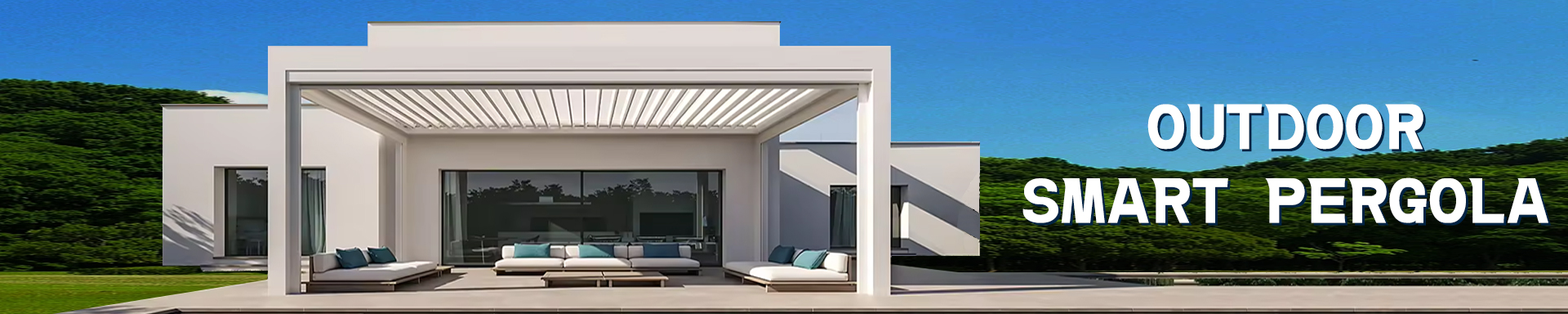
1. Color Options for Aluminum Pergolas
Choosing the right color for your aluminum pergola impacts both how it looks and how it performs over time. The finish affects heat absorption, fading, and how well the structure blends with your backyard or patio. A durable, well-selected finish ensures your pergola stays visually appealing with minimal maintenance, while also complementing your outdoor design.
1.1. Standard Powder-Coated Finishes
Most aluminum pergolas come with powder-coated finishes that combine style with corrosion protection. Standard options usually include:
-
White, cream, or ivory
-
Black, dark gray, or bronze
-
Metallic silver or taupe
These finishes provide strong UV resistance, preventing color from fading quickly, and they reduce the need for frequent cleaning. A homeowner installing a freestanding aluminum pergola in a sunny backyard chose a dark gray finish to match the patio while minimizing visible dirt and wear from sunlight.
1.2. Custom Color Matching and Special Effects
For a more unique look, custom powder-coating or anodized finishes let you pick nearly any color or effect. Options include:
-
Exact matches to your outdoor furniture or house trim
-
Metallic, satin, or textured finishes
-
Multi-tone or gradient effects for modern designs
| Finish Type | Durability | Typical Cost Range | Notes |
|---|---|---|---|
| Standard Powder-Coated | High | Included in base price | Low maintenance, strong UV resistance |
| Custom Powder-Coated | Very High | +$200–$600 | Allows precise color matching, textured surfaces |
| Anodized or Metallic | Very High | +$300–$700 | Premium finish, excellent corrosion resistance |
A custom retractable aluminum pergola installed on a rooftop used a deep bronze metallic finish that blended with nearby planters and reflected sunlight, keeping the space cooler during hot afternoons.
1.3. Considerations for Heat Reflection and Fading
Color affects both appearance and comfort. Darker shades absorb more heat, making the pergola warmer in direct sunlight, while lighter colors reflect heat and keep the area cooler. To ensure long-lasting color:
-
Choose coatings with strong UV protection to prevent fading.
-
Match the color to your climate—coastal areas or regions with intense sun benefit from coatings resistant to corrosion and UV damage.
-
Maintain the surface occasionally by rinsing or wiping off dirt to avoid chalking or buildup.
A light taupe or ivory finish works well in sunny areas, while charcoal or black can create a bold modern look if the pergola has partial shade or reflective roofing panels.
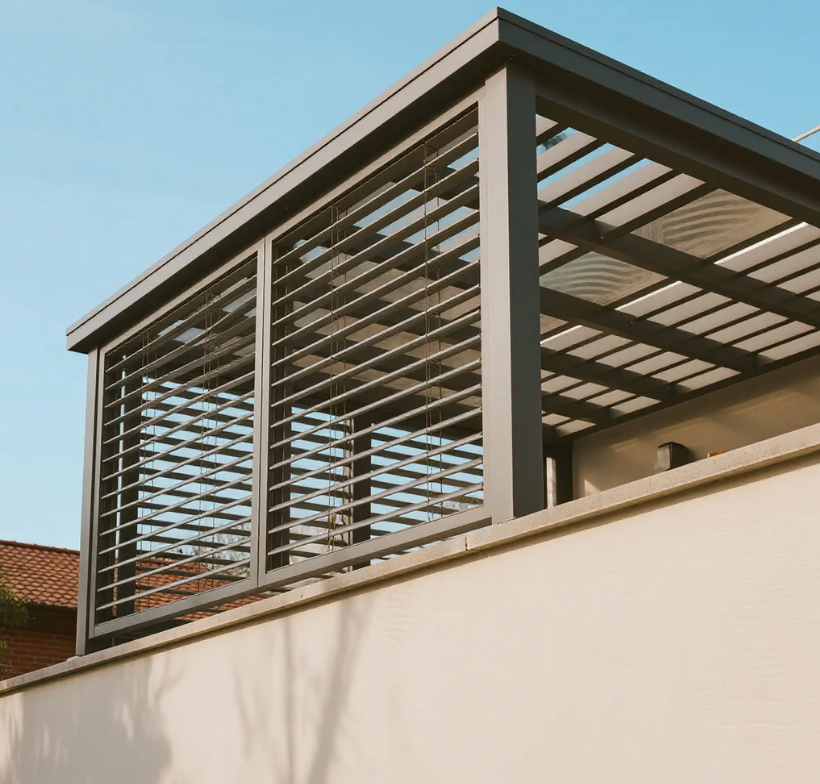
2. Size and Dimension Customization
Getting the right size for an aluminum pergola is crucial for both function and aesthetics. The dimensions influence how well the pergola fits your backyard, accommodates furniture, and integrates with surrounding architecture. Selecting an appropriate width, depth, and height ensures the pergola feels spacious without overwhelming your outdoor area.
2.1. Common Pergola Sizes and Proportions
Most backyard aluminum pergolas follow standard proportions that balance structural stability with visual appeal. Typical ranges include:
-
Width: 10–16 ft
-
Depth: 10–14 ft
-
Height: 8–10 ft at the posts, with a slightly higher roofline for visual interest
For larger patios or terraces, pergolas can reach 20x20 ft or more, but these require additional supports and precise engineering to maintain stability. A full-size aluminum pergola installed in a suburban garden measured 14x12 ft, offering ample space for a dining table, lounge furniture, and plant displays while leaving pathways open.
2.2. Adjusting Width, Depth, and Height for Your Space
Customizing pergola dimensions requires careful measurement and planning. Follow these steps to ensure a perfect fit:
-
Measure the available area and account for overhangs or walkways.
-
Determine the functional requirements—will it cover a dining set, lounge area, or both?
-
Decide on ceiling height; higher roofs provide an open feel, while lower roofs offer more intimacy and shade.
-
Adjust width and depth proportionally to maintain structural balance and aesthetic symmetry.
Visualizing scale is important: a 12x12 ft pergola may feel cozy on a small patio, but a 16x14 ft structure is better suited for larger backyards. Using scaled drawings or 3D design tools can prevent sizing mistakes before installation.
2.3. Custom Size Limitations and Engineering Requirements
While aluminum pergolas are highly adaptable, some limitations exist:
-
Maximum unsupported span for standard extrusions is typically 16 ft; wider structures require intermediate supports.
-
Roof types affect height and weight distribution—louvered or retractable roofs add complexity.
-
Wind and snow load considerations may dictate additional anchoring or reinforced posts.
A custom aluminum automated pergola installed in a coastal backyard measured 18x14 ft with a motorized roof. The installer added reinforced crossbeams and anchor points to meet local wind resistance requirements, demonstrating how engineering adjustments are essential for both safety and longevity.
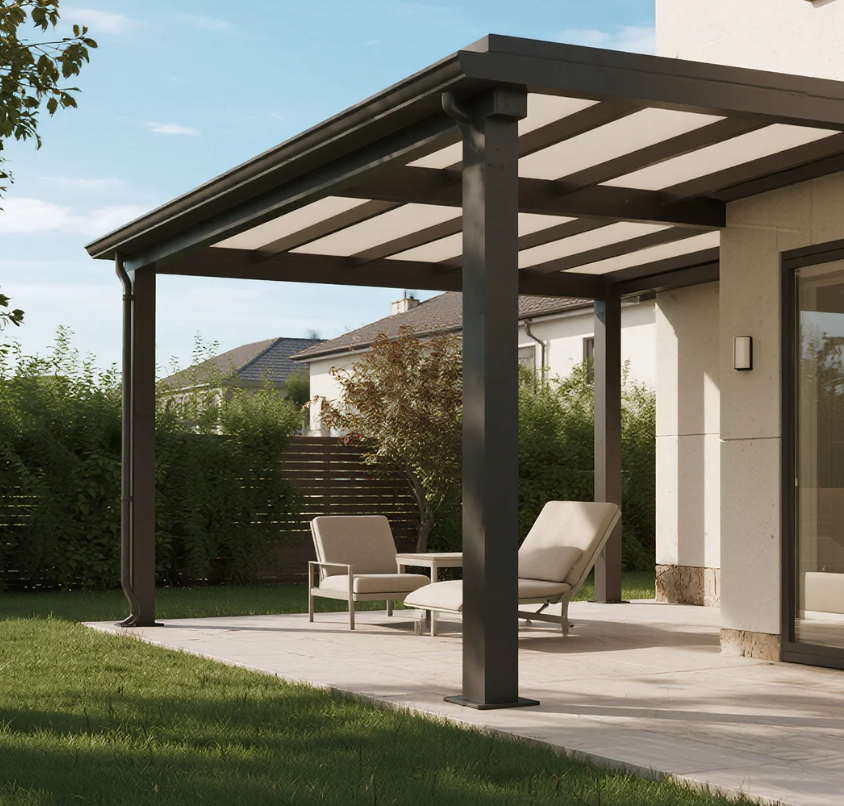
3. Style and Design Variations
The style of an aluminum pergola determines how it complements your outdoor space and meets functional needs. Choosing the right design ensures the structure blends with your home while supporting your lifestyle, whether for shade, dining, or entertaining. Style includes both the pergola’s placement and the decorative details that define its character.
3.1. Freestanding vs Attached Pergolas
Aluminum pergolas can either stand alone or attach directly to your house.
-
Freestanding pergolas allow maximum flexibility in placement and create a separate outdoor room. They are ideal for large backyards, pool areas, or terraces where you want a defined space.
-
Attached pergolas extend from your home’s wall or deck, providing instant shade and integrating seamlessly with existing architecture.
Steps to choose the right type:
-
Measure your outdoor area and identify functional zones.
-
Decide if you need shade over existing structures like patios or decks.
-
Consider structural support: attached pergolas share support with the house, while freestanding models require independent posts and foundations.
A freestanding aluminum pergola in a backyard dining area allowed for open sides and a clear view of the garden, giving a sense of space without compromising shade or style.
3.2. Roof Types: Louvered, Retractable, and Solid Panels
Roof choice impacts both style and usability. The main options include:
-
Louvered roofs – Adjustable slats let you control sunlight and airflow, making them versatile for year-round use.
-
Retractable roofs – Motorized or manual retractable canopies offer flexibility for sudden weather changes. A retractable aluminum gazebo installed over a poolside lounge allows shade when needed but opens up fully on sunny days.
-
Solid panel roofs – Provide full protection from sun and rain, suitable for areas with unpredictable weather.
Considerations for roof type:
-
Louvered roofs require occasional cleaning to prevent debris buildup.
-
Retractable roofs may need electrical connections or tracks installed properly.
-
Solid panels need strong support beams to handle extra weight, especially in regions with snow or heavy rain.
3.3. Decorative Elements: Posts, Beams, and Trim
Decorative details give an aluminum pergola personality and style without compromising durability. Key elements include:
-
Posts: Can feature square, round, or tapered designs with fluted or smooth finishes.
-
Beams and rafters: Exposed beams add a traditional look, while hidden rafters give a modern minimalist appearance.
-
Trim and moldings: Small accents like corner brackets or caps enhance elegance and match home exterior styles.
When choosing decorative elements, consider how they complement your roof type and size. For instance, a pergola with a louvered roof benefits from simple post designs to keep the focus on adjustable slats, while solid roof structures can support more elaborate trim.
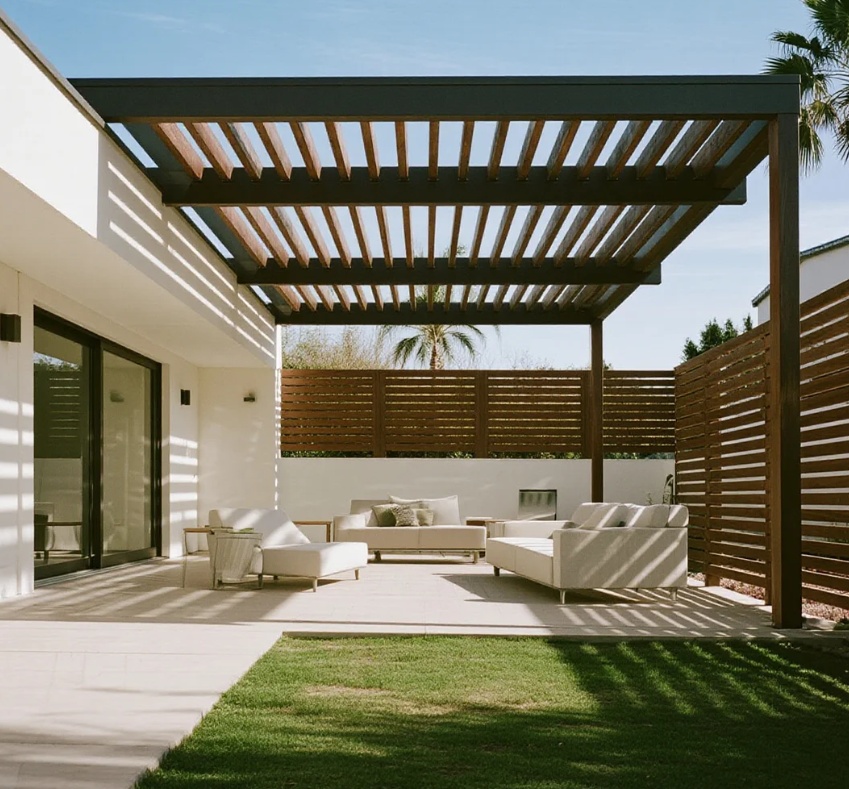
4. Material and Finish Upgrades
Upgrading the materials and finishes of your aluminum pergola directly affects durability, aesthetics, and overall longevity. Choosing premium materials ensures the structure withstands harsh weather while maintaining its appearance for years. From alloy grade to texture and protective coatings, every detail matters when designing a long-lasting outdoor space.
4.1. Premium Aluminum Grades and Coatings
High-quality aluminum alloys, such as 6061-T6, offer excellent strength, corrosion resistance, and lightweight handling, which is essential for freestanding or large pergolas. Standard aluminum may suffice for smaller patios, but premium grades reduce long-term maintenance and enhance structural stability.
Steps to select the best alloy:
-
Check the tensile strength and corrosion resistance ratings.
-
Confirm compatibility with your roof type and size—heavier louvered or solid roofs require stronger beams.
-
Evaluate powder-coated vs anodized finishes—powder-coating provides color variety, while anodized surfaces resist scratching and fading.
A homeowner who installed a premium aluminum pergola over a rooftop terrace chose 6061-T6 alloy with anodized bronze coating, ensuring minimal maintenance while complementing the building’s exterior.
4.2. Texture, Gloss, and Corrosion Resistance Options
The finish on aluminum not only impacts appearance but also performance in outdoor environments. Options include:
-
Gloss levels: Matte, satin, or high gloss
-
Texture: Smooth, hammered, or wood-grain finishes
-
Corrosion resistance: Powder-coating thickness and quality, anodized layers, or specialized marine-grade coatings
| Finish Type | Scratch Resistance | UV Protection | Cost Range | Notes |
|---|---|---|---|---|
| Standard Powder-Coated | Moderate | High | Base Price | Durable, easy to clean |
| Premium Anodized | Very High | Very High | +$300–$700 | Excellent corrosion resistance, scratch-resistant |
| Textured/Wood-Grain | High | High | +$400–$800 | Adds aesthetic depth, slightly higher maintenance |
For coastal areas, finishes with high corrosion resistance are essential. A lightly textured satin finish can hide minor scratches while reflecting light subtly, enhancing the pergola’s visual appeal over time.
4.3. Integrating Glass, Fabric, or Wooden Accents
Incorporating non-aluminum elements allows for personalized aesthetics and functionality. Popular options include:
-
Glass panels for partial roofing or side enclosures, providing weather protection without blocking light.
-
Fabric canopies or retractable shades for added comfort and flexibility in sunny areas.
-
Wooden accents or trim to introduce warmth and blend with garden landscaping.
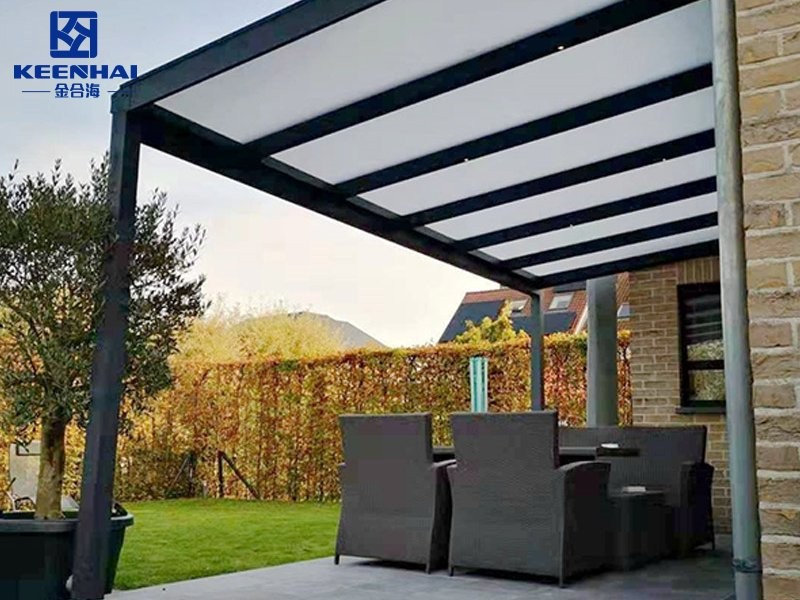
A waterproof aluminum pergola installed over a patio integrated tempered glass panels on the roof edges and cedar trim along the posts, combining durability with a modern yet cozy look.
5. Accessories and Functional Customization
Adding accessories to your aluminum pergola transforms it from a simple shade structure into a fully functional outdoor living space. Thoughtful integration of lighting, screens, and automated features can improve comfort, usability, and style without compromising the sleek aluminum design.
5.1. Lighting, Fans, and Electrical Integration
Incorporating electrical components enhances usability for evening gatherings or hot summer days. Popular options include:
-
LED strip or pendant lighting – Provides ambient lighting, highlights architectural details, and ensures safety.
-
Ceiling fans – Circulate air under larger structures, keeping the space comfortable even on warm days.
-
Integrated outlets and wiring – Allow powering of appliances, speakers, or retractable awnings without running external cords.
Installation steps:
-
Plan the electrical layout before finalizing pergola placement.
-
Choose waterproof fixtures rated for outdoor use.
-
Ensure professional wiring meets local code requirements for safety.
A custom aluminum automated pergola installed over a patio included built-in LED strips and a ceiling fan, creating a multi-functional space for dining and relaxation even after sunset.
5.2. Side Screens, Curtains, and Weather Protection
Side enclosures add privacy and weather resistance while maintaining an open, airy feel. Options include:
-
Roll-up or fixed side screens for sun or wind protection
-
Outdoor curtains with UV-resistant and water-repellent fabrics
-
Weatherproof panels for rain or snow, keeping furniture and decking dry
Steps to add side protection:
-
Measure the pergola’s length and height to ensure complete coverage.
-
Select materials compatible with your climate—fabric for sun protection, panels for rain and wind.
-
Install mounting brackets along the posts, ensuring tensioned screens or curtain tracks operate smoothly.
Tip: Combining retractable screens with a louvered roof lets you control both sunlight and airflow, creating an adaptable outdoor room for all seasons.
5.3. Motorized and Automated Components
Motorized and automated systems increase convenience and efficiency. They include:
-
Motorized louvered roofs – Adjust the angle of slats at the touch of a button to control sunlight and ventilation.
-
Retractable awnings and shades – Can extend or retract automatically based on sunlight or rain sensors.
-
Smart integration – Allows connection to home automation systems or remote control via mobile apps.
A retractable aluminum gazebo installed in a backyard lounge uses a motorized roof with sensor-controlled automation, so homeowners can enjoy full sun during the day and shade instantly when clouds appear. Automated features reduce manual adjustments while enhancing comfort and safety.