
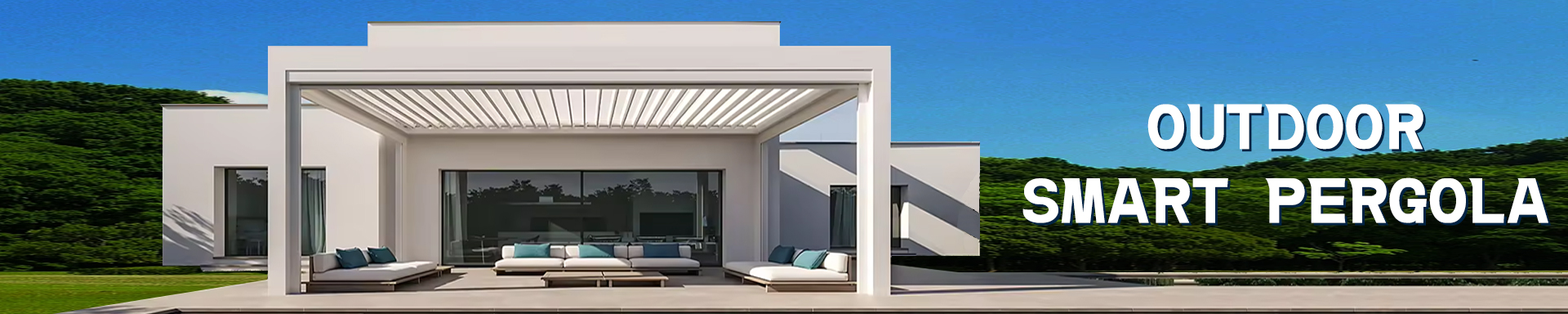
1. Understanding Aluminum Pergola Houses
Aluminum pergola houses are becoming increasingly popular for homeowners who want a durable, low-maintenance, and stylish outdoor structure. Unlike traditional wooden pergolas, aluminum options offer exceptional resistance to rust, rot, and warping, making them ideal for long-term use in various climates. For instance, a modern backyard patio of 20 sqm can be transformed into a multifunctional space with a premium aluminum pergola house, providing both shade and aesthetic appeal. Homeowners often choose aluminum because it combines strength with sleek, contemporary design, allowing customization to match house architecture without compromising durability.
1.1 Key Features and Benefits
The primary benefits of an aluminum pergola house revolve around strength, low maintenance, and flexibility. Aluminum frames are lightweight yet sturdy, supporting both fixed and movable roofs. They are resistant to corrosion, which makes them perfect for coastal areas or rainy regions.
Key advantages include:
-
Long-lasting durability – Aluminum withstands extreme weather conditions far better than wood or steel.
-
Low maintenance – Occasional cleaning with water and mild detergent is sufficient.
-
Customizable design – Options include slatted roofs, retractable canopies, or integrated motorized systems like a modern aluminum motorized pergola.
-
Eco-friendly material – Aluminum is recyclable and lightweight, reducing transportation impact.
In a real-world application, homeowners often install aluminum pergola houses over terraces to create shaded dining areas, outdoor lounges, or garden retreats, combining style with functional outdoor living.
1.2 Common Types and Styles
Aluminum pergola houses come in a variety of styles to suit different design preferences and functional needs. Common categories include:
| Type | Description | Ideal Use |
|---|---|---|
| Standard Aluminum Pergola | Fixed roof, sturdy frame | Backyard patios, small gardens |
| Aluminum Motorized Pergola | Adjustable roof via motor | Terraces, flexible shading |
| Aluminum Automated Pergola | Integrated sensors and automation | Smart homes, high-tech outdoor spaces |
| Aluminum Modern Gazebo | Contemporary design, optional curtains | Luxury homes, open garden seating |
For example, a homeowner may choose a modern Aluminum Gazebo to complement a minimalist backyard terrace, while a motorized pergola suits a larger deck that needs flexible sunlight control. These styles allow homeowners to match functionality with design, enhancing both the usability and aesthetic of their outdoor spaces.
1.3 Material Quality and Durability
The material quality of aluminum pergola houses ensures that they retain their appearance and performance over decades. Premium-grade aluminum alloys are often powder-coated to provide additional resistance against scratches and fading. Compared to other materials:
-
Wood – Requires frequent sealing, prone to rot and insect damage.
-
Steel – Heavy and can rust if not properly treated.
-
Aluminum – Lightweight, rust-proof, and virtually maintenance-free.
Additionally, aluminum pergolas can be combined with tempered glass panels, retractable canopies, or integrated LED lighting for enhanced functionality. A 25 sqm patio fitted with a high-quality aluminum pergola can handle heavy rainfall and strong winds, creating a comfortable and stylish outdoor area year-round.
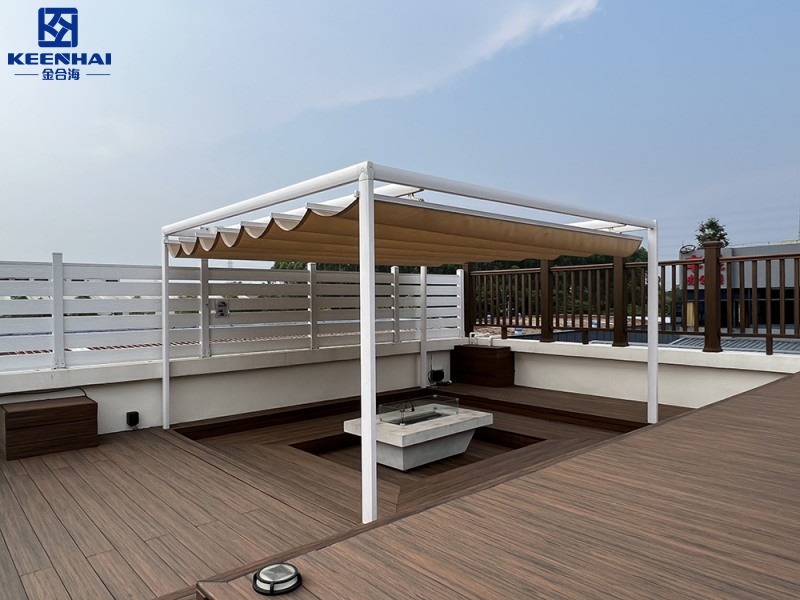
2. Cost Considerations and Budget Planning
Understanding the cost of an aluminum pergola house is crucial for planning your backyard or terrace project efficiently. Prices vary depending on size, design complexity, and material quality. For example, a 20–25 sqm modern aluminum pergola with a slatted roof system typically costs between $3,500 and $7,000, while larger, customized setups with motorized features may exceed $12,000. Budgeting early ensures you can choose the best materials without compromising functionality or aesthetics. Proper cost planning also allows homeowners to factor in optional accessories, such as integrated lighting, retractable shades, or side curtains, which enhance both comfort and usability.
2.1 Average Prices by Size and Design
The price of an aluminum pergola depends primarily on dimensions and structural style. Smaller, standard models measuring 10–15 sqm generally start at around $1,800–$2,500, while mid-size setups (15–25 sqm) can reach $4,000–$6,500. Larger or fully customized pergolas with features like adjustable slats or integrated automation can exceed $10,000.
| Size / Style | Average Price | Typical Use |
|---|---|---|
| 10–15 sqm Standard | $1,800–$2,500 | Small patios, garden corners |
| 15–25 sqm Modern | $4,000–$6,500 | Medium terraces, backyard lounges |
| 25+ sqm Motorized | $8,000–$12,500+ | Large decks, flexible shading areas |
For homeowners seeking a premium aluminum pergola house, investing in mid-size or motorized options ensures longevity, style, and functional versatility.
2.2 Additional Costs: Installation and Accessories
Installation is another critical factor in total budget planning. Typical steps include:
-
Site Preparation – Leveling the area, ensuring drainage, and marking foundation points.
-
Frame Assembly – Positioning posts and securing the main structure.
-
Roof Installation – Adding fixed panels, slats, or motorized mechanisms.
-
Optional Accessories – Installing LED lighting, retractable awnings, or side curtains.
Professional installation averages $500–$2,000, depending on complexity and location. Additional costs for accessories like retractable canopies or automated systems can range from $800 to $3,000, depending on the brand and features. For example, an outdoor terrace with a motorized aluminum pergola may include integrated lighting, increasing the overall investment but dramatically improving user experience.
2.3 Long-Term Value and Maintenance Savings
One of the strongest selling points of aluminum pergola houses is low long-term maintenance costs. Unlike wood, aluminum does not warp, crack, or require annual sealing, and compared to steel, it remains rust-proof for decades. Homeowners typically save $200–$500 annually on upkeep compared to wooden alternatives.
Additionally:
-
Durability – Aluminum frames last 20+ years with minimal maintenance.
-
Energy Efficiency – Adjustable slatted roofs or louvered systems can reduce sun exposure, lowering cooling costs.
-
Resale Value – A well-installed aluminum pergola can increase property appeal and outdoor living usability.
Investing in a modern aluminum pergola upfront often results in substantial savings over the product’s lifespan, making it a smart choice for homeowners prioritizing both style and cost-effectiveness.
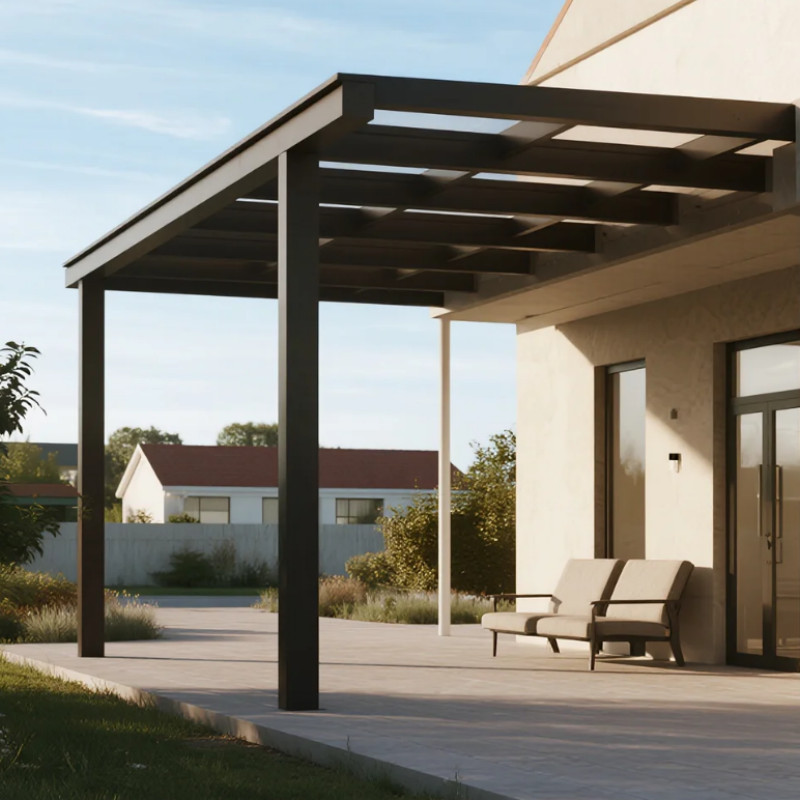
3. Selecting the Right Size and Design
Choosing the right size and design for an aluminum pergola house is critical to maximize both functionality and aesthetic appeal. A structure that is too small may feel cramped, while one that is too large can overwhelm your outdoor area. Accurate measurement and thoughtful design selection ensure a perfect fit for your backyard, terrace, or garden lounge. For example, a premium aluminum pergola house installed over a 25 sqm patio can create a comfortable dining and lounging space while maintaining open sightlines and airflow. Careful consideration of dimensions, roof style, and customization options ensures the pergola complements the home’s architecture and outdoor lifestyle.
3.1 Measuring Your Outdoor Space
Accurate measurements form the foundation of any successful pergola installation. Follow these steps for precise planning:
-
Measure Width and Length – Use a tape measure to capture the full usable area of your patio or backyard.
-
Check Clearance – Ensure there is enough height clearance for furniture, outdoor lighting, and overhead fixtures.
-
Account for Obstacles – Note any trees, utility lines, or structures that could impact placement.
-
Consider Flow and Function – Ensure space allows easy movement around the pergola for seating, barbecue, or garden activities.
For a 20–30 sqm terrace, a 4x5 meter aluminum pergola typically fits comfortably without crowding. Accurate measurements prevent costly mistakes and ensure the pergola blends naturally with your outdoor layout.
3.2 Matching Style with Home Architecture
The style of your pergola should harmonize with your home’s architecture to create a cohesive look. Modern minimalist houses often pair well with sleek, straight-lined aluminum structures, while traditional homes can benefit from slatted roofs or decorative trims. Key points to consider:
-
Roof Style – Choose between fixed, louvered, or retractable roofs depending on sunlight control needs.
-
Color and Finish – Powder-coated or matte finishes can complement siding, bricks, or wooden accents.
-
Integration with Outdoor Features – Ensure the pergola design fits with existing decks, pools, or landscaping elements.
For homeowners seeking a contemporary touch, installing a modern Aluminum Gazebo over a terrace can enhance the overall aesthetic while providing functional shade and shelter. Design alignment with your home ensures the pergola feels intentional rather than an afterthought.
3.3 Customization Options for Personal Needs
Aluminum pergolas offer a wide array of customization options to suit individual needs and outdoor activities. Popular features include:
-
Adjustable Louvers – Control sunlight and airflow precisely.
-
Integrated Lighting – LED strips or spotlights for evening use.
-
Automated Systems – Motorized or sensor-controlled roofs for ease of use.
-
Side Panels or Curtains – Enhance privacy or shield from wind and rain.
For example, a motorized aluminum pergola installed over a backyard terrace allows homeowners to adjust shade levels with a remote, creating a versatile space for entertaining, dining, or relaxing. Tailoring features to daily routines ensures maximum utility while maintaining the structure’s visual appeal.
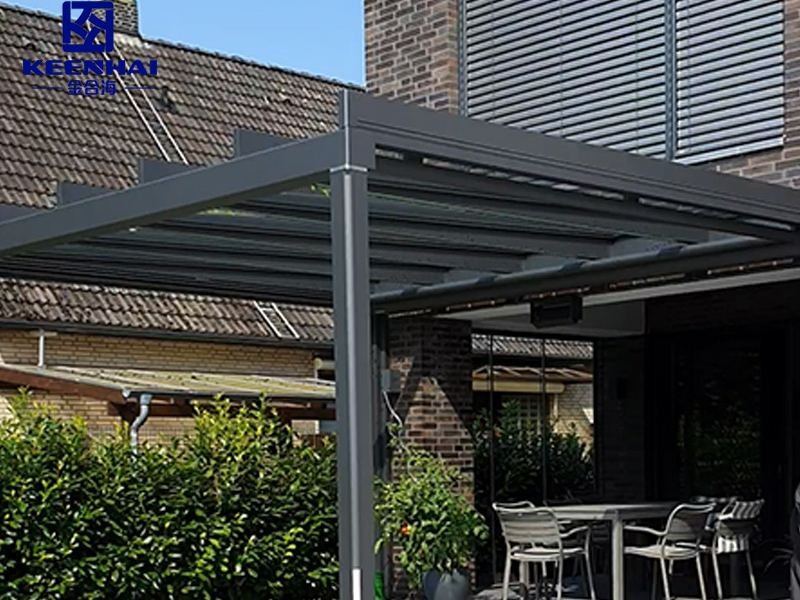
4. Installation and Setup Options
Proper installation and setup of an aluminum pergola house are essential for ensuring long-term durability and safe use. Whether you choose a DIY approach or professional service, understanding the requirements beforehand saves time, reduces errors, and guarantees a stable structure. For example, a well-installed aluminum pergola over a 30 sqm backyard terrace can withstand heavy rain and strong winds for decades without structural issues. Early planning of foundation, tools, and assembly workflow ensures a smooth setup process and maximizes the pergola’s lifespan and aesthetic appeal.
4.1 DIY Installation vs Professional Service
Deciding between DIY installation and hiring professionals depends on your skills, tools, and available time:
-
DIY Installation – Requires careful attention to measurements, drilling, and structural alignment. Typically suitable for smaller or modular pergolas. Key steps include:
- Marking anchor points and leveling the ground.
- Assembling the aluminum frame and securing with bolts.
- Installing roof panels or motorized slats carefully according to instructions. -
Professional Service – Recommended for larger, custom, or motorized pergolas. Professionals ensure precise alignment, proper anchoring, and integration of electrical components for automated or LED systems.
For instance, installing a motorized aluminum pergola professionally guarantees smooth operation and prevents future mechanical issues. Choosing the right approach depends on both skill level and the complexity of the pergola design.
4.2 Foundation and Structural Requirements
A solid foundation is critical for stability and longevity. Aluminum pergolas, while lightweight, still require secure anchoring and level surfaces. Key considerations include:
-
Surface Preparation – Clear debris, level the ground, and, if needed, pour a concrete pad or install paving stones.
-
Anchor Points – Use heavy-duty anchors or concrete footings to secure vertical posts.
-
Load Considerations – Account for roof weight, wind resistance, and optional accessories like LED lighting or retractable panels.
-
Material Compatibility – Ensure bolts, screws, and brackets match aluminum corrosion resistance standards to prevent rust.
For a typical 25–30 sqm pergola, a reinforced concrete footing of 40 cm depth and 20 cm diameter per post is often sufficient, providing stability for both standard and automated aluminum structures.
4.3 Timeframe and Preparation Checklist
Planning the installation timeline helps streamline the process and avoid delays. A standard setup usually follows these steps:
-
Pre-Assembly Preparation (1–2 days) – Gather tools, verify components, and prepare the installation area.
-
Frame Assembly (1–2 days) – Assemble posts, beams, and braces systematically.
-
Roof Installation (1 day) – Add slats, motorized panels, or fixed roof sections carefully.
-
Accessory Integration (0.5–1 day) – Install LED lights, retractable shades, or side curtains as needed.
-
Final Inspection (0.5 day) – Check for structural alignment, tightness of bolts, and smooth operation of movable parts.
Following this structured schedule ensures a smooth and efficient installation, minimizing potential errors and maximizing long-term durability. Homeowners often combine professional assistance for motorized elements while handling standard assembly themselves to balance cost and efficiency.
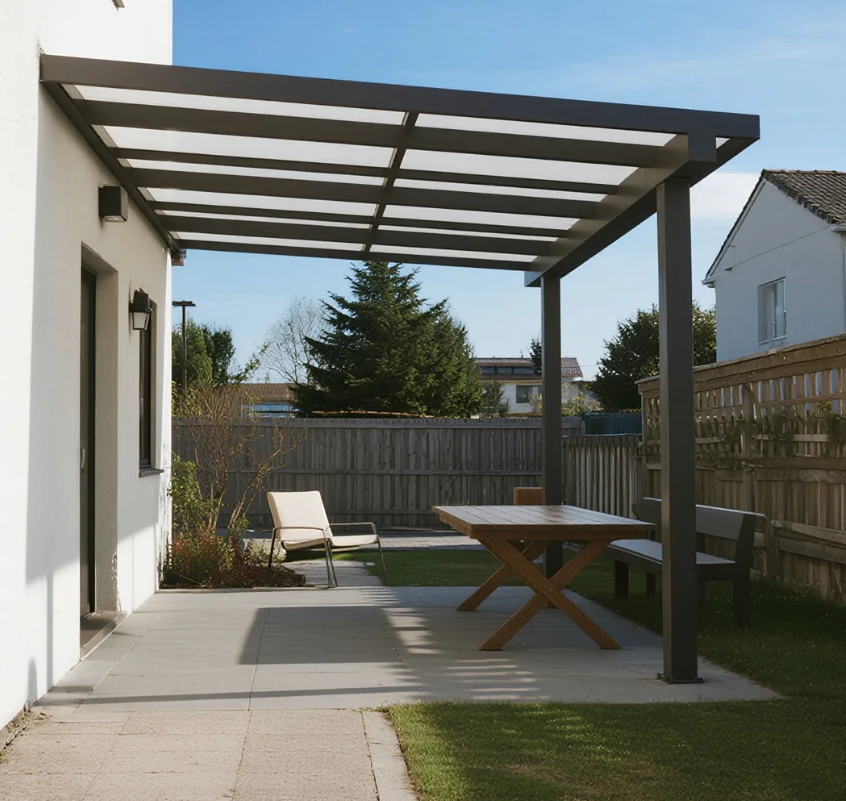
5. Maintenance and Longevity Tips
Maintaining an aluminum pergola house properly ensures it stays visually appealing and structurally sound for decades. Unlike wood, aluminum resists rot and insect damage, but regular cleaning and preventive care maximize durability and performance. For example, a 25–30 sqm backyard terrace with a premium aluminum pergola can remain pristine with minimal effort if owners follow a consistent maintenance routine. Understanding cleaning methods, protective coatings, and corrosion prevention techniques helps homeowners safeguard their investment while keeping their outdoor space functional and attractive.
5.1 Cleaning and Protective Coatings
Proper cleaning keeps aluminum surfaces looking new and prevents dirt buildup that can compromise finishes. Follow these steps:
-
Regular Dusting – Remove loose debris weekly using a soft brush or broom.
-
Washing – Mix mild detergent with water and scrub with a non-abrasive sponge every 1–2 months.
-
Rinsing – Use clean water to rinse thoroughly and avoid soap residue.
-
Protective Coating – Apply a specialized aluminum protectant or wax once or twice a year to enhance UV resistance and preserve color.
For louvered or motorized systems, gently clean moving parts to prevent friction issues. Maintaining protective coatings ensures your structure, whether a standard or automated aluminum pergola, retains its sleek finish and long-term functionality.
5.2 Preventing Corrosion and Weather Damage
While aluminum is inherently corrosion-resistant, harsh weather conditions can still affect its longevity. Key strategies include:
-
Inspect Joints and Bolts – Check connections quarterly for signs of loosening or minor oxidation.
-
Avoid Water Traps – Ensure sloped or louvered roofs do not collect standing water, which can accelerate wear.
-
Use Appropriate Accessories – Protective covers during winter or storms can prevent damage to fabric shades and LED systems.
-
Prompt Repairs – Address scratches or minor dents immediately with touch-up paint or coatings to prevent long-term degradation.
A well-maintained modern aluminum pergola installed over a terrace or garden not only retains its appearance but also continues to provide reliable shading and structural integrity for years.
5.3 Warranty and Service Considerations
Understanding warranty terms and service options helps protect your investment and ensures timely support. Consider the following:
-
Check Coverage – Verify which components are included, such as frame, motorized mechanisms, or retractable roofs.
-
Maintenance Requirements – Some warranties require regular cleaning and inspection to remain valid.
-
Authorized Service – Use manufacturer-approved technicians for repairs, especially for automated systems.
-
Documentation – Keep receipts, manuals, and warranty certificates accessible for any future claims.
Investing in a high-quality aluminum pergola house often comes with 5–10 years warranty on structural components and 2–5 years on motorized parts. Following maintenance and warranty guidelines ensures your outdoor structure delivers long-term value, safety, and style.