
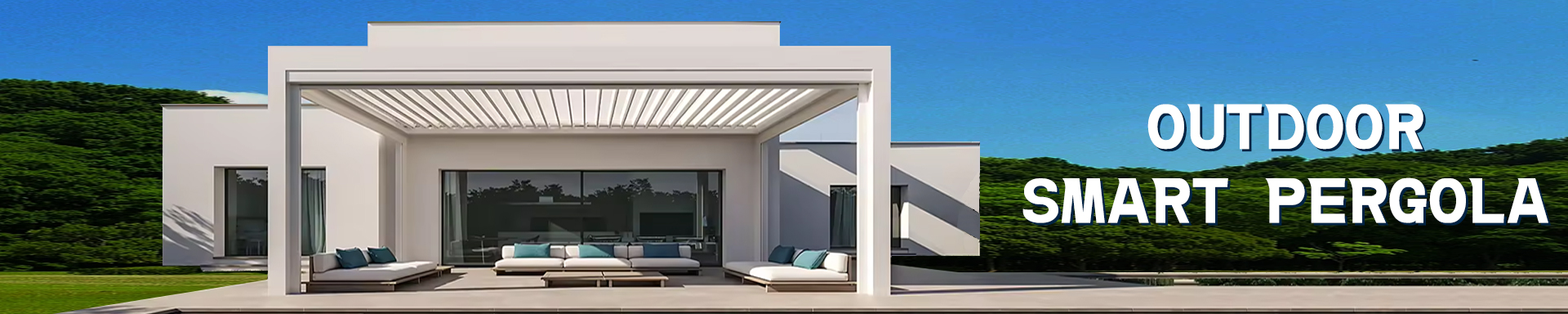
1.Overview of Common Pergola Materials
Selecting the right material for a pergola is crucial for durability, aesthetics, and long-term maintenance. Among the most popular options, aluminum stands out for its lightweight, corrosion-resistant properties, making it ideal for modern outdoor structures. If you’re considering a high-quality Aluminum pergola house, it provides a sleek, low-maintenance alternative to traditional materials, offering longevity without the risk of warping or rusting. Aluminum structures can be powder-coated in various colors, ensuring both protection and visual appeal, while supporting modular designs such as retractable or motorized roofs. In contrast, steel offers superior strength but requires anti-corrosion treatment and heavier footings. Choosing the right material depends on your landscape, climate conditions, and whether the pergola will be freestanding or attached, balancing aesthetics with structural performance.
1.1 Aluminum vs. Steel: Strength and Weight Considerations
When comparing aluminum and steel, weight and handling are critical. Aluminum weighs roughly 1/3 of steel, making installation easier and reducing the need for deep footings, yet it maintains impressive tensile strength. Steel supports higher wind and snow loads but requires thicker posts, stronger anchoring, and regular maintenance to prevent rust. The choice often depends on project scale: a backyard louvered pergola may benefit from aluminum’s lightweight efficiency, whereas commercial structures may require steel for maximum load-bearing capacity. Below is a quick comparison of their key parameters:| Property | Aluminum | Steel |
|---|---|---|
| Density (g/cm³) | 2.70 | 7.85 |
| Corrosion Resistance | Excellent | Moderate (requires coating) |
| Maintenance | Minimal | Regular (painting/coating) |
| Ease of Installation | Easy | Moderate to Difficult |
| Strength | High | Very High |
1.2 Wood Options: Hardwood vs. Softwood Durability
Wood remains a classic pergola material, offering warmth and natural texture. Hardwoods such as teak, cedar, or ipe resist rot, insects, and decay, making them suitable for long-lasting outdoor use. Softwoods like pine or fir are more affordable but require sealing, staining, or pressure treatment to withstand moisture and pests. Proper installation involves leveling posts, precise crossbeam attachment, and regular maintenance every 1–3 years. Wood’s aesthetic versatility allows blending with gardens, patios, and decks, yet its vulnerability to warping and seasonal shrinkage must be carefully managed through planning and protective coatings.1.3 Vinyl and Composite Materials: Weather Resistance and Maintenance
Vinyl and composite materials offer nearly maintenance-free alternatives for pergolas. PVC or composite lumber resists moisture, UV damage, and insect activity, eliminating the need for annual sealing or painting. These materials are lightweight, easy to cut, and can be combined with aluminum supports for hybrid pergola designs. They perform well in extreme climates, maintaining consistent structural integrity even under sun, rain, or snow exposure. For homeowners seeking long-term durability without ongoing upkeep, composites provide a balance between low maintenance and customizable appearance, though they may lack the high-end visual richness of natural wood or the strength of metal frameworks.
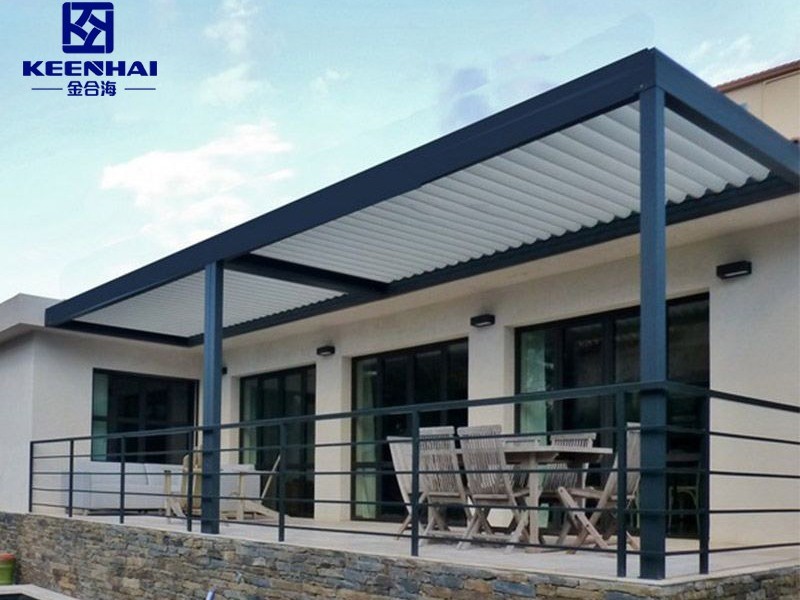
2.Corrosion Resistance and Longevity
When evaluating pergola materials, corrosion resistance directly impacts lifespan and maintenance frequency. Aluminum naturally forms a protective oxide layer, but anodizing or powder coating significantly enhances durability against moisture, salt air, and UV exposure. These treatments allow Aluminum pergola house structures to maintain their finish and structural integrity for decades, even in coastal or high-humidity environments. Choosing coated or anodized aluminum ensures minimal upkeep, reduces the risk of surface pitting, and preserves color vibrancy. Regular inspection every 2–3 years is recommended to check for scratches or coating damage, which can be easily touched up with compatible paints. For aluminum motorized or automated pergolas, proper coating prevents corrosion from motor housing exposure, ensuring smooth operation over time.2.1 Aluminum Coatings and Anodizing Effects
Aluminum pergolas benefit from anodizing, which thickens the natural oxide layer, creating exceptional resistance to corrosion and scratches. Powder coating further protects aluminum, providing a uniform, weatherproof surface that withstands sunlight, rain, and temperature changes without fading. Installation considerations include:-
Ensuring all cut edges are sealed with a compatible primer to prevent localized corrosion.
-
Avoiding direct contact with dissimilar metals, which can cause galvanic corrosion.
- Selecting high-quality fasteners and hardware rated for outdoor aluminum structures.
2.2 Steel Treatment Options: Galvanization and Powder Coating
Steel offers unmatched structural strength but requires proactive corrosion protection. Hot-dip galvanization coats steel with zinc, forming a sacrificial layer that prevents rust for decades, while powder coating adds UV and moisture resistance and improves aesthetics. Installation involves:-
Inspecting the galvanized coating for any scratches or damage before assembly.
-
Using stainless or coated fasteners to maintain corrosion resistance.
- Avoiding prolonged water pooling near footings, which accelerates rusting.
2.3 Wood Treatment: Sealants, Stains, and Rot Prevention
Wood remains a popular pergola material for aesthetic appeal, but its longevity depends on proper treatment. Hardwoods like teak and cedar resist decay naturally, yet applying water-repellent sealants and UV-resistant stains extends lifespan. Softwoods require pressure treatment or chemical preservatives to resist rot and insect damage. Installation steps include:-
Sealing all cut edges immediately to prevent moisture ingress.
-
Applying two coats of stain or sealant to exposed surfaces, reapplying every 1–2 years.
- Ensuring drainage around posts to prevent standing water at the base.
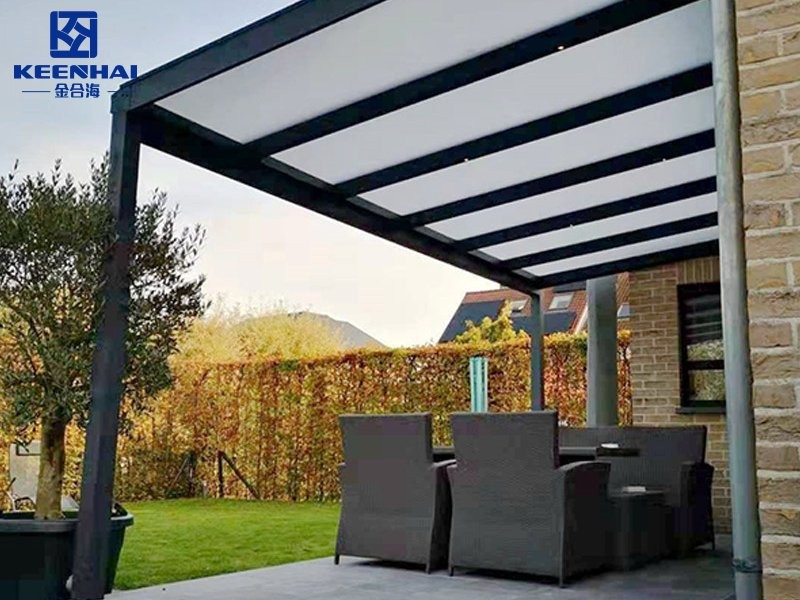
3.Maintenance Requirements by Material
Proper maintenance ensures that pergolas retain their structural integrity and aesthetic appeal over time. Aluminum structures, including Aluminum pergola house, require minimal upkeep compared to wood or steel. Regular cleaning with mild soap and water, coupled with a soft-bristled brush or microfiber cloth, removes dirt, pollen, and debris without damaging coatings. For automated or motorized components, periodically inspect tracks and moving parts for debris accumulation to maintain smooth operation. Routine checks every 6–12 months prevent corrosion, scratches, or coating degradation, ensuring longevity and performance.3.1 Cleaning and Surface Care for Aluminum
To preserve aluminum finish and prevent premature wear, follow these steps:-
Rinse the structure thoroughly with water to remove loose dirt.
-
Apply a solution of mild soap and water with a non-abrasive sponge.
-
Rinse completely and dry using a soft cloth to prevent water spots.
- Inspect for scratches or chipped coatings, and touch up with manufacturer-approved paint if necessary.
3.2 Wood Refinishing and Protective Measures
Wood pergolas need consistent care to resist rot, UV damage, and insect activity. Apply high-quality sealants or stains every 12–18 months to protect surfaces. Installation tips for maintenance:-
Remove dirt and mildew using a mild detergent or wood cleaner before refinishing.
-
Sand any rough spots or peeling finishes to ensure sealants adhere properly.
-
Check for splits, cracks, or insect damage at least twice a year, especially at post bases.
- Maintain proper drainage around posts to prevent standing water, which accelerates decay.
3.3 Vinyl and Composite Panels: Minimal Upkeep Practices
Vinyl and composite pergolas are valued for low-maintenance convenience. They resist rot, warping, and insect damage, and typically require only occasional cleaning with water and mild detergent. Steps include:-
Rinse surfaces periodically to remove dust and pollen.
-
Use a soft brush to clean textured or grooved panels where debris can collect.
-
Inspect fasteners for looseness and tighten if necessary.
- Avoid abrasive cleaners or harsh chemicals to prevent surface scratching.
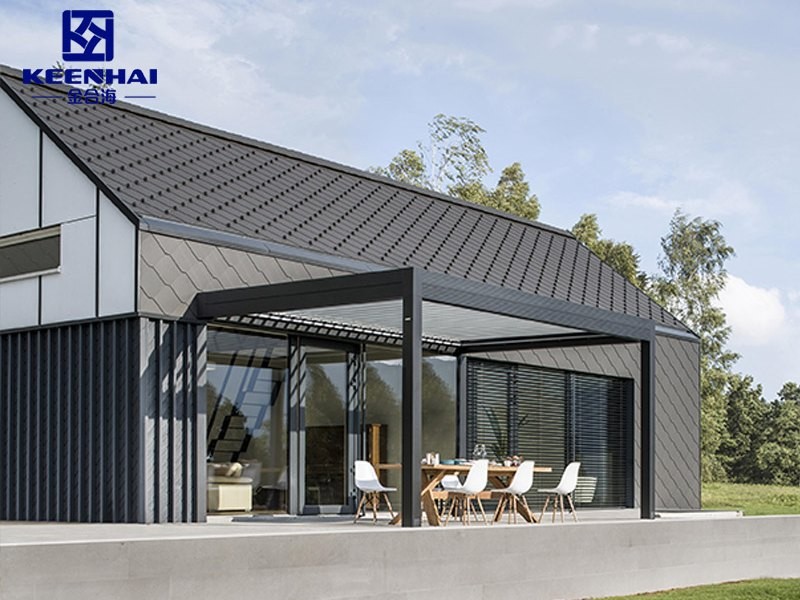
4.Cost Analysis and Lifespan Comparisons
Understanding the balance between upfront costs and long-term value is crucial when selecting an aluminum pergola house or any pergola system. Initial expenses vary widely based on material choice, size, and complexity of installation, but choosing the right material can reduce maintenance and replacement costs over time. For instance, aluminum structures like Aluminum pergola house have higher initial costs than vinyl but offer superior durability and almost zero risk of rot, rust, or insect damage. Accurate budgeting includes not just materials and labor but also accessories like retractable roofs or louvered panels.4.1 Initial Material Costs and Installation Considerations
When planning the investment, it helps to compare costs across common pergola materials:| Material Type | Average Cost per Square Foot | Installation Complexity | Notable Notes |
|---|---|---|---|
| Aluminum | $30–$55 | Medium | Lightweight, low-maintenance, corrosion-resistant |
| Wood (Hardwood) | $25–$50 | High | Natural appearance, needs periodic refinishing |
| Vinyl / Composite | $20–$40 | Medium | Low-maintenance, weather-resistant, limited color options |
| Steel | $35–$60 | High | Extremely strong, requires coating to prevent rust |
Installation factors include site preparation, foundation work, and assembly time, which can vary significantly depending on whether posts are anchored into concrete or using modular base plates. Proper planning ensures cost predictability and prevents overruns.