
1. Material Comparison
1.1 Aluminum Pergola Material Properties
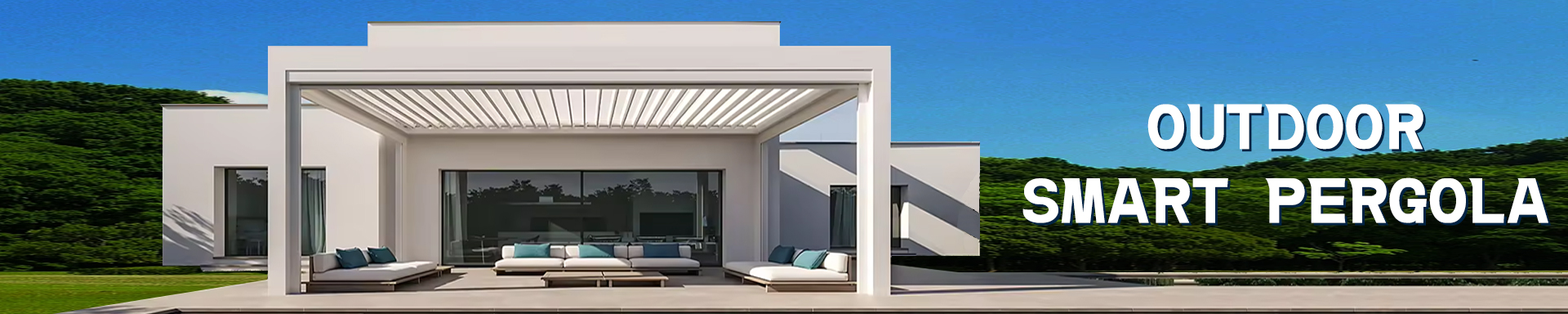
Aluminum pergolas are renowned for their lightweight yet strong structure, making them ideal for both residential and commercial outdoor spaces. The main frame is typically made from high-grade aluminum alloy, which resists rust, corrosion, and warping even in humid or coastal environments. Powder-coated finishes enhance durability while providing a sleek, modern appearance.For instance, many homeowners opt for an Aluminum Pergola to create a patio cover that withstands heavy rainfall and intense sun without fading. Aluminum balcony pergolas can be easily installed over small terraces, offering shade without overloading the balcony structure. Similarly, Aluminum louvered roof gazebos allow adjustable sunlight control, making outdoor gatherings comfortable year-round. Aluminum automated pergolas bring in the convenience of motorized operation for roofs and louvers, ideal for high-end residential designs.
1.2 Bamboo Pergola Material Properties
Bamboo pergolas offer a natural, tropical aesthetic and are favored for eco-conscious landscaping. Bamboo is lightweight and renewable, yet surprisingly strong when properly treated. Modern bamboo pergolas undergo chemical and UV treatments to resist insect attacks, mold, and decay. Unlike aluminum, bamboo requires more frequent maintenance, including oiling and sealing, especially in wet climates.Bamboo’s organic texture blends seamlessly into gardens and backyard landscapes, creating a warm and inviting environment. While bamboo is generally less durable than aluminum, it provides a sustainable and visually striking alternative for patios, garden paths, or poolside lounges. Unlike metal options, bamboo can be trimmed and shaped more easily to fit customized designs, giving designers more flexibility in organic layouts.
1.3 Durability and Weather Resistance Comparison
| Feature | Aluminum Pergola | Bamboo Pergola |
|---|---|---|
| Rust/Corrosion Resistance | Excellent; withstands coastal and humid conditions | Poor without chemical treatment; prone to rot in wet areas |
| Weight | Lightweight yet strong | Light, but structural strength varies by bamboo type |
| Lifespan | 20+ years with minimal maintenance | 5–10 years depending on care and climate |
| UV Resistance | High with powder-coated finish | Moderate; needs regular treatment |
| Insect/Mold Resistance | Excellent | Requires chemical treatment or natural oils |
Aluminum pergolas clearly outperform bamboo in terms of longevity, resistance to weather extremes, and maintenance convenience. For example, an Aluminum pergola house installed in a coastal backyard can retain its finish and structure for decades, whereas a bamboo structure in the same location may require frequent repairs or replacements. Homeowners looking for a durable, low-maintenance, and modern outdoor solution usually choose aluminum, while bamboo appeals to those prioritizing natural aesthetics and sustainability over longevity.
2. Cost and Installation
2.1 Aluminum Pergola Pricing Overview
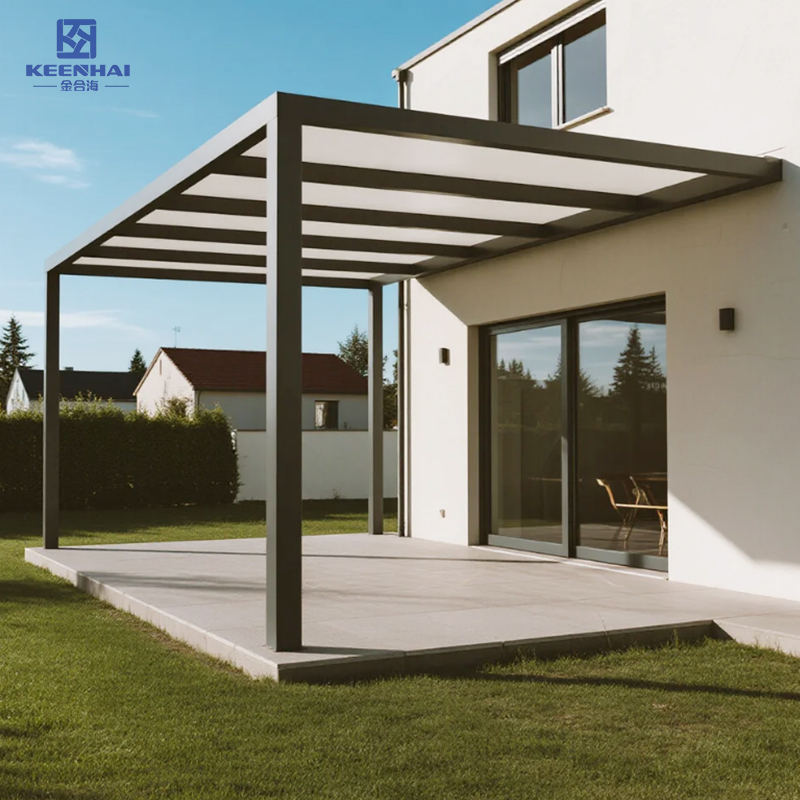
The price of an Aluminum Pergola depends on size, design, and additional features like louvered roofs or automated systems. Standard freestanding models start around $2,500–$4,000 for a 10×10 ft setup, while larger custom installations with motorized louvers can reach $7,000–$12,000. Powder-coated finishes, integrated LED lighting, and retractable roofs increase the cost but also significantly improve longevity and outdoor comfort.For example, installing an Aluminum balcony pergola on a 12 ft terrace generally costs $3,000–$4,500, including materials and basic assembly. Choosing a louvered roof version adds roughly $1,200–$2,000, but it allows precise sunlight control and weather protection. Investing in a high-quality aluminum pergola upfront reduces maintenance costs over the years, making it more cost-effective than frequent bamboo replacements.
2.2 Bamboo Pergola Pricing Overview
Bamboo pergolas are generally less expensive initially but have a shorter lifespan and higher maintenance costs. A 10×10 ft bamboo pergola typically costs $1,200–$2,000, depending on bamboo type, treatment, and craftsmanship. Treated bamboo that resists insects and rot can push prices closer to $2,500.Installation and upkeep costs must be considered: untreated bamboo exposed to rain or high humidity requires annual sealing and oiling, and certain regions may require replacing structural poles every 5–7 years. Although the upfront cost is lower than aluminum, the cumulative expense over a decade can surpass a durable aluminum pergola, especially in climates with heavy rainfall or strong UV exposure.
2.3 Installation Complexity and Time Comparison
Installing an aluminum or bamboo pergola involves several steps, but aluminum structures typically require more precision and tools:Aluminum Pergola Installation Steps:
-
Measure and mark the installation area precisely, ensuring level ground.
-
Assemble the frame using pre-drilled aluminum profiles; this usually requires 2–3 people for 10×10 ft sizes.
-
Secure the posts into concrete footings or pre-existing decking with anchors.
-
Attach roof components, whether fixed panels or louvered sections. Motorized roofs require electrical wiring and testing.
-
Apply finishing touches, such as LED lights or retractable fabric shades. Total installation time for a standard freestanding aluminum pergola ranges from 1–3 days, depending on size and complexity.
Bamboo Pergola Installation Steps:
-
Select and treat bamboo poles to prevent rot or insect damage.
-
Lay out the structure and prepare ground anchors or footing posts.
-
Assemble the frame using bolts, ropes, or custom joinery; this is less precise than aluminum assembly but requires careful alignment.
-
Install roofing or cross beams, ensuring proper slope for water drainage.
-
Apply protective sealant for weatherproofing. Installation usually takes 1–2 days for similar dimensions, but maintenance preparation extends ongoing time requirements.
Key Takeaways:
-
Aluminum pergolas demand more initial effort and technical skill, but the result is a rigid, long-lasting structure.
-
Bamboo pergolas are easier to assemble but require ongoing upkeep and careful weather protection.
-
For homeowners seeking long-term reliability with minimal intervention, aluminum remains the superior choice.
3. Design and Aesthetics
3.1 Aluminum Pergola Styles and Finishes
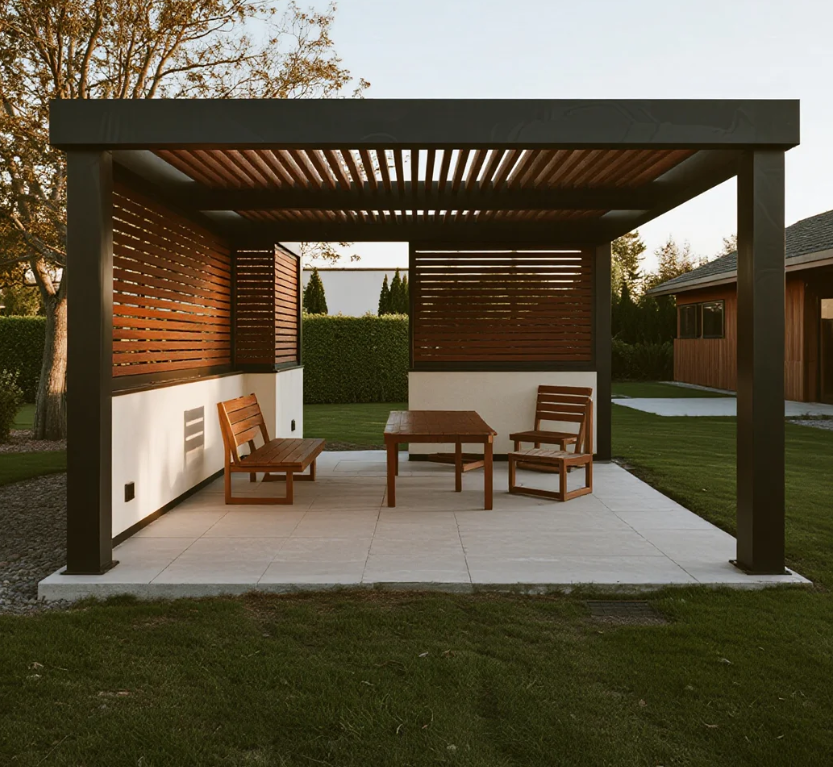
Aluminum pergolas offer a sleek, modern aesthetic that suits both contemporary homes and commercial outdoor spaces. Popular styles include freestanding, attached wall-mounted, and roofed louvered systems, each providing varying levels of sunlight control and coverage. Powder-coated finishes in matte or metallic tones not only enhance visual appeal but also protect against corrosion and fading.For instance, an Aluminum pergola house in a suburban backyard can be customized with a retractable louvered roof, integrated LED lighting, and slim-profile columns to maintain a minimalistic look. Aluminum balcony pergolas can also be painted in complementary colors to match exterior walls, creating a cohesive design without overwhelming the small outdoor area.
3.2 Bamboo Pergola Styles and Natural Appeal
Bamboo pergolas excel in delivering a warm, tropical vibe that blends seamlessly into gardens, patios, or poolside areas. Their organic textures and natural coloration allow designers to create relaxed, inviting outdoor retreats. Common bamboo designs include arched beams, cross-lattice tops, and tiered roofs, all of which emphasize visual harmony with surrounding landscapes.While bamboo lacks the rigid, uniform finish of aluminum, it offers customizable organic shapes that are difficult to replicate with metal. For example, in a lakeside garden, bamboo pergolas can be strategically placed to frame water views or create intimate seating corners, enhancing both aesthetics and functionality. Regular sealing and occasional re-oiling keep the bamboo vibrant while preserving structural integrity.
3.3 Matching Pergola Design with Outdoor Spaces
Selecting the right pergola style involves considering space size, surrounding architecture, and functional needs. Here are practical steps to match a pergola design effectively:-
Assess available space: Measure the patio, terrace, or backyard area to ensure the pergola fits without overcrowding.
-
Determine purpose: Decide if the pergola is for shade, entertaining, or purely decorative.
-
Choose material based on style and maintenance: Aluminum works for modern, low-maintenance spaces, while bamboo suits natural, tropical designs.
-
Integrate complementary elements: Add outdoor furniture, planters, or lighting that aligns with the pergola’s design.
-
Consider visual flow: Ensure the pergola harmonizes with exterior walls, fences, or landscape features for a cohesive look.
Aluminum louvered roof gazebos can enhance multi-functional outdoor areas, providing adjustable shade for dining or lounging zones. In contrast, bamboo pergolas are ideal for organic garden layouts where irregular shapes and textures enrich the overall scenery. By thoughtfully combining material, style, and surrounding elements, homeowners can achieve both aesthetic appeal and practical usability in their outdoor spaces.
4. Maintenance Requirements
4.1 Aluminum Pergola Maintenance Tips
Aluminum pergolas are celebrated for their low-maintenance nature, making them a top choice for homeowners who want durability without frequent upkeep. To keep your Aluminum Pergola looking pristine, follow these practical steps:-
Regular Cleaning: Use a mild detergent mixed with water and a soft brush or cloth to remove dust, pollen, and debris at least once every 2–3 months.
-
Inspect Joints and Fasteners: Every 6 months, check bolts, screws, and connectors to ensure the structure remains tight and secure.
-
Protect Powder-Coating: Avoid abrasive tools or harsh chemicals that may scratch the surface; this preserves both appearance and corrosion resistance.
-
Lubricate Moving Parts: For motorized or louvered roof systems, lightly oil hinges or sliding mechanisms once a year to ensure smooth operation.
Aluminum balcony pergolas benefit from the same routine, and outdoor furniture placed under the structure should also be maintained to prevent stains or scratches that could transfer to the aluminum surface. With minimal effort, an aluminum pergola can maintain a 20+ year lifespan without significant degradation.
4.2 Bamboo Pergola Maintenance Tips
Bamboo pergolas require more attention due to their organic material properties. Proper care ensures longevity while maintaining visual appeal:-
Treat for Moisture and Insects: Apply a water-resistant sealant or natural oil at least once a year to prevent mold and insect damage.
-
Inspect for Splits or Cracks: Regularly examine bamboo poles for cracks, especially after storms or high humidity periods. Replace compromised poles promptly.
-
Clean Gently: Remove dirt and debris with a soft brush; avoid high-pressure washing as it can erode the bamboo surface.
-
Protect Roof Panels: If the pergola has thatched or bamboo slat roofing, periodically tighten bindings and reapply protective coatings to prevent leaks.
Despite these steps, bamboo structures usually last 5–10 years under typical residential conditions. Strategic placement in covered or partially shaded areas can significantly extend durability while preserving its natural charm.
4.3 Longevity and Upkeep Comparison
| Feature | Aluminum Pergola | Bamboo Pergola |
|---|---|---|
| Maintenance Frequency | Low; 2–3 cleanings/year, occasional inspections | High; annual sealing, inspections, and repairs |
| Lifespan | 20+ years | 5–10 years |
| Weather Resistance | Excellent; resists rust, UV, and moisture | Moderate; prone to rot and insect damage without treatment |
| Cost of Upkeep | Minimal | Moderate to high over time |
| Ease of Cleaning | Simple soap and water | Requires gentle handling and special treatments |
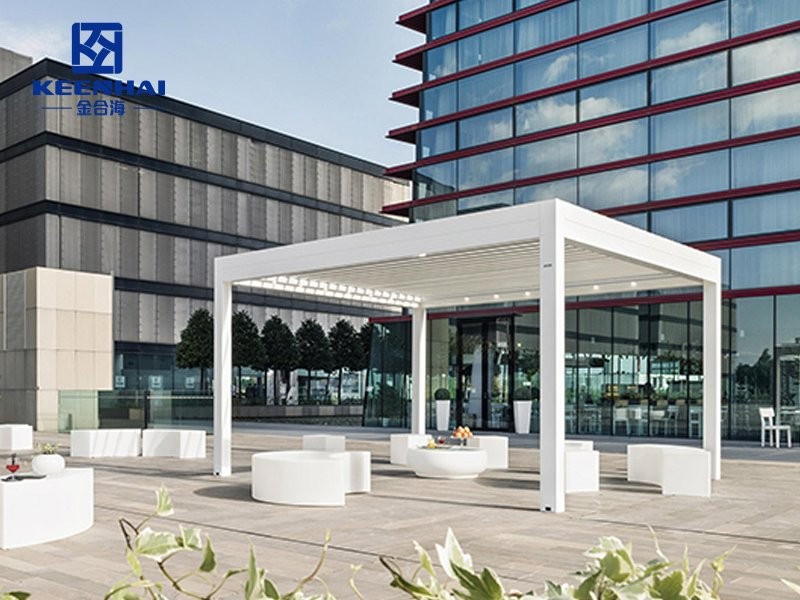
Aluminum pergolas outperform bamboo when it comes to durability and ease of maintenance. For example, an Aluminum louvered roof gazebo installed in a backyard can remain fully functional and visually appealing for decades with only occasional cleaning. Bamboo, while offering unmatched natural aesthetics, demands consistent attention and protective care, which can be time-consuming for homeowners seeking a worry-free outdoor structure.
When deciding between an Aluminum Pergola and a bamboo pergola, the choice ultimately comes down to your priorities for durability, maintenance, and aesthetic appeal. Aluminum provides a long-lasting, low-maintenance solution with modern finishes and versatile design options, while bamboo offers a renewable, natural look that blends beautifully with gardens and tropical settings. Evaluating your outdoor space, usage frequency, and desired lifespan will guide you to the pergola that perfectly matches your lifestyle and design vision.