
1. Factors Influencing Cost Per Square Foot
When calculating the cost per square foot of a Aluminum Solar Carport, several tangible factors directly impact pricing. Frame material, solar panel selection, roof design, and overall carport size are the main drivers, and understanding these elements upfront prevents unexpected expenses and ensures optimal energy performance.
1.1 Aluminum Frame Quality and Grade
The quality and grade of aluminum significantly affect both durability and price. Higher-grade 6000-series aluminum provides superior strength and corrosion resistance compared to 5000-series, which is lighter but less robust. Frames with premium finishes or powder coating add slightly more cost but reduce long-term maintenance.
| Aluminum Grade | Typical Use | Cost Impact | Durability |
|---|---|---|---|
| 5000 Series | Standard carports | Moderate | Moderate corrosion resistance |
| 6000 Series | Premium/custom builds | Higher | Excellent corrosion resistance |
| Custom Alloy | Specialized designs | Highest | Maximum strength and longevity |
Clearly, choosing the right aluminum grade upfront ensures structural stability and long-term savings.
1.2 Solar Panel Type and Efficiency
Solar panels vary widely in cost depending on type and efficiency. Monocrystalline panels are more efficient and compact, ideal for smaller carports, while polycrystalline panels are cost-effective but require more surface area. Panels with higher wattage can increase per-square-foot cost but reduce the total number of panels needed. Selecting the right combination balances energy output with overall installation cost.
For instance, a homeowner installing a Freestanding Solar Aluminum Carport optimized their setup with monocrystalline panels, achieving 25% more energy per square foot without significantly increasing the frame cost.
1.3 Roof Style and Design Complexity
Roof style directly affects both material use and labor costs. Flat roofs are simpler to build and cost less per square foot, while sloped or curved roofs require additional supports, complex framing, and specialized labor. Custom roof angles may improve drainage or aesthetics but increase cost.
For example, integrating a curved roof into a Custom Solar Aluminum Carport added precision labor hours, but the finished structure offered enhanced sunlight capture for the solar panels. Clearly, roof design is a major determinant of cost efficiency versus energy yield.
1.4 Carport Size and Vehicle Capacity
The size of the carport and the number of vehicles it accommodates has a direct linear impact on cost per square foot. A single-car structure uses fewer materials and panels, while multi-car configurations increase aluminum, panel count, and anchoring requirements.
| Carport Type | Vehicles | Approx. Material Area | Cost per Sq Ft Impact |
|---|---|---|---|
| Single-Car | 1 | 200–250 sq ft | Base cost |
| Double-Car | 2 | 350–450 sq ft | +20–30% |
| Multi-Car | 3+ | 500+ sq ft | +40–60% |
Imagine parking two SUVs under a Multi-car Solar Carport in your backyard—the size requires more aluminum, supports, and panels, but maximizes energy generation per installation. Clearly, evaluating your vehicle capacity early prevents costly redesigns later.
2. Material and Labor Breakdown
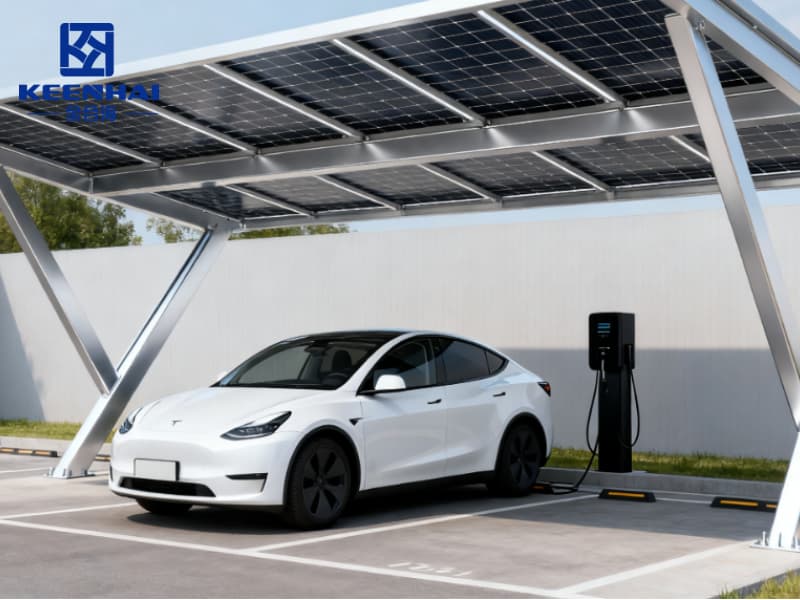
Understanding the breakdown of materials and labor is critical when calculating the cost per square foot of a Aluminum Solar Carport. Every choice, from the frame material to the roof panels and labor hours, directly impacts your overall budget. By analyzing each component, you can make informed decisions without overspending.
2.1 Aluminum Frame Materials vs Steel or Wood Alternatives
Aluminum frames dominate modern solar carports because they balance strength, corrosion resistance, and low weight. Steel offers higher tensile strength but requires more maintenance and rust protection, while wood is aesthetically appealing but less durable and can increase labor costs due to treatment and finishing requirements.
| Material | Durability | Maintenance | Cost per Sq Ft | Pros / Cons |
|---|---|---|---|---|
| Aluminum | High | Low | Moderate | Lightweight, corrosion-resistant |
| Steel | Very High | Medium | Slightly higher | Strong, needs coating to prevent rust |
| Wood | Medium | High | Variable | Natural look, requires regular treatment |
Clearly, aluminum offers the best balance of durability, low maintenance, and long-term cost efficiency.
2.2 Roofing and Mounting Components
Roofing materials for solar carports vary from corrugated metal, polycarbonate sheets, to integrated solar panel mounts. Corrugated aluminum panels are cost-effective and match the frame's longevity, while integrated solar mounts can slightly raise upfront costs but simplify installation and maximize energy capture.
When budgeting, consider:
-
Number of panels required for your desired wattage.
-
Mounting brackets that ensure panel stability during wind or snow loads.
-
Flashing and sealing materials to prevent leaks and protect electronics.
For instance, a freestanding aluminum carport with integrated mounts minimizes long-term maintenance and avoids costly retrofits. Proper selection of roofing and mounting components now prevents future inefficiencies.
2.3 Labor Costs for Installation
Labor accounts for 20–40% of total project cost and varies based on carport complexity, site conditions, and local rates. Pre-fabricated kits reduce labor hours, whereas custom solar aluminum carport designs increase installation time due to unique dimensions and roof styles.
Key factors affecting labor costs include:
-
Foundation preparation – concrete slab versus anchor bolts.
-
Frame assembly – aligning beams, braces, and columns.
-
Panel installation and wiring – ensuring correct tilt, orientation, and inverter connections.
Clearly, investing in skilled labor upfront ensures accurate assembly, optimal energy production, and avoids costly errors later.
3. Cost Comparison: Kit vs Custom Build
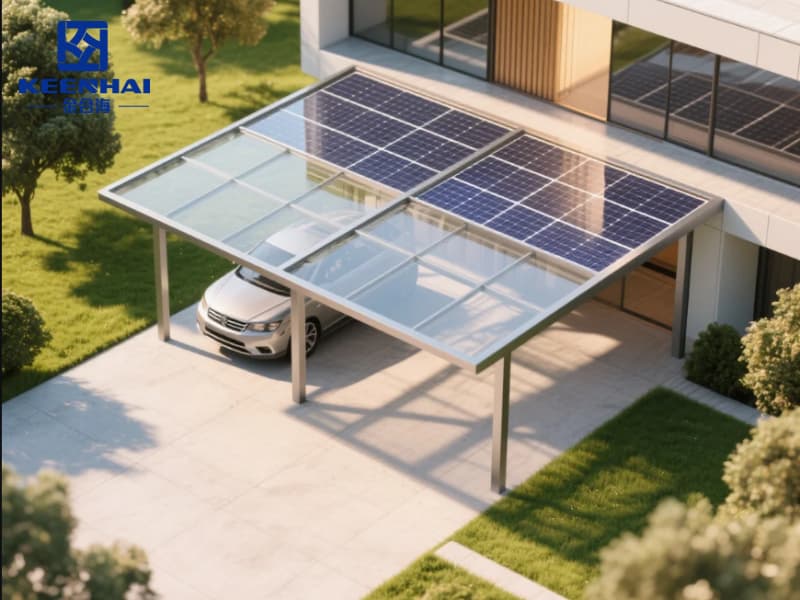
When evaluating Aluminum Solar Carport options, costs vary significantly depending on whether you choose a pre-fabricated kit or a fully custom design. Knowing the price differences upfront helps you plan a budget while ensuring high performance and durability.
3.1 Pre-Fabricated Aluminum Solar Carport Kits
Pre-fabricated kits offer a streamlined solution that minimizes installation time. They come with pre-cut components, standardized frame sizes, and all necessary hardware, which reduces labor and simplifies assembly.
Key considerations:
-
Standard Dimensions – Most kits are built for one or two vehicles. Checking your vehicle dimensions first avoids space issues later.
-
Included Hardware – Kits include bolts, braces, and roof mounts, reducing the need to purchase extra parts.
-
Quick Assembly – Installation typically takes 1–3 days with a small team, making it ideal for homeowners who want efficiency.
For those who want a freestanding solution without extensive customization, kits provide a reliable and cost-effective option. Clearly, kits are best when speed and standard sizing are your main priorities.
3.2 Custom Solar Aluminum Carport Designs
Custom designs allow full control over dimensions, roof style, panel placement, and integration with your property. While custom builds cost more initially, they maximize energy production and visual appeal.
Considerations for a custom design:
-
Roof Style – Choose flat, sloped, or curved roofs, which influence both material usage and installation complexity.
-
Panel Placement – Optimize sunlight exposure and minimize shading throughout the day.
-
Additional Features – Overhangs, storage areas, or built-in lighting increase usability but slightly raise costs.
Custom Solar Aluminum Carports are ideal for homeowners who need a tailored solution that meets exact functional and aesthetic goals. Investing in a custom design guarantees that the carport will serve your unique needs efficiently.
3.3 Multi-Car vs Single-Car Configurations
The number of vehicles a carport can accommodate is a major factor in cost per square foot. Multi-car setups require more structural support, wider roof panels, and additional labor, but they provide extra capacity and flexibility for future needs.
| Configuration | Typical Size | Materials Needed | Labor Intensity | Cost Impact |
|---|---|---|---|---|
| Single-Car | 12–14 ft x 20 ft | Standard aluminum frame | Low | Moderate |
| Multi-Car | 24–28 ft x 20 ft | Extra beams, braces, wider roof panels | High | Higher per sq ft |
Imagine parking two SUVs under a Multi-Car Solar Carport—the space fits perfectly, panels cover maximum area, and installation is straightforward. Clearly, choosing the right configuration directly affects both upfront cost and long-term convenience.
4. Regional and Site-Specific Cost Considerations
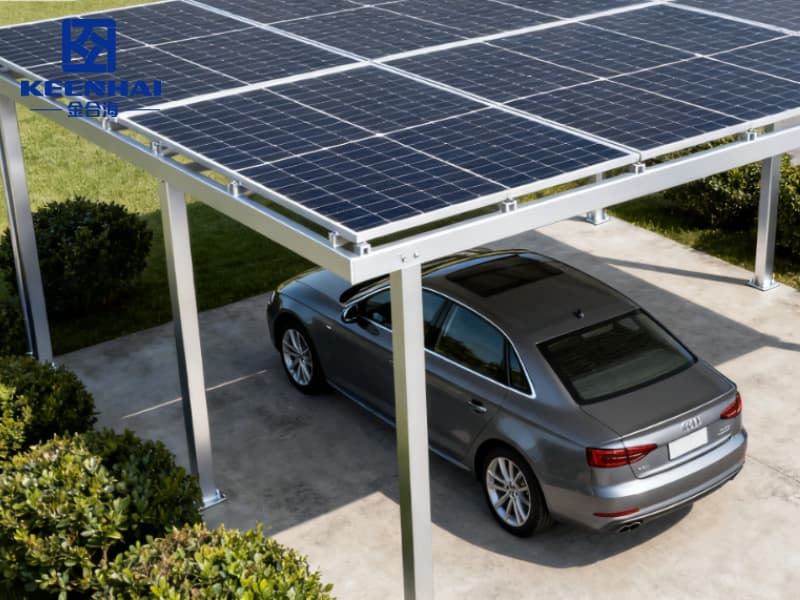
The cost per square foot of a Aluminum Solar Carport isn't fixed—it varies depending on your region and specific site conditions. Understanding these variables early helps avoid budget surprises and ensures a smooth installation.
4.1 Local Labor Rates and Material Availability
Labor costs differ dramatically between regions. Urban areas with high demand may charge 20–40% more per hour than rural locations. Material availability also impacts pricing—if aluminum beams or solar panels need to be shipped long distances, expect added costs.
Tips to manage expenses:
-
Compare at least 3 local contractors to find competitive rates.
-
Check nearby suppliers for roof panels, anchors, and mounting hardware.
-
Factor in delivery times—longer waits can push up labor charges.
Clearly, scouting for local materials and labor options first prevents hidden costs from inflating your budget.
4.2 Ground Preparation and Foundation Requirements
Site conditions can shift your budget considerably. Uneven terrain, rocky soil, or poor drainage requires additional excavation, leveling, or concrete footings.
Typical steps:
-
Excavate to remove loose soil or debris.
-
Level the site using compactors and laser levels.
-
Pour concrete footings or install anchor plates to secure the frame.
The cost difference can be substantial: a flat, prepped backyard might cost $10–$15 per sq ft, whereas challenging terrain can push that over $20–$25. Clearly, understanding your ground conditions upfront saves both money and frustration.
4.3 Permitting or Utility Connection Expenses
Even small installations may require permits or utility coordination for solar integration. Fees vary by municipality and utility company:
-
Permitting: $100–$500 depending on structure size.
-
Utility connections: If connecting to the grid or installing a new meter, additional $200–$600 may apply.
-
Inspection requirements: Some cities mandate post-install inspection, which can add a few hours of labor.
Budgeting for these site-specific costs ensures you won’t face delays or unexpected charges during installation.
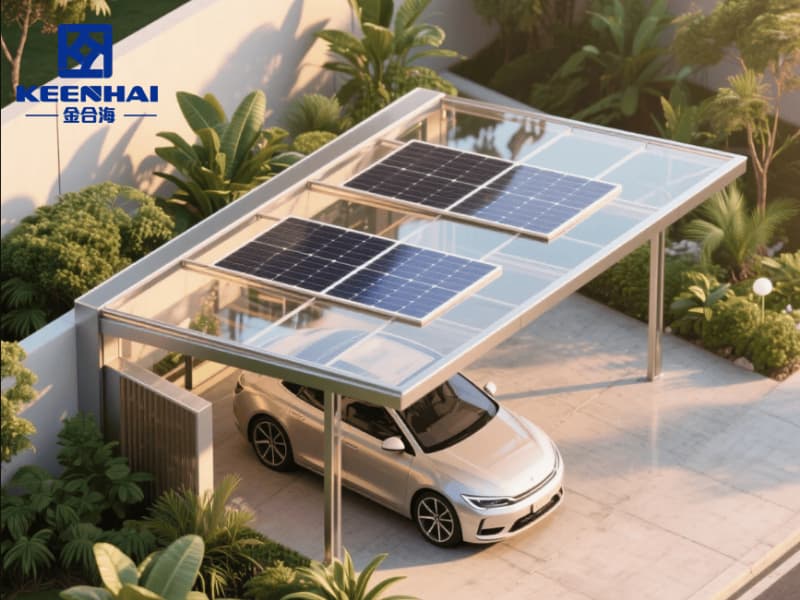
5. Calculating Your Total Cost Per Square Foot
Determining the total cost per square foot for a Aluminum Solar Carport goes beyond just material prices. A clear calculation accounts for labor, foundation, solar panels, and even long-term maintenance. Accurate estimates now prevent budget surprises later.
5.1 Step-by-Step Cost Estimation Process
To get a realistic number, follow these steps:
-
Measure the Carport Area – Multiply length by width to get square footage.
-
Add Material Costs – Include aluminum frame, roof panels, anchors, and solar panels.
-
Include Labor Charges – Factor in installation time, hourly rates, and regional labor variations.
-
Factor Site-Specific Expenses – Ground preparation, permits, utility hookups, and any grading.
-
Sum and Divide – Total all costs and divide by square footage to get the per sq ft price.
Accurately estimating each component first ensures your per square foot calculation reflects the real investment.
5.2 Tools and Resources for Accurate Calculation
Reliable tools make a big difference:
-
Online calculators for carport sizing and solar output.
-
Material supplier quotes for aluminum beams, panels, and roofing.
-
Contractor bids to gauge labor and local fees.
For a large Multi-car Solar Carport, comparing several bids and tools helps refine costs without overpaying. Clearly, using multiple resources improves accuracy and confidence in your budget.
5.3 Adjusting for Long-Term Maintenance and Efficiency
Cost per square foot isn’t static—it changes over time. Consider:
-
Maintenance – Aluminum frames need minimal upkeep, but roof panels may require occasional cleaning.
-
Solar Efficiency – High-efficiency panels may cost more upfront but reduce energy expenses over the years.
-
Insurance or Warranty – Some installations carry extra coverage that impacts long-term cost.
Factoring these long-term elements ensures your calculation isn’t just accurate now but sustainable for years.