
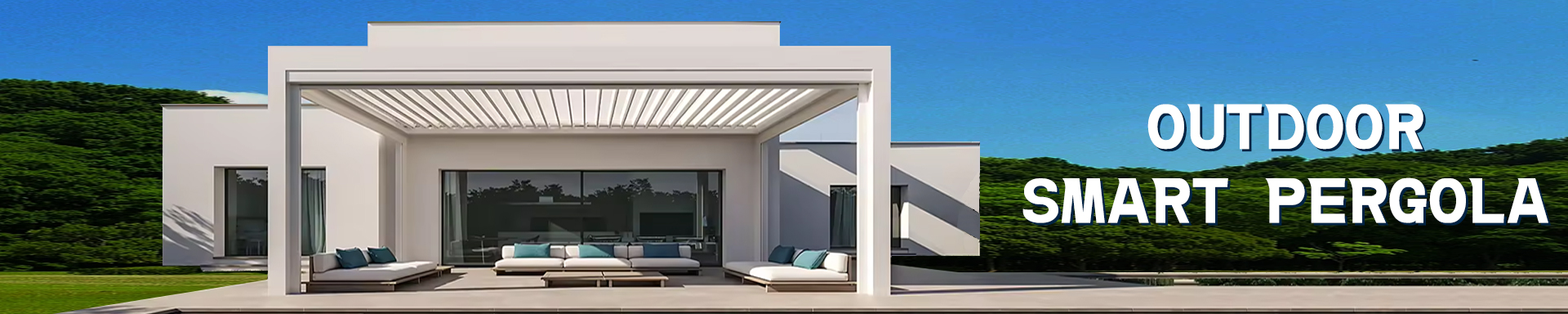
1. Factors Influencing Bioclimatic Pergola Prices
When planning a Bioclimatic Pergola for your backyard, terrace, or poolside area, several key factors directly impact the total cost. Material choice, size, automation, and roof design are the main drivers. Additionally, installation conditions, local labor rates, and optional features like integrated sunshades influence pricing. For instance, a pergola installed on uneven terrain or near a pool may require extra structural support, increasing overall costs.
A homeowner in Florida installed a 12x12 ft Bioclimatic Pergola on a slightly sloped backyard. Because of extra aluminum reinforcements and high-grade finish, the final price was around $9,200, whereas a similar unit on flat land averaged $7,500.
1.1 Materials and Build Quality
The materials used in a Bioclimatic Pergola define both durability and cost. Common options include aluminum, wood, and composite materials:
| Material Type | Durability | Maintenance | Typical Price per Sq.Ft |
|---|---|---|---|
| Aluminum | Very High | Low | $50–$120 |
| Wood (Teak) | High | Medium | $60–$130 |
| Composite | Medium | Low | $55–$110 |
Aluminum is widely favored because it resists rust, requires minimal upkeep, and supports motorized features effectively. For homeowners seeking additional shade control in sunny areas, adding an Aluminum pergola sunshade can improve comfort while slightly increasing upfront costs. Wood options, while visually warm, often demand yearly maintenance, which can add to long-term expenses.
A poolside pergola in Arizona made from powder-coated aluminum required no annual painting, offering a 20% savings in maintenance over wood alternatives.
1.2 Size and Dimensions
Size plays a critical role in pricing. Larger pergolas require more materials and structural reinforcement, especially if they incorporate motorized louvers or are installed on elevated terraces. Typical cost ranges by size:
-
Small residential pergolas (up to 100 sq.ft): $5,000–$8,000
-
Medium backyard pergolas (100–200 sq.ft): $8,000–$12,000
-
Large or commercial pergolas (200+ sq.ft): $12,000–$25,000
A 14x14 ft Bioclimatic Pergola on a rooftop terrace needed extra steel supports to meet local wind-load codes, raising the price by about $1,200 compared to a ground-level installation. Medium-sized pergolas typically balance cost and functionality, offering comfortable seating areas without excessive material use.
1.3 Automation and Motorized Features
Automation adds convenience and influences price significantly. Motorized louvers, remote controls, and rain sensors enhance usability but increase upfront investment.
-
Motorized Louvers: Allow precise sun control and automatic adjustments based on sunlight or rain.
-
Remote Controls: Enable easy operation from anywhere in the outdoor space.
-
Sensors: Protect the pergola from rain and wind, automatically closing the roof when necessary.
Adding these features to a balcony or poolside aluminum pergola may raise costs, but the investment ensures year-round usability and minimal manual effort. For example, a 12x12 ft motorized unit added roughly $2,000 to the base price due to louver motors and integrated sensors.
1.4 Roof Type and Louver Mechanism
The roof design and louver mechanism determine both functionality and price. Fixed roofs are the simplest and cheapest, while adjustable louver systems allow dynamic sunlight control and ventilation.
-
Manual Louvers: Affordable but require physical adjustment, suitable for small areas.
-
Motorized Louvers: More expensive but provide automated shading and rain protection.
-
Integrated Drainage: Some designs include built-in gutters to channel rainwater, slightly increasing cost but preventing water pooling.
A commercial terrace used a Bioclimatic Pergola with motorized louvers and integrated drainage. The automation added $2,500 to the base cost, but it allowed full use even during light rain, increasing the space’s functionality and value.
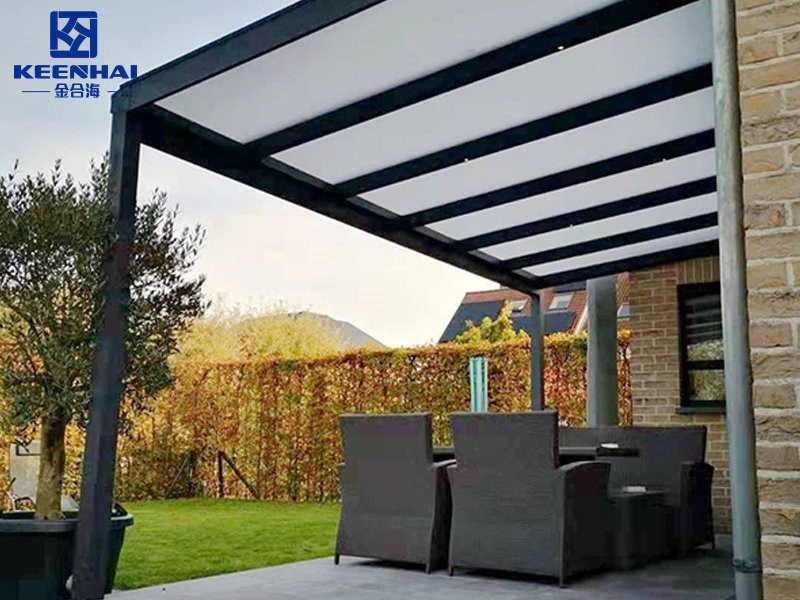
2. Average Price Ranges for Different Pergola Types
Bioclimatic Pergola pricing varies considerably depending on the type, size, and customization level. Understanding these ranges helps homeowners and commercial clients plan budgets more accurately and compare options without guessing. High-quality aluminum structures tend to have more consistent pricing due to standardized materials and finishes, while wood or composite options fluctuate with seasonal supply and local labor costs.
2.1 Small Residential Bioclimatic Pergolas
Small units, typically under 100 sq.ft, suit compact patios, balcony corners, or intimate garden areas. Prices usually range from $5,000 to $8,000, depending on material quality and whether motorized louvers are included.
Aluminum remains the most popular choice for durability and low maintenance. A 10x10 ft aluminum Bioclimatic Pergola with manual louvers generally costs around $5,500, while the same size with motorized louvers and powder-coated finish can reach $7,800. For very sunny areas, pairing with an Aluminum balcony pergola provides efficient shade without raising maintenance costs.
When preparing for installation, consider:
-
Confirming flat, stable ground to minimize foundation work.
-
Measuring accurately to ensure the pergola fits the intended space.
-
Deciding if additional anchoring is necessary for high wind areas.
2.2 Medium-Sized Pergolas for Backyards
Medium-sized pergolas, roughly 100–200 sq.ft, are ideal for standard backyard seating or outdoor dining areas. Prices typically range $8,000 to $12,000, reflecting larger material use and additional structural support.
For example, a 12x14 ft Bioclimatic Pergola with motorized louver adjustment and integrated gutter system averages $10,500. Aluminum units are preferred because they resist corrosion and support motorized features without sagging. If you want adjustable sun protection across different backyard angles, combining with an Aluminum pergola sunshade can optimize comfort without overhauling the structure.
Installation steps usually include:
-
Leveling the installation area and preparing concrete footings.
-
Assembling the pergola frame according to manufacturer specifications.
-
Installing motorized louvers and testing automated functions.
-
Connecting optional drainage and sunshade accessories.
2.3 Large or Commercial Bioclimatic Pergolas
Large pergolas, exceeding 200 sq.ft, or those for commercial use, cost between $12,000 and $25,000, influenced by size, load requirements, and automation complexity. For restaurants, hotel terraces, or event spaces, durable aluminum structures with high-grade powder coating are standard to handle frequent use and weather exposure.
14x20 ft motorized units often include reinforced beams and rain sensors, adding roughly $3,000–$4,500 to the base cost. Large projects may also require professional engineering checks to comply with local wind-load and safety regulations. Structurally, these units need:
-
Reinforced anchoring points.
-
Additional lateral supports for wider spans.
-
Testing of motorized louver systems under full load.
2.4 Custom or Premium Designs
Custom or premium Bioclimatic Pergolas allow complete personalization, including bespoke dimensions, colors, integrated lighting, or smart automation. Prices for these can start around $15,000 and exceed $30,000 for fully automated, commercial-grade setups.
Clients often opt for combined solutions, such as a poolside aluminum pergola with motorized louvers and retractable sunshade, which balances aesthetics, function, and durability. If motorized features are added along with premium finishes, installation may include:
-
Designing structural reinforcements for unusual dimensions.
-
Integrating sensors and smart control systems.
-
Applying high-end finishes like anodizing or custom paint.
Premium units are particularly valuable in high-end residential or commercial projects because they maximize usability in all weather while enhancing outdoor aesthetics, making them an investment rather than just a functional addition.
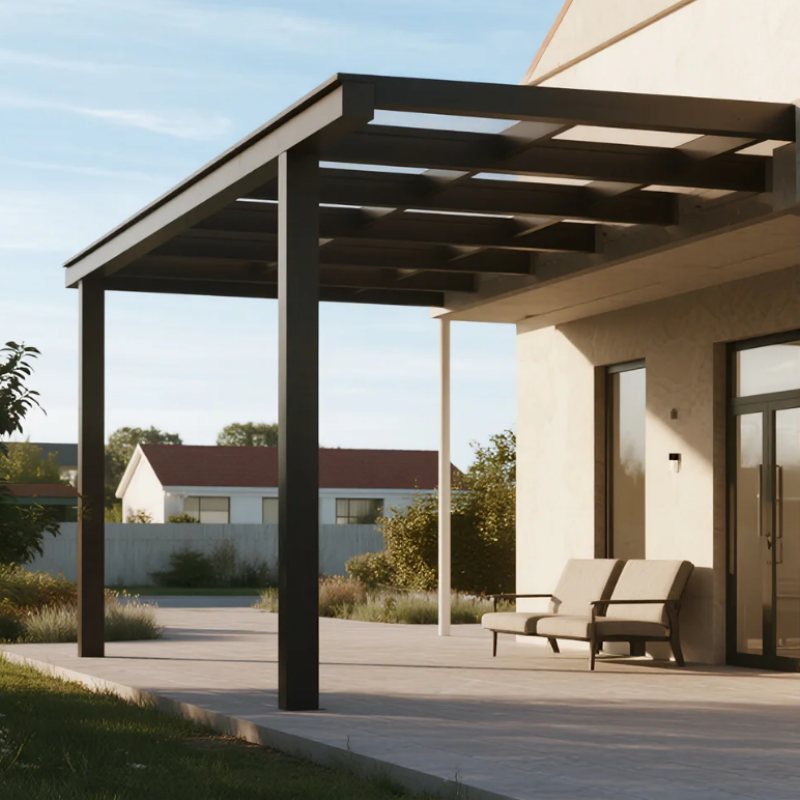
3. Installation Costs and Considerations
Installing a Bioclimatic Pergola involves several cost components beyond the base unit. Prices vary depending on whether you hire professionals or attempt a DIY approach, the complexity of site preparation, regional labor rates, and additional installation accessories. Proper planning can prevent delays and unexpected expenses while ensuring the structure performs as intended under all weather conditions.
3.1 Professional Installation vs DIY
Choosing between professional installation and DIY significantly impacts both cost and quality. Professional installation guarantees compliance with safety and structural standards, particularly for motorized or large units. Typical cost ranges for professional setups:
-
Small residential pergolas: $800–$1,500
-
Medium backyard units: $1,200–$2,500
-
Large or commercial pergolas: $2,500–$5,000
DIY installations reduce upfront labor costs but require:
-
Precise measurement and leveling of the installation site.
-
Handling heavy aluminum or composite beams safely.
-
Proper wiring and calibration for automated louver systems.
Without careful execution, DIY projects can lead to misaligned louvers, drainage issues, or structural instability, ultimately increasing maintenance costs. For small terraces, DIY may be feasible, but for units with motorized louvers or rooftop installations, professional help is strongly recommended.
3.2 Site Preparation and Foundation
Site preparation directly affects both the cost and longevity of the pergola. Uneven or sloped terrain typically requires graded footings or reinforced concrete pads, adding $300–$1,000 depending on size.
Key steps include:
-
Clearing the area of debris, vegetation, or old structures.
-
Measuring and marking foundation points accurately.
-
Pouring concrete or installing anchoring plates to ensure stability.
-
Allowing proper curing time before erecting the pergola frame.
For backyard terraces or poolside areas, reinforced aluminum footings or anti-corrosion anchors improve durability and reduce long-term maintenance. These extra precautions are particularly important in regions with high rainfall or strong winds.
3.3 Labor Costs by Region
Labor rates vary significantly depending on local markets. In urban areas with high demand, installation labor can be 20–40% higher than in suburban or rural regions. Typical hourly rates for professional installers range from $45–$90/hour in the US, while European cities often charge €35–€75/hour.
Large commercial or rooftop projects may also require multiple installers and specialized equipment, driving costs up to $5,000 for a single unit. Including travel fees, equipment rental, and peak-season surcharges ensures the project stays on budget.
3.4 Additional Installation Accessories
Additional accessories can enhance functionality but increase installation costs. Common extras include:
-
Integrated drainage systems to channel rainwater efficiently.
-
Anchoring kits and brackets for uneven or elevated surfaces.
-
Electrical wiring and smart control integration for motorized louvers.
-
Optional sunshades or side panels to maximize comfort and privacy.
For instance, combining a backyard aluminum sunshade with a mid-sized pergola ensures full sun coverage and reduces heat accumulation under the roof. These enhancements can add $500–$1,500 to the total project cost, but they improve usability and long-term satisfaction.
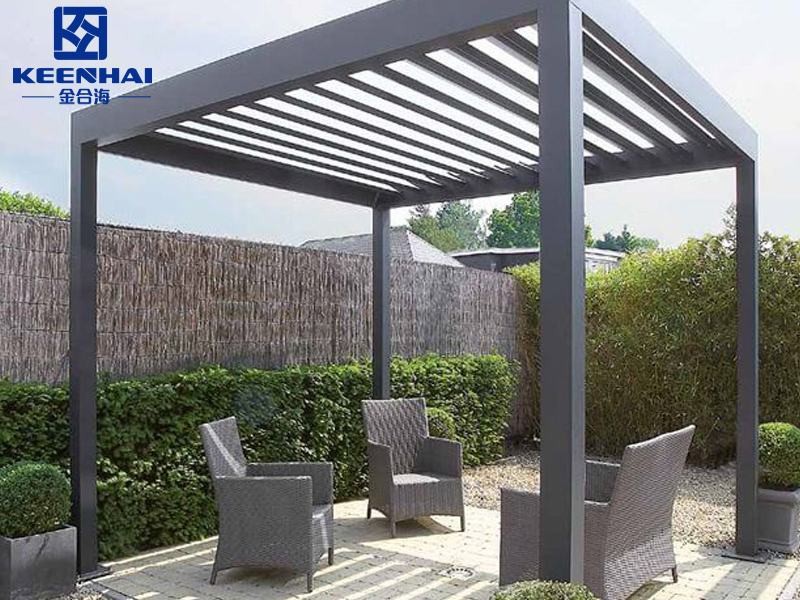
4. Maintenance and Long-Term Costs
Maintaining a Bioclimatic Pergola properly ensures it lasts for decades and continues to function smoothly. Ignoring routine maintenance can lead to costly repairs, reduced automation efficiency, and accelerated material wear, especially for aluminum and motorized components. Understanding cleaning schedules, motor servicing, and seasonal adjustments helps homeowners predict long-term costs more accurately.
4.1 Cleaning and Routine Maintenance
Regular cleaning preserves both aesthetics and functionality. Aluminum surfaces generally require low-maintenance care, while wood or composite finishes may need protective coatings. Key maintenance tasks include:
-
Washing the frame with mild soap and water every 2–3 months to remove dust and debris.
-
Inspecting joints and fasteners for corrosion or loosening.
-
Lubricating moving louver parts with recommended oils once or twice a year.
-
Checking for mold or mildew in humid climates and treating affected areas promptly.
A small backyard aluminum pergola typically requires 1–2 hours of maintenance quarterly, whereas larger or commercial units may require a full day for comprehensive checks. Regular attention reduces the risk of long-term damage and maintains the pergola’s visual appeal.
4.2 Motor and Automation Servicing
Motorized components require periodic servicing to maintain smooth operation and prevent costly replacements. Typical servicing includes:
-
Inspecting the motor and louver tracks for dirt accumulation or wear.
-
Tightening electrical connections and checking the control system.
-
Testing sensor responses, including rain and wind sensors, to ensure proper automation.
-
Replacing worn gears or drive belts as needed, usually every 3–5 years depending on usage.
High-use commercial units may need bi-annual inspections, while residential setups often require annual checks. Automated backyard units with integrated sunshades benefit from professional maintenance, especially when exposed to direct sunlight or salty air near pools or coastal areas.
4.3 Weather Protection and Seasonal Adjustments
Weather significantly affects long-term costs. Aluminum resists corrosion, but extreme heat, snow, or heavy rainfall can stress louvers and structural connections. Seasonal adjustments help maintain safety and performance:
-
Closing louvers during heavy storms to prevent water pooling or wind damage.
-
Applying protective coatings before winter to reduce frost or corrosion effects.
-
Removing leaves, debris, and dust accumulated on the roof during fall.
-
Inspecting anchoring points after severe weather events to ensure stability.
Proper seasonal care reduces the risk of long-term damage and can save hundreds of dollars in potential repairs. For instance, pergolas with integrated motorized sunshades need minimal intervention but should still undergo visual inspection after storms to ensure sensor and louver performance.
Investing in a Bioclimatic Pergola requires understanding that prices vary widely based on size, materials, automation, and installation specifics. By evaluating your space, desired features, and long-term maintenance needs, you can accurately plan a budget that matches both comfort and durability. Choosing the right balance ensures your outdoor area remains functional and stylish for years without unexpected costs.