
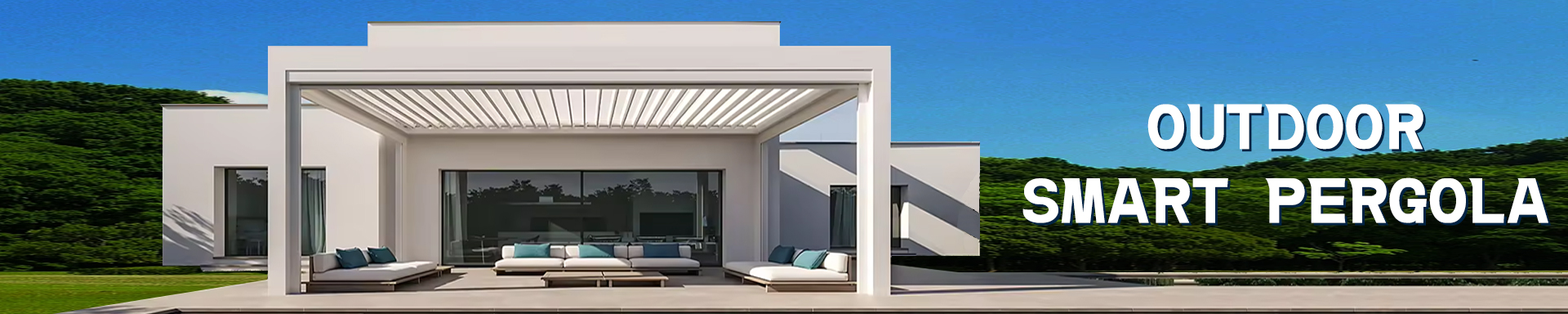
1. Factors Affecting the Cost of an Aluminum Heavy Carport
Understanding what drives the cost of an Aluminum Heavy Carport can save you money and prevent surprises during installation. Prices aren’t random—they’re influenced by materials, size, design, and extra features. Making smart choices early ensures your carport fits both your budget and your property’s needs.
1.1 Material Quality and Grade
The aluminum alloy you choose is the biggest factor affecting cost. Premium alloys offer higher strength, corrosion resistance, and longer lifespan, which is crucial if you live in areas with heavy rain, snow, or salty air. For example, a T6 aluminum frame can last decades without rusting, whereas a lower-grade alloy may warp or corrode faster.
Other materials, like brackets, fasteners, and roof panels, also affect pricing. A powder-coated finish adds protection and a sleek look but slightly increases costs. Choosing cheaper materials may save upfront money but can result in maintenance headaches later.
You can see examples of durable, high-quality options on this Aluminum Heavy Carport page, which shows how premium alloys and finishes translate into long-lasting structures.
1.2 Size and Dimensions
Size impacts cost directly—larger carports need more aluminum, support beams, and labor. A single-car carport is usually much cheaper than a double-car or triple-car model.
| Size Type | Typical Width (ft) | Typical Length (ft) | Estimated Cost (USD) |
|---|---|---|---|
| Single-Car | 10–12 | 18–20 | 1,200–2,500 |
| Double-Car | 18–20 | 18–20 | 2,500–5,000 |
| Triple-Car | 24–30 | 20–22 | 5,000–8,000+ |
For tighter spaces, a Custom Aluminum Carport can maximize coverage without wasting materials. This approach ensures the carport fits your property perfectly while controlling costs. Check out Custom Aluminum Carport options to see how tailored dimensions affect pricing.
1.3 Roof Style and Design Features
Roof type plays a big role in cost and durability. Options include:
-
Flat Roofs – Simple, budget-friendly, ideal for small yards.
-
Gable Roofs – Better water runoff and snow management; slightly higher cost.
-
Sloped or Arched Roofs – Modern look with strong weather protection; custom fabrication increases price.
Additional features like gutters or skylights can further increase costs. Many homeowners opt for slightly sloped Modern Metal Carports because they balance style, durability, and reasonable pricing.
1.4 Additional Accessories and Customization
Optional add-ons can significantly influence the final cost:
-
Side panels for weather protection.
-
Integrated storage or shelving.
-
Motion-activated lighting.
A Heavy-duty Aluminum Carport with reinforced side panels and extra storage may cost 30–50% more than a standard model, but it offers exceptional protection for vehicles during storms or extreme weather.
For example, installing a double-car Aluminum Heavy Carport with side panels and powder-coated finish in a suburban home typically costs around $4,500–$5,500, whereas a simple single-car carport without extras may stay under $2,000. This shows why understanding features and their impact on price is key before making a decision.
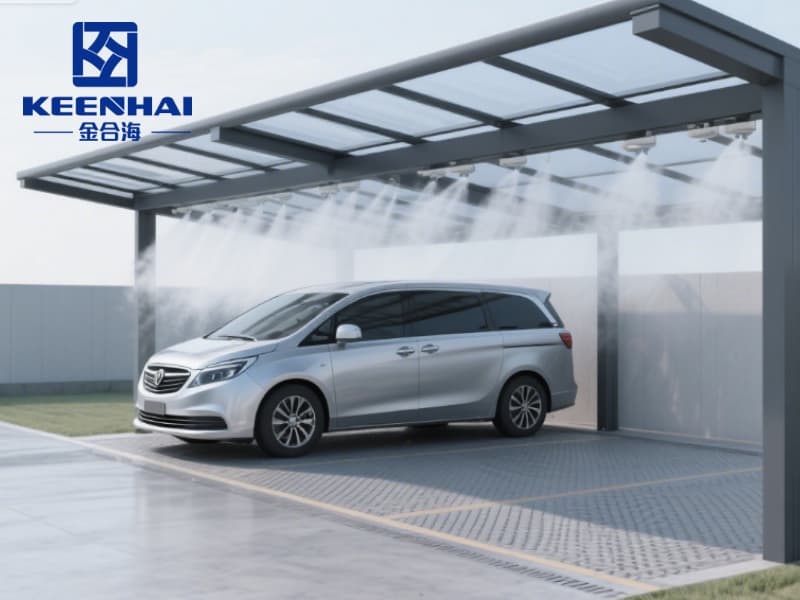
2. Average Price Ranges in 2025
Knowing the average price ranges for Aluminum Heavy Carports in 2025 helps homeowners and businesses plan their budgets accurately. Prices fluctuate based on size, materials, design complexity, and additional features. Understanding these ranges also allows you to compare options without overpaying.
2.1 Small Aluminum Heavy Carports
Small Aluminum Heavy Carports, typically designed for a single vehicle or compact spaces, are the most budget-friendly option. They generally range from $1,200 to $2,500, depending on material grade, roof style, and finishing touches.
For example, a 10×18 ft single-car Aluminum Carport with a powder-coated frame and simple flat roof will fall on the lower end, while adding a gable roof and integrated gutters pushes the price toward the higher end. Installing one involves several clear steps:
-
Prepare the foundation – Ensure a level concrete slab or compacted gravel base.
-
Assemble the frame – Start with corner posts, then connect beams using heavy-duty brackets.
-
Install roof panels – Secure panels with corrosion-resistant fasteners, ensuring proper alignment and slope.
-
Add finishing touches – Apply sealant, attach gutters, and test stability.
For homeowners who want a premium small Aluminum Heavy Carport, considering a Heavy-duty Aluminum Carport design with reinforced supports adds longevity without drastically increasing cost.
2.2 Medium Aluminum Heavy Carports
Medium-sized carports, suitable for two vehicles or additional storage, typically range from $2,500 to $5,000. A standard 18×20 ft double-car Aluminum Heavy Carport with a gable or sloped roof offers excellent weather protection and can accommodate extra storage or a small side panel.
Factors driving cost in this category include:
-
Roof style – Sloped or arched roofs cost more due to additional framing and fabrication.
-
Material thickness – Thicker aluminum beams improve durability but increase material costs.
-
Optional features – Side panels, motion-sensor lighting, or custom powder-coated colors.
Installing a medium carport involves more planning than a small unit. For instance, you need to:
-
Mark and level the foundation carefully to handle the extra weight.
-
Securely anchor posts into concrete for stability.
-
Assemble the frame and roof with multiple helpers to manage size and weight.
-
Test for durability and ensure all fasteners are tight.
Adding custom features or extended roof overhangs slightly raises the price but can significantly increase functionality. At this scale, the structure becomes a reliable long-term investment, especially in areas with heavy snow or wind.
2.3 Large Aluminum Heavy Carports
Large Aluminum Heavy Carports, often designed for three vehicles or commercial use, generally cost between $5,000 and $8,000+. These carports require more aluminum, reinforced beams, and larger roof panels, all of which drive up expenses.
Typical dimensions for a large unit are 24–30 ft wide and 20–22 ft long, which accommodates multiple vehicles or equipment. High-end models may include:
-
Integrated storage cabinets for tools or outdoor gear.
-
Side panels for additional weather protection.
-
Advanced roofing systems such as solar panels or skylights.
Installation of large carports follows the same principles as smaller ones but with added complexity:
-
Excavate and level the site – Ensure adequate drainage.
-
Pour reinforced concrete footings for extra support.
-
Assemble the frame with multiple teams to handle large beams safely.
-
Install roofing and accessories – Align panels carefully, add gutters, and check for leaks.
-
Perform final inspection – Test stability and check all fasteners and joints.
Large carports are ideal for commercial Aluminum Carports or properties needing heavy-duty protection, providing long-term value that offsets the higher initial cost. Choosing the right materials and design upfront ensures you don’t overspend while still getting maximum durability.
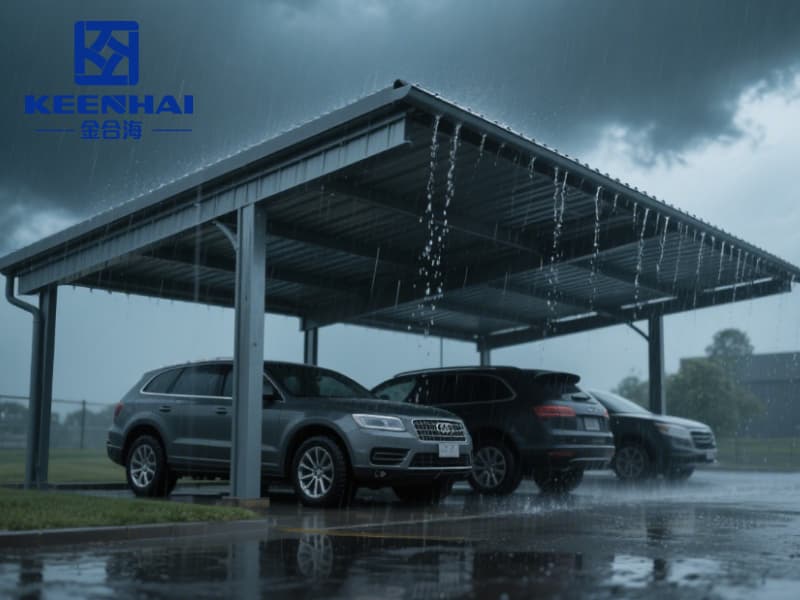
3. Cost Comparison: Aluminum vs Other Materials
When deciding on a carport, choosing the right material is essential because it affects both cost and longevity. Aluminum is popular, but steel, wood, and polycarbonate each offer different advantages and price points. Understanding these differences helps you make an informed decision that balances upfront investment with long-term performance.
3.1 Aluminum vs Steel
Aluminum carports are lighter, corrosion-resistant, and often require less maintenance than steel. Steel structures are typically stronger and can support heavier loads, but they are prone to rust if not properly coated, especially in coastal or high-humidity areas.
| Material | Weight | Durability | Maintenance | Average Cost (USD) |
|---|---|---|---|---|
| Aluminum | Light | 20+ years | Low | 1,200–8,000+ |
| Steel | Heavy | 25+ years | Medium | 1,500–9,000+ |
Installation also differs slightly:
-
Aluminum frames are easier to handle due to lighter weight, often allowing a smaller crew.
-
Steel frames require more labor and stronger anchors, which adds to labor costs.
-
Both materials require leveling the foundation, securing posts, and installing roofing panels.
Aluminum is ideal for homeowners seeking low maintenance and long-term durability without worrying about rust, while steel can make sense for heavier load requirements or industrial settings. Many homeowners favor Aluminum Heavy Carports for residential use because they balance cost and ease of installation.
3.2 Aluminum vs Wood
Wooden carports provide a classic, natural look, but they require regular maintenance, such as staining, sealing, or replacing decayed sections. Aluminum, in contrast, resists rot, insects, and warping, making it much lower-maintenance over time.
-
Cost comparison: Wood materials are often cheaper initially, ranging from $1,000 to $4,000 for a single or double-car structure, but long-term upkeep increases total expenditure.
-
Durability: Aluminum lasts decades with minimal upkeep, whereas untreated wood can deteriorate in under 10–15 years in humid or rainy climates.
-
Installation differences:
-
Wood frames require cutting and securing beams precisely.
-
Aluminum frames often come pre-fabricated with standardized fittings, speeding up installation.
-
This makes aluminum an excellent choice for those who want a long-lasting, hassle-free solution. Using an Aluminum Heavy Carport ensures you get modern protection without the constant maintenance of wood.
3.3 Aluminum vs Polycarbonate
Polycarbonate carports use lightweight plastic panels over a supporting frame, typically steel or aluminum. While they are budget-friendly and easy to install, polycarbonate panels can yellow, crack, or warp over time, especially under prolonged UV exposure.
-
Cost comparison: Polycarbonate units can range from $800 to $3,500, making them affordable upfront. Aluminum structures, even at the lower end, start around $1,200 but offer longer-lasting performance.
-
Durability: Aluminum frames maintain structural integrity in extreme weather, while polycarbonate may need panel replacement every 5–10 years.
-
Installation:
-
Polycarbonate panels slide or snap into the frame, requiring minimal tools.
-
Aluminum panels or roofs require careful alignment and secure fastening but provide superior longevity.
-
For residential or commercial purposes, aluminum offers a better long-term investment, combining durability, weather resistance, and low maintenance. Polycarbonate might make sense for temporary structures or very tight budgets, but aluminum is generally the smarter choice.
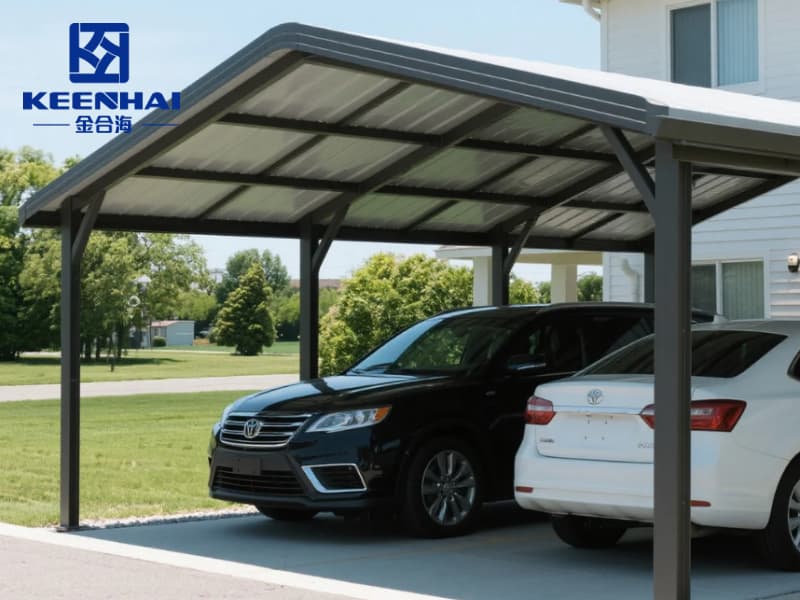
4. Installation Costs and Considerations
Installation costs can significantly impact the overall budget for an Aluminum Heavy Carport. Understanding labor, regional variations, and installation time helps you plan realistically. Proper installation also ensures the structure performs safely and lasts decades.
4.1 Professional Installation vs DIY
Choosing between professional installation and DIY affects both cost and convenience.
-
Professional Installation:
Hiring certified installers guarantees that posts are perfectly aligned, roofing is properly sealed, and all fasteners are tightened to specification. Costs for professional installation range from $500 to $2,000 depending on size, complexity, and local labor rates. Professionals also handle permits and inspections when required. -
DIY Installation:
Many homeowners tackle smaller Aluminum Heavy Carports themselves. This can save $400–$1,000, but requires careful planning:-
Prepare the site – level foundation, check drainage.
-
Assemble the frame – follow the manual step by step, ensure corners are square.
-
Install roof panels – secure with recommended fasteners and sealant.
-
Check structural integrity – verify stability under simulated wind or snow loads.
-
DIY is feasible for smaller or medium-sized units, but for larger or custom Heavy-duty Aluminum Carports, professional installation is often safer and more efficient.
4.2 Labor Costs by Region
Labor rates vary widely depending on location. For example:
| Region | Average Labor Rate (per hour) | Typical Installation Cost (Single-Car) |
|---|---|---|
| Urban US (high-cost states) | $75–$120 | $800–$2,000 |
| Suburban US | $50–$80 | $500–$1,500 |
| Rural Areas | $35–$60 | $400–$1,200 |
Regions with higher labor costs may also have stricter building codes or permit requirements, which increase total installation time and expenses. Planning your budget according to your region ensures no surprises when hiring installers.
4.3 Time Required for Installation
Installation time depends on size, complexity, and team experience. A typical timeline:
-
Small Aluminum Carport (single-car) – 4–6 hours for an experienced installer, 1 day for DIY.
-
Medium Carport (double-car) – 1–2 days professionally, 2–3 days DIY with a helper.
-
Large or Custom Carport – 2–4 days professionally, up to a week for DIY.
Factors that can extend time include uneven terrain, complex roofing designs, or additional accessories like gutters and side panels. Planning ahead for tools, helpers, and materials reduces delays and ensures the structure is safe and fully functional.
5. Long-Term Costs and Maintenance
When evaluating the true cost of an Aluminum Heavy Carport, upfront price is just part of the picture. Durability, maintenance, and warranty considerations significantly affect total ownership cost over the years. Making smart choices early prevents unexpected expenses later.
5.1 Durability and Lifespan Impact on Cost
Aluminum carports are known for their long lifespan, often exceeding 20–30 years with proper care. High-grade alloys resist rust, warping, and structural fatigue, reducing the need for replacements or major repairs. In comparison, wood or steel structures may require significant upkeep or partial replacement within 10–15 years depending on climate and exposure.
For instance, a Heavy-duty Aluminum Carport installed in a snowy region with reinforced roofing and brackets can maintain full structural integrity for decades, saving thousands in potential repairs compared to cheaper alternatives. Choosing higher-quality materials may increase initial cost but dramatically lowers lifetime expenses, making aluminum the smarter long-term investment.
5.2 Maintenance Expenses Over Time
Maintenance for aluminum structures is minimal but still necessary to preserve appearance and function:
-
Regular Cleaning – Wash frames and roof panels every 6–12 months to remove dirt, debris, and surface oxidation.
-
Inspect Fasteners – Check and tighten screws, bolts, and brackets annually to ensure stability.
-
Touch-Up Finishes – Minor scratches or chips in powder coating can be treated to prevent corrosion.
-
Optional Accessories – Gutters, side panels, or storage units may require occasional cleaning and lubrication.
Compared to wood, which often needs staining, sealing, and rot repair, or steel, which may require anti-rust treatment, aluminum remains low-maintenance. Over 20 years, total maintenance cost for aluminum is often less than 10–15% of initial purchase, whereas wood or steel can exceed 30–40%.
5.3 Warranty and Replacement Considerations
Most reputable manufacturers offer warranties ranging from 10–20 years for aluminum carports, covering structural defects and corrosion. Reviewing warranty details is essential:
-
Structural Coverage – Confirms that the frame is protected against bending, warping, or breakage.
-
Finish Coverage – Protects against paint peeling or premature oxidation.
-
Replacement Policies – Some manufacturers provide free or discounted parts for severe damage.
Investing in a warranty-supported Aluminum Heavy Carport ensures peace of mind and mitigates long-term financial risk. Even with rare accidents or weather damage, replacement or repair under warranty reduces unexpected costs and keeps your carport in top condition for decades.