
1. Assessing Your Space and Requirements
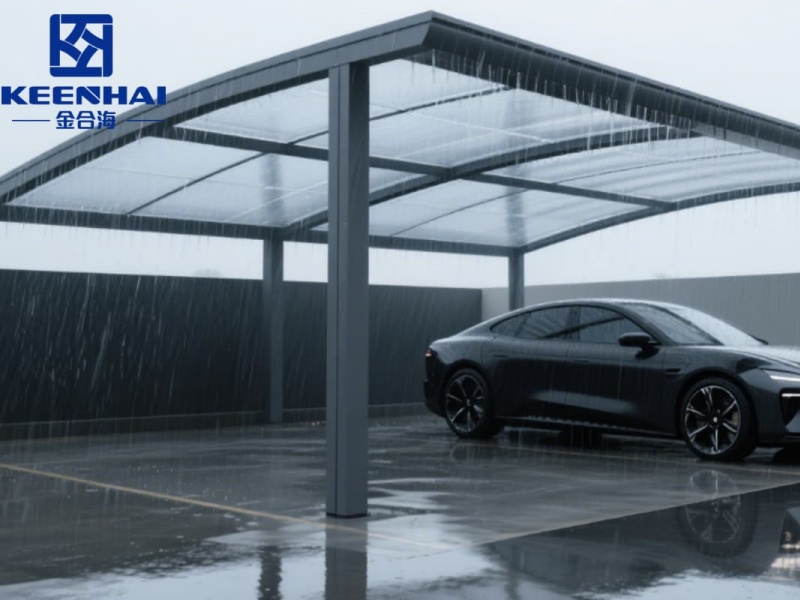
Before choosing a carport, understanding your available space and specific needs is crucial. Without a clear plan, you risk a structure that doesn’t fit your yard or doesn’t protect your vehicles properly. Installing a Heavy-duty Aluminum Carport ensures durability, while also matching your home’s layout. Careful assessment saves time, money, and frustration down the road.
1.1 Measuring Available Yard or Driveway Area
Start by measuring the width and length of your driveway or yard. Account for obstacles like fences, trees, or garden beds. For example, a homeowner in Texas installed a Modern Metal Carport along a narrow side yard. Accurate measurements allowed them to fit a 10-foot-wide carport while still leaving space for walking and garden access.
Steps for precise measurement:
-
Use a tape measure or laser distance tool for accuracy.
-
Mark the edges where the carport posts will go.
-
Leave at least 2 feet of clearance on each side for doors and movement.
-
Check for overhead obstacles like tree branches or power lines.
This ensures the carport fits perfectly and avoids future adjustments.
1.2 Determining Vehicle Types and Number of Vehicles
Next, consider what vehicles you want to store. Different vehicle types require different space. A standard sedan fits easily in a small carport, while SUVs, pickups, or RVs need more room. Overlooking this can lead to cramped or oversized structures.
| Vehicle Type | Width (ft) | Length (ft) | Recommended Carport Size (ft) |
|---|---|---|---|
| Sedan | 6–6.5 | 14–15 | 10×18 |
| SUV / Pickup | 6.5–7 | 16–18 | 12×20 |
| RV / Camper | 8–8.5 | 22–25 | 14×26 |
For instance, a homeowner in California extended their two-car garage using a Custom Aluminum Carport. They sized it to fit both vehicles comfortably and maintain easy door access. Planning around vehicle size prevents future issues.
1.3 Identifying Weather and Environmental Conditions
Local weather affects carport selection. Aluminum structures handle rain, UV exposure, and snow well, but areas with heavy winds or frequent snow need reinforced designs. A family in Colorado installed a Commercial Aluminum Carport with extra bracing to withstand heavy snowstorms.
Consider:
-
Wind load: Check local building codes and reinforce posts if necessary.
-
Snow load: Ensure roof pitch prevents accumulation from stressing the structure.
-
Sun exposure: Aluminum reflects sunlight to reduce heat buildup, and coatings improve durability.
By planning for these conditions, you ensure your investment in a sturdy Heavy-duty Carport lasts for decades while keeping vehicles protected.
2. Comparing Heavy-duty Aluminum Carport Designs
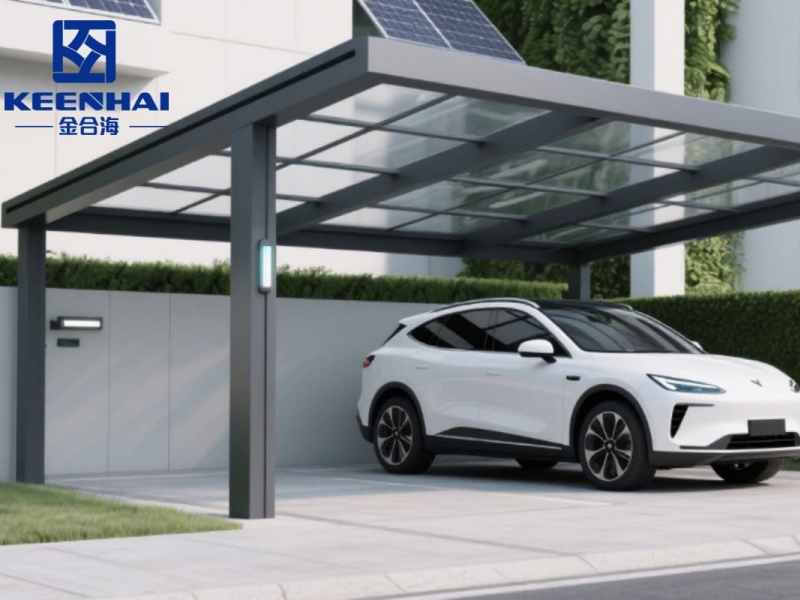
Selecting the right design for your Heavy-duty Aluminum Carport starts with understanding how structural variations impact functionality, aesthetics, and durability. The wrong choice can lead to wasted space, poor vehicle protection, or unnecessary installation costs. By examining carport size, roof type, and attachment style, you can make a confident, data-driven decision.
2.1 Single vs Double Carport Structures
Carports come in single and double configurations, each suited to different needs. A single carport typically spans 10–12 feet wide and accommodates one vehicle comfortably, while double carports often range from 18–24 feet, allowing two vehicles side by side.
Considerations for choosing between single and double:
-
Vehicle count: Count current and future vehicles to ensure sufficient coverage.
-
Driveway width: Measure available space; a double carport requires at least 18 feet plus clearance.
-
Budget: Double carports cost roughly 1.5–2× more than single structures, but provide long-term convenience.
-
Aesthetic impact: Double units can dominate smaller yards; single carports integrate more discreetly.
A homeowner in Florida installed a wide single carport for an SUV, leaving extra space for bicycle storage. Conversely, a suburban family in Ohio chose a double carport to shelter two cars and still maintain room for a small workshop behind.
2.2 Roof Styles: Flat, Gable, and Curved
The roof design affects water drainage, snow load capacity, and overall appearance. Flat roofs are simple and cost-effective but require a slight slope for drainage. Gable roofs provide excellent runoff and a classic look, while curved or arched roofs add modern flair and help snow or rain slide off more efficiently.
Here’s a practical comparison:
| Roof Type | Pros | Cons | Ideal Use Case |
|---|---|---|---|
| Flat | Low cost, easy installation | Limited drainage, snow buildup | Small urban yards |
| Gable | Excellent drainage, classic aesthetic | Slightly more expensive | Residential suburban properties |
| Curved | Modern appearance, improved runoff | Custom fabrication needed | Contemporary homes, high snow areas |
Homeowners in Colorado often choose curved roofs for heavy snow regions, while Florida properties lean toward flat roofs for straightforward construction and hurricane resilience. Roof selection should match both local weather and visual goals.
2.3 Freestanding vs Attached Carports
Deciding whether your carport is freestanding or attached depends on space and convenience. Freestanding units offer flexibility in placement and allow multiple access points. Attached carports share a wall with the house, providing a seamless transition and extra shelter from wind.
Installation considerations:
-
Freestanding: Requires solid footings at each post; spacing must account for vehicle entry angles.
-
Attached: Needs secure anchoring to the existing structure; check that the wall can support roof loads.
-
Material reinforcement: For both styles, aluminum bracing ensures the structure withstands wind speeds up to 120 mph.
In a Michigan neighborhood, an attached carport was chosen to shield vehicles and create a covered walkway to the garage. In contrast, a freestanding design in Arizona allowed the homeowner to park vehicles in multiple orientations depending on seasonal sun angles. Understanding these differences ensures your carport performs optimally for both vehicles and lifestyle.
3. Evaluating Material Quality and Durability
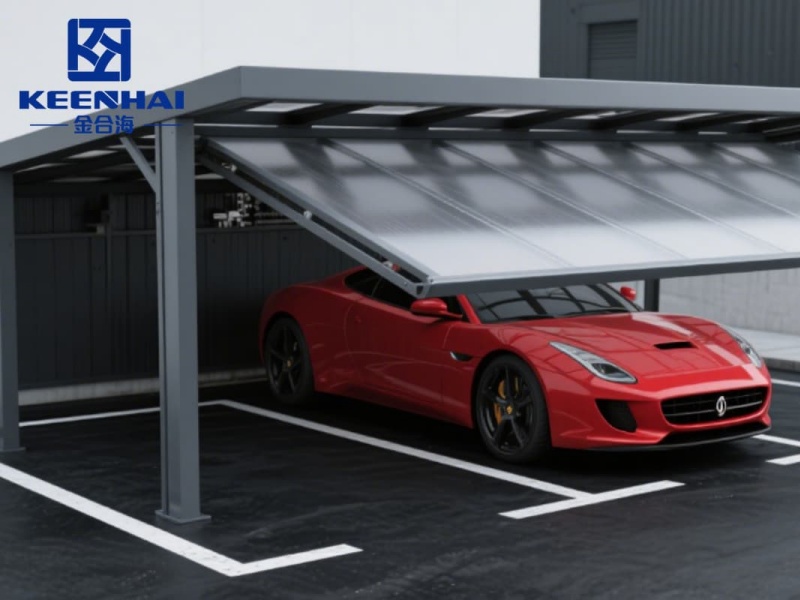
When selecting a Heavy-duty Aluminum Carport, the materials and build quality determine how well it performs over time. A sturdy carport must resist corrosion, withstand load, and endure harsh weather without warping or fading. Investing in high-grade aluminum ensures long-term protection for vehicles and peace of mind for homeowners.
3.1 Aluminum Grade and Corrosion Resistance
Aluminum comes in different grades, and each affects strength and longevity. Common grades include 6061 and 6063 alloys. 6061 offers higher tensile strength, making it ideal for heavy-duty structures, while 6063 provides excellent corrosion resistance for coastal regions.
Consider environmental factors when choosing a grade:
-
Coastal or humid areas: Prioritize high corrosion-resistant alloys to prevent rust.
-
Snow-prone regions: Opt for thicker aluminum profiles to handle heavy snow loads.
For example, a homeowner in Florida selected 6063 aluminum for a freestanding carport, ensuring salt air and humidity wouldn’t degrade the structure over time. Meanwhile, in Colorado, a 6061-grade carport resisted bending under heavy snowfall. These choices show how material selection directly impacts durability.
3.2 Coatings and Finishes for Longevity
Aluminum carports typically feature powder coating or anodized finishes. Powder coating provides a thick, even layer that resists scratching, fading, and corrosion, while anodizing creates a protective oxide layer for long-term durability.
Steps to verify coating quality:
-
Check manufacturer specifications for coating thickness (ideally 60–80 microns for heavy-duty carports).
-
Confirm UV resistance ratings if the carport is exposed to direct sunlight.
-
Inspect color uniformity and smoothness; inconsistent coating can signal poor quality.
A homeowner in Arizona used a powder-coated carport to reduce heat absorption during summer while preventing surface corrosion, demonstrating how coatings enhance both performance and aesthetics.
3.3 Load-Bearing Capacity and Structural Strength
The carport’s frame must handle wind, snow, and the weight of the roof without bending or warping. Post thickness, cross braces, and roof reinforcement determine load-bearing capability.
Key considerations:
-
Roof design and pitch: Steeper pitches help snow and rain slide off, reducing stress.
-
Support spacing: Posts spaced at 8–12 feet for single and double carports ensure stability.
-
Cross bracing: Diagonal supports dramatically improve wind resistance.
A suburban homeowner in Michigan installed a heavy-duty aluminum carport with reinforced cross braces, enabling it to withstand 100 mph winds and heavy snow. Such attention to structural details ensures the carport remains safe and functional for decades.
By carefully evaluating aluminum grade, finishes, and load-bearing design, you guarantee that your carport performs reliably, protects your vehicles, and maintains its appearance over time.
4. Budget and Cost Considerations
Understanding costs upfront is essential when planning for a heavy-duty aluminum carport. Prices vary widely depending on size, materials, features, and optional add-ons. By comparing these factors carefully, homeowners can make informed decisions that balance upfront investment with long-term value.
4.1 Pricing Range Based on Size and Features
Carport pricing is typically determined by dimensions, roof type, and structural reinforcements. Small single units may start around $1,200–$1,500, while larger double or custom designs can reach $4,500–$6,000. Additional features like powder-coated finishes, curved roofs, or reinforced bracing add $300–$800 each.
Typical cost breakdown:
| Feature / Size | Approx. Price Range ($) | Notes |
|---|---|---|
| Single carport (10x18 ft) | 1,200–1,500 | Basic aluminum frame, standard roof |
| Double carport (18x20 ft) | 2,500–3,500 | More material, larger coverage |
| Powder-coated finish | 300–500 | Enhances corrosion resistance |
| Curved roof / gable roof | 400–800 | Improves runoff, adds aesthetic appeal |
| Reinforced structural bracing | 350–600 | Necessary for high wind/snow areas |
Homeowners in Arizona opted for a powder-coated double carport to minimize sun damage while protecting two SUVs, while a family in Michigan invested in reinforced bracing for winter snow loads. These cost differences reflect practical considerations, not just aesthetics.
4.2 Cost vs Long-Term Value
Investing in quality materials and robust design often reduces maintenance and replacement costs over time. A sturdier structure with corrosion-resistant aluminum and protective coatings can last 20+ years, compared to lower-grade carports that may need repairs within 5–10 years.
Key value considerations:
-
Durability vs upfront cost: Spending 20–30% more initially can save thousands in repairs.
-
Energy efficiency: Powder-coated or reflective finishes reduce heat buildup, indirectly lowering HVAC strain on attached garages.
-
Resale impact: A well-built carport adds property value, especially in regions prone to harsh weather.
This is why homeowners often prefer high-grade heavy-duty aluminum structures, even if the initial price seems higher. The long-term payoff in durability and protection justifies the investment.
4.3 Optional Add-ons and Accessories
Customizing your carport enhances both functionality and aesthetics. Popular add-ons include side panels, storage cabinets, lighting systems, and guttering.
Installation steps for integrating add-ons:
-
Plan layout: Determine where panels or cabinets will go without obstructing vehicle access.
-
Secure mounting: Use manufacturer-specified brackets and fasteners to maintain structural integrity.
-
Test functionality: Ensure doors, sliding panels, and accessories operate smoothly after installation.
For instance, a homeowner in Texas added side panels to a heavy-duty aluminum carport to create a semi-enclosed garage feel while still maintaining airflow. In suburban California, built-in storage lockers maximized the use of space under a freestanding carport. These enhancements improve usability without compromising structural strength.
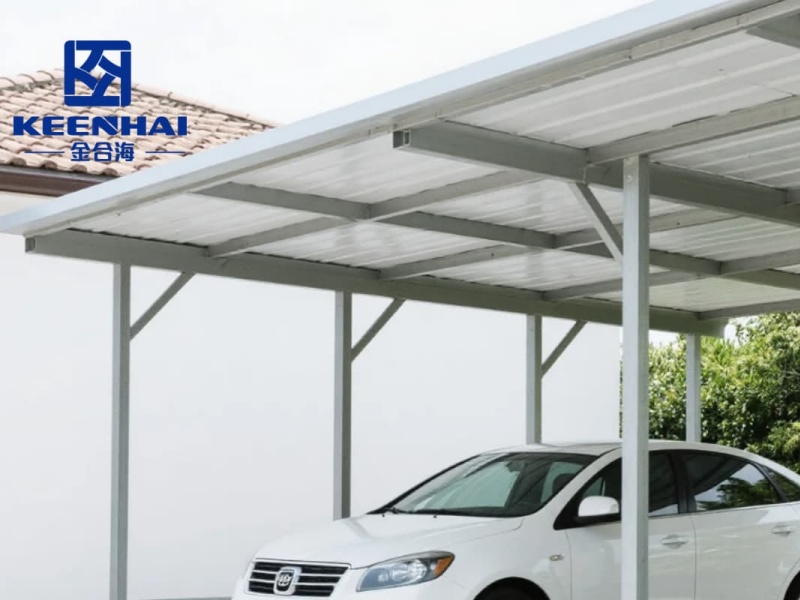
5. Installation and Maintenance Factors
A heavy-duty aluminum carport performs best when installed correctly and maintained regularly. Ignoring installation quality or maintenance routines can reduce lifespan and compromise vehicle protection. Understanding the differences between professional installation and DIY kits, along with maintenance expectations, is crucial for long-term satisfaction.
5.1 Professional Installation vs DIY Kits
Homeowners can choose between hiring professionals or installing a carport themselves. Professional installation ensures proper alignment, secure anchoring, and compliance with local building codes. DIY kits save money but require careful planning and adequate tools.
Step-by-step considerations for DIY installation:
-
Site preparation: Level the ground and ensure proper drainage.
-
Post placement: Measure and mark positions accurately; misalignment can compromise stability.
-
Frame assembly: Use torque-specified fasteners and follow manufacturer instructions for roof support.
-
Final inspection: Check that all bolts are tight, roof panels sit flush, and braces are secure.
A homeowner in Texas successfully installed a DIY modern aluminum carport over a weekend but had to reinforce posts with concrete footings after observing minor sway. By contrast, a suburban family in Michigan opted for professional installation for a heavy-duty aluminum carport, ensuring it could withstand 100+ mph winds without worry. Choosing the right installation method balances cost, safety, and peace of mind.
5.2 Required Maintenance Frequency and Ease
Aluminum carports are low-maintenance, but periodic care extends their lifespan. Routine maintenance typically involves:
-
Cleaning: Wash surfaces every 6–12 months to remove dirt, pollen, and debris.
-
Inspection: Check for loose fasteners, roof panel gaps, or scratched coatings.
-
Lubrication: Apply silicone spray on sliding panels or doors to prevent sticking.
In a humid coastal area, a homeowner wiped down their heavy-duty aluminum structure twice a year to prevent salt buildup, while a family in Arizona focused on dust removal and UV protection for the powder-coated finish. These simple steps preserve structural integrity and visual appeal.
5.3 Warranty and After-Sales Support
A comprehensive warranty and responsive support are indicators of manufacturer confidence. Key points to verify before purchase:
-
Warranty coverage: Look for structural, coating, and accessory coverage, typically ranging from 5–20 years.
-
Replacement parts: Confirm that panels, braces, and fasteners are available if needed.
-
Customer support: Quick response times and technical guidance are essential, especially for DIY installations.
For example, Keenhai Metal Products provides long-term assistance and replacement parts for their heavy-duty aluminum carports, helping homeowners maintain performance without unexpected expenses. Choosing a carport backed by strong support reduces stress and ensures the structure remains reliable for years.