
1. Understanding Aluminum Frame Options
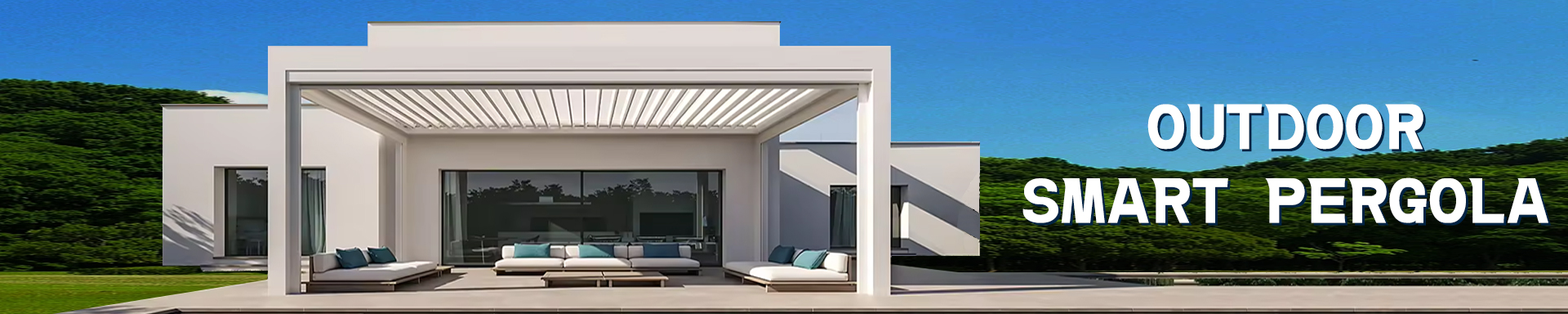
Choosing the right aluminum frame is critical for any Aluminum Outdoor Sunroom project, as it directly impacts structural stability, insulation, and overall lifespan. High-grade aluminum alloys like 6063-T5 and 6061-T6 are commonly used in sunroom construction due to their excellent strength-to-weight ratio and corrosion resistance. 6063-T5 offers a balance between formability and durability, making it ideal for intricate frame designs, while 6061-T6 provides superior tensile strength, perfect for larger or multi-story installations. Choosing the right alloy ensures that your outdoor space remains both safe and visually appealing under varying weather conditions.
1.1 Different Aluminum Alloys and Their Strength
Aluminum alloys differ in mechanical properties, affecting their performance in sunroom frames. Here’s a practical comparison of common alloys used in outdoor sunrooms:
| Alloy Type | Tensile Strength (MPa) | Corrosion Resistance | Best Use Case |
|---|---|---|---|
| 6063-T5 | 190–210 | High | Decorative frames, curved profiles |
| 6061-T6 | 290–310 | Very High | Large panels, structural support |
Selecting an alloy depends on your design goals. For example, a custom aluminum sunroom in a coastal area benefits from 6061-T6 due to its superior corrosion resistance, while smaller backyard installations can use 6063-T5 to balance aesthetics and cost.
1.2 Powder-Coated vs Anodized Aluminum Finishes
Finishing methods affect both durability and appearance. Powder coating provides a thick, uniform layer resistant to scratches, fading, and weathering, ideal for bold colors or matte finishes. Anodizing enhances the aluminum’s natural oxide layer, creating a durable, metallic look that resists corrosion and requires minimal maintenance. Installation tips to maximize finish longevity include:
-
Cleaning surfaces before coating to remove oils and contaminants.
-
Applying primer layers for powder coating or ensuring proper electrolytic conditions for anodizing.
-
Avoiding direct contact with incompatible metals to prevent galvanic corrosion.
Choosing the right finish ensures that your aluminum sunroom outdoor installation retains both style and structural integrity over decades.
1.3 Frame Thickness and Structural Considerations
Frame thickness and profile design influence both aesthetics and performance. Thicker frames enhance load-bearing capacity, particularly important for large sunrooms with heavy glass panels, while slimmer profiles improve visual openness and light transmission. Best practices for frame selection include:
-
Measuring wind load and snow load specific to your location.
-
Selecting thermal breaks to prevent condensation and heat loss.
-
Considering modular designs that allow easy replacement of damaged sections.
A well-designed aluminum frame ensures that your sunroom is sturdy, energy-efficient, and visually cohesive, whether installed as a compact backyard retreat or a full-scale Aluminum Sunroom Outdoor extension. Proper alloy, finish, and thickness choices together create a long-lasting, low-maintenance outdoor living space.
2. Glass Panel Selection
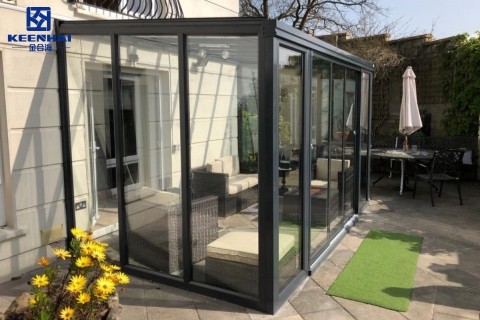
Selecting the right glass panels is critical for an Aluminum Outdoor Sunroom because it affects energy efficiency, natural light, and durability. Glass choices range from single-pane to triple-pane options, each providing different levels of insulation and sound reduction. High-performance glass not only improves comfort but also reduces energy costs over time. For homeowners prioritizing clarity and a sleek, modern aesthetic, glass remains the top choice, especially when paired with aluminum frames that maximize structural stability.
2.1 Single, Double, and Triple Glazing Options
Glazing options determine thermal performance and noise reduction. Single glazing is lightweight and cost-effective but provides minimal insulation. Double glazing adds a layer of air or gas, improving energy efficiency by 25–30%, while triple glazing can reduce heat transfer by up to 50% and enhances soundproofing in noisy environments. Installation steps to ensure optimal performance include:
-
Measuring and cutting panels precisely to prevent gaps.
-
Installing spacer bars and sealed units for double/triple glazing.
-
Applying high-quality weather seals to avoid air or moisture leaks.
| Glazing Type | R-Value (Thermal Resistance) | Noise Reduction | Best Use Case |
|---|---|---|---|
| Single | 1.0–1.2 | Low | Small sunrooms, budget projects |
| Double | 2.0–3.0 | Medium | Standard backyard sunrooms |
| Triple | 4.0–5.0 | High | Premium installations, urban/noisy areas |
2.2 Low-E and Tempered Glass Properties
Low-E (low emissivity) glass reduces heat transfer while maintaining natural light, making it ideal for energy-efficient sunrooms. Tempered glass is heat-treated to increase strength, resisting impacts up to four times better than standard glass. These features prevent cracking from thermal stress and improve safety in areas exposed to high wind or hail. Key tips for installation:
-
Ensure proper alignment with aluminum frame channels.
-
Maintain a 3–5 mm gap between the panel and frame to allow thermal expansion.
-
Inspect edges for chips or imperfections before sealing to prevent future fractures.
2.3 Impact Resistance and UV Protection
Durability against impacts and UV degradation is essential for long-term performance. Glass panels with laminated interlayers can withstand strong impacts while filtering up to 99% of harmful UV rays, protecting furniture and flooring from fading. Polyvinyl butyral (PVB) layers improve safety by holding shattered glass together in case of breakage. Installing UV-resistant coatings extends lifespan and minimizes maintenance. A well-planned aluminum sunroom outdoor design integrates these protective measures, ensuring a safe, bright, and low-maintenance space for family gatherings or home offices.
3. Polycarbonate Panel Selection
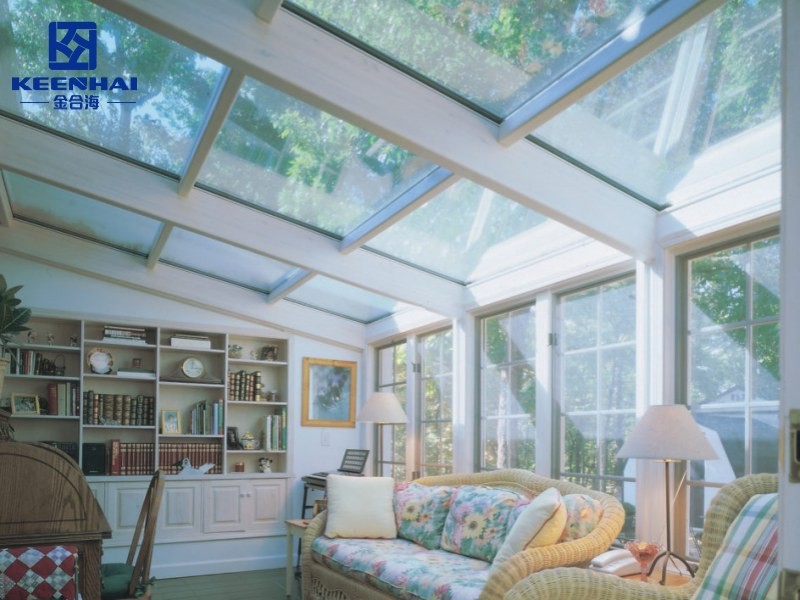
Polycarbonate panels offer a lightweight yet durable alternative to glass for a bold, functional aluminum sunroom design. These panels are highly versatile, providing excellent thermal insulation, UV protection, and impact resistance. Unlike glass, polycarbonate is virtually unbreakable and easier to handle during installation. Homeowners often choose polycarbonate for areas exposed to hail, high winds, or for sunrooms requiring faster assembly. Selecting the right polycarbonate type ensures long-term comfort, energy efficiency, and a safe outdoor environment.
3.1 Multiwall vs Solid Sheets
Polycarbonate comes mainly in multiwall and solid sheet forms. Multiwall sheets feature a honeycomb-like structure that improves insulation without adding significant weight, while solid sheets mimic glass in clarity and rigidity. Here’s a practical comparison:
| Panel Type | Weight (kg/m²) | Thermal Insulation (R-value) | Impact Resistance | Best Use Case |
|---|---|---|---|---|
| Multiwall | 2.5–4.0 | 1.5–2.5 | High | Energy-efficient sunrooms, roofing |
| Solid | 4.0–6.0 | 0.8–1.2 | Very High | Clear visibility, premium aesthetics |
Installation steps for multiwall panels include:
-
Cutting panels to exact dimensions using a fine-tooth saw.
-
Securing panels with aluminum channel profiles and gaskets.
-
Sealing edges to prevent water ingress while allowing thermal expansion.
3.2 UV Protection and Thermal Insulation
Polycarbonate panels are coated with UV-resistant layers to block up to 99% of harmful rays, protecting furniture and interiors from fading. Multiwall panels trap air between layers, significantly reducing heat transfer and maintaining comfortable indoor temperatures year-round. Solid sheets, while slightly less insulating, offer high clarity and excellent light diffusion. Best practices for maximizing performance:
-
Orient panels to optimize sunlight exposure.
-
Ensure the UV-coated side faces outward.
-
Regularly inspect for scratches or damage that could compromise insulation.
3.3 Durability and Impact Resistance
Polycarbonate panels outperform traditional glass in impact resistance, withstanding strikes from hail, falling branches, and accidental impacts without shattering. Multiwall panels also provide structural support due to their layered design. Laminated or reinforced solid sheets are ideal for high-traffic or windy locations. For installation:
-
Avoid over-tightening screws, which can create stress points.
-
Maintain proper spacing between panels to allow expansion and contraction.
-
Inspect clips, seals, and frame channels annually to ensure long-term stability.
A well-selected polycarbonate panel ensures that your aluminum sunroom outdoor remains durable, energy-efficient, and visually appealing for decades, offering a practical alternative to glass without sacrificing style or comfort.
4. Energy Efficiency and Insulation
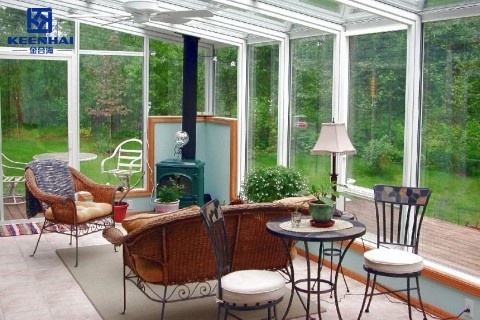
Optimizing energy efficiency is crucial for any bold and functional aluminum sunroom. The choice of panels, frame seals, and installation precision directly impacts indoor comfort and long-term energy savings. High-quality materials combined with professional installation can reduce heating and cooling costs by up to 30%, ensuring year-round comfort. Proper insulation not only minimizes energy loss but also enhances the overall durability and performance of your sunroom structure.
4.1 Thermal Performance of Different Panels
Glass and polycarbonate panels exhibit different thermal properties. Double or triple-glazed glass offers R-values ranging from 2.0 to 5.0, reducing heat transfer significantly. Multiwall polycarbonate sheets provide an R-value of 1.5–2.5, with air pockets that trap heat and limit energy loss. Solid polycarbonate sheets offer high clarity but slightly lower insulation. Comparison table of thermal performance:
| Panel Type | R-Value | Heat Retention | Best Use Case |
|---|---|---|---|
| Double Glass | 2.0–3.0 | Moderate | Standard sunrooms |
| Triple Glass | 4.0–5.0 | High | Premium installations |
| Multiwall Polycarbonate | 1.5–2.5 | Moderate-High | Lightweight, energy-efficient sunrooms |
| Solid Polycarbonate | 0.8–1.2 | Moderate | Clear visibility, smaller spaces |
4.2 Sealing and Weatherproofing Techniques
Sealing and weatherproofing are essential for maintaining energy efficiency. Key steps for optimal results include:
-
Apply high-quality silicone or EPDM gaskets along all frame edges.
-
Ensure overlap of panel edges to prevent water infiltration.
-
Use compression seals in aluminum channels to maintain airtightness while allowing expansion.
Proper sealing prevents drafts, moisture intrusion, and thermal bridging, ensuring that your aluminum sunroom outdoor performs efficiently even in extreme weather conditions.
4.3 Seasonal Performance and Energy Savings
A well-insulated sunroom maintains stable temperatures throughout seasonal changes. In summer, UV-protected panels reduce heat gain, while in winter, multi-layered glass or polycarbonate minimizes heat loss. Practical steps to maximize efficiency:
-
Install thermal curtains or blinds for added control.
-
Position sunroom to capture natural sunlight during winter months.
-
Regularly inspect seals and gaskets before seasonal shifts to prevent energy loss.
With these measures, your sunlight room provides year-round comfort while lowering energy bills and protecting interior furnishings from temperature fluctuations.
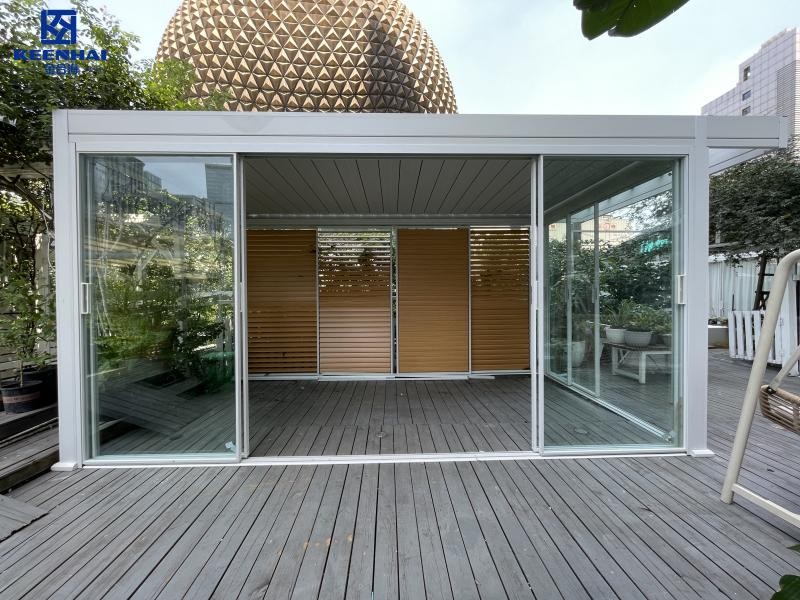
5. Light Transmission and Aesthetic Considerations
Balancing light transmission with aesthetic appeal is a key factor when selecting materials for a high-performance aluminum sunroom outdoor. Properly chosen panels allow abundant natural light while controlling glare, providing a comfortable environment for reading, dining, or relaxing. Combining glass and polycarbonate or adding tints and coatings can further enhance the look and function. Good design choices ensure a sunroom feels open, welcoming, and visually integrated with the home.
5.1 Natural Light Quality and Glare Control
Glass panels offer crystal-clear transparency, allowing maximum daylight into the space, but may produce unwanted glare on sunny days. Multiwall polycarbonate sheets diffuse sunlight effectively, creating soft, even illumination without compromising brightness. Installation tips for optimal light control:
-
Orient panels according to the sun path to reduce direct glare.
-
Incorporate external or internal shading devices like blinds or louvers.
-
Combine different panel types for a balance between brightness and privacy.
These measures improve comfort while maintaining the energy efficiency of your aluminum sunroom.
5.2 Transparency, Tint, and Color Options
Panels come in various tints, frosted finishes, or color options, allowing customization for both aesthetics and functionality. Light-transmitting tints reduce heat gain and UV exposure, while frosted or colored panels can provide privacy and artistic appeal. Comparison table of panel transparency and color impact:
| Panel Type | Visible Light Transmission | UV Protection | Best Use Case |
|---|---|---|---|
| Clear Glass | 80–90% | Medium | Maximum brightness |
| Low-E Glass | 70–80% | High | Energy-efficient sunrooms |
| Multiwall Polycarbonate | 50–70% | Very High | Diffused natural light, glare reduction |
| Tinted or Frosted Polycarbonate | 40–60% | Very High | Privacy and style |
5.3 Design Flexibility with Mixed Materials
Using mixed materials, such as aluminum frames with polycarbonate or glass panels, allows custom sunroom designs tailored to architectural style and homeowner preference. Practical steps to maximize flexibility:
-
Combine opaque and transparent panels strategically for both function and style.
-
Use modular framing to accommodate different panel types and sizes.
-
Integrate finishing touches like decorative trims or color-matched gaskets.
This approach provides a modern, personalized sunroom that balances light, aesthetics, and structural integrity while enhancing the overall outdoor living experience.