

1.Optimizing Solar Panel Placement
Installing your Multi-car Solar Carport correctly starts with precise panel placement. The angle, orientation, and shading are critical, because even a 10% misalignment can reduce energy output significantly. Many homeowners overlook small obstructions like nearby trees, roof edges, or parked vehicles, but positioning panels in a clear, sun-exposed area maximizes daily production and long-term ROI.
1.1 Determining the Ideal Tilt and Angle for Maximum Sun Exposure
The tilt of your panels should match your latitude to capture the most sunlight year-round. For example, if you live at 35° latitude, a tilt angle around 30–35° usually works best. Panels can be adjusted seasonally to increase efficiency:
-
Summer: Tilt slightly lower to catch high-angle sun rays.
-
Winter: Increase tilt to capture low-angle sunlight.
-
Fixed-tilt options: Choose an average angle that balances seasonal output.
Studies show that a well-angled Aluminum Solar Carport can produce up to 15–20% more energy annually compared with flat-mounted setups. Using adjustable mounts also allows for easy cleaning and maintenance without disassembly, keeping performance consistent.
1.2 Orientation Considerations: North vs South Facing Panels
South-facing panels generally deliver the highest energy yield in the Northern Hemisphere, while north-facing works best in the Southern Hemisphere. However, in tight urban settings or irregular lots, slight deviations (10–15° off true south) have minimal impact, as long as panels remain unshaded.
| Orientation | Energy Impact | Notes |
|---|---|---|
| True South | 100% baseline | Optimal yield throughout the year |
| 10° East or West | ~98–99% | Slight morning/evening shift, almost negligible loss |
| 20° East or West | ~95% | Minor drop, may require extra panels to compensate |
Proper orientation also depends on roof shape or land layout. In multi-car carports, modular designs allow panels to face slightly different angles for peak combined efficiency, especially in long driveways or asymmetrical lots.
1.3 Avoiding Shading From Trees, Buildings, or Vehicles
Shading is the silent efficiency killer. Even partial shadows on one panel can reduce the output of the entire series. To prevent this:
-
Map sunlight patterns throughout the day and across seasons.
-
Remove or trim overhanging branches that cast shadows.
-
Position panels above vehicles carefully—avoid SUVs or trucks that could block sunlight in early morning or late afternoon.
-
Consider a Freestanding Solar Aluminum Carport for lots where trees or structures limit standard placement.
By prioritizing clear, unobstructed sunlight, your multi-car solar installation achieves consistent peak performance. Many homeowners report 10–15% higher annual output simply by analyzing shading patterns before installation.
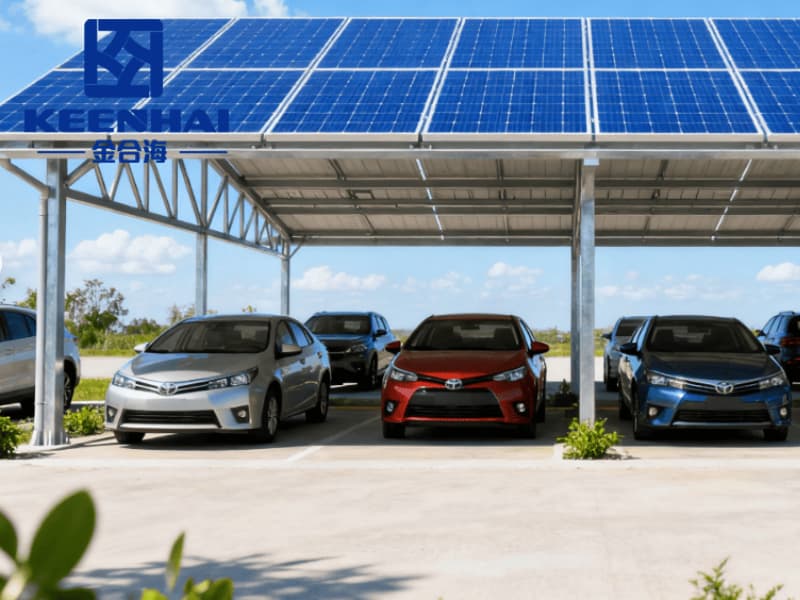
2. Selecting High-Efficiency Solar Panels
Choosing the right panels is crucial to getting the most out of your Multi-car Solar Carport. Panel efficiency directly affects energy output, payback period, and long-term performance, so making informed choices here is non-negotiable.
2.1 Monocrystalline vs Polycrystalline Panels: Performance Comparison
Monocrystalline panels typically offer higher efficiency, often 20–22%, while polycrystalline panels hover around 15–18%. If your carport space is limited or you aim for maximum energy generation per square meter, monocrystalline is generally the better choice.
| Panel Type | Efficiency | Temperature Coefficient | Ideal Use |
|---|---|---|---|
| Monocrystalline | 20–22% | −0.35%/°C | Tight space, max output |
| Polycrystalline | 15–18% | −0.45%/°C | Larger area, cost-sensitive |
Practical tip: In real-world installations, monocrystalline panels consistently outperform polycrystalline under partial shading and higher temperatures, which is critical for multi-car setups in suburban or urban areas.
2.2 Panel Wattage and Temperature Coefficient Impact
Panel wattage defines the electricity each module can produce. High-watt panels reduce the number of modules needed, which can simplify installation and lower structural load. Consider the temperature coefficient as well: the smaller the negative value, the better the panel maintains performance on hot days.
-
Check manufacturer datasheets for accurate wattage ratings.
-
Compare temperature coefficients—panels with −0.30 to −0.35%/°C perform best in warm climates.
-
Factor in roof or carport dimensions to avoid oversizing while keeping optimal efficiency.
Even a 1% difference in temperature coefficient can add hundreds of kWh over the system’s lifetime, making this a key metric when selecting panels.
2.3 Choosing Durable Panels for Long-term Output
Durability is just as important as efficiency. Look for panels with:
-
Strong frame construction to withstand wind and snow loads.
-
High-quality tempered glass resistant to hail and scratches.
-
Corrosion-resistant backsheets and seals for longevity.
Investing in durable panels reduces maintenance frequency and keeps your solar carport performing at peak levels for 25+ years. For modular or custom options, Custom Solar Aluminum Carport setups often include enhanced mounting systems to prolong panel life and maintain alignment under heavy weather.
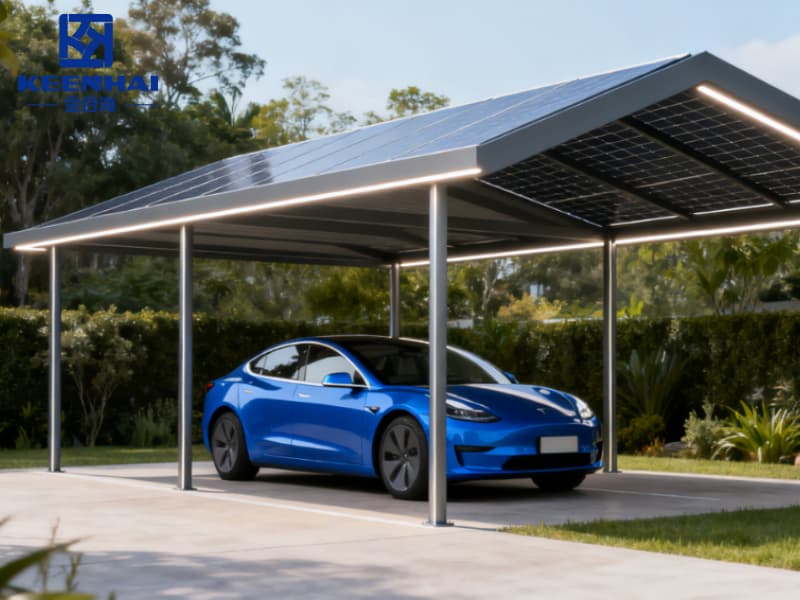
3. Enhancing Carport Design for Energy Capture
Maximizing energy capture starts with smart carport design. A well-planned layout directly impacts overall solar efficiency, especially for a Multi-car Solar Carport where roof space is substantial. Small adjustments in orientation, panel arrangement, and reflective surfaces can significantly boost annual output.
3.1 Modular Roof Layouts for Optimal Sunlight Absorption
Using a modular roof layout allows panels to be arranged for maximum sun exposure throughout the day.
-
Break the roof into sections of 2–4 panels to adjust each module independently.
-
Maintain 1–2 ft spacing between rows to prevent shading from front rows.
-
Align the layout to capture peak sunlight angles (usually 10 AM–3 PM for most regions).
Modular designs also simplify maintenance and future expansion. If you plan on increasing capacity later, modular sections can be upgraded individually without affecting the rest of the system.
3.2 Incorporating Adjustable or Seasonal Panel Angles
Adjustable panels let you fine-tune tilt angles seasonally, which can increase annual energy production by up to 15% compared to fixed mounts.
-
Winter tilt: Increase angle by 10–15° to capture lower sun.
-
Summer tilt: Reduce angle slightly to avoid overheating and optimize midday exposure.
-
Installation tip: Use pivot brackets with locking mechanisms to secure panels safely during wind or storms.
Even small seasonal adjustments pay off over time, especially on multi-car setups where total panel area is large.
3.3 Integrating Reflective Surfaces or Light-Colored Roofing
Reflective or light-colored surfaces beneath panels can boost efficiency by 2–5% by bouncing additional light onto the underside of panels or improving overall ambient light.
-
Consider white or light concrete pads under the carport.
-
Use aluminum or mirrored accent panels on edges where sunlight is limited.
-
Ensure surfaces are durable and resistant to weathering to maintain long-term benefits.
Combining reflective surfaces with modular and adjustable designs maximizes output without requiring extra panels, reducing overall system cost.
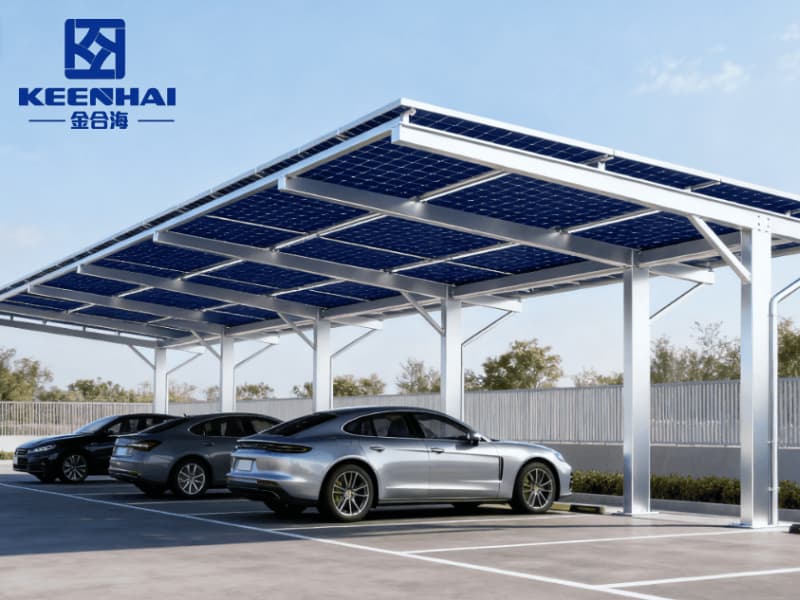
4. Maintenance Practices to Preserve Efficiency
Proper maintenance is essential to keep a Multi-car Solar Carport performing at peak levels. Even small amounts of dust, debris, or loose connections can reduce output by up to 10%, so a structured maintenance routine is critical.
4.1 Regular Cleaning to Prevent Dirt and Debris Build-up
Frequent cleaning prevents dirt, pollen, leaves, and bird droppings from blocking sunlight.
-
Inspect panels once every 4–6 weeks during peak seasons.
-
Use soft brushes or microfiber cloths with water only—avoid harsh chemicals.
-
Focus on edges and corners where debris tends to accumulate.
-
After cleaning, rinse thoroughly to prevent streaking or residue.
Practical insight: In regions with high dust or pollen, a slightly more frequent schedule can maintain optimal efficiency, especially for larger Multi-car Solar Carport installations.
4.2 Routine Inspections for Loose Connections or Damage
Electrical and structural checks are crucial to avoid energy loss or safety risks.
-
Examine all wiring connections for corrosion, fraying, or loose contacts.
-
Inspect mounting brackets and fasteners for tightness and rust.
-
Look for cracks or chips in solar panels and replace as needed.
-
Document any findings and schedule repairs immediately to prevent cumulative efficiency drops.
Even minor loose bolts or connectors can reduce system output by several percent, making this step critical for multi-car setups where total panel area is large.
4.3 Monitoring System Performance with Smart Controllers
Smart controllers or monitoring apps allow real-time insight into energy production, identifying issues before they impact efficiency.
-
Check daily or weekly reports to track panel output and inverter performance.
-
Set alerts for voltage drops or abnormal readings, which often indicate shading, dirt, or connection issues.
-
Use analytics to plan seasonal cleaning or maintenance, optimizing uptime and power generation.
Combining regular cleaning, inspections, and smart monitoring ensures that your Multi-car Solar Carport consistently delivers maximum energy throughout its lifespan.
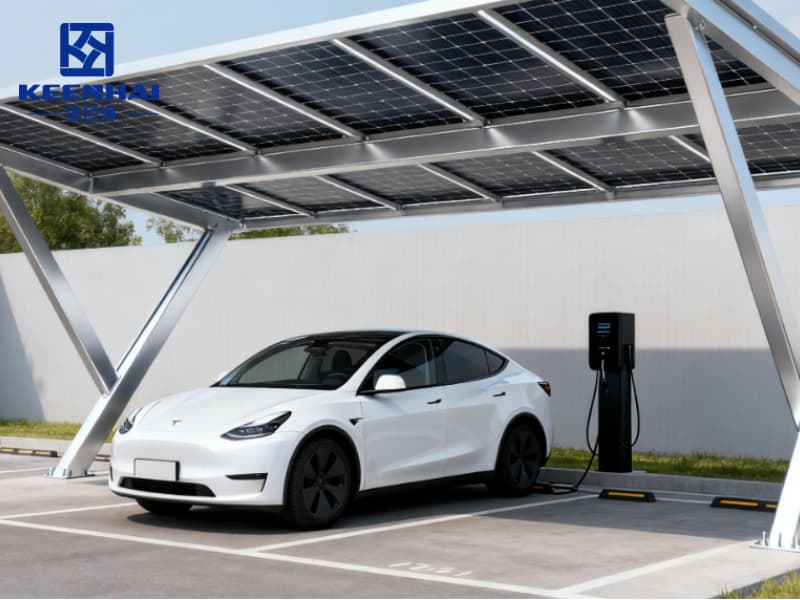
5. Electrical and Energy Management Strategies
Efficient energy management is crucial to maximize the output of a Multi-car Solar Carport. Even the best panels underperform if inverters, batteries, and load distribution aren’t optimized.
5.1 Proper Inverter Sizing and Placement
Choosing the right inverter is key to converting DC power from your panels to usable AC efficiently.
-
Calculate the total wattage of all panels on your system.
-
Select an inverter rated 10–20% higher than peak panel output to avoid overloads.
-
Position the inverter in a cool, shaded area to maintain efficiency and prevent thermal losses.
-
Ensure easy access for inspections and maintenance without blocking carports or pathways.
A well-sized inverter not only prevents energy loss but also extends system lifespan, making your Multi-car Solar Carport a more reliable long-term investment.
5.2 Battery Storage Options to Reduce Energy Loss
Storing excess energy allows you to use solar power even when the sun isn’t shining, reducing reliance on the grid.
-
Choose batteries with high cycle life and efficiency, such as lithium-ion or advanced lead-acid options.
-
Determine storage capacity based on daily consumption and peak generation times.
-
Install batteries close to the inverter to minimize voltage drop.
-
Include a battery management system (BMS) to monitor charge, temperature, and health automatically.
Proper storage ensures minimal energy loss and enables the carport to support home loads or EV charging even at night.
5.3 Load Balancing and Peak Demand Optimization
Managing how energy is drawn or distributed can significantly improve overall efficiency.
-
Map high-demand appliances and schedule them during peak solar production.
-
Use smart controllers to automatically divert excess power to batteries or specific loads.
-
Implement time-of-use strategies to reduce grid reliance and cut energy bills.
-
Monitor trends and adjust settings seasonally to match changes in sunlight and household consumption.
Even a slight imbalance can reduce system efficiency by 5–10%, so combining proper inverter sizing, storage, and load optimization ensures your Multi-car Solar Carport delivers maximum energy output consistently.