

1. Assessing Vehicle and Storage Needs
Choosing the perfect size for your carport starts with understanding what you need to protect. A well-measured space ensures easy access, full coverage, and long-term usability. Before settling on dimensions, take a detailed look at your vehicles, storage items, and how often you move things in and out.
1.1 Measuring Your Vehicle Dimensions
Accurate measurements are the foundation of a properly sized carport. Follow these steps:
-
Measure the length, width, and height of each vehicle you plan to park. Include any roof racks or extended mirrors in your calculations.
-
Add extra clearance of at least 1–2 feet on all sides to allow door opening and easy maneuvering.
-
Consider future vehicles—you might buy a larger SUV or a taller van later. Planning ahead prevents the carport from feeling cramped.
For households with multiple cars, a Custom Aluminum Carport can be tailored to exact dimensions, ensuring each vehicle fits comfortably while maintaining structural balance.
1.2 Accounting for Multiple Vehicles or Extra Storage
If you have more than one vehicle or need space for storage, consider these points:
-
Determine the total footprint required for all vehicles, side by side or tandem.
-
Allocate additional space for bicycles, lawn equipment, or seasonal gear without obstructing vehicle access.
-
Compare different layout options using a simple table to visualize how your vehicles and storage fit together:
| Configuration | Width (ft) | Length (ft) | Notes |
|---|---|---|---|
| Single Car + Storage | 12 | 20 | Room for shelving or small equipment |
| Two Side-by-Side Cars | 20 | 20 | Allows 1–2 ft clearance between vehicles |
| Tandem Parking | 12 | 40 | Fits multiple cars without widening lot |
For households prioritizing both functionality and aesthetics, a Modern Metal Carport provides flexible options while keeping the exterior sleek.
1.3 Planning for Seasonal Equipment or Accessories
Your carport should accommodate more than just vehicles. Seasonal tools, sports gear, and occasional trailers often require extra space:
-
Map out where items like snow blowers, kayaks, or garden tools will be stored.
-
Decide whether vertical storage or compact shelving can maximize space efficiency.
-
Ensure there’s enough clearance for temporary overhangs like holiday decorations or rooftop cargo carriers.
Planning for these elements early means your Heavy-duty Carport remains functional throughout the year without crowding vehicles or compromising access. Even modest adjustments like a slightly longer roof or wider footprint can prevent long-term headaches.
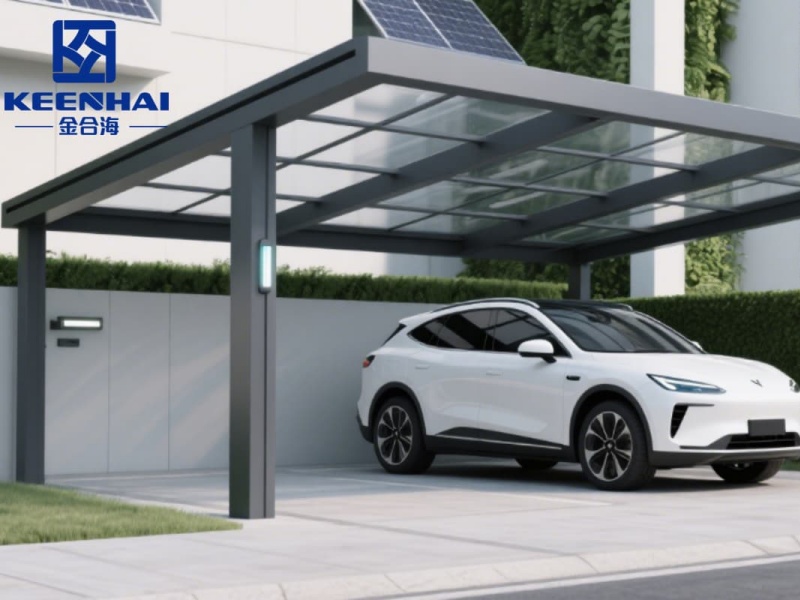
2. Determining Ideal Width and Length
Choosing the right dimensions for your carport is critical to ensure both vehicle protection and ease of use. Getting width and length correct prevents cramped access, minimizes risk of scratches, and accommodates future needs.
2.1 Standard vs. Custom Width Options
Width is the first dimension to consider, as it dictates how easily vehicles can maneuver in and out:
-
Standard widths for one-car carports range from 10 to 12 feet, providing enough space for small cars with minimal clearance.
-
Two-car standard widths usually fall between 18 to 22 feet, allowing doors to open comfortably without hitting walls or adjacent vehicles.
-
Custom widths can be designed to accommodate unusual vehicles, oversized trucks, or extra side storage. For example, a Custom Aluminum Carport can be built to exact specifications to match both your vehicles and storage needs.
Always include at least 1–2 feet extra clearance on each side for easy access, even if choosing a standard size.
2.2 Length Considerations for Different Vehicle Types
Length ensures vehicles fit completely under the roof, including roof racks or seasonal accessories:
-
Measure each vehicle from bumper to bumper and add at least 2 feet for overhang clearance.
-
Consider the tallest or longest vehicle first; for trucks or vans, a minimum length of 20 feet is often necessary.
-
Seasonal additions like roof cargo carriers, trailers, or kayaks may require an extended footprint to maintain full coverage.
A practical approach is to plot the vehicle dimensions on a scaled sketch, which helps visualize how much extra length is needed. Multi-purpose setups sometimes benefit from a Heavy-duty Aluminum Carport, which supports larger dimensions without sacrificing structural integrity.
2.3 Comparing One-Car, Two-Car, and Multi-Car Configurations
Different configurations affect both width and length, and careful planning avoids awkward gaps or tight fits:
| Configuration | Width (ft) | Length (ft) | Notes |
|---|---|---|---|
| Single Car | 10–12 | 18–20 | Adequate for most sedans and small SUVs |
| Two Side-by-Side Cars | 18–22 | 18–20 | Comfortable door clearance and small storage space |
| Tandem or Multi-Car | 12–15 per car | 30–40 | Ideal for multiple vehicles or compact tandem arrangement |
For households needing both vehicles and extra storage, a Modern Metal Carport offers flexible sizing and a sleek design that blends with the home’s exterior.
Carefully assessing width and length based on vehicle types, door clearance, and storage ensures your carport is functional, accessible, and future-proof. Even a small adjustment in dimensions can dramatically improve everyday convenience and longevity.
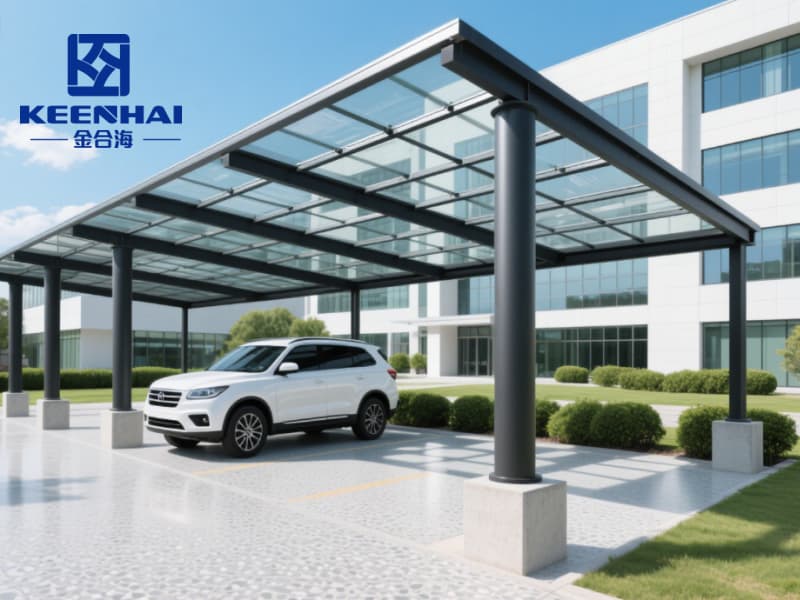
3. Height and Clearance Requirements
Correct height and clearance planning ensures that your Custom Aluminum Carport is not just functional but also convenient for everyday use. Overlooking this can lead to tight fits or limited usability for taller vehicles.
3.1 Choosing Roof Height for Vehicle Clearance
Roof height is critical for vehicle accessibility and protection:
-
Measure the tallest vehicle you own from ground to roof, including roof racks or antennae.
-
Add at least 12–18 inches of additional clearance to ensure easy entry and exit without scraping.
-
Consider wind exposure; taller carports may experience more sway, so a slightly lower roof can enhance structural stability without sacrificing clearance.
Tip: Many homeowners find a roof height between 9–10 feet ideal for standard SUVs and trucks. A higher roof makes the space feel open, but careful attention to posts and support beams ensures safety.
3.2 Planning for Taller Vehicles or Trailers
For taller vehicles, trailers, or recreational vehicles, extra height is non-negotiable:
-
Identify your maximum vehicle height, including any added accessories or seasonal equipment.
-
Allow at least 1–2 feet above this measurement to prevent accidental contact with the roof.
-
If planning a multi-use space, ensure that the overhangs and beams are positioned to avoid interference with vehicle tops.
For multi-vehicle households or those with oversized vehicles, a Heavy-duty Aluminum Carport offers increased vertical clearance and reinforced supports, allowing trucks and trailers to fit comfortably while maintaining durability.
3.3 Adjusting Height for Comfort and Accessibility
Height adjustments can enhance both usability and aesthetics:
-
Consider how people will walk around vehicles, including the possibility of loading items or maneuvering bicycles.
-
Standard door or side clearance should allow at least 6 feet of headroom, reducing the risk of bumping heads when moving around the carport.
-
If installing lighting, gutter systems, or hanging storage, factor in additional overhead space to accommodate accessories without compromising functionality.
A well-planned height balances accessibility, safety, and design, ensuring that the carport not only protects vehicles but also fits seamlessly into your outdoor environment.
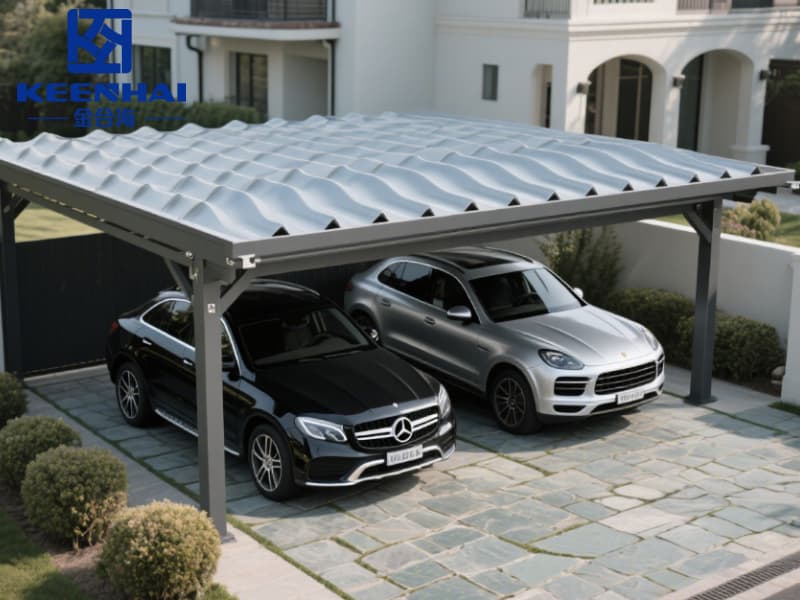
4. Space Layout and Property Constraints
Careful planning of the space ensures that your Custom Aluminum Carport fits seamlessly into your property while remaining fully functional. Overlooking layout details can lead to wasted space, obstructed access, or interference with landscaping.
4.1 Assessing Driveway and Yard Space
Understanding your available space is the first step:
-
Measure the length and width of your driveway or yard, noting any slopes or uneven areas that may require leveling.
-
Identify fixed structures like fences, walls, or garden beds to avoid conflicts.
-
Factor in maneuvering space for vehicles, ensuring that doors can fully open and passengers can move safely.
By carefully mapping your property, you can determine the exact footprint needed for your carport, avoiding surprises during installation.
4.2 Considering Overhangs and Side Access
Side access and roof overhangs directly impact usability:
-
Decide how much overhang you want for rain protection without blocking walkways or neighboring areas.
-
Maintain at least 2–3 feet of side clearance for walking paths and vehicle loading.
-
Align posts and supports to avoid interfering with gates, driveways, or utility access points.
This balance between protection and accessibility ensures the carport functions smoothly for daily use without compromising surrounding space.
4.3 Integrating with Existing Landscaping or Structures
A carport should complement, not disrupt, your outdoor environment:
-
Note the position of trees, shrubs, or garden features that could affect installation or roof height.
-
Consider positioning the carport to blend with house lines or existing decks, maintaining visual harmony.
-
Plan for drainage to prevent water from pooling near plants or foundations, which could affect both the landscaping and the durability of your carport.
By incorporating these considerations, the carport becomes a natural extension of your home while maximizing usability. Proper alignment and integration reduce future maintenance issues and preserve your property's aesthetics.
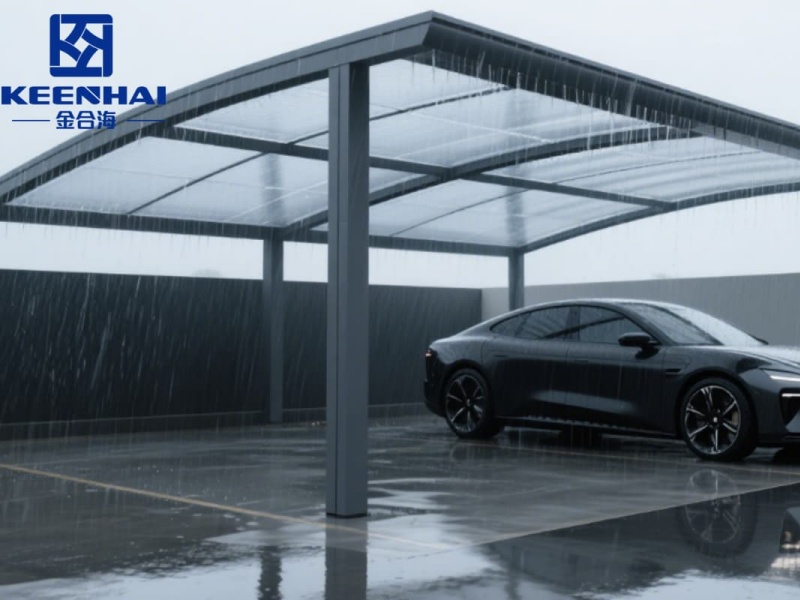
5. Future-Proofing and Expansion Options
Designing your carport with future needs in mind ensures it remains functional and adaptable as your lifestyle evolves. Thoughtful planning now can prevent costly modifications later.
5.1 Allowing Extra Space for New Vehicles
When sizing a Custom Aluminum Carport, anticipate vehicle growth:
-
Measure your current vehicles, then add 2–3 feet of extra width per side to accommodate larger or additional cars.
-
Consider height clearance for SUVs, trucks, or vehicles with roof racks—adding 12–18 inches above current heights can avoid future constraints.
-
Plan the layout so that doors and walkways remain unobstructed even if vehicles change over time.
This approach ensures that your carport remains practical even as your vehicle collection evolves.
5.2 Planning for Storage or Workshop Additions
Many homeowners want more than parking space:
-
Identify areas for integrated storage shelves, cabinets, or a small workshop bench, ideally along one side without blocking vehicle access.
-
Use vertical space efficiently—tall storage units or wall-mounted racks free floor space.
-
Incorporate waterproofing and ventilation measures to protect tools and stored items, maintaining the carport’s longevity.
These design choices make the carport multifunctional while keeping it budget-friendly and organized.
5.3 Modular or Expandable Carport Designs
Choosing a modular approach increases flexibility for future upgrades:
-
Select systems that allow extensions in width or length, letting you add bays as needed.
-
Use standardized panel and post spacing so new sections integrate seamlessly with the existing structure.
-
Consider pre-drilled connection points or adjustable fittings that reduce labor when expanding.
This modular strategy ensures your investment remains adaptable, whether for additional vehicles, recreational equipment, or an enhanced workshop. Planning ahead with expandable options avoids disruptive reconstruction down the line.