
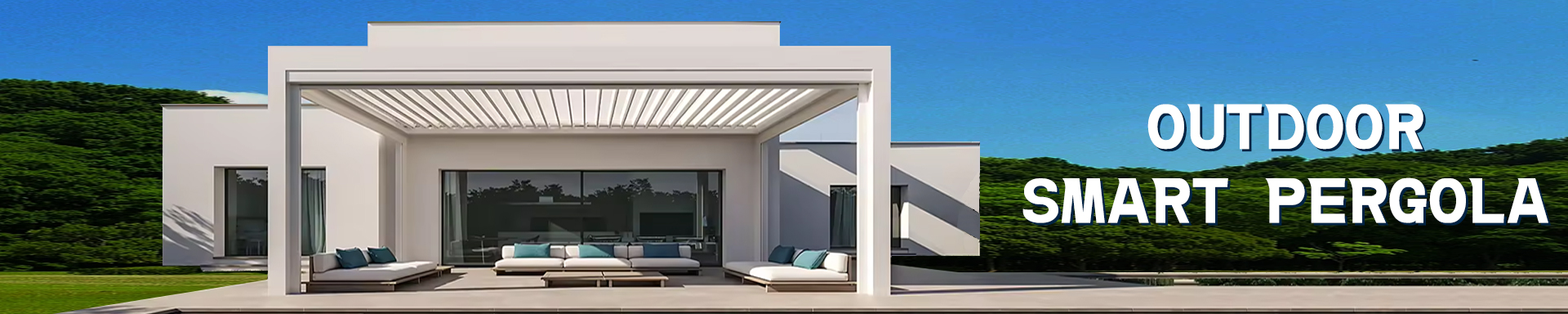
1.Overview of Louvered Pergolas
Louvered pergolas are engineered outdoor structures that allow precise control over sunlight, ventilation, and shade. Unlike traditional fixed pergolas, louvered systems offer adjustable slats that can rotate to block or permit sunlight depending on your needs. Whether installed in a private backyard or a commercial terrace, these pergolas create versatile living spaces while enhancing property aesthetics. A prime example is the louvered pergola,which combines durable aluminum frames with sleek, functional design to deliver a high-end outdoor experience.1.1 Defining Manual and Automatic Systems
Louvered pergolas come in manual and automatic configurations, each serving specific user requirements. Manual systems rely on hand-crank or lever mechanisms, giving the owner direct tactile control over the slats. Automatic or motorized systems integrate electric motors with remote controls or smartphone apps, enabling instant adjustment of louvers for sun, rain, or ventilation. Motorized options like the Aluminum motorized pergola offer convenience for large terraces or spaces where frequent adjustment is required.Here’s a concise comparison of the two systems:
| Feature | Manual Louvered Pergola | Automatic Louvered Pergola |
|---|---|---|
| Operation | Hand-crank / Lever | Electric motor with remote/app |
| Adjustment Speed | Slower, requires effort | Instant, effortless |
| Maintenance | Minimal mechanical upkeep | Requires occasional motor check |
| Ideal Use | Small patios or areas with low adjustment frequency | Large terraces, commercial settings, frequent use |
1.2 Common Uses and Applications
Louvered pergolas are widely adopted in both residential and commercial settings due to their flexibility and durability. Homeowners install them for backyard patios, poolside lounges, or garden terraces, providing a comfortable outdoor living space with customizable sunlight. In hospitality and restaurant environments, these pergolas create all-weather seating areas, extending usable space and enhancing customer comfort. For larger residential setups, integrating a modern aluminum pergola house can provide full outdoor coverage while maintaining contemporary aesthetics. Additionally, automated models are perfect for rooftop terraces, hotel patios, and luxury resorts where convenience and precise control are essential.This structure allows homeowners and business operators alike to maximize usability of outdoor areas regardless of weather conditions, while adding value and a modern design statement.
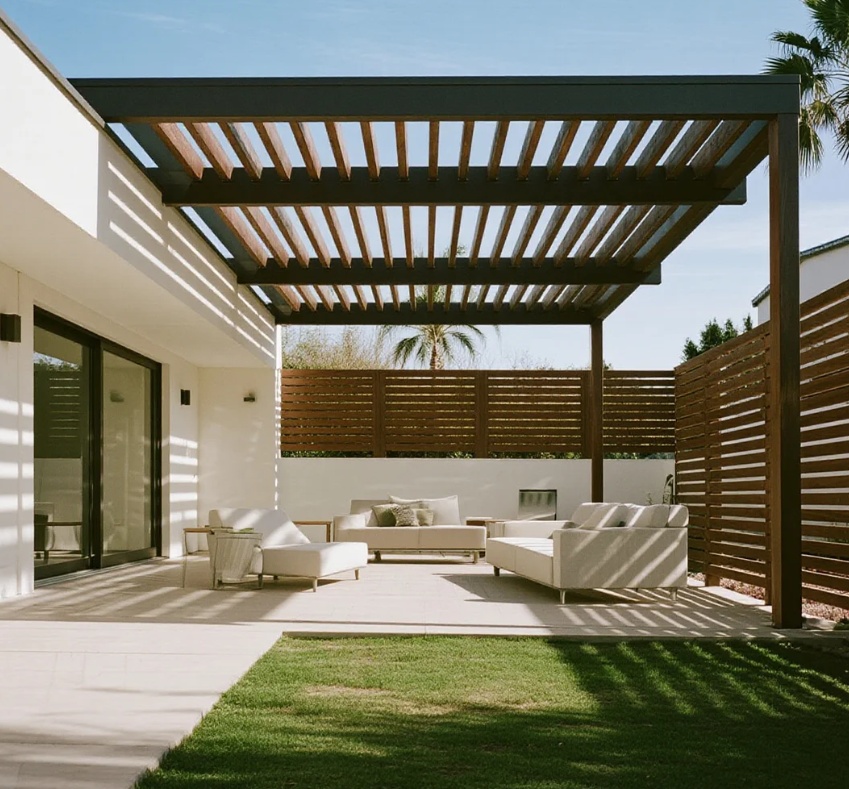
2. Operational Differences
Understanding the operational distinctions between manual and motorized louver systems is critical when selecting the right outdoor shade solution for your space. These differences affect not only daily usability but also long-term convenience and performance. By evaluating mechanisms, precision, and effort, you can ensure your pergola meets both lifestyle and functional requirements.
2.1 Manual Louver Adjustment Mechanisms
Manual louvered pergolas utilize hand-crank or lever systems to rotate the adjustable louvers. This design provides direct tactile control, allowing users to incrementally adjust slats for sunlight, shade, or ventilation. Typical steps for manual adjustment include:
-
Locate the control lever or crank on the side of the pergola frame.
-
Engage the mechanism by turning or pulling steadily.
-
Stop rotation once the desired louver angle is achieved.
Manual systems are often preferred for smaller patios or intimate outdoor areas, where adjustments are infrequent. The simplicity of this mechanism also reduces mechanical maintenance requirements and eliminates electrical dependency.
2.2 Automatic and Motorized Louvers
Motorized pergolas integrate electric motors with remote control, wall switches, or smart app connectivity. This allows instant louver adjustment without physical effort. Imagine installing a motorized aluminum pergola on your rooftop terrace to control sunlight with the touch of a button, providing comfort and flexibility for any time of day.
Key features include:
-
Remote or app-based control for precise louver positioning.
-
Programmable settings to respond automatically to sunlight or rain.
-
Integration with smart home systems for automated outdoor comfort management.
These systems are ideal for larger spaces or commercial terraces, where frequent adjustments are necessary and convenience is paramount.
2.3 Speed, Precision, and Ease of Use Comparison
Comparing manual and motorized louvered pergolas highlights clear operational differences. Below is a practical table illustrating these contrasts:
| Feature | Manual Louvers | Motorized Louvers |
|---|---|---|
| Adjustment Speed | Moderate, requires user effort | Instant, motor-driven |
| Precision | Limited to user control | High, can program exact angles |
| User Effort | Physical rotation needed | Effortless, push-button or app control |
| Ideal Scale | Small patios, residential use | Large terraces, commercial applications |
| Integration | Standalone | Smart home and automation compatible |
Understanding these differences allows homeowners and business operators to select a louver system that balances convenience, cost, and functionality. Both options enhance outdoor comfort, but motorized solutions offer unmatched precision and efficiency for high-use areas.
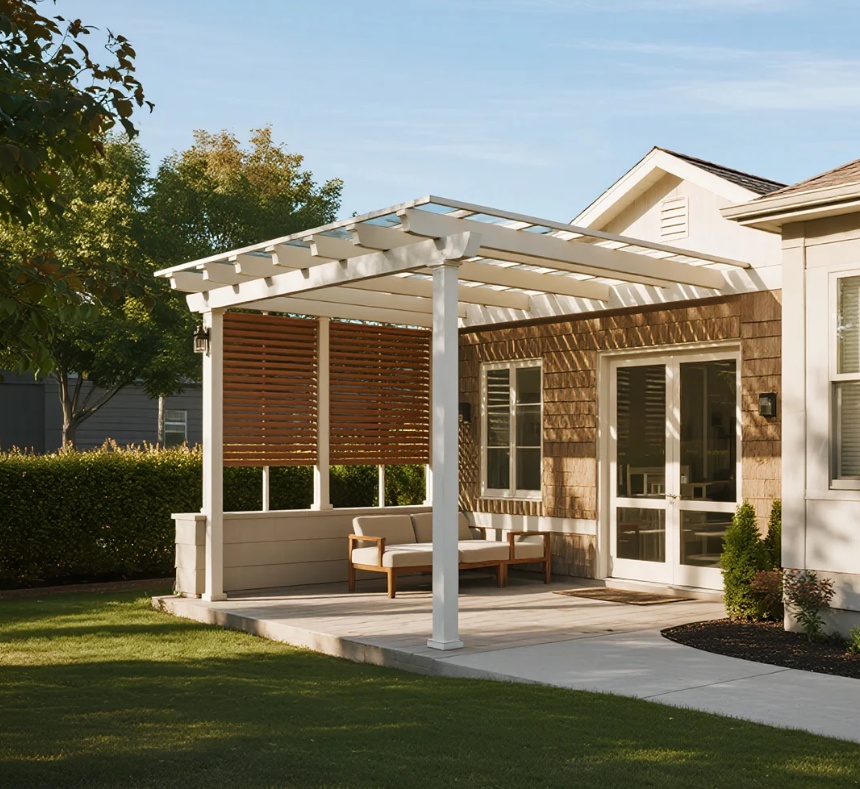
3. Material and Build Considerations
Selecting the right materials is crucial for a long-lasting and functional louvered pergola. The choice directly impacts durability, maintenance needs, and the performance of adjustable louvers, whether manual or motorized. Understanding material strengths and weaknesses ensures your pergola performs optimally in different climates and usage scenarios.
3.1 Frame Materials Suitable for Manual Systems
Manual pergolas benefit from frames that balance strength and ease of handling. Aluminum and powder-coated steel are popular choices due to their lightweight, corrosion-resistant properties, making louver adjustments smooth and effortless. Wood options like cedar or redwood offer a classic aesthetic but require regular sealing and maintenance to prevent warping and weather damage.
When selecting frame materials:
-
Check weight and rigidity to ensure the manual crank can operate smoothly without excessive strain.
-
Assess environmental resilience, especially if installed in areas with high humidity or heavy rainfall.
-
Consider aesthetic integration with surrounding architecture for a visually cohesive outdoor space.
For premium aluminum designs, you can explore examples like the Aluminum pergola house to see real-world installations combining durability and style.
3.2 Frame Materials Suitable for Automatic Systems
Motorized pergolas require robust frames that support the weight of motors and moving louvers while maintaining structural integrity over repeated use. Extruded aluminum is ideal for these applications because it provides high tensile strength, low maintenance, and smooth integration with motorized adjustment mechanisms.
Key considerations include:
-
Reinforced corner and cross beams to withstand continuous rotation and vibration.
-
Compatibility with electronic components, ensuring wiring and sensors are safely housed.
-
Corrosion resistance, particularly for coastal or high-moisture environments.
Integrating a motorized aluminum pergola in a backyard terrace allows effortless control while benefiting from sturdy, long-lasting materials.
3.3 Durability and Maintenance Factors
Whether manual or automatic, durability and upkeep are central to long-term satisfaction. Aluminum frames resist rust, require minimal cleaning, and maintain color for decades, while wood frames may need seasonal sealing, sanding, or painting.
Consider these maintenance steps:
-
Inspect all joints and fasteners quarterly for loosening or wear.
-
Lubricate movable parts of adjustable louvers every 6 months to maintain smooth operation.
-
Clean aluminum surfaces with mild soap and water to prevent surface oxidation.
-
Treat wooden frames with appropriate sealants to prevent moisture damage and fading.
By selecting the correct material and following routine maintenance, your louvered pergola—whether a sleek manual model or a fully automated system—will provide reliable performance, comfort, and aesthetic appeal for years.
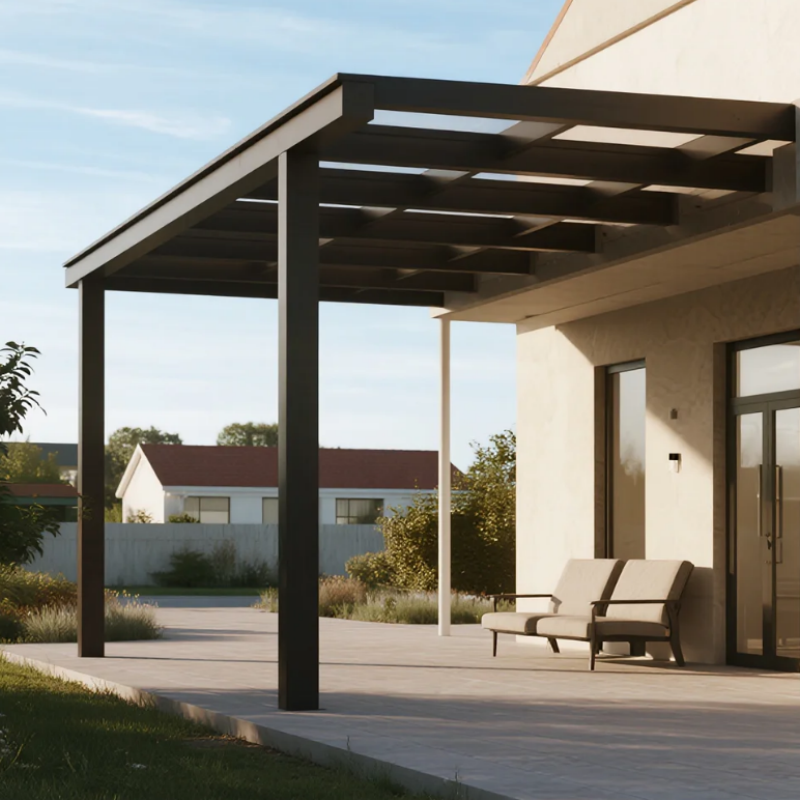
4. Cost Comparison and Budgeting
Understanding the financial implications of installing a louvered pergola is essential for homeowners planning an outdoor upgrade. Both manual and motorized systems vary widely in initial investment, ongoing maintenance, and operational costs. A detailed analysis helps ensure your project remains within budget while maximizing long-term value.
4.1 Initial Investment and Installation Costs
The upfront cost of a pergola depends on material choice, size, and whether the system is manual or motorized. Manual adjustable louvers are generally more affordable, with average installations ranging from $2,500 to $6,000 for standard sizes. Motorized systems, in contrast, start around $7,000 and can exceed $15,000, especially for fully integrated aluminum motorized pergolas with advanced sensors and remote control features.
Key installation considerations include:
-
Labor and professional installation – skilled technicians ensure correct alignment and secure anchoring.
-
Material quality – high-grade aluminum or corrosion-resistant metals increase durability but add to cost.
-
Site preparation – leveling, drainage adjustments, and foundation work impact total expenses.
For reference, premium aluminum designs can be explored in real installations like the Aluminum motorized pergola to gauge costs versus functionality.
4.2 Long-Term Maintenance Costs
Ongoing maintenance significantly affects the total cost of ownership. Manual systems require minimal energy but may need occasional lubrication of moving parts. Motorized pergolas incur slightly higher maintenance costs due to electronic components and motor servicing.
Maintenance actions to consider:
-
Quarterly inspection of joints, fasteners, and louver alignment to prevent wear.
-
Lubricate pivot points or tracks every 6 months for smooth operation.
-
Clean surfaces and remove debris regularly to avoid corrosion or obstruction.
When comparing longevity, aluminum systems outperform wood in both durability and low-maintenance requirements, making them a cost-efficient long-term investment.
4.3 Energy and Power Considerations for Motorized Systems
Motorized louvered pergolas rely on electrical power, and energy efficiency can influence both operational cost and environmental impact. Most modern motors use low-voltage systems (typically 24V or 12V), consuming minimal energy per operation.
Points to optimize energy usage include:
-
Integrate solar panels or smart home systems to reduce electricity costs.
-
Program automated louver cycles to open and close based on sunlight intensity or weather conditions.
-
Regularly check electrical connections to ensure safe and efficient performance.
Investing in a motorized outdoor shade solution may slightly increase energy expenses but enhances convenience, precise sun control, and comfort, often outweighing the modest operational cost.
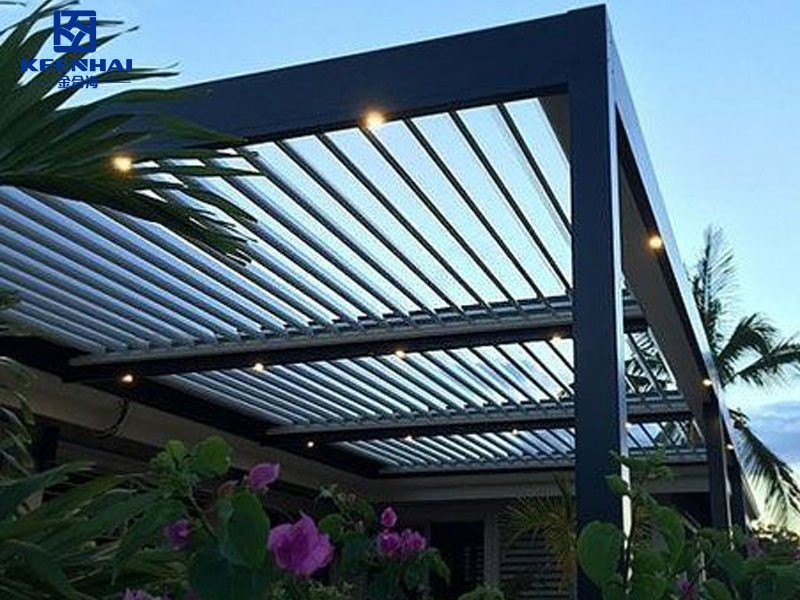
5. Performance and Environmental Factors
When comparing manual and automatic louvered pergolas, performance under different environmental conditions is a decisive factor. Homeowners need a structure that not only withstands weather but also offers smooth operation, comfort, and energy-efficient sunlight control.
5.1 Weather Resistance and Load-Bearing Capacity
The durability of a louvered pergola depends heavily on frame materials and construction quality. Aluminum pergolas excel in resisting corrosion, high humidity, and UV exposure, while wood frames often require protective coatings and more frequent upkeep.
Key performance indicators include:
-
Wind resistance – aluminum systems can typically withstand gusts up to 90–100 mph, especially when anchored correctly.
-
Snow and rain load – motorized louver systems with reinforced cross beams support heavier loads without warping or sagging.
-
Structural integrity checks – ensure posts, anchors, and fasteners meet load-bearing specifications for your region.
For example, a motorized aluminum pergola installed on a terrace can endure seasonal snow accumulation while maintaining louver alignment, providing peace of mind and long-term reliability.
5.2 Adaptability to Sunlight and Rain
One of the most significant advantages of louvered pergolas is their adaptability to changing weather. Manual louvers require physical adjustment, while motorized systems allow automated sun tracking and rain closure.
Practical considerations include:
-
Adjustable louver angles – tilt between 0° and 140° to optimize shade, ventilation, and sunlight penetration.
-
Integrated rain sensors – automatically close louvers during rainfall to protect furniture and flooring.
-
UV-reflective coatings – reduce heat absorption while maintaining light control.
These features make the pergola a flexible outdoor shade solution, enhancing comfort for patios, decks, or poolside areas.
5.3 Noise Levels and Operational Smoothness
Operational quality is particularly relevant for motorized systems, where noise and movement precision affect user experience. High-quality motors and bearings reduce friction, resulting in quiet louver adjustment.
Factors to consider:
-
Motor noise level – high-end motors operate at 35–50 dB, roughly equivalent to a quiet conversation.
-
Smooth louver rotation – ensures even shading and minimizes wear on mechanical components.
-
Maintenance of moving parts – regular lubrication and cleaning of tracks prevent squeaks and jerky motion.
When installed correctly, both manual and automatic systems deliver reliable performance, but automated solutions provide superior convenience, especially in environments with frequent weather changes.
When deciding between a manual and automatic louvered pergola, it ultimately comes down to lifestyle, convenience, and environmental adaptability. Manual systems offer straightforward, durable shading control with minimal maintenance, while motorized solutions provide precise adjustment, automated weather response, and enhanced comfort. Both options can transform outdoor spaces, but automatic systems excel in efficiency and effortless usability. Selecting the right system ensures optimal sunlight control, long-term durability, and a pleasant outdoor experience for years to come.