
1.Choosing Your Louvered Pergola
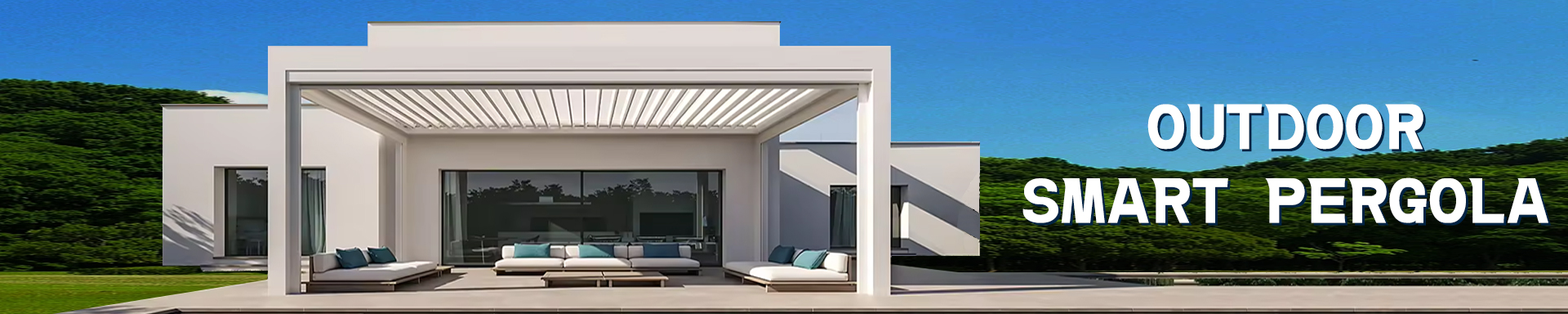
Selecting the perfect louvered pergola starts with understanding your outdoor space and lifestyle needs. A well-chosen pergola balances size, materials, and louver functionality to create a comfortable, long-lasting structure. Begin by evaluating the area where the pergola will sit and consider natural light, airflow, and any existing features. This early assessment ensures your final selection enhances your outdoor experience.
1.1 Selecting the Right Size and Shape for Your Space
Size and shape determine both function and aesthetics. Start by measuring your patio or garden using a laser or tape measure to ensure precision. Consider these steps:
-
Measure the total length and width of the area.
-
Account for clearance around furniture and pathways.
-
Plan for overhangs to protect from rain and sun exposure.
-
Visualize multiple layouts using software or sketches to avoid space constraints.
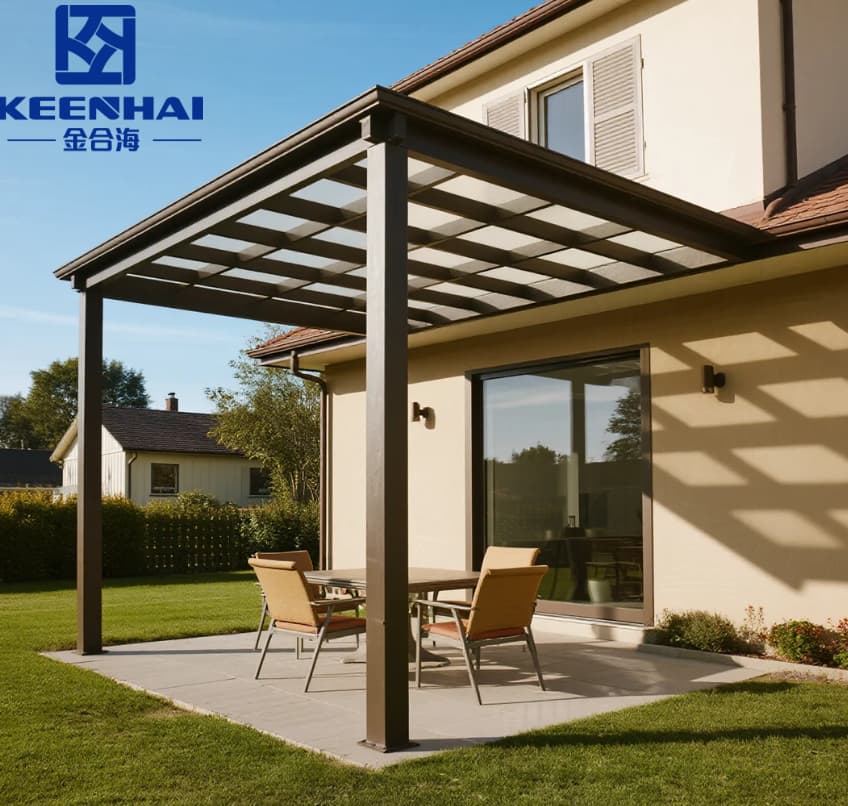
Rectangular pergolas suit narrow patios, while square or L-shaped designs work well in corner gardens. In some modern homes, homeowners pair an Aluminum pergola house with angled louvers to maximize shade and airflow.
1.2 Material Options: Aluminum, Wood, and Finishes
Material choice impacts durability, maintenance, and appearance. Aluminum pergolas offer rust-free longevity, lightweight handling, and compatibility with motorized louvers. Wood provides a classic look but demands regular sealing and protection against moisture. Consider these comparisons:
| Material | Durability | Maintenance | Ideal Use |
|---|---|---|---|
| Aluminum | High, rust-resistant | Low, occasional cleaning | Modern, low-maintenance spaces |
| Wood | Moderate, may warp | High, sealing & staining yearly | Traditional gardens, natural aesthetics |
Powder-coated finishes on aluminum resist fading and weather damage, while natural wood finishes bring warmth. You can also explore custom colors and textures to complement your home exterior, enhancing both curb appeal and functional integration.
1.3 Manual vs. Motorized Louver Systems
Choosing the louver operation method defines your convenience and control. Manual louvers are cost-effective and simple but require physical adjustment, whereas motorized systems allow remote or automated control for sunlight, shade, and ventilation. For example, pairing a motorized setup with an Aluminum motorized pergola ensures effortless seasonal adjustments. When deciding, consider:
-
Daily usage frequency.
-
Integration with smart home systems.
-
Safety and ease of maintenance.
Motorized louvers provide consistent performance and can even be synced with weather sensors for automatic tilt adjustments, optimizing comfort without manual intervention. Choosing the right system early ensures your pergola remains functional and enjoyable for years.
2. Preparing Your Outdoor Area
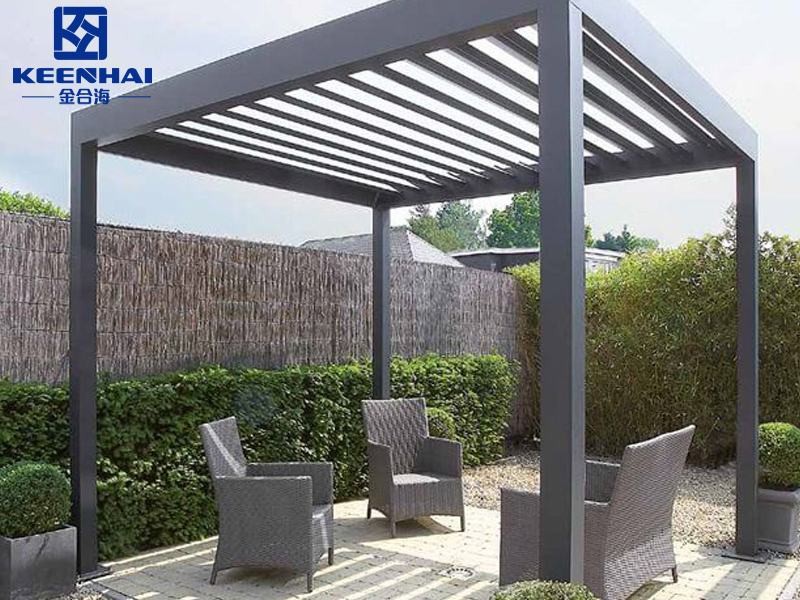
Proper preparation of your outdoor space ensures your louvered pergola fits seamlessly and performs optimally. Accurate measurements, sunlight evaluation, and landscaping adjustments are critical steps that prevent costly mistakes and maximize enjoyment. Taking the time to detail your patio or garden layout guarantees that the pergola complements existing features and provides ideal shade, airflow, and rain protection throughout the year.
2.1 Measuring Patio or Garden Dimensions Accurately
Precision starts with measurement. Use a laser or tape measure to record:
-
Total length and width of the area.
-
Heights of surrounding walls or fences.
-
Clearance for furniture and walkways.
-
Distance to power sources if installing motorized louvers.
After measurements, sketch the layout to visualize placement. For irregularly shaped gardens, break the area into sections and measure each individually to avoid gaps or overlap. Homeowners who paired an Aluminum pergola house with angled louvers found this step critical for precise installation and seamless integration with existing outdoor furniture.
2.2 Assessing Sunlight, Shade, and Rain Exposure
Sun, shade, and rainfall patterns dictate louver positioning. Track sunlight angles at different times of the day for at least 3 days. Consider:
-
Areas of full sun exposure.
-
Spots with natural shade from trees or structures.
-
Prevailing wind and rain directions.
-
Seasonal changes in sunlight and shadow patterns.
By documenting these conditions, you can optimize louver angles to maximize comfort and energy efficiency. Motorized systems allow dynamic adjustment, whereas manual louvers require planning to ensure key seating or dining areas remain shaded or dry during unpredictable weather.
2.3 Clearing or Adjusting Landscaping for Installation
Preparing the ground is essential before assembly. Steps include:
-
Remove debris, rocks, or unstable plants in the pergola footprint.
-
Trim overhanging branches that may interfere with louver operation.
-
Level the area to prevent structural stress.
-
Consider protective flooring, such as pavers or concrete pads, to enhance durability.
Proper landscaping adjustment ensures stability and safety, and also improves visual harmony with the surrounding environment. Owners combining Aluminum Modern Gazebo or Aluminum motorized pergola installations reported smoother setup and superior seasonal performance when these preparatory steps were meticulously followed.
3. Purchasing and Ordering Process
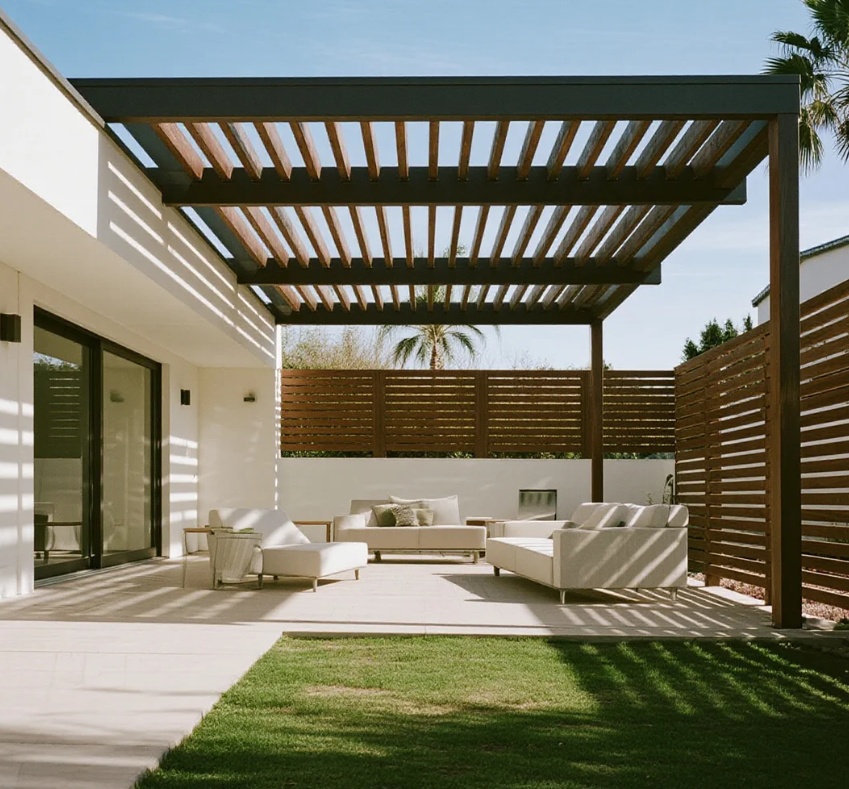
Navigating the purchase and order process for a louvered pergola requires attention to detail and strategic planning. Understanding the differences between prefabricated and fully custom models, gathering accurate supplier quotes, and confirming precise specifications ensures your pergola arrives on time and meets your functional and aesthetic expectations. Careful selection also reduces installation challenges and prevents costly modifications.
3.1 Comparing Prefabricated and Custom Pergolas
Choosing between prefabricated and custom pergolas depends on your site, budget, and design goals. Consider these points:
| Feature | Prefabricated | Custom |
|---|---|---|
| Lead Time | 1–3 weeks | 4–8 weeks |
| Size Options | Standardized | Tailored to measurements |
| Material Choices | Limited | Full range of aluminum, wood, and finishes |
| Cost | Lower upfront | Higher initial investment, higher long-term value |
| Installation | Simplified | Requires precise planning and possible professional support |
Prefabricated units are ideal for standard patios and quick installation, while custom models allow exact sizing, unique finishes, and integration with irregular layouts. Many homeowners opting for an Aluminum motorized pergola appreciated the ability to fine-tune louver settings and color choices, which prefabricated units cannot fully accommodate.
3.2 Gathering Supplier Quotes and Lead Times
Accurate quotes and realistic lead times prevent surprises. To streamline the process:
-
Contact at least 3 suppliers to compare costs, delivery schedules, and included services.
-
Provide detailed measurements, preferred materials, and louver system type.
-
Ask about additional fees for custom colors, motorized louvers, or expedited shipping.
-
Request estimated installation timelines to align with your home improvement schedule.
By documenting these details, you ensure quotes reflect actual project requirements, avoid hidden costs, and confirm which suppliers can meet urgent timelines. Many customers found that early communication significantly sped up the installation of Aluminum pergola house units.
3.3 Confirming Specifications and Delivery Options
Before finalizing your order, double-check all specifications. Steps include:
-
Review material types, finish colors, and structural dimensions.
-
Confirm louver system type, motorized or manual, and control options.
-
Verify shipping method, lead times, and delivery insurance.
-
Ensure installer support is available if required.
Confirming these details upfront reduces errors and ensures your pergola matches your expectations perfectly. For aluminum-based solutions like the Aluminum Modern Gazebo, specifying powder-coated finishes and precise dimensions prevents costly adjustments post-delivery, delivering a seamless and durable outdoor upgrade.
4. Installation Steps and Tips
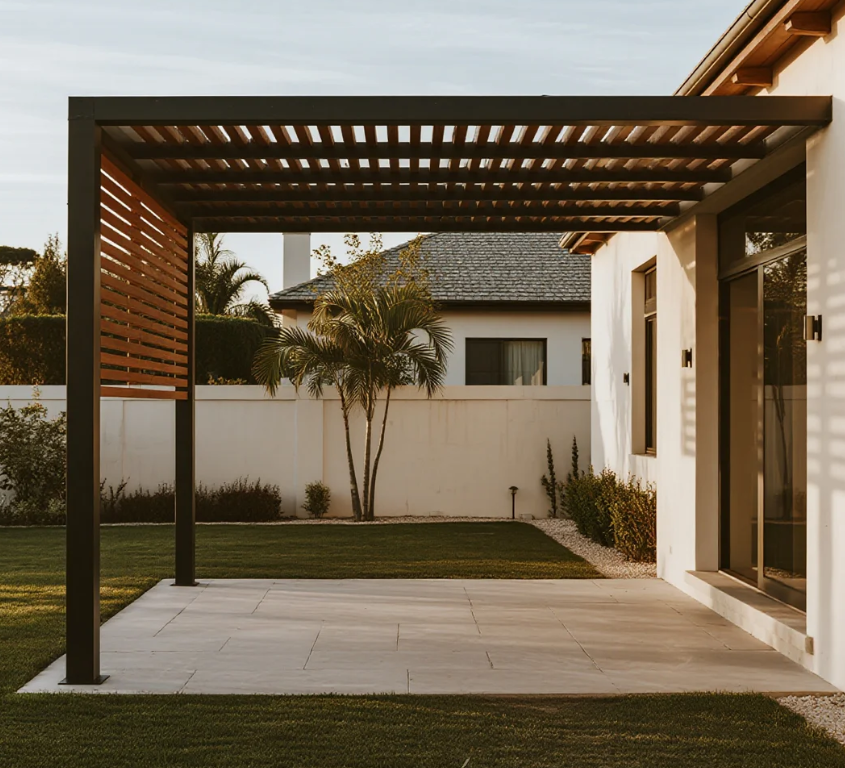
Installing a louvered pergola properly ensures safety, longevity, and optimal performance. Whether you’re tackling a DIY project or hiring professionals, preparation is key. Understanding tools, assembly steps, and louver adjustment techniques prevents common mistakes and enhances your outdoor living space efficiently.
4.1 Required Tools and Equipment for DIY or Professional Installation
Before starting, gather all necessary tools to streamline the installation process:
-
Electric drill with bits for wood or aluminum.
-
Level, measuring tape, and chalk line for precise alignment.
-
Adjustable wrench and screwdrivers.
-
Ladder or scaffolding depending on pergola height.
-
Safety gear: gloves, goggles, and hard hats if installing large structures.
Professional installers may bring additional equipment, like torque drivers or hydraulic lifts, especially for Aluminum automated pergola systems, ensuring the frame and louvers are positioned accurately and securely.
4.2 Step-by-Step Assembly and Securing the Structure
Assembly requires careful sequencing and attention to detail:
-
Prepare and level the foundation or mounting surface.
-
Position base posts and anchor them using bolts or concrete footings.
-
Connect horizontal beams to posts, confirming alignment with a level.
-
Secure crossbeams and side supports with manufacturer-specified hardware.
-
Double-check structural stability before proceeding to louver installation.
Following this process ensures that the pergola frame is structurally sound, prevents wobbling or uneven stress, and allows smooth louver operation after installation.
4.3 Installing Louvers and Adjusting for Optimal Performance
Proper louver installation maximizes comfort and weather control:
-
Attach louvers to the rotating or sliding mechanism according to the manual.
-
Ensure each louver is aligned to prevent gaps that may allow water leakage.
-
Adjust angle settings to optimize sun exposure and rain runoff.
-
Test manual rotation or motorized functions for smooth operation.
-
Fine-tune seasonal settings for maximum shading and ventilation.
For advanced setups like a motorized or Aluminum motorized pergola, calibrating the louvers electronically ensures consistent performance, prolonging equipment life and delivering a comfortable outdoor environment year-round.
5. Maintenance and Seasonal Adjustments
Proper maintenance keeps your louvered pergola looking pristine and functioning smoothly for years. Neglecting care can lead to corrosion, louver misalignment, or motor issues, so a structured seasonal routine ensures durability and optimal comfort.
5.1 Cleaning and Protecting Materials from Weathering
Regular cleaning protects surfaces from dirt, debris, and weather damage:
-
Rinse aluminum or coated surfaces with water to remove dust.
-
Use mild soap and a soft brush for stubborn stains, avoiding abrasive materials.
-
For wooden pergolas, apply water-resistant sealants annually to prevent cracking or discoloration.
-
Inspect for chips or scratches and touch up with paint or protective coating.
Powder-coated and weather-resistant finishes, common on Aluminum pergola house structures, extend lifespan and maintain aesthetic appeal while reducing corrosion risk.
5.2 Lubricating and Maintaining Louver Mechanisms
Smooth louver operation depends on proper lubrication and mechanical checks:
-
Identify pivot points, hinges, and sliding mechanisms.
-
Apply silicone-based or manufacturer-recommended lubricant to reduce friction.
-
Check motorized systems for loose wiring or unusual noises.
-
Tighten screws and bolts to prevent misalignment during seasonal expansion or contraction.
Regular maintenance prevents operational issues and ensures that motorized or manual louver adjustments remain effortless throughout the year.
5.3 Adjusting Louvers for Comfort in Different Seasons
Seasonal adjustments maximize comfort, energy efficiency, and protection:
-
In summer, angle louvers to block harsh sunlight while allowing ventilation.
-
During rainy months, set louvers to a closed or slightly tilted position for effective water runoff.
-
In winter, adjust to let more sunlight in, helping warm outdoor spaces naturally.
-
For motorized systems, program automatic settings for consistent seasonal comfort.
By systematically managing angles and louver positioning, homeowners can enjoy a flexible, weather-adaptive outdoor environment, making the pergola a comfortable and functional addition all year round.
Investing in a louvered pergola transforms your outdoor space into a versatile, stylish, and comfortable retreat. From selecting the right materials and louver system to precise installation and seasonal adjustments, a well-planned pergola enhances both usability and aesthetic appeal. With proper care and thoughtful choices, you can enjoy a functional outdoor area that adapts seamlessly to sun, rain, and seasonal changes, elevating your home’s value and lifestyle experience.