

1. Key Differences Between Multi-car and Single-car Solar Carports
Choosing between a Multi-car Solar Carport and a single-car solar carport depends on the number of vehicles, space availability, and energy goals. While both provide shade and renewable energy, their capacity, cost, efficiency, and design vary significantly.
1.1 Capacity and Space Requirements
The most obvious difference is how many vehicles each structure can accommodate. A single-car solar carport typically covers one vehicle and fits comfortably in standard driveways, usually around 12 x 20 feet. Multi-car solar carports, however, can protect two to four vehicles or more, depending on the layout. For families with multiple cars, a multi-car structure ensures every vehicle is sheltered while allowing extra space for bicycles, trailers, or EV charging stations.
| Feature | Single-car Solar Carport | Multi-car Solar Carport |
|---|---|---|
| Vehicle Capacity | 1 car | 2–4 cars or more |
| Typical Footprint | 12 x 20 ft | 24–40 x 20 ft (depending on vehicles) |
| Driveway Flexibility | High | Requires wider or longer space |
| Extra Storage Options | Limited | Can include storage racks or EV chargers |
Multi-car carports are especially useful for households that anticipate adding vehicles or need flexible space for outdoor storage, while single-car units suit compact spaces and smaller households.
1.2 Cost Comparison: Initial Investment and Maintenance
Initial costs differ significantly between the two options. A single-car solar carport usually ranges from $3,000 to $7,000, depending on materials and panel type. Multi-car solar carports start around $7,000 and can exceed $15,000 for larger or customized setups. Maintenance requirements increase slightly with size, since multi-car structures have more panels and roof surface to monitor, but the energy output per vehicle is higher, making the investment worthwhile over time.
| Cost Aspect | Single-car | Multi-car |
|---|---|---|
| Installation | $3,000–$7,000 | $7,000–$15,000+ |
| Solar Panel Output | 3–5 kW | 6–15 kW (depending on size) |
| Maintenance | Low | Moderate |
Overall, if you want coverage for multiple vehicles and higher energy generation, the multi-car option provides stronger long-term value.
1.3 Solar Panel Efficiency and Energy Output
Multi-car solar carports accommodate more panels, which directly increases energy production. A well-designed multi-car setup with 12–15 panels can generate 4,000–6,000 kWh per year, enough to power household appliances and charge electric vehicles. In comparison, a single-car carport producing 1,500–2,500 kWh annually is sufficient for small households but limited for multiple EVs or larger energy needs.
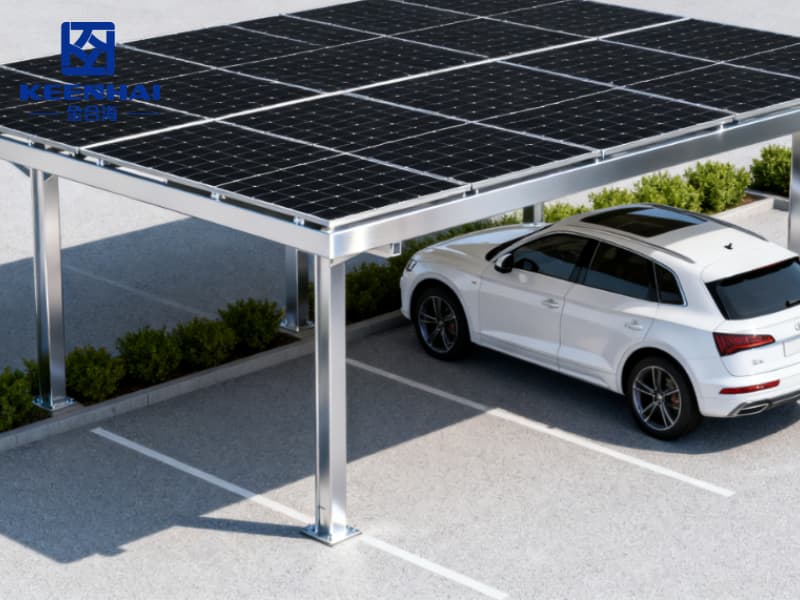
Installing a Freestanding Solar Aluminum Carport for two SUVs, for example, allows for 15 solar panels across the roof, producing over 5,000 kWh a year while keeping all vehicles shaded and safe.
1.4 Structural Design and Material Differences
Design and materials also set these carports apart. Single-car solar carports typically use simple aluminum or steel frames suitable for compact areas. Multi-car solar carports require reinforced beams to handle larger spans and heavier panel loads. Materials commonly used include lightweight Aluminum Solar Carport frames for residential use, Custom Solar Aluminum Carport for uniquely shaped driveways, or freestanding aluminum structures for flexibility.
For example, a multi-car aluminum carport installed in a suburban backyard can hold 15 panels without sagging while maintaining a sleek, modern appearance. The extra structural support ensures durability in high wind or snow conditions, making it a reliable long-term solution.
2. Assessing Your Parking Needs
Choosing the right carport starts with a clear understanding of your current and future parking needs. A well-planned setup ensures all vehicles are covered, solar panels operate efficiently, and space is used optimally.
2.1 Number of Vehicles in Your Household
The number of cars you own directly determines whether a single-car or multi-car solar carport is suitable. For a household with one vehicle, a single-car structure may suffice. However, families with two or more vehicles will benefit from a double or triple vehicle solar carport, which keeps all cars shaded and protected.
Consider the following when evaluating vehicle count:
-
Count daily-use vehicles separately from weekend or seasonal cars.
-
Include future acquisitions like new family cars or EVs.
-
Take note of vehicles requiring charging stations, as this may affect panel placement.
For example, a typical two-car family with a mid-sized SUV and a compact sedan would require at least 24–28 feet of linear coverage to accommodate both cars comfortably while allowing clearance for doors to open. This ensures safe maneuvering and keeps panels from shading any parked vehicle.
2.2 Vehicle Size and Clearance Considerations
Vehicle dimensions are crucial for both comfort and structural planning. Standard cars need about 7–8 feet of width each and 6–7 feet of height clearance under a carport. SUVs and trucks often require 8–10 feet width and up to 8 feet height.
When planning for a multi-car solar carport, it is important to:
-
Measure the largest vehicle first.
-
Allow 3–4 feet extra between vehicles for door clearance.
-
Ensure roof height accounts for snow accumulation, if relevant.
-
Position panels to minimize shadowing across all vehicles.
Using these calculations, a triple-car setup with two SUVs and one sedan would require a minimum of 30–36 feet width and 8–9 feet height. For narrower driveways, consider angled parking or custom-length structures to maximize efficiency without compromising vehicle protection.
2.3 Future-proofing for Additional Cars
Planning ahead avoids the hassle of upgrading your carport too soon. Even if your household currently has one or two vehicles, think about long-term needs. A multi-vehicle solar carport offers scalability, accommodating future cars or small trucks without major modifications.
Steps to future-proof your installation:
-
Assess current driveway length and width.
-
Determine potential vehicle growth in the next 5–10 years.
-
Choose a structure that allows modular panel expansion.
-
Include space for EV charging stations or extra storage racks.
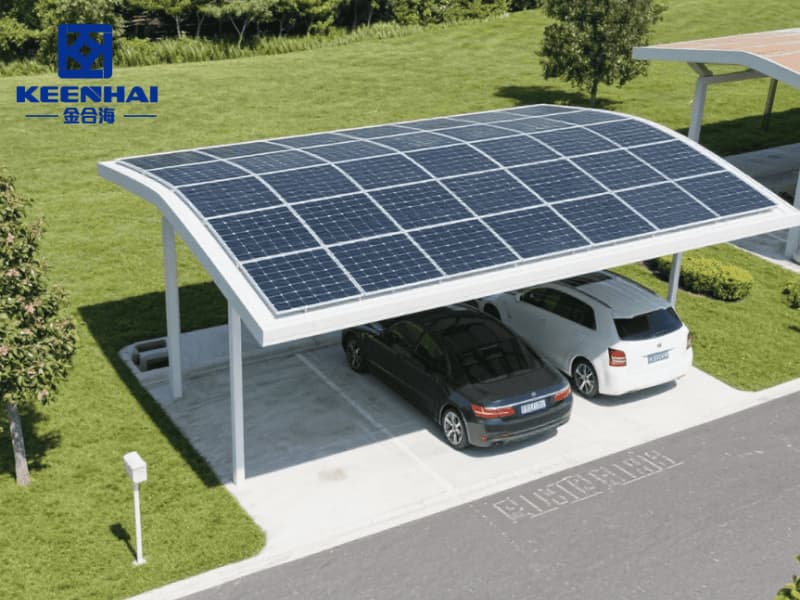
A well-planned multi-car setup can handle up to four vehicles while maintaining full solar exposure and ensuring all cars remain shaded, providing both convenience and energy savings. By accounting for vehicle growth now, you avoid the cost and downtime associated with retrofitting a smaller carport later.
3. Financial Considerations
When evaluating carport options, the financial aspect is often the key driver for decision-making. Both single-car and multi-car solar carports involve upfront investment, but the long-term savings and incentives can make larger structures more cost-effective over time.
3.1 Upfront Costs of Multi-car vs Single-car Carports
Initial installation costs differ depending on size, materials, and solar capacity. A single-car carport typically costs $3,000–$7,000, including aluminum framing and basic solar panels. In contrast, a multi-car setup can range from $7,000 to $15,000 or more, particularly for premium designs with multiple solar panels and reinforced structural beams.
The cost components generally include:
-
Structural frame: Aluminum or steel, with larger multi-car frames requiring additional reinforcements.
-
Solar panels and inverters: Larger roofs accommodate more panels, increasing energy output but also material costs.
-
Labor and installation: Multi-car structures often take 2–3 days longer to install, especially when panels must be wired across multiple spans.
-
Permits and inspections: Costs vary by municipality, typically $200–$600 depending on size and location.
Even though the initial outlay for a multi-car solar carport is higher, it covers multiple vehicles while producing more electricity, offering better value per vehicle compared to a single-car unit.
3.2 Long-term Energy Savings and ROI
Energy production is where multi-car solar structures shine. On average, a single-car setup generates 1,500–2,500 kWh per year, reducing modest household electricity costs. A larger multi-vehicle solar carport can produce 4,000–6,000 kWh annually, enough to offset significant portions of utility bills and charge electric vehicles.
Calculating ROI involves:
-
Estimating annual electricity savings based on local utility rates.
-
Accounting for maintenance costs, typically $100–$300 per year for multi-car installations.
-
Dividing net annual savings into the initial investment to determine payback period, often 5–7 years for multi-car systems depending on panel efficiency and household energy usage.
For households with multiple vehicles or plans to add EVs, investing in a multi-car solar carport not only provides coverage but also accelerates long-term savings compared to installing separate single-car units.
3.3 Financing Options and Incentives
Several strategies make these carports more affordable:
-
Government rebates and tax credits: In the U.S., the federal solar tax credit can cover up to 30% of eligible system costs.
-
Local utility incentives: Many utilities offer additional rebates or net metering programs to further reduce costs.
-
Financing plans: Some companies provide 12–60 month low-interest loans or lease-to-own options, spreading out the upfront investment.
-
Bulk installation discounts: Multi-car or custom setups often receive per-panel cost reductions compared to multiple single-car installations.
By evaluating all incentives and financing strategies, homeowners can significantly reduce the upfront burden and achieve a shorter payback period, especially with a multi-vehicle system. Planning carefully ensures you maximize both coverage and energy efficiency without unnecessary expense.
4. Installation and Space Constraints
Proper installation and planning are critical to ensure that a solar carport functions efficiently and safely. The differences in footprint, complexity, and accessibility between single-car and multi-car solar carports can influence both the installation process and long-term usability.
4.1 Site Requirements and Available Land
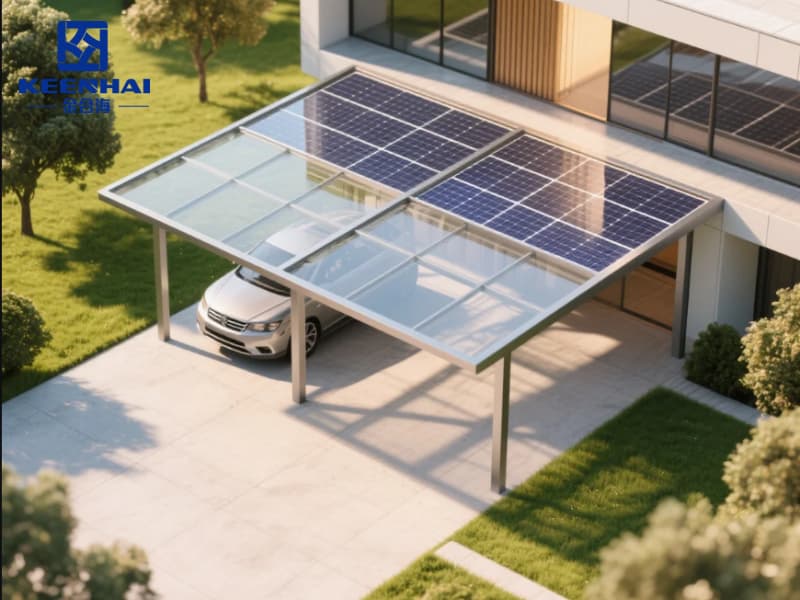
The available space on your property directly affects which carport design fits best. A single-car unit typically requires 12 x 20 feet, while a multi-car system demands a significantly larger area, often 24–40 feet in length and 20–22 feet in width depending on the number and size of vehicles.
When evaluating your site:
-
Measure total driveway length and width, ensuring room for both the carport and vehicle maneuvering.
-
Check for overhead obstructions like tree branches or power lines that could block solar panels.
-
Verify soil stability if posts will be anchored in-ground, particularly for freestanding or custom structures.
-
Allow at least 2–3 feet of clearance around the perimeter for panel maintenance and easy access to doors.
For homes with irregular or sloped driveways, a custom multi-car solar carport can be designed to maximize coverage while maintaining proper solar exposure and structural integrity.
4.2 Installation Complexity and Timeline
Installing a multi-vehicle solar carport is more complex than a single-car unit due to its larger footprint and heavier panel load. A typical installation involves:
-
Site preparation – Leveling ground, pouring concrete footings, and ensuring proper drainage.
-
Frame assembly – Positioning and securing aluminum or steel beams according to manufacturer specifications.
-
Panel installation – Laying solar panels on the roof, connecting inverters, and ensuring correct tilt for optimal sunlight capture.
-
Electrical connection – Wiring panels to the household system, including breakers, grounding, and safety checks.
-
Final inspection – Verifying structural stability, panel output, and compliance with local building codes.
Most multi-car installations take 3–5 days, depending on size and site conditions, while single-car setups typically take 1–2 days. Efficient planning ensures minimal disruption and allows panels to start generating electricity as soon as possible.
4.3 Maintenance Accessibility
Long-term accessibility is crucial for both cleaning and servicing solar panels. Larger multi-car structures must be designed to allow safe access without moving vehicles or blocking panels.
Key considerations include:
-
Roof access – Include built-in walkways or ensure that ladders can safely reach all panels.
-
Panel spacing – Maintain sufficient gaps between rows for cleaning and inspection.
-
Drainage and snow removal – Ensure the roof slope allows water runoff and prevents snow accumulation from damaging panels.
-
Electrical access – Keep inverters and junction boxes reachable for monitoring and repairs.
A well-planned multi-car solar carport not only covers multiple vehicles but also ensures that routine maintenance is straightforward, keeping energy output consistent over the long term.
5. Choosing the Right Solar Carport for Your Goals
Selecting the right solar carport requires balancing energy production, vehicle coverage, cost, and aesthetics. A properly planned structure ensures maximum efficiency, protects all vehicles, and complements your home’s design.
5.1 Maximizing Energy Production
To generate the most electricity, solar panels need optimal placement and angle. Multi-car setups provide larger roof surfaces, allowing for more panels and higher total output.
Key considerations for maximizing energy:
-
Panel orientation – Face panels toward the sun’s path for your location, typically south in the Northern Hemisphere.
-
Tilt angle – Adjust panels according to latitude; most systems benefit from 20–35° tilt.
-
Panel spacing – Avoid shading between panels or vehicles; maintain at least 6–12 inches between rows.
-
Roof capacity – Ensure the frame can safely support the panel weight, including snow or wind loads.
A well-designed multi-car solar carport can generate 4,000–6,000 kWh annually, enough to cover most household electricity needs and charge multiple electric vehicles simultaneously. Proper panel layout and tilt can increase energy production by up to 20% compared to a poorly arranged system.
5.2 Balancing Cost and Capacity
Choosing between single-car and multi-vehicle solar carports depends on how many cars you need to shelter and your budget. Larger setups require higher initial investment, but the cost per car and per kWh generated often ends up lower than installing multiple single-car units.
Steps to balance cost and capacity:
-
List all current and potential vehicles.
-
Measure driveway space to determine feasible carport width and length.
-
Compare material options—aluminum is lightweight and corrosion-resistant, while steel offers extra strength.
-
Factor in panel efficiency; higher-efficiency panels cost more upfront but generate more energy per square foot.
For families or small businesses with multiple vehicles, investing in a robust multi-car carport ensures every vehicle is covered, energy output is maximized, and the structure provides long-term value.
5.3 Matching Design with Home Aesthetics
A solar carport should blend seamlessly with your property while maintaining structural integrity. Consider these elements:
-
Color and finish – Choose powder-coated aluminum or painted steel to match home exteriors.
-
Roof style – Flat, angled, or slightly curved designs can complement modern or traditional architecture.
-
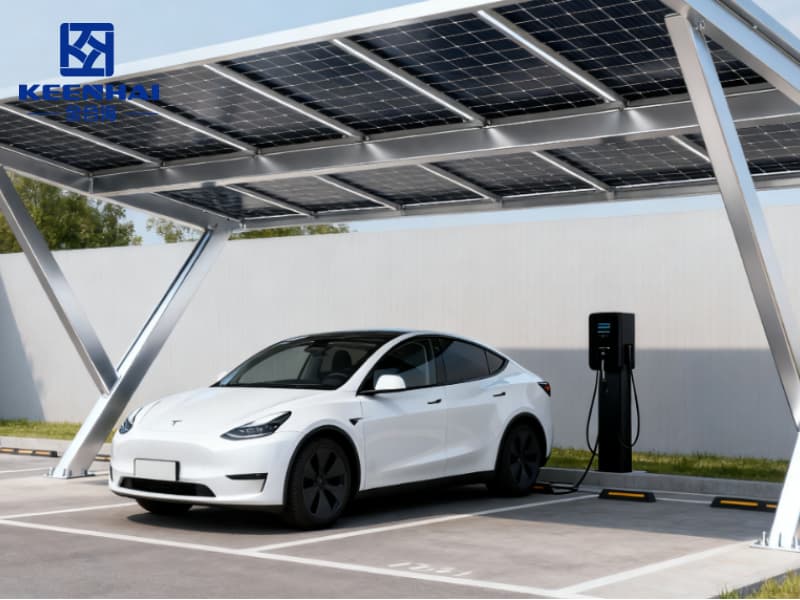
Lighting and accessories – Integrated LED lighting or EV charging ports enhance functionality.
-
Panel layout – Keep panels visually uniform; avoid staggered placement that disrupts the design flow.
A well-planned multi-car solar carport not only boosts energy efficiency but also enhances curb appeal, adding both practical and aesthetic value to the property.