
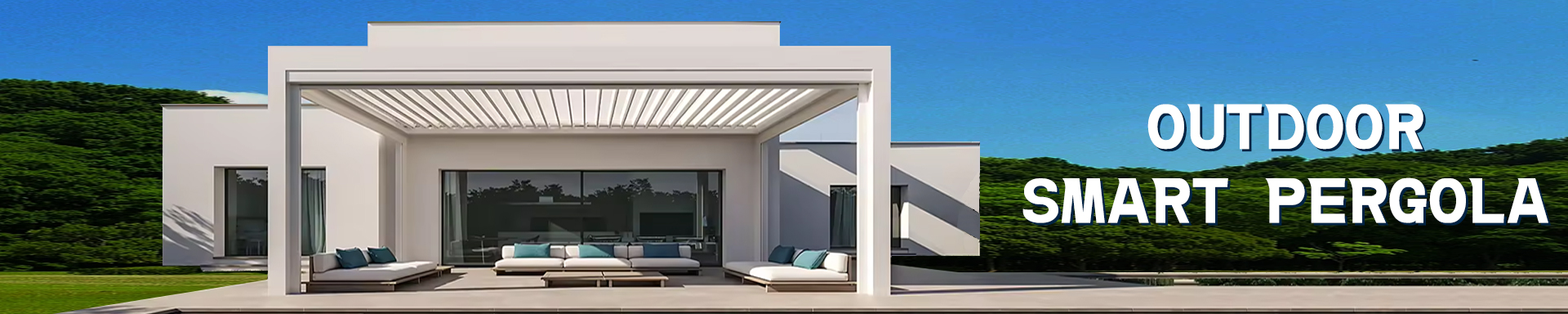
Adding a garden gazebo or pavilion is one of the most popular ways to enhance outdoor living space, boost property usability, and add aesthetic value to residential gardens across the UK and European Union. However, most homeowners and first-time buyers overlook one critical detail: gazebos and outdoor pavilions are regulated structures. Installing a non-compliant garden pavilion can lead to local authority enforcement notices, forced removal, fines, or costly property planning disputes.
Whether you are purchasing a prefabricated timber gazebo, a permanent hard-roof pavilion, or a semi-open garden shelter, understanding UK and EU gazebo planning permission rules, official installation standards, and professional buyer’s guidelines is essential before placing any order or starting construction. This comprehensive guide breaks down all legal requirements, installation best practices, and must-know buyer tips to ensure your garden structure is fully legal, safe, and long-lasting. Planning a project in the United States? Check out our USA Pergola Guide for local regulations.
1. Do You Need Planning Permission for a Gazebo in the UK? (2026 Updated Rules)
In the United Kingdom, most residential garden gazebos and pavilions fall under Permitted Development (PD) Rights outlined in the Town and Country Planning (General Permitted Development) (England) Order 2015. This means homeowners do not need to submit a formal planning application for standard garden structures, as long as strict size, height, placement, and usage conditions are fully met.
It is a common misconception that all garden gazebos are exempt from regulation. Any deviation from permitted development limits automatically requires formal planning permission. Below are the official UK legal thresholds for exempt gazebo and pavilion installation:
Core UK Permitted Development Criteria for Garden Pavilions
Structure Usage: The gazebo must be purely ancillary to residential enjoyment. It cannot be used as independent living accommodation, holiday rental space, a bedroom, or a self-contained annex. Any commercial or residential habitable use voids permitted development rights.
Height Restrictions: Eaves height must not exceed 2.5 metres for single-pitch and flat-roof gazebos. Dual-pitch (gable) roof pavilions have a maximum permitted height of 4 metres. Structures taller than these limits require full planning approval.
Garden Coverage Limit: The total footprint of all combined outbuildings (gazebos, sheds, greenhouses) must not cover more than 50% of the original garden area. This excludes the main residential property footprint.
Placement Rules: The pavilion cannot be installed forward of the principal building elevation facing the public highway. Boundary installations must maintain safe clearance and cannot encroach on public land or neighbouring property.
Building Status Exceptions: Permitted development exemptions do not apply to listed buildings, properties located in Conservation Areas, Areas of Outstanding Natural Beauty (AONB), national parks, or designated heritage land. These locations require prior planning approval for all outdoor structures.
When UK Gazebos Require Full Planning Permission
You must apply for formal local authority planning permission if your garden pavilion meets any of the following conditions: exceeding height or footprint limits, intended for commercial use or holiday letting, installed on protected heritage land, attached directly to the main house as an extension, or modified to include habitable features such as insulation, fixed heating, or enclosed sleeping spaces.
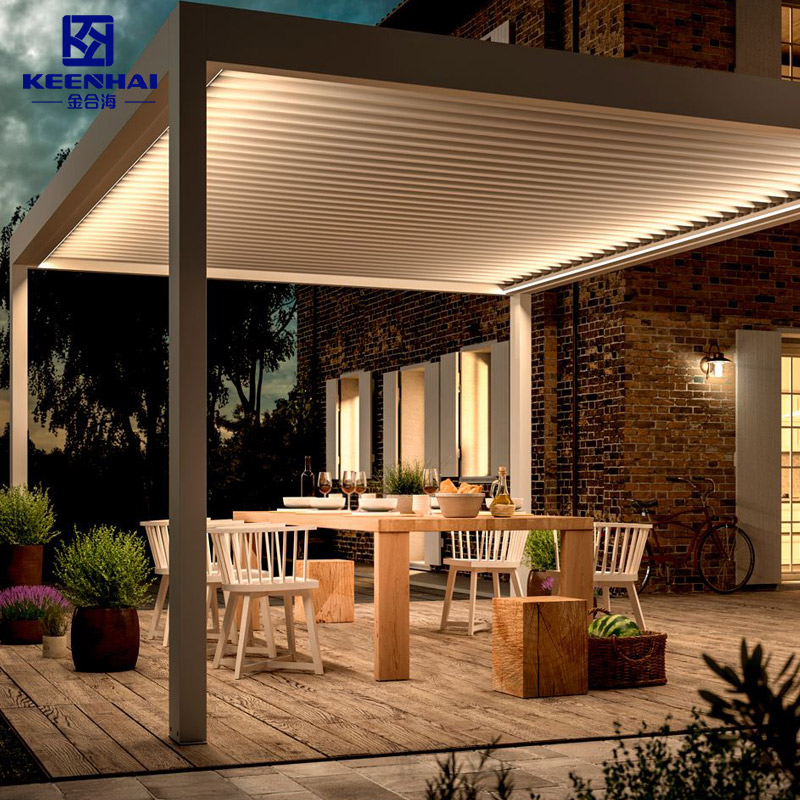
2. EU Gazebo Planning & Installation Regulations (Pan-EU Guidelines)
Unlike the UK’s unified permitted development framework, the European Union applies region-variable outdoor building regulations, with core standardised environmental and structural safety rules across all member states. EU rules prioritise land occupation limits, structural wind and rain resistance, fire safety, and visual landscape protection for residential outdoor structures.
General EU Garden Pavilion Legal Standards
Land Footprint Threshold: Most EU countries (France, Germany, Spain, Italy) allow exempt installation for outdoor structures with a floor area below 20 m². Any pavilion exceeding this size requires a prior declaration of works or formal planning permit.
Permanent vs Temporary Classification: Lightweight open-sided gazebos are classified as temporary garden furniture and are largely unregulated. Fully enclosed, hard-roof, fixed-base pavilions are classified as permanent outbuildings and subject to strict building compliance checks.
Structural Safety Standards: All fixed EU garden structures must comply with regional wind load and snow load resistance standards. Timber frames require anti-corrosion and weatherproof treatment to meet EU outdoor durability regulations.
Protected Zone Restrictions: Similar to the UK, EU heritage zones, coastal protection areas, and nature reserves enforce strict bans or pre-approval requirements for all new outdoor constructions.
Key country-specific notes: France requires a pre-declaration for structures over 10m²; Germany enforces strict boundary clearance rules (minimum 0.5–1 metre from property lines); Spain mandates structural safety certification for permanent garden pavilions in coastal regions.
3. Professional Gazebo Installation Guidelines (UK & EU Compliant)
Legal compliance does not end with planning permission. Improper installation is the leading cause of structural failure, safety hazards, and post-installation regulatory disputes for garden gazebos. Below are universal UK and EU compliant installation standards for buyers and installers.
Site Preparation Rules
Always select level, well-drained ground to avoid frame distortion and water pooling. Remove all vegetation, rocks, and loose soil from the installation area. For permanent pavilions, a compacted gravel base, concrete slab, or paved foundation is mandatory to meet EU structural stability standards and UK building safety codes. Avoid low-lying, flood-prone areas that violate local environmental installation rules.
Structural Installation Standards
All frame fixings must use rust-proof, galvanised or stainless steel hardware to resist outdoor weathering. Timber gazebos require pre-treatment with EU-certified weatherproof and anti-rot coatings. Roof panels must be securely fixed with full wind-resistant sealing to prevent storm damage, a key compliance requirement for both UK and EU residential outdoor structures. Open-sided designs must retain minimum ventilation gaps to avoid moisture buildup and structural decay.
Post-Installation Compliance Checks
After installation, verify all height, boundary, and footprint measurements match permitted development limits. Do not add unapproved enclosed walls, fixed electrical wiring, or permanent furniture that converts the structure’s usage. Any modifications require re-checking local planning rules to avoid non-compliance penalties.
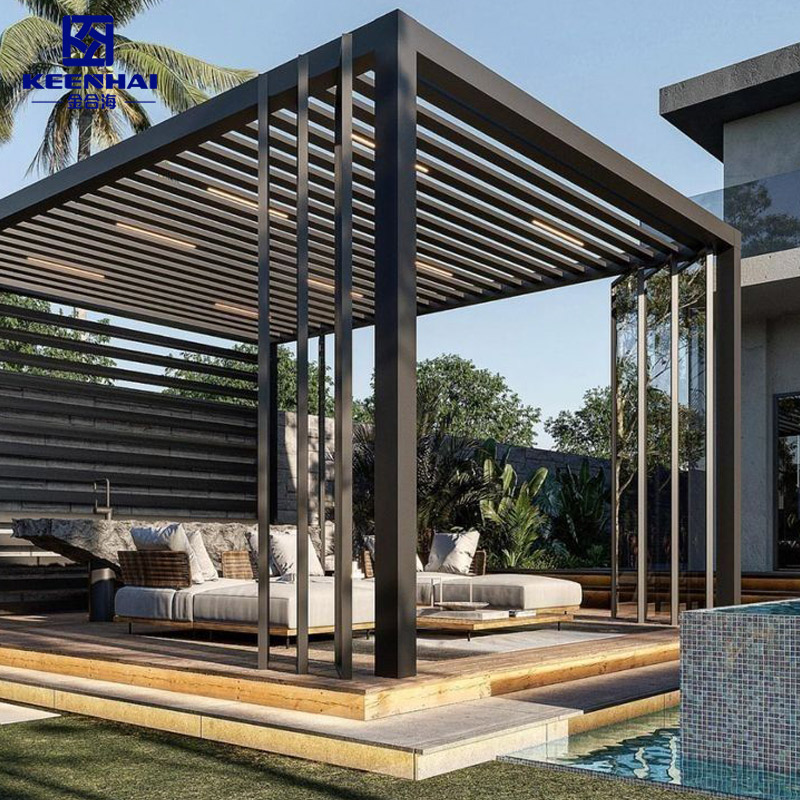
4. Essential Gazebo & Pavilion Buyer’s Guide (Avoid Costly Mistakes)
Most buyer issues arise from selecting the wrong structure type, ignoring regulatory limits, or underestimating installation requirements. These critical buying tips will help you select a compliant, safe, and durable garden gazebo for UK or EU properties.
Choose the Right Structure Type for Legal Exemption
For permit-free installation, opt foropen-sided, non-habitable, lightweight garden gazebos. Avoid fully enclosed cabin-style pavilions if you wish to skip formal planning applications, as enclosed structures are far more likely to be classified as permanent outbuildings requiring approval. Temporary pop-up gazebos are fully exempt across all UK and EU regions but are not suitable for year-round permanent use.
Verify Size & Dimension Compliance Before Purchase
Always cross-check product dimensions against local PD rules before ordering. Prioritise gazebos with eaves height under 2.5m and total footprint under 20m² for maximum regulatory flexibility. Avoid oversized custom designs unless you are prepared to submit a formal planning application and wait for local authority approval.
Prioritise Certified Weather & Structural Durability
Select products with UKCA marking for UK installations and CE marking for EU sales, confirming compliance with regional safety and structural standards. Timber models should feature anti-rot, anti-fungal treatment, while metal frames require powder-coated, rust-resistant finishes. Certified structures reduce safety risks and eliminate insurance claim disputes in case of storm damage or structural failure.
Understand Usage Restrictions Post-Purchase
Never convert a standard permitted-development gazebo into sleeping accommodation, office space, or commercial rental space. Even post-installation usage changes can trigger planning violations, leading to forced removal and fines. For multi-functional usage, purchase a purpose-built compliant garden room and apply for relevant planning approval in advance.
Check Property Restrictions Upfront
If your property is a listed building, located in a conservation area, or part of a gated residential estate with private covenant rules, always consult the local planning authority or property management before purchasing any garden pavilion. Many estate covenants ban permanent outdoor structures regardless of national permitted development rules.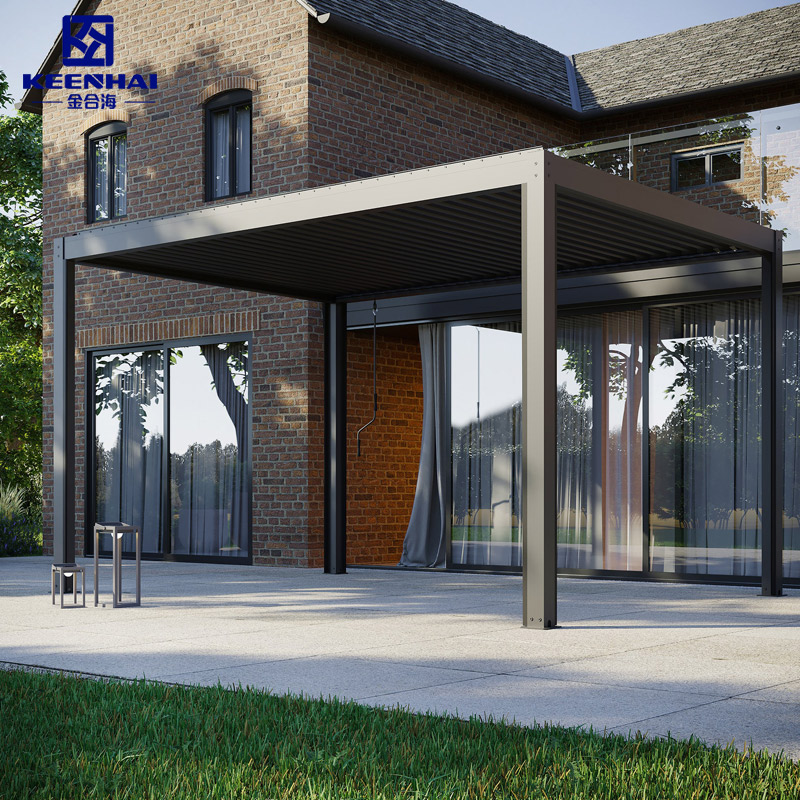
5. Frequently Asked Questions About Gazebo Planning & Installation
Is a wooden gazebo exempt from UK planning permission?
Yes, standard open-sided wooden garden gazebos meet permitted development rules if they comply with height, footprint, and non-habitable usage limits. Enclosed wooden pavilions may require planning approval depending on size and location.
Do all EU countries require permits for garden pavilions?
No. Small lightweight gazebos under 10–20 m² are permit-exempt in most EU states. Only large, permanent, enclosed structures require formal permits or pre-declaration of works.
Can I install a gazebo directly on grass?
Temporary seasonal gazebos can be placed on grass. For permanent installations, a solid level foundation is required to meet UK and EU structural safety standards and prevent long-term frame damage.
Final Thoughts
Installing a UK or EU garden gazebo or pavilion does not have to be legally complicated. By understanding permitted development thresholds, regional EU regulatory differences, compliant installation standards, and key buyer restrictions, you can invest in a beautiful, functional outdoor structure without legal risk or unexpected costs. Always prioritise rule-compliant dimensions, certified products, and correct site installation to guarantee long-term safety, durability, and full regulatory compliance for your garden pavilion.