
1.Material Cost Comparison
1.1Average Price of Aluminum Pergolas
Typical Cost Range
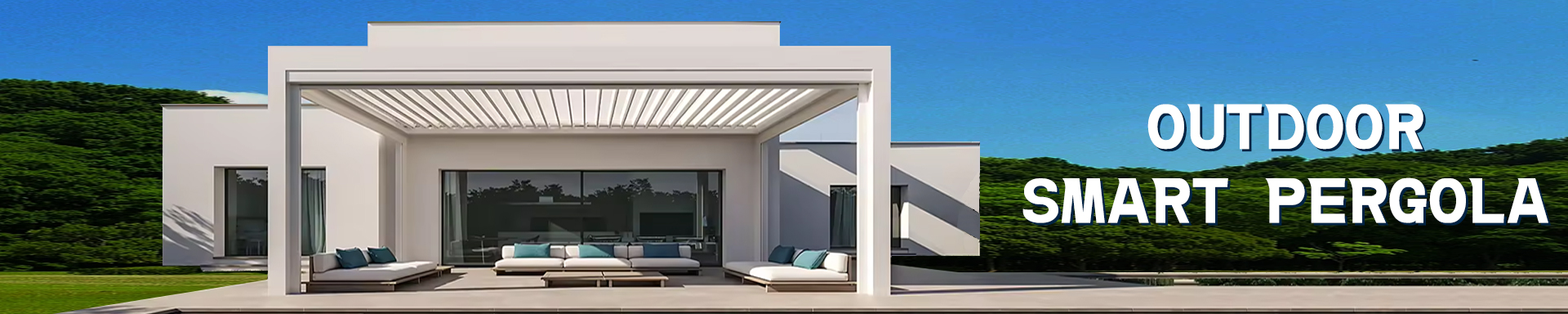
Installing an aluminum pergola usually costs between $2,800 and $5,500 for a 10×12-foot setup. The cost depends on aluminum gauge, powder coating quality, and structural design. For instance, a backyard project in Texas with a 12×12 aluminum pergola reached $3,500, including standard installation.
Factors Affecting Price
-
Material Grade: Premium 6063-T6 aluminum costs more but lasts 20+ years without corrosion.
-
Finish: Adding powder coating ranges from $350–$800, giving a smooth, fade-resistant surface.
-
Size & Design Options: Motorized louvers, retractable roofs, or integrated lighting can increase the price by $600–$1,200.
-
Labor: Professional assembly ranges $400–$900 depending on complexity and location.
Real-World Scenario
A homeowner in Florida installed a 12×12 aluminum modern pergola with motorized louvers and LED lighting for about $4,200, including delivery and labor. The structure required almost no maintenance, and its lifespan is expected to exceed 25 years.
1.2Average Price of Wooden Pergolas
Typical Cost Range
Wooden pergolas vary widely in price depending on the species. Cedar and redwood pergolas cost $3,500–$6,500 for 10×12-foot setups, while pressure-treated pine is cheaper at $2,800–$4,200.
Factors Affecting Price
-
Wood Species: Redwood and cedar resist rot and insects but cost $1,000–$1,500 more than pine.
-
Finishing: Staining and sealing every few years adds $150–$400 annually.
-
Design Complexity: Curved beams, latticework, or built-in planters can add $500–$1,000.
-
Labor: Installation usually ranges $500–$1,200, higher than aluminum due to heavier weight and precise carpentry.
Real-World Scenario
A 12×12 cedar pergola in a California backyard cost roughly $5,000, including professional labor. Annual sealing added $200 per year, emphasizing long-term maintenance costs. The structure looked classic but demanded more ongoing effort than aluminum options.
Cost per Square Foot Analysis
| Material | Size Example | Price Range | Installation Cost | Maintenance Cost (Annual) | Lifespan |
|---|---|---|---|---|---|
| Aluminum Pergola | 10×12 ft | $2,800–$5,500 | $400–$900 | $20–$50 | 20–25 years |
| Aluminum Modern Pergola | 12×12 ft | $3,500–$4,500 | $500–$900 | $20–$50 | 25+ years |
| Wooden Pergola (Cedar/Redwood) | 10×12 ft | $3,500–$6,500 | $500–$1,200 | $150–$400 | 15–20 years |
| Wooden Pergola (Pine) | 10×12 ft | $2,800–$4,200 | $500–$1,000 | $150–$400 | 10–15 years |
Breaking it down, aluminum pergolas deliver lower total cost per square foot, especially when factoring maintenance. A 12×12 aluminum modern pergola costs around $24–$38 per square foot, while a cedar pergola ranges $35–$45 per square foot, excluding yearly sealing and staining.
Real-Life Insight
A homeowner in Arizona compared a 14×14-foot aluminum modern pergola with a cedar alternative. The aluminum setup was $1,200 cheaper upfront and saved another $1,500 over ten years in maintenance, making it the most cost-effective choice for long-term investment.
2.Installation and Labor Costs
2.1Assembly Complexity of Aluminum Pergolas
Ease of Installation
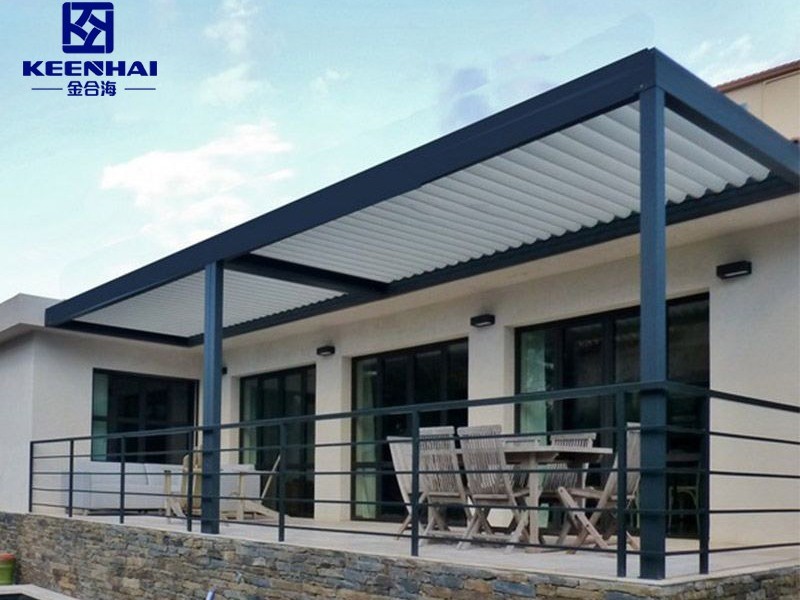
Installing an aluminum pergola is generally straightforward because the panels are pre-fabricated and lightweight. Most 10×12-foot models can be installed by two people in 4–6 hours with standard hand tools. Bolted connections and modular frames reduce errors, and aluminum doesn’t warp or split, making alignment simpler.
Advanced Features Impact
Adding motorized louvers or a retractable roof increases complexity slightly. A 12×12 aluminum modern pergola with integrated lighting may require an extra 2–3 hours for wiring and proper leveling. Even with these upgrades, aluminum installation is typically faster than wood, especially in humid or uneven terrain.
Real-World Scenario
In a suburban Miami backyard, a professional crew installed a 12×12 aluminum pergola with motorized louvers in 6.5 hours, including all leveling and minor ground adjustments. Homeowners appreciated the minimal hassle compared to wooden structures and almost no heavy lifting.
2.2Assembly Complexity of Wooden Pergolas
Typical Installation Process
Wooden pergolas require more precise carpentry. Heavy beams and posts must be level and square, which can take 2–3 days for a 10×12-foot structure with two skilled installers. Cedar or redwood may need pre-drilling, sanding, and careful alignment to avoid splitting.
Design Factors Affecting Complexity
-
Curved or lattice beams add 2–4 hours to the assembly.
-
Built-in planters or integrated benches require additional measurements and cutting.
-
Uneven ground often needs extra foundation work, increasing labor and installation cost by $100–$300.
Real-World Scenario
A 12×12 cedar pergola installed in Denver took a crew 2 full days because of uneven backyard terrain and intricate lattice work. The homeowner noted that while the wood looked rich and traditional, installation was labor-intensive and slower than aluminum.
2.3Labor Costs for DIY vs Professional Installation
DIY Installation
-
Aluminum pergolas: $0–$200 if DIY, mainly for bolts and minor adjustments. Two people can handle standard setups.
-
Wooden pergolas: $50–$300 DIY costs for fasteners, sealants, and basic tools. Heavy beams increase risk of injury and errors.
Professional Installation
-
Aluminum: $400–$900 for a 10×12-foot pergola, depending on complexity, location, and optional motorized louvers.
-
Wood: $500–$1,200 for cedar/redwood, including alignment, leveling, and finishing.
Cost-Benefit Insight
Choosing professionals reduces mistakes and guarantees proper leveling, especially for wooden pergolas where small errors can lead to warping or structural issues. Aluminum’s lighter weight and modular design mean professional costs are lower and installation is faster, offering better value for money in most cases.
3.Maintenance and Longevity Costs
3.1Durability and Lifespan of Aluminum Pergolas
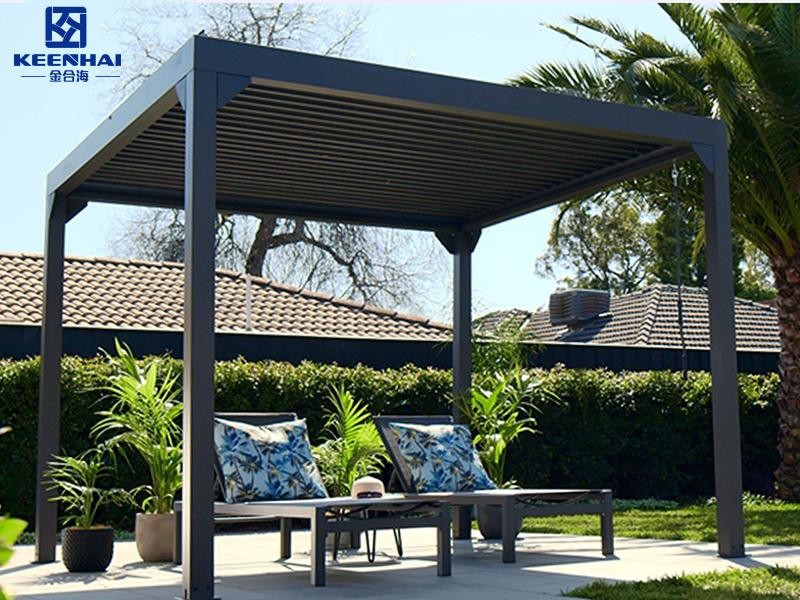
Aluminum pergolas are known for their long-lasting durability. A standard 10×12-foot aluminum setup can easily last 20–25 years with minimal upkeep. Premium 6063-T6 aluminum resists corrosion, fading, and warping, even in humid or coastal environments. For instance, a homeowner in Florida installed a 12×12 aluminum modern pergola with motorized louvers, and after 10 years, it still looks almost new with only occasional washing. Aluminum’s powder-coated finish prevents rust and keeps the structure looking sharp over decades.
3.2Durability and Lifespan of Wooden Pergolas
Wooden pergolas, while visually classic, require more attention to maintain longevity. Cedar and redwood typically last 15–20 years, whereas pine may only last 10–15 years without significant maintenance. Exposure to sun, rain, and insects can accelerate wear, causing splitting, warping, or rot. A 12×12 cedar pergola in California needed annual sealing and occasional board replacement, which extended its lifespan but added ongoing effort. Heavy timber and outdoor conditions make wooden pergolas more prone to structural issues over time.
3.3Ongoing Maintenance Expenses (Painting, Sealing, Repairs)
Aluminum pergolas require almost no regular maintenance. Light cleaning with soap and water once or twice a year costs less than $50 annually. Touch-ups for scratches on powder-coated surfaces are optional and inexpensive.
Wooden pergolas demand significantly more upkeep. Sealing and staining every 1–3 years costs around $150–$400 annually, depending on size and wood species. Repairs for warped or rotting boards can add $100–$500 per incident. For a 12×12 cedar pergola, a homeowner in Texas spent $1,200 over 5 years just on maintenance to keep the structure in good shape.
Real-World Comparison
If you compare both options over 10 years:
-
Aluminum pergola: ~$400 total maintenance, nearly hands-free.
-
Cedar pergola: ~$1,500–$2,000, including yearly sealing and minor repairs.
This makes aluminum a far more cost-effective choice long-term, especially for homeowners who want a durable, low-maintenance structure without sacrificing aesthetics.
4.Additional Cost Factors
4.1Customization Options and Their Costs
Adding custom features to a pergola can significantly change the price. For aluminum pergolas, common upgrades include motorized louvers, retractable roofs, integrated lighting, and color finishes. For example, a 12×12 aluminum modern pergola with motorized louvers and powder-coated finish can add $600–$1,200 to the base price. Custom sizes beyond standard 10×12 feet can also increase costs by $300–$700, depending on structural modifications.
Wooden pergolas also have customization costs. Adding lattice sides, curved beams, or built-in planters can raise the price by $500–$1,000, and these features usually require skilled labor for proper assembly. A homeowner in Oregon upgraded a 10×12 cedar pergola with built-in benches and latticework, which increased the project cost from $4,200 to $5,300.
4.2Transportation and Delivery Expenses
Transporting pergolas can be a hidden cost, especially for larger or heavier models. Aluminum pergolas are lighter, making delivery simpler and cheaper. Local delivery for a 10×12 aluminum setup typically costs $100–$300, depending on distance. A 12×12 aluminum modern pergola with motorized louvers added roughly $150 for transportation to a suburban backyard in Arizona.
Wooden pergolas weigh significantly more. Shipping a 12×12 cedar pergola can cost $200–$500, sometimes requiring a flatbed truck. For remote locations, costs can increase even further. Homeowners should factor in delivery charges when budgeting, particularly for large or custom structures.
4.3Climate and Environmental Considerations Affecting Cost
The environment where the pergola is installed affects both material choice and maintenance costs. Aluminum resists humidity, salt air, and UV exposure, making it ideal for coastal or rainy areas. A homeowner in Miami installed a 12×12 aluminum pergola and avoided rust or corrosion issues entirely over 10 years.
Wooden pergolas require additional protection in harsh climates. Cedar and redwood are more resistant to moisture and insects than pine, but extreme sun, heavy rain, or salty coastal air can still cause warping, fading, or rot. In a coastal California backyard, a cedar pergola required yearly sealing costing $200–$250 to withstand humidity and sun exposure.
Environmental factors also affect lifespan. Aluminum generally maintains its appearance 20–25 years, whereas wood often lasts 10–20 years depending on species, treatment, and exposure. Choosing the right material for the local climate can prevent unexpected replacement costs.