
1.Material and Durability Comparison
1.1 Aluminum Electric Pergola Longevity and Weather Resistance
Durability Advantages
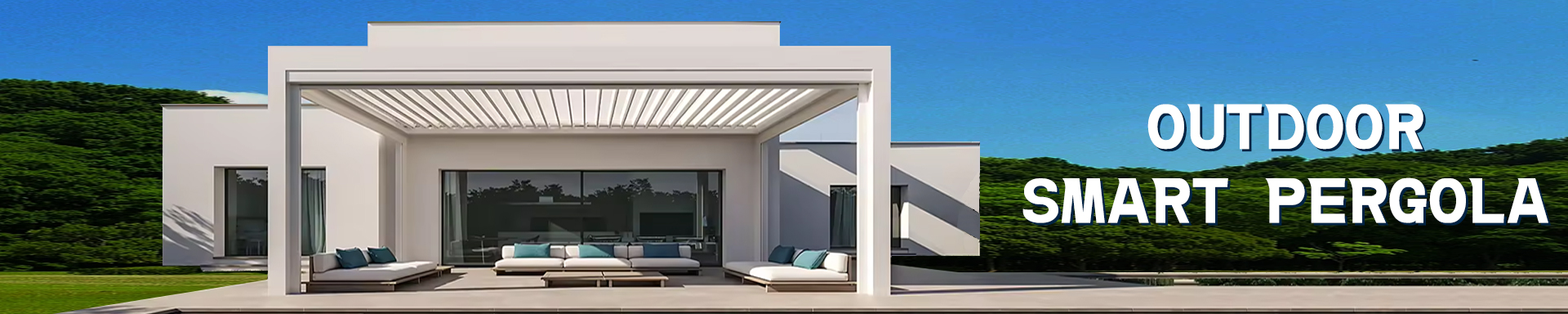
A premium Aluminum electric pergola offers exceptional longevity due to its rust-resistant, powder-coated aluminum frame. It withstands heavy rain, intense sunlight, and humidity without warping or cracking, making it ideal for coastal or high-sun areas. For example, a rooftop terrace in Miami installed with an aluminum pergola maintains its sleek, modern look even after years of exposure to hurricanes and strong UV.
Maintenance Benefits
Maintenance is minimal. Typically, homeowners need to:
-
Rinse off dust and pollen with water every few months.
-
Inspect the joints and fasteners annually.
-
Occasionally lubricate any motorized parts, if it’s a motorized variant.
This hands-off approach contrasts sharply with wooden structures, which demand regular sealing and treatment.
Performance Comparison with Wood
| Feature | Aluminum Electric Pergola | Wooden Pergola |
|---|---|---|
| Lifespan | 15–25 years with minimal upkeep | 8–15 years depending on climate and maintenance |
| Weather Resistance | Excellent; resists rot, warping, UV, and insects | Moderate; prone to cracking, rot, and insect damage |
| Maintenance | Low; periodic cleaning and inspection | High; requires sealing, staining, and occasional repairs |
| Weight & Stability | Lightweight, structurally strong | Heavier; may need reinforced foundations |
1.2 Wooden Pergola Durability and Maintenance Needs
Material Vulnerabilities
Wooden pergolas offer natural warmth and aesthetic charm but are vulnerable to environmental stress. Heavy rain can cause warping, and dry heat may crack or fade the wood. Homeowners in humid cities like Houston often face termite or mold issues if the pergola isn’t treated regularly.
Required Upkeep
To maintain durability, wooden pergolas require:
-
Annual application of sealants or stains.
-
Immediate repair of any cracks or splits.
-
Regular inspections for insect damage or rot.
Even with proper care, the lifespan remains shorter than aluminum alternatives.
Real-World Application
Wooden pergolas suit tranquil garden retreats or rustic patios, adding a cozy, natural feel. However, for busy urban rooftops or poolside lounges, aluminum pergolas provide a much more resilient, low-maintenance solution while supporting advanced features like louvered roofs or motorized sunshade options.
2.Cost and Installation Considerations
2.1 Aluminum Electric Pergola Pricing and Labor Requirements
Material and Base Cost
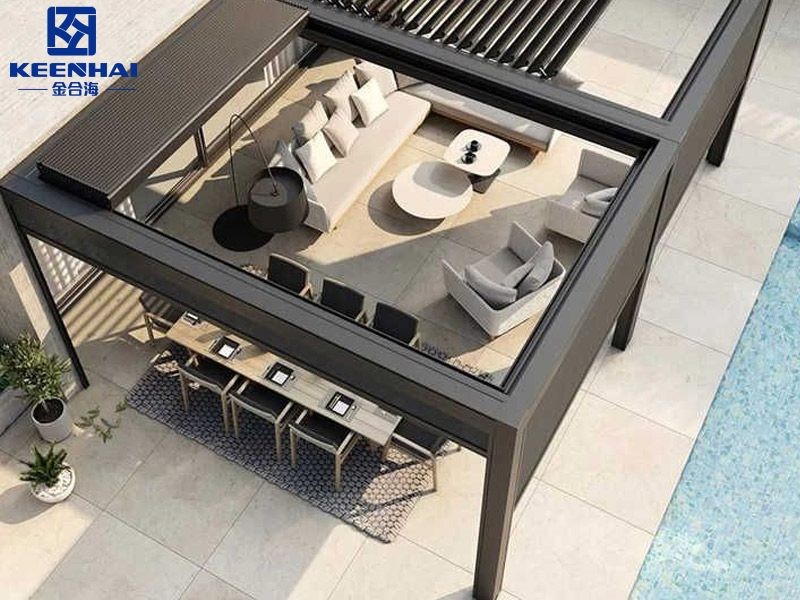
A premium Aluminum electric pergola generally costs more upfront than a basic wooden pergola due to the durable aluminum frame, powder coating, and integrated motorized systems. Typical prices range from $3,500 to $8,000 depending on size, roof type, and optional features like louvered or motorized panels. For instance, homeowners in Phoenix investing in a 12x12 patio pergola with motorized louvers reported that the aluminum structure maintained its appearance for years without repainting or repairs.
Labor and Installation
Installation for aluminum pergolas is straightforward but requires precision. Key steps include:
-
Preparing a level foundation and anchoring points.
-
Assembling the frame components securely.
-
Connecting any electrical components for automated louvered roofs.
Professional installation typically takes 1–2 days for a standard 10x12 structure, while DIY may extend the timeline and requires basic electrical knowledge.
Cost Comparison with Wooden Pergolas
| Feature | Aluminum Electric Pergola | Wooden Pergola |
|---|---|---|
| Average Cost | $3,500–$8,000 | $1,500–$4,000 |
| Installation Time | 1–2 days professionally | 2–4 days DIY or with contractors |
| Labor Complexity | Moderate; requires leveling & wiring | Low to moderate; mainly carpentry |
| Maintenance Cost | Minimal over lifespan | Moderate to high; sealing, repairs, staining |
2. 3Wooden Pergola Pricing and DIY Feasibility
Material Costs
Wooden pergolas offer a lower initial cost, typically $1,500–$4,000 for a 10x12 structure. Material type influences cost significantly; cedar and redwood are pricier but naturally resistant to insects and decay.
DIY and Labor Considerations
Many homeowners install wooden pergolas themselves, making them attractive for DIY projects. Key steps include:
-
Measuring and cutting lumber precisely.
-
Securing posts into concrete footings.
-
Assembling beams and cross supports accurately.
While DIY can save labor costs, it requires carpentry skills and a full day or two for standard-size structures. Improper installation can lead to warping or structural instability.
Real-World Application
Wooden pergolas work well for garden patios or backyard lounges, providing a rustic, natural look. However, for urban terraces, poolside patios, or homes needing low-maintenance solutions, aluminum pergolas remain superior due to durability, low upkeep, and compatibility with motorized or louvered systems.
3.Maintenance and Upkeep
3.1Cleaning and Protective Treatments for Aluminum Pergolas
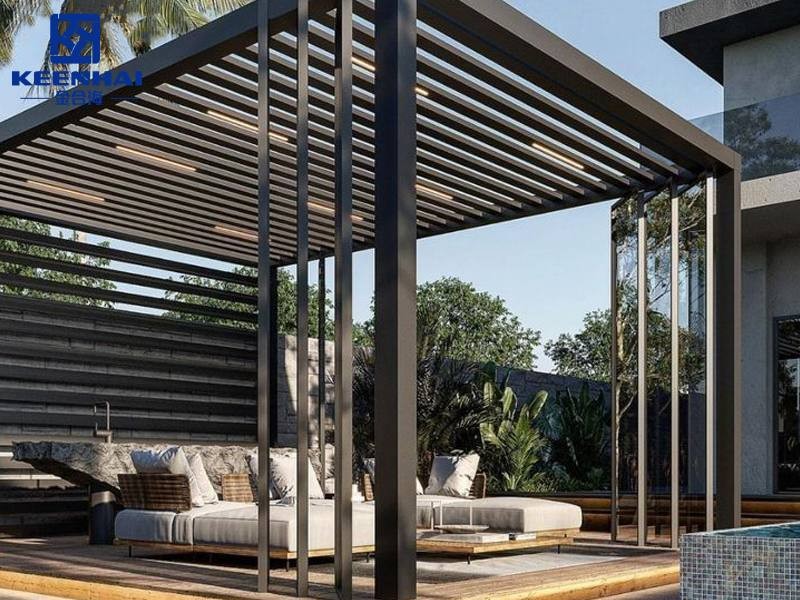
Aluminum pergolas are designed for low-maintenance living. Routine cleaning involves simply rinsing off dust, pollen, or light debris with water. For areas with heavy pollution or salt air, homeowners can add a mild detergent to maintain the surface finish. Periodically, inspect fasteners and motorized components if you have an automated louvered roof system, like a Louvres Pergola, to ensure smooth operation. In Miami, a beachfront restaurant uses an aluminum pergola for its rooftop bar and only performs light cleaning twice a year—yet the structure remains sleek and fully functional despite salt and humidity exposure. Protective coatings last for years, so repainting or resealing is rarely needed, saving both time and cost compared to wood alternatives.
3.2Seasonal Care and Wood Preservation Techniques
Wooden pergolas require more consistent attention to maintain their beauty and structural integrity. Seasonal care typically includes:
-
Spring and Summer: Apply protective stains or sealants to prevent UV damage and moisture penetration.
-
Fall: Inspect for cracks, loose joints, or insect activity and perform necessary repairs.
-
Winter: Remove debris and ensure water doesn’t pool on the surface, which could accelerate decay.
| Aspect | Aluminum Pergola | Wooden Pergola |
|---|---|---|
| Cleaning Frequency | 2–3 times/year | Monthly to quarterly |
| Protective Treatment | Minimal; occasional inspection | Annual sealant/stain application |
| Longevity with Maintenance | 15–25 years | 8–15 years depending on care |
| Weather Resilience | High; resists rot and UV | Moderate; susceptible to cracking, warping, insects |
In suburban backyards across Houston, wooden pergolas often need annual sealing and minor repairs, while aluminum alternatives installed on city terraces stay virtually maintenance-free. Choosing aluminum not only saves time but also preserves aesthetic appeal with minimal effort, especially for automated or motorized designs.
4.Functionality and Features
Aluminum pergolas shine when it comes to modern functionality and automation. A premium Aluminum electric pergola can be equipped with a motorized louvered roof, allowing homeowners to adjust sunlight and ventilation with the touch of a button or even via a smartphone app. This level of control makes it perfect for poolside lounges, rooftop terraces, and urban patios where sunlight management is crucial. For example, a Los Angeles rooftop installation with an Aluminum motorized pergola enabled the owners to host outdoor gatherings comfortably at any time of day, quickly changing the roof angle to block harsh afternoon sun or let in fresh air during cooler evenings.
Wooden pergolas offer customization and design flexibility but in a more traditional sense. Homeowners can choose from a variety of wood types, stains, and decorative carvings to match garden landscapes or rustic patios. While wooden pergolas don’t support integrated motorized systems easily, creative designs with retractable fabric covers or manual louvers still allow partial control of shade. For instance, a suburban backyard in Austin incorporated adjustable slats and climbing plants, creating a personalized retreat with a cozy, natural aesthetic.
| Feature | Aluminum Pergola | Wooden Pergola |
|---|---|---|
| Roof Control | Motorized louvered roof with app or switch | Manual or fabric covers only |
| Automation Options | Smart home integration possible | Limited to manual adjustments |
| Customization | Powder-coated finishes, integrated lighting, modern shapes | Wood species, stains, carvings, lattice styles |
| Ideal Application | Rooftop terraces, poolside lounges, urban patios | Gardens, backyard patios, rustic outdoor spaces |
Overall, aluminum pergolas offer advanced functionality, automation, and modern convenience, making them ideal for users seeking low-maintenance, tech-enabled outdoor living. Wooden pergolas excel in aesthetic customization and charm, providing a warm, natural vibe that suits traditional gardens and leisurely outdoor spaces, but they require manual operation and more ongoing attention.
5.Aesthetic Appeal and Property Enhancement
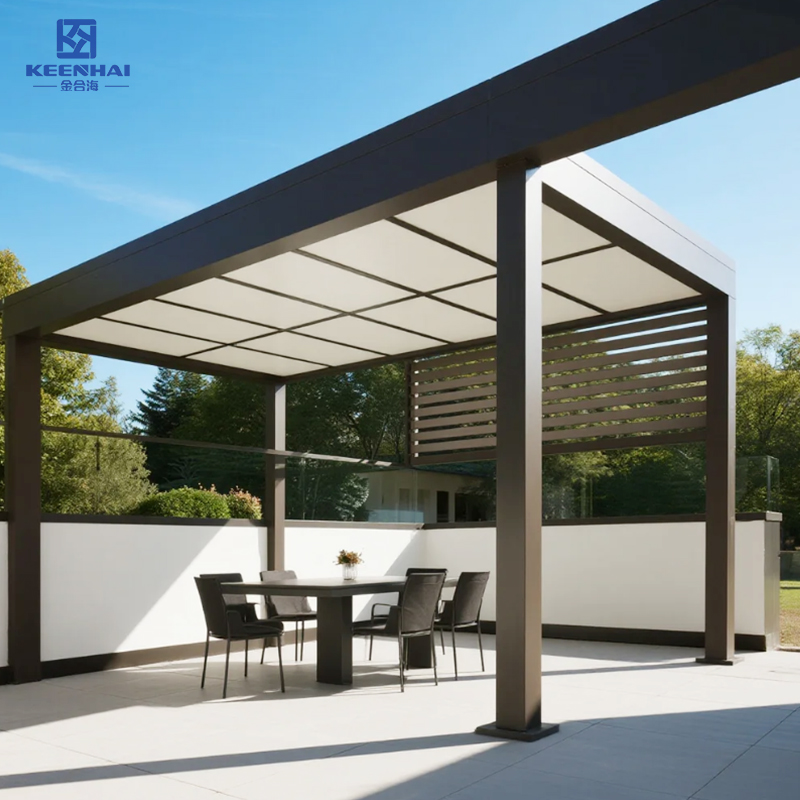
Aluminum pergolas deliver a sleek, modern aesthetic that instantly elevates the look of urban rooftops, poolside patios, and contemporary backyards. A premium Aluminum electric pergola with powder-coated finishes and clean lines can complement modern architecture while resisting fading or chipping over time. For example, a 12x16 rooftop terrace in San Diego integrated an aluminum pergola with adjustable louvers and integrated LED lighting, increasing usable outdoor space by 30% while enhancing visual appeal for evening gatherings. Such structures not only improve outdoor functionality but also boost perceived property value, with real estate surveys showing that modern, low-maintenance outdoor additions can increase resale value by 5–7%.
Wooden pergolas, on the other hand, provide timeless warmth and charm. Cedar and redwood options bring rich textures and natural colors that complement traditional homes and garden landscapes. In suburban neighborhoods like Austin, homeowners installed 10x12 wooden pergolas with climbing vines and lattice accents, creating inviting shaded retreats that visually expand garden areas. While wooden structures require periodic maintenance to retain their appearance, their classic aesthetic adds character and can enhance curb appeal by 10–12%, according to landscape architecture studies.
| Feature | Aluminum Pergola | Wooden Pergola |
|---|---|---|
| Visual Style | Sleek, modern, minimalist | Warm, classic, rustic |
| Integration | Rooftop terraces, urban patios, poolside lounges | Gardens, backyard patios, traditional homes |
| Maintenance Impact on Aesthetics | Minimal; retains finish for 15–25 years | Moderate; annual staining required to prevent fading |
| Property Value Impact | 5–7% increase for modern installations | 10–12% boost in traditional garden settings |
Overall, aluminum pergolas are ideal for contemporary properties that emphasize clean lines, low maintenance, and year-round durability, while wooden pergolas excel in creating cozy, natural spaces that blend seamlessly with classic architecture and garden designs. Both options add tangible aesthetic and financial value, but the choice depends on property style, maintenance willingness, and desired outdoor functionality.