
Aluminum fences combine durability, rust resistance, and low maintenance. Unlike wood that warps or wrought iron that rusts, aluminum keeps its shape and color for decades. Lightweight panels make installation easier, and styles range from standard to decorative custom carved designs, giving homeowners both functional and elegant fencing solutions.
1. Understanding Aluminum Garden Fences
Aluminum fences combine durability, rust resistance, and low maintenance. Unlike wood that warps or wrought iron that rusts, aluminum keeps its shape and color for decades. Lightweight panels make installation easier, and styles range from standard to decorative custom carved designs, giving homeowners both functional and elegant fencing solutions.
1. Understanding Aluminum Garden Fences
Aluminum garden fences have become a popular choice for homeowners who want strong, low-maintenance, and stylish fencing. Unlike wood, which can warp or rot, or wrought iron, which can rust, aluminum panels are lightweight, resistant to corrosion, and can last decades with minimal upkeep. For a wide range of designs, check the Aluminum Garden Fence options that fit both modern and traditional gardens.
1.1 What Makes Aluminum Fences Different from Other Materials
Aluminum fences are distinct because they combine strength with flexibility. They don’t crack, warp, or rust, and the powder-coated finish ensures the color stays vibrant for years. For coastal areas or places with high humidity, aluminum maintains its integrity far better than wood or iron.
| Material | Durability | Maintenance | Weight | Ideal Use |
|---|---|---|---|---|
| Aluminum | 20+ years | Low | Light | Residential & commercial fencing |
| Wood | 10-15 years | High | Heavy | Traditional backyards |
| Wrought Iron | 30+ years | Medium-High | Very heavy | Decorative or security fencing |
In a coastal garden, aluminum panels withstand salty air without rusting, while wooden fences would need frequent sealing and repainting. Installing aluminum panels ensures long-term durability without constant attention.
1.2 Benefits of Choosing Aluminum for Your Garden
Aluminum fencing brings a combination of practicality and style. It only requires occasional washing, resists weather damage, and is easy to install. Panels are lightweight, so two or three people can handle a standard backyard installation without heavy equipment.
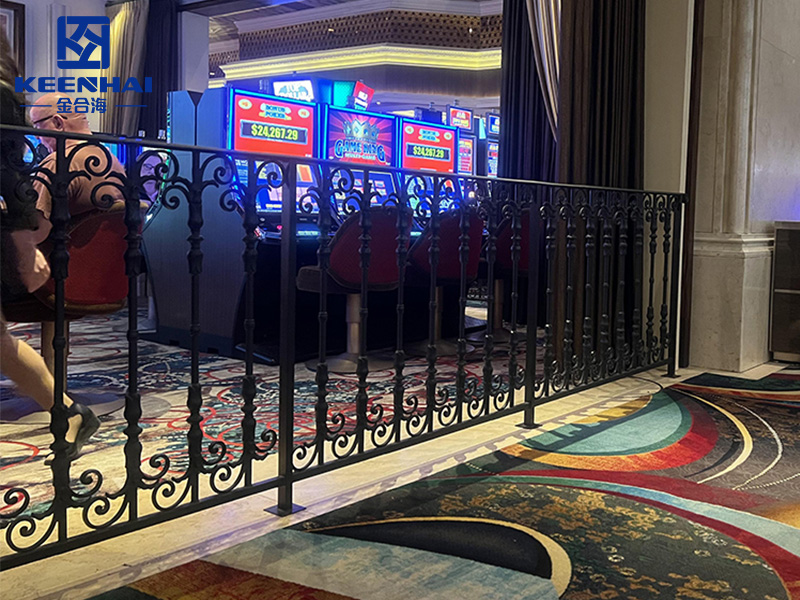
You can also choose decorative options like the Aluminum Carved Fence for a refined look. These panels add artistic flair without compromising strength, making them ideal for patios, garden edges, or areas that need a mix of privacy and elegance.
For example, in a sloped backyard, the aluminum panels can be adjusted along the incline so the fence follows the terrain smoothly, keeping a neat, even appearance without specialized tools. Over time, the fence retains its color and shape, unlike wood that may warp or iron that may corrode.
1.3 Common Aluminum Fence Styles
Aluminum fences come in different styles to suit various landscapes:
-
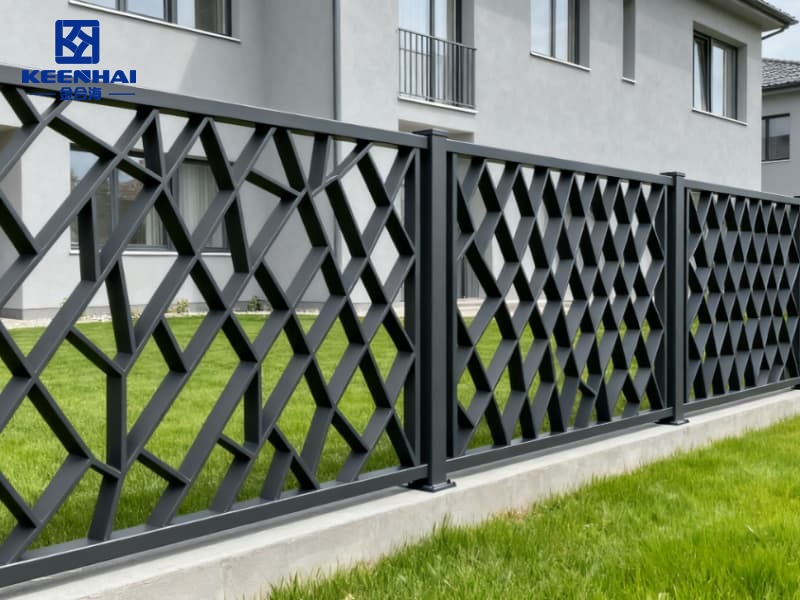
Standard panels provide a clean, contemporary look.
-
Classic carved panels add decorative details for traditional gardens.
-
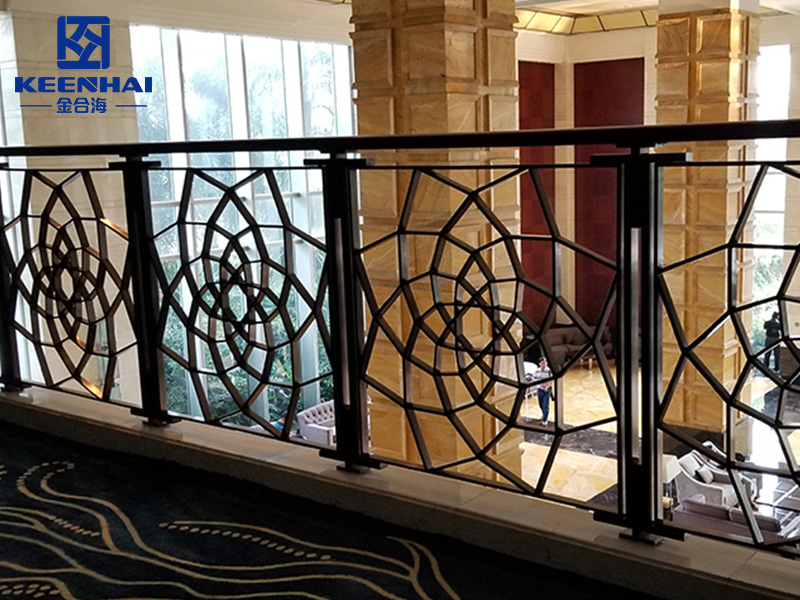
Custom carved panels allow personalized designs that fit specific layouts.
| Style | Height Range | Panel Width | Common Use |
|---|---|---|---|
| Standard | 4-6 ft | 6-8 ft | Modern residential yards |
| Classic Carved | 4-5 ft | 5-7 ft | Decorative garden borders |
| Custom Carved | 3-6 ft | 4-8 ft | Patios, bespoke gardens |
In a backyard with flower beds and a patio, a Carved Fence along the perimeter creates a defined boundary while enhancing the visual appeal. The lightweight aluminum panels make it easy to align each section accurately, even on uneven ground, resulting in a polished, professional finish.
2. Key Features to Consider Before Buying
Choosing the right aluminum garden fence requires careful attention to size, finish, and durability. These factors directly affect how the fence performs in different environments and how long it lasts. Making an informed decision ensures you get a fence that is both functional and visually appealing.
2.1 Height, Length, and Panel Options
Aluminum fences come in heights from 3 to 6 feet and standard panel widths of 6–8 feet. Taller panels are ideal for privacy and security, while shorter panels work well for marking boundaries without obstructing views. Some manufacturers offer custom-length panels for irregular yard shapes, allowing a seamless fit without cutting or modifications.
When planning the layout:
-
Measure the total perimeter carefully, accounting for slopes and curves.
-
Decide on panel spacing, typically 2–4 inches between pickets for standard designs.
-
Choose panel heights based on privacy needs; for example, 6-foot panels block neighbors’ views while maintaining air circulation.
Panel materials also vary slightly in thickness. Standard residential fences often use 1.2–2.0 mm aluminum sheets, while high-end carved panels may reach 2.5 mm for added rigidity. Panels with reinforced top rails offer extra strength against bending in high-wind areas.
2.2 Powder Coating and Finish Quality
A durable finish is key to maintaining the fence’s appearance over time. Powder coating not only protects aluminum from UV rays, rain, and humidity, but it also provides a smooth, even color that won’t peel or fade. Common finish types include:
-
Matte, which softens glare and blends well with natural landscapes
-
Gloss, which enhances color depth and brightness
-
Textured, which hides minor scratches and mimics wrought iron or wood finishes
For fences exposed to harsh weather, choose a finish thickness of at least 60–80 microns to ensure long-term protection. The application process matters as well; electrostatic powder coating with high-temperature curing provides better adhesion and uniform coverage, reducing the risk of chips over time.
2.3 Durability and Weather Resistance
Aluminum fences excel in durability compared to wood and iron. 6063-T5 or 6061-T6 aluminum alloys are most commonly used, offering strength to withstand wind loads up to 90 mph for standard residential panels. They resist rust, corrosion, and termites, making them ideal for humid, coastal, or snowy regions.
| Feature | 6063-T5 Alloy | 6061-T6 Alloy |
|---|---|---|
| Tensile Strength | 17,000–21,000 psi | 28,000–33,000 psi |
| Corrosion Resistance | Excellent | Very Good |
| Weight | Light | Medium |
| Common Use | Standard residential fencing | Heavy-duty or decorative fencing |
Installation tips for longevity:
-
Ensure posts are securely anchored in concrete or using metal post sleeves.
-
Check panel alignment during installation to avoid uneven stress on joints.
-
Inspect brackets and screws annually and tighten as needed to maintain stability.
Fences with powder-coated aluminum panels keep their color and shape over decades, even under direct sun exposure or heavy rainfall, which makes them more practical than wood or iron alternatives.
3. Comparing Aluminum Garden Fences with Alternatives
When planning a garden or backyard fence, it’s important to weigh your options carefully. Aluminum often comes out ahead due to its combination of durability, low maintenance, and aesthetic versatility. Here’s how it stacks up against other common materials.
3.1 Aluminum vs. Wood
Wooden fences are traditional and offer a natural look, but they require constant upkeep. Wood can warp, rot, or get attacked by termites, especially in humid or coastal regions. Aluminum, on the other hand, maintains its shape and color with minimal effort. Even decorative carved aluminum panels retain their elegance over time, unlike wood, which may need repainting or sealing every few years.
In practical terms, a 50-foot wooden fence may require annual staining or sealing, whereas aluminum panels need only occasional washing. For homeowners who value time and longevity, aluminum provides a clear advantage without compromising visual appeal.
3.2 Aluminum vs. Vinyl
Vinyl fences are low-maintenance and relatively affordable, but they can become brittle in cold climates and may fade in intense sunlight. Aluminum is lightweight yet strong, and it resists cracking and color fading.
Installation-wise, aluminum panels are easier to adjust on uneven terrain, whereas vinyl posts may need precise leveling and additional bracing. For high-traffic areas or windy locations, aluminum tends to outperform vinyl in terms of stability and long-term durability.
3.3 Aluminum vs. Wrought Iron
Wrought iron offers a classic, heavy-duty look but comes with a major drawback: rust. Coastal or humid areas accelerate corrosion, and even with protective coatings, iron fences require periodic sanding and repainting. Aluminum delivers a similar aesthetic, especially in powder-coated or carved designs, but with minimal maintenance and lighter weight, making it easier to install and handle.
| Material | Durability | Maintenance | Weight | Ideal Use |
|---|---|---|---|---|
| Aluminum | 20+ years | Low | Light | Residential & commercial fencing |
| Wood | 10-15 years | High | Heavy | Traditional backyards |
| Vinyl | 15+ years | Low | Medium | Standard residential fencing |
| Wrought Iron | 30+ years | Medium-High | Very heavy | Decorative or security fencing |
For example, homeowners in coastal neighborhoods often replace wrought iron fences every 10–15 years due to rust, while aluminum panels keep their original shape and color for decades, making them a more cost-effective choice over time.
4. Installation Options and Tips
Installing an aluminum garden fence is straightforward when planned carefully. Choosing the right installation method and preparing materials properly ensures the fence lasts for decades and maintains its appearance.
4.1 DIY Installation vs. Professional Services
For standard panels on level ground, many homeowners can handle installation themselves. DIY installation saves labor costs and allows you to adjust panels during placement for perfect alignment.
However, for custom carved or heavier decorative panels, or if the terrain is sloped, hiring professionals may be the better choice. Professionals can handle precise leveling, post alignment, and complex designs, ensuring the fence looks polished and functions perfectly.
4.2 Tools and Materials Needed
For a smooth installation, gather the following:
-
Measuring tape and chalk line – for precise layout and alignment.
-
Power drill with masonry bit – required if setting posts in concrete.
-
Level – ensures each post and panel is perfectly vertical.
-
Concrete mix or metal post sleeves – for stable anchoring.
-
Screws, brackets, and caps – typically included with panels.
-
Protective gloves and safety glasses – for safe handling of aluminum panels.
Panels are lightweight, but proper handling prevents scratches or bending, especially for decorative or carved styles.
4.3 Step-by-Step Installation Overview
Here’s a detailed process for installing aluminum garden fences:
-
Measure and mark the fence line – ensure proper spacing for posts, especially on uneven terrain.
-
Dig post holes – typically 24 inches deep for standard residential panels; increase depth for taller panels.
-
Set posts – place them in concrete or secure with metal sleeves, making sure each post is level and aligned.
-
Attach panels – use the provided brackets and screws, starting from one end and working sequentially to maintain consistency.
-
Check alignment continuously – adjust panels before concrete sets or brackets are fully tightened.
-
Add finishing touches – install post caps or decorative trims to enhance appearance.
For instance, a backyard with a gentle slope can accommodate custom carved aluminum panels by slightly adjusting post heights so the panels remain level while following the terrain. This keeps the fence visually cohesive and structurally sound.
5. Maintenance and Longevity
Aluminum garden fences are designed for minimal upkeep, but regular care extends their life and keeps them looking new. Unlike wood or iron, aluminum doesn’t rot or rust, but dirt, debris, and scratches can still affect appearance and longevity.
5.1 Cleaning and Preventing Corrosion
Cleaning aluminum fences is simple and usually only requires water and mild detergent. For heavily soiled areas:
-
Use a soft brush to remove dirt and debris from panels and pickets.
-
Rinse thoroughly with a hose to avoid soap residue.
-
For stubborn stains, a diluted vinegar solution works well without damaging the powder coating.
Even though aluminum resists rust, keeping the surface clean prevents moisture buildup, especially near post bases or along the bottom edge where water can accumulate. Panels with powder-coated or carved finishes maintain their color and texture longer when cleaned regularly.
5.2 Repairing Minor Damages
Minor scratches or dents are easy to address without replacing panels. Steps include:
-
Light scratches – use a matching touch-up paint or coating to cover blemishes.
-
Bent pickets – gently push back into place with padded tools to avoid further damage.
-
Loose screws or brackets – tighten immediately to maintain panel stability.
For decorative or custom carved aluminum panels, handle repairs carefully to preserve intricate details. Even small dents corrected early prevent long-term warping or misalignment.
5.3 Seasonal Maintenance Checklist
Maintaining aluminum fences across seasons keeps them durable and visually appealing:
-
Spring – wash off accumulated dirt and check for loose screws.
-
Summer – inspect for fading or chips and touch up as needed.
-
Fall – clear leaves and debris from the base to prevent moisture buildup.
-
Winter – remove snow from panels and ensure posts are not shifting under frozen ground.
Following this seasonal routine, aluminum fences retain their shape, color, and structural integrity for 20+ years, making them a reliable choice for any garden or backyard.
Investing in an aluminum garden fence means choosing long-term durability, low maintenance, and versatile style for your outdoor space. From standard panels to custom carved designs, aluminum fences adapt to any terrain and aesthetic. Explore our full range of options at Keenhai Aluminum Garden Fences to find the perfect fit for your garden, ensuring your investment looks great and performs well for decades.