
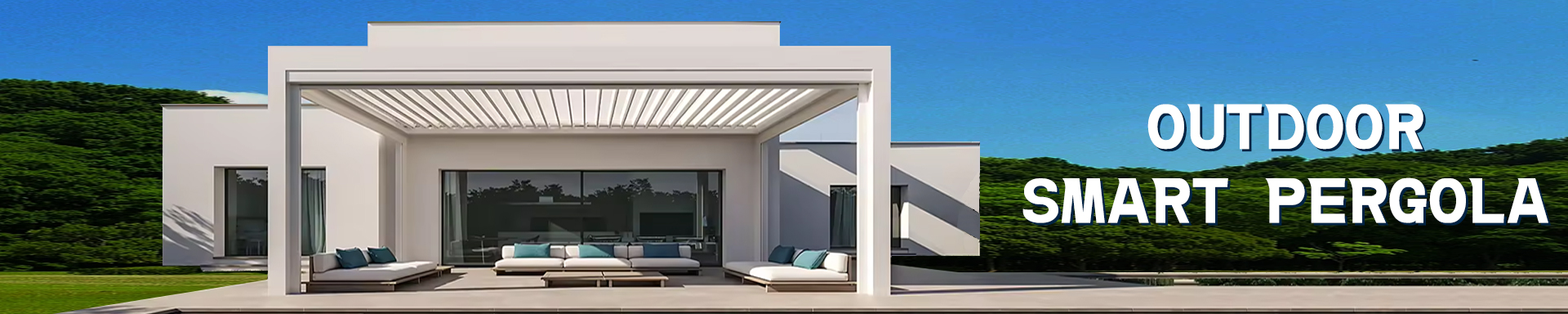
The cost of an aluminum garden fence in 2025 varies based on length, panel type, and customization. On average, linear foot pricing ranges from $25 to $40, while total projects for typical yards may reach $2,500–$4,000. Decorative panels or custom designs like Custom Carved Fence add to the budget but enhance overall aesthetics and long-term durability.
1. Aluminum Garden Fence Pricing in 2025
In 2025, installing an Aluminum Garden Fence is one of the smartest investments for residential and commercial properties. These fences combine durability, low maintenance, and aesthetic appeal, making them a popular choice. Costs depend on multiple factors such as fence style, height, material grade, and customization options. Understanding the price breakdown helps homeowners and contractors plan budgets accurately.
1.1 Cost per Linear Foot
The typical cost for standard aluminum fencing ranges from $30 to $50 per linear foot, depending on the panel thickness, powder coating, and style. Decorative elements like aluminum lattice or simple carved panels increase costs slightly. For instance, an elegant fence around a 50-foot backyard might range between $1,500 and $2,500 for materials alone. Labor and installation fees add to the total, making early planning essential.
1.2 Total Project Cost by Yard Size
Project costs scale with yard size, material choice, and complexity. Here’s a rough breakdown:
| Yard Size | Material Cost (Aluminum) | Installation & Labor | Total Estimated Cost |
|---|---|---|---|
| Small (100 sq ft) | $900–$1,500 | $400–$700 | $1,300–$2,200 |
| Medium (300 sq ft) | $2,500–$3,500 | $1,000–$1,500 | $3,500–$5,000 |
| Large (500 sq ft) | $4,000–$6,000 | $1,800–$2,500 | $5,800–$8,500 |
These estimates assume standard panels. Including decorative options or gates raises costs but improves property value and aesthetic appeal.
1.3 Decorative vs Standard Panels
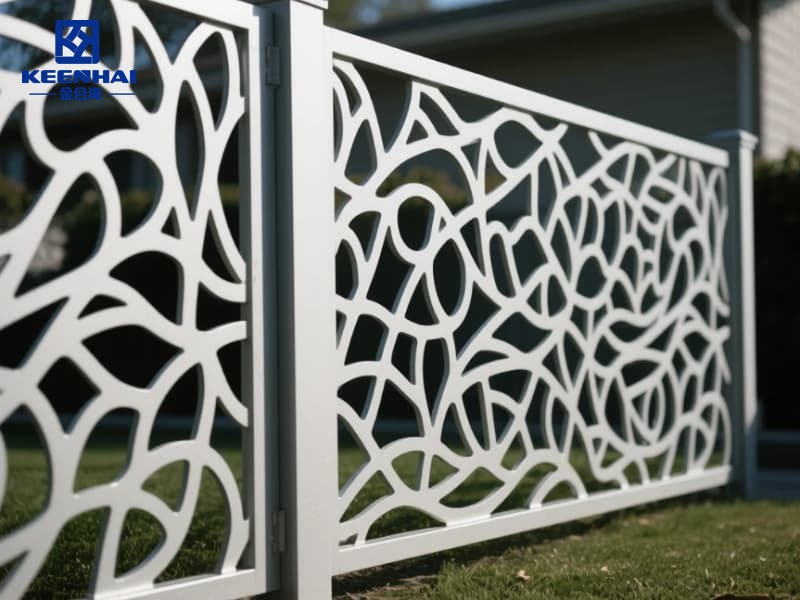
Decorative panels often include aluminum carved patterns, lattice designs, or custom finishes, which significantly impact pricing. Standard panels offer clean lines and durability at the lowest cost, making them ideal for straightforward boundary fencing. For decorative options, consider Aluminum Carved Fence or Custom Carved Fence designs for a personalized look. These options start at roughly $50 per linear foot and can go higher depending on intricacy.
1.4 Custom Carved Panels Pricing
Custom carved panels are premium options that allow homeowners to integrate unique patterns or logos, adding elegance and property value. Costs are influenced by the complexity of the design, size of panels, and finish. Installation usually requires precise leveling and careful fastening to ensure longevity. Choosing a reputable supplier, like Classic Carved Fence or other specialized providers, ensures quality and durability for decades.
Practical Scenario: Imagine a 200-foot fence around a landscaped garden. Using standard panels, you might spend around $6,000 including installation. Upgrading to custom carved panels could bring the total to $10,000–$12,000, creating a visually stunning and long-lasting enclosure.
2. Key Factors Influencing Aluminum Fence Costs
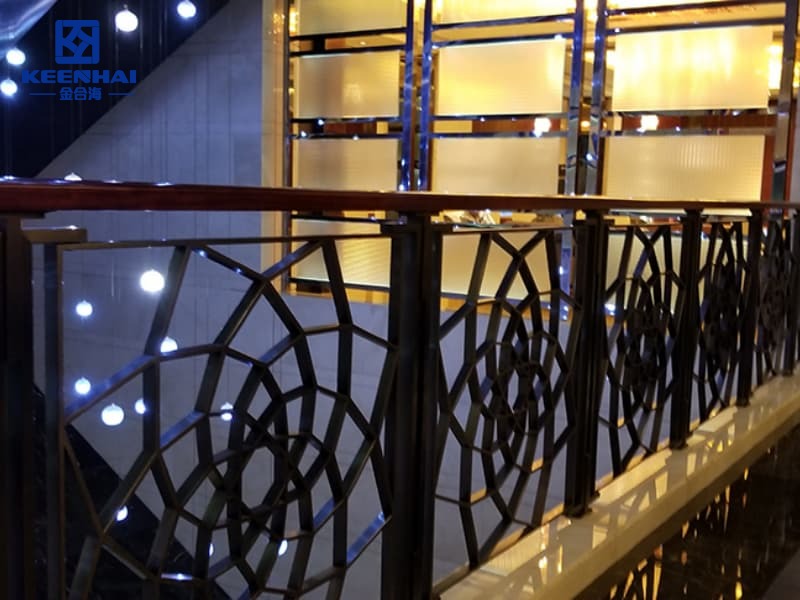
When budgeting for an aluminum fence, several critical factors determine the overall cost. Understanding these variables helps you plan effectively and avoid surprises during installation. From material quality to site conditions, each aspect has a measurable impact on pricing.
2.1 Material Grade and Coating Type
The grade of aluminum directly affects durability and cost. Residential fences typically use 6063-T5 aluminum, which offers strength and corrosion resistance, while premium commercial fences may use 6082 alloys for extra rigidity. Coating types also matter:
-
Powder-coated finishes protect against UV rays and corrosion, adding $5–$10 per linear foot.
-
Anodized coatings provide extra scratch resistance and premium sheen, adding roughly $8–$12 per foot.
Choosing high-grade aluminum with quality powder coating ensures longevity in harsh weather while keeping maintenance minimal. Even in large-scale installations, this upfront investment pays off over decades.
2.2 Fence Height, Design, and Style
Fence height, panel style, and design intricacy are major cost drivers:
-
Standard 4–5 ft panels cost the least, ideal for perimeter fencing.
-
6–8 ft decorative panels, often with Aluminum Carved Fence elements, increase costs by 20–40% due to material volume and fabrication complexity.
-
Ornamental styles with lattice, finials, or curved tops are premium options, adding $10–$15 per linear foot.
For instance, a decorative 6 ft panel installed around a 100 ft backyard may cost $4,500–$5,500 for materials alone. Standard panels of the same height may only cost $3,000–$3,500.
2.3 Gate Options and Accessories
Gates and accessories add both functionality and aesthetic value but affect pricing:
-
Single swing gates: $400–$700 depending on size and hardware quality.
-
Double swing or sliding gates: $800–$1,500, including automation-ready frames.
-
Accessories: post caps, decorative finials, and integrated lighting add $5–$15 per linear foot when distributed along the fence.
Selecting Custom Carved Fence gates or panels enhances visual appeal but requires precise installation to maintain alignment and security.
2.4 Site Conditions and Terrain
The physical environment can dramatically impact installation costs:
-
Uneven terrain or slopes require extra leveling and retaining solutions, adding $8–$15 per foot.
-
Rocky or sandy soil may need specialized anchors or concrete footings.
-
Dense landscaping or tree roots can slow installation, increasing labor time by 10–25%.
For smooth, flat yards, installation is straightforward. However, preparing challenging terrain ensures the fence remains stable and durable over time. Proper assessment beforehand helps avoid hidden costs.
3. Installation Costs and Labor Considerations
Installing an aluminum garden fence involves more than just material costs. Labor is a significant portion of the budget, and understanding installation pricing helps homeowners plan accurately. Whether you hire professionals or take a DIY approach, knowing the steps and associated costs ensures a smooth project with minimal surprises.
3.1 Professional Installation Rates
Professional installation typically ranges from $20 to $40 per linear foot, depending on fence complexity, height, and terrain. Higher panels or decorative designs such as Aluminum Carved Fence require careful handling and precise alignment, which can push rates toward the upper end. Professionals handle:
-
Site assessment and leveling
-
Post placement and anchoring
-
Panel alignment and fastening
-
Gate installation and adjustments
For a 150-foot standard fence on level ground, labor costs alone can run $3,000–$5,000, while decorative panels increase it to $4,500–$6,000. Hiring experienced installers guarantees structural integrity and reduces long-term maintenance issues.
3.2 DIY Installation vs Hiring a Contractor
DIY installation saves money but requires time, proper tools, and experience. Typical steps include:
-
Measuring and marking fence layout
-
Digging post holes and pouring concrete
-
Aligning and securing panels
-
Installing gates and finishing accessories
DIY costs usually range $5–$15 per linear foot for materials, but labor effort is significant—installing a 100-foot fence may take 2–3 full weekends. Hiring a contractor shifts all labor responsibilities but adds $15–$25 per foot compared to DIY. The choice depends on skill level, project size, and desired finish quality.
3.3 Regional Labor Price Differences
Labor rates vary widely across the U.S., reflecting local wage standards and cost of living:
-
Urban areas like New York or San Francisco: $30–$50 per linear foot
-
Suburban regions: $20–$35 per linear foot
-
Rural areas: $15–$25 per linear foot
Weather, soil conditions, and local permitting requirements can also affect labor. For example, rocky soil or steep slopes often increase installation time by 20–30%, directly impacting overall costs. Evaluating regional factors before budgeting ensures a more accurate financial plan.
4. Hidden and Additional Expenses
When planning an aluminum garden fence, material and labor are just part of the total cost. Hidden or additional expenses can significantly affect your budget if overlooked. Factoring in site prep, hardware, permits, and delivery ensures you’re not surprised by extra charges.
4.1 Site Preparation and Ground Leveling
Proper site preparation is crucial for fence stability. Uneven ground, slopes, or soft soil require grading, leveling, or reinforcement, which can add $5–$15 per linear foot. Typical steps include:
-
Clearing vegetation and debris
-
Measuring and marking fence lines
-
Excavating post holes and adding gravel or concrete
-
Adjusting for slopes to maintain consistent fence height
For example, installing a 120-foot fence on slightly hilly terrain can increase prep costs by $600–$1,200. Proper groundwork prevents leaning panels or post shifting over time, especially for decorative options like Custom Carved Fence.
4.2 Post Anchors, Fasteners, and Hardware
Even basic hardware adds up. Posts, anchors, screws, brackets, and caps typically cost $3–$8 per linear foot. Higher-end or decorative panels require sturdier fasteners and specialized connectors to maintain structural integrity.
A standard breakdown for a 100-foot fence:
| Component | Cost per Linear Foot | Notes |
|---|---|---|
| Post anchors | $1.50–$3 | Concrete or screw-in types |
| Screws & brackets | $0.50–$1.50 | Corrosion-resistant |
| Decorative caps & finials | $1–$3 | Optional aesthetic upgrade |
Including these small but essential items early in your budget ensures installation proceeds smoothly without delays.
4.3 Permit, Delivery, and Waste Disposal Fees
Local regulations may require permits, which typically cost $50–$200, depending on municipality and project scope. Delivery fees for materials can add $100–$300, while waste disposal for debris and packaging adds another $50–$150.
Considering all these extras, the total “hidden” costs can range from $500–$1,000 for an average residential fence. Planning ahead for these expenses ensures the project stays on track and prevents last-minute budget surprises.
5. Comparing Aluminum Fences with Other Materials
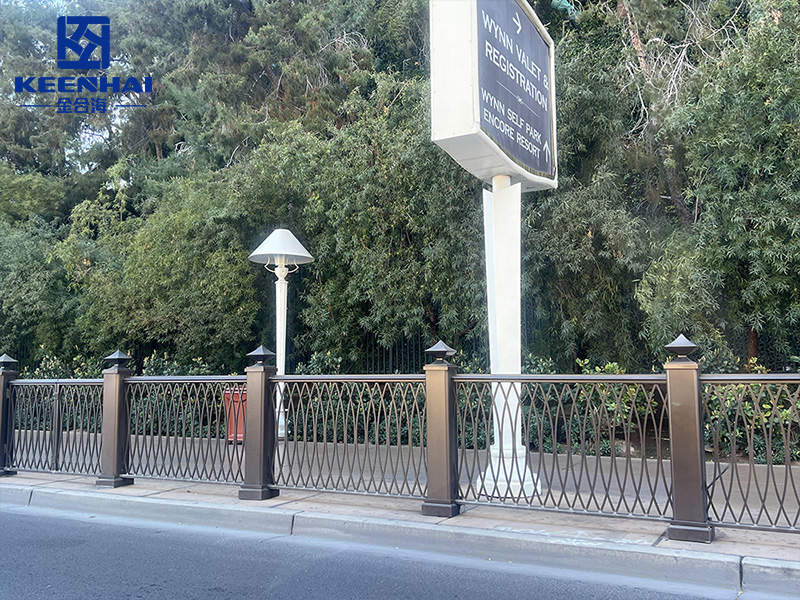
Understanding how aluminum garden fences stack up against other popular fence materials helps homeowners make informed decisions. Each material has distinct cost structures, maintenance needs, and durability characteristics, so comparing them side by side ensures you choose the best option for your property.
5.1 Aluminum vs Vinyl Fences
Vinyl fencing is often praised for low maintenance and affordability, but aluminum offers superior strength and long-term durability. Typical vinyl fences cost $20–$35 per linear foot, while aluminum ranges $25–$40 per linear foot, depending on panel style and height. Aluminum fences are resistant to warping, cracking, and fading, making them ideal for regions with harsh weather.
A practical scenario: a 150-foot backyard fence with decorative panels such as Aluminum Carved Fence may cost slightly more upfront than vinyl but lasts decades with minimal upkeep. Vinyl may require replacement every 15–20 years, increasing lifetime cost.
5.2 Aluminum vs Steel or Wrought Iron
Steel and wrought iron are strong and secure but demand higher upfront investment and maintenance. Wrought iron fences can reach $50–$80 per linear foot, not including painting or rust prevention. Aluminum fences provide similar aesthetic appeal and strength at a fraction of the maintenance burden, as they resist rust naturally.
-
Steel/wrought iron: heavy, requires periodic painting
-
Aluminum: lightweight, corrosion-resistant, easier to install
-
Decorative carved panels, like Classic Carved Fence, are easier to incorporate in aluminum designs
This makes aluminum an attractive choice for homeowners seeking elegance without constant upkeep.
5.3 Aluminum vs Wood Fences
Wood fences are traditional and can be customized easily, but they are prone to rot, insect damage, and warping. Aluminum offers lower long-term costs due to durability and virtually zero maintenance. Wood fencing costs range $15–$40 per linear foot, but staining, sealing, or replacing damaged boards increases lifetime expenses.
A 100-foot fence project comparison:
| Material | Initial Cost | Maintenance Cost (10 yrs) | Durability |
|---|---|---|---|
| Aluminum | $2,500–$4,000 | Low | 30+ years |
| Wood | $1,500–$4,000 | High | 10–20 years |
| Vinyl | $3,000–$5,000 | Low | 15–20 years |
| Wrought Iron | $5,000–$8,000 | Medium | 30+ years |
This table highlights why aluminum fencing is often considered a best-value investment, balancing aesthetics, longevity, and cost efficiency.
Investing in an aluminum garden fence combines durability, low maintenance, and aesthetic appeal, making it a cost-effective choice for any property. From choosing the right panel style to accounting for installation and hidden costs, understanding all factors ensures a smooth project and long-term satisfaction. Planning carefully lets you enjoy a secure, elegant fence without unexpected expenses.