
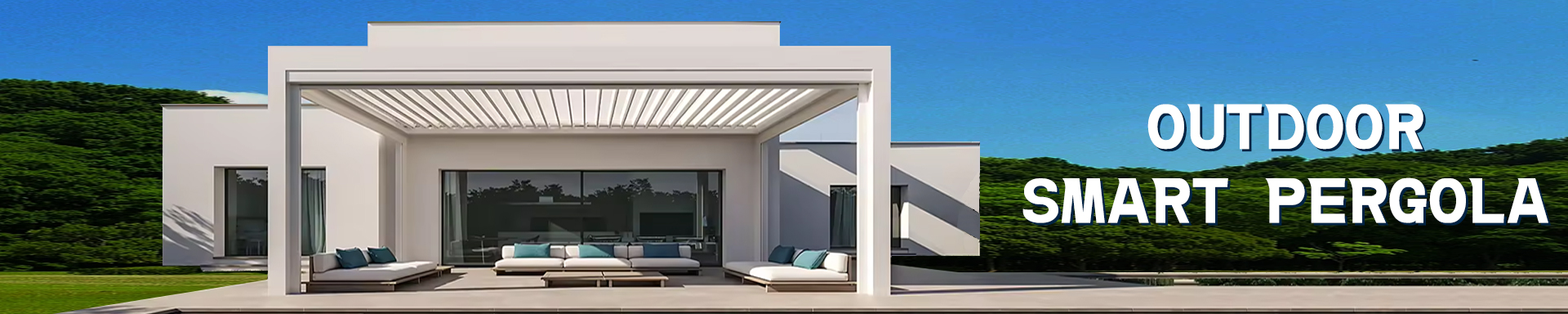
The price of a modern steel carport varies with size and materials. Small 12x20 ft carports cost $3,500–$5,000 including basic labor, while medium 20x24 ft carports run $6,000–$7,500. Large or commercial structures with extra features like storage cabinets or curved roofs can reach $15,000–$18,000. Installation methods, site preparation, and regional labor rates also impact the final cost. Choosing a durable aluminum or powder-coated steel frame ensures a long-lasting structure that minimizes maintenance, making it a smart investment for homeowners seeking a functional and visually appealing carport.
1. Factors Affecting the Cost of a Modern Metal Carport
Understanding the cost of a Modern Metal Carport involves looking at several practical factors that impact both the upfront price and long-term value. Homeowners often focus on size, material quality, roof design, and additional features, each contributing to the overall budget.
1.1 Size and Dimensions
The size of the carport directly influences material usage and installation complexity. Small carports for 1–2 vehicles are simpler and faster to install, whereas large structures for 3+ vehicles require more materials, labor, and time.
-
Small (12x20 ft) carports typically cost $3,500–$5,000.
-
Medium (20x24 ft) carports range from $5,500–$7,500.
-
Large (24x30 ft+) structures can exceed $12,000 depending on optional features.
Practical Tips:
-
Measure the available area accurately before ordering.
-
Factor in extra space for doors, walkways, and overhangs.
-
Larger carports may need reinforced foundations or footings for stability.
1.2 Material Quality and Finish
Material choice is a major cost driver. Aluminum frames are lightweight, corrosion-resistant, and require less maintenance, while standard steel is cheaper but heavier and more prone to rust. Powder-coated finishes add durability and aesthetic value but slightly increase cost.
| Material | Durability | Approximate Price per Sq. Ft. |
|---|---|---|
| Standard Steel | 15–20 years | $10–$15 |
| Galvanized Steel | 20–25 years | $12–$18 |
| Aluminum (Powder-coated) | 25–30 years | $15–$25 |
For homeowners who want extra strength and longevity, a Heavy-duty Aluminum Carport offers a reliable solution without frequent maintenance.
1.3 Roof Style and Design Options
Roof style affects both the visual appeal and cost. Flat roofs are economical and easy to install, gable roofs add drainage efficiency, and multi-slope or curved designs increase material and labor costs.
-
Curved or custom-designed roofs can increase costs by 20–30%.
-
Optional features like integrated gutters or snow guards add $150–$400 to the total.
Selecting the right roof type involves balancing aesthetics, functionality, and budget. Complex designs generally justify the extra investment if longevity and curb appeal are priorities.
1.4 Additional Features (Lighting, Storage, Gutters)
Optional features enhance usability but affect price. Integrated lighting, storage racks, and heavy-duty gutters provide convenience and protection but require careful planning.
-
LED lighting kits: $100–$250 depending on size and number of fixtures.
-
Storage racks or shelving: $200–$500 depending on custom dimensions.
-
Gutters and downspouts: $150–$350, essential for regions with heavy rainfall.
Even with these extras, a high-quality Modern Metal Carport provides long-term value and durability, ensuring that your investment meets both functional and aesthetic needs.
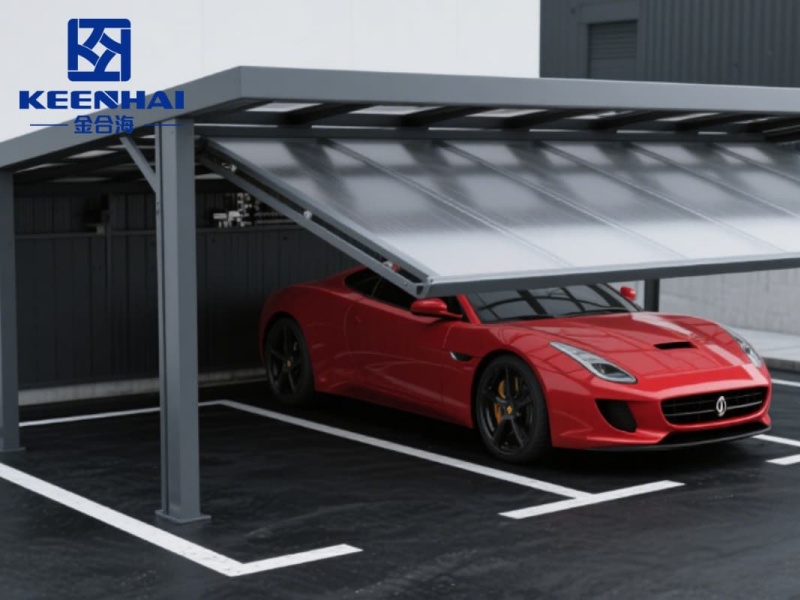
2. Average Price Ranges for Modern Metal Carports in 2025
Understanding the average cost of different carport sizes helps homeowners plan budgets accurately. Costs vary depending on dimensions, materials, labor, and additional features. Below is a detailed breakdown for small, medium, and large carports in 2025.
2.1 Small Carports (1–2 Cars)
Small carports, typically 12x20 ft to 14x22 ft, are designed for one or two vehicles. They are the most budget-friendly option, ideal for compact properties or tight backyard spaces.
-
Material Costs: Aluminum ranges from $15–$20 per sq ft, while galvanized steel is $12–$18 per sq ft.
-
Labor Costs: Professional installation usually adds $800–$1,500 depending on region.
-
Additional Features: Simple LED lighting or gutter systems add $150–$300.
Example Scenario: A homeowner in Phoenix installed a 12x20 ft aluminum carport structure, completing the project in 2 days with a crew of two. The total cost came to approximately $3,800, including a powder-coated finish and basic gutters.
Step-by-step Installation Considerations:
-
Measure the available area and mark boundaries.
-
Prepare a level foundation using concrete or compacted gravel.
-
Assemble the frame, securing posts and beams with bolts.
-
Attach the roofing panels carefully, ensuring proper alignment.
-
Install gutters and optional lighting fixtures.
2.2 Medium Carports (2–3 Cars)
Medium carports, ranging from 18x22 ft to 24x24 ft, accommodate 2–3 vehicles and often include additional storage space or features. The cost increases due to larger material requirements and longer installation time.
| Size | Material Cost | Labor Cost | Optional Features | Total Estimated Cost |
|---|---|---|---|---|
| 18x22 ft | $3,500–$4,800 | $1,200–$1,800 | Lighting + Gutters | $5,000–$6,600 |
| 20x24 ft | $4,200–$5,500 | $1,500–$2,200 | Storage Cabinets | $6,000–$7,700 |
| 24x24 ft | $5,000–$6,500 | $1,800–$2,500 | Lighting + Storage + Gutters | $7,800–$9,500 |
A Heavy-duty Carport installed in a suburban backyard used a 20x24 ft frame with LED lighting and storage cabinets, completed in 4 days. The homeowner emphasized that investing in a high-quality frame reduced maintenance over time.
Installation Notes:
-
Use at least 4 workers for medium-sized carports to ensure safe handling of large panels.
-
Check that the foundation supports the additional weight of features like storage cabinets and curved roofing.
-
Verify all bolts are tightened and panels are properly aligned to prevent leaks.
2.3 Large Carports (3+ Cars)
Large carports, often 30x30 ft or larger, are suitable for commercial use or homeowners with multiple vehicles. Costs rise sharply due to heavier materials, more complex assembly, and additional reinforcement requirements.
-
Material Costs: Aluminum structures range from $15–$25 per sq ft, steel frames $12–$20 per sq ft.
-
Labor Costs: Professional installation can add $3,000–$5,000 depending on complexity.
-
Optional Features: Curved roofs, extensive lighting, integrated storage, and gutters can add $1,000–$2,500.
Real-world Example: A business in Austin built a Commercial Aluminum Carport to cover 36x36 ft for delivery vehicles. The project took 10 days with a crew of 5, costing around $18,000 including all optional features.
Practical Installation Steps:
-
Conduct a structural assessment of the site to ensure soil can handle heavy loads.
-
Preassemble sections of the frame on the ground for safer handling.
-
Lift and secure beams with the help of at least 4–5 workers.
-
Install roofing panels, carefully sealing all joints to prevent water leakage.
-
Integrate optional features such as lighting, storage racks, and gutters.
-
Conduct a final inspection for stability and alignment.
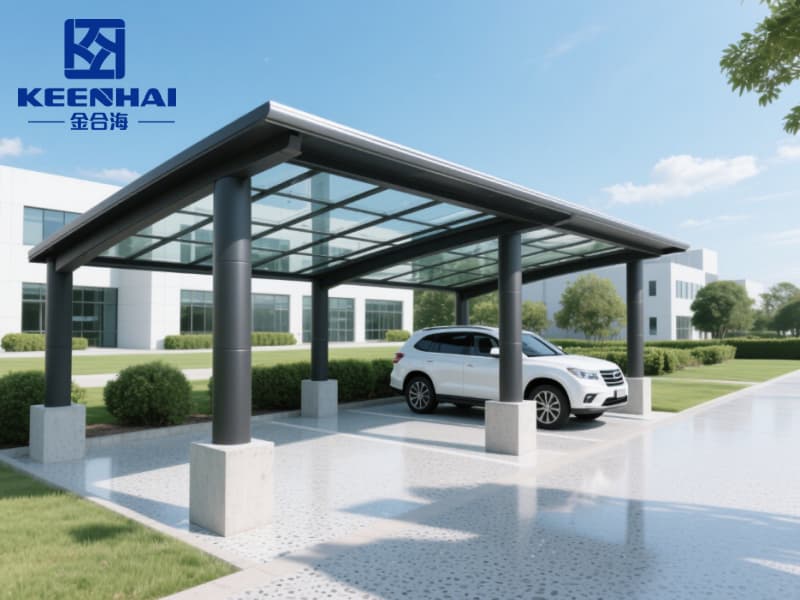
3. Cost Comparison: Prefabricated vs Custom Modern Metal Carports
When deciding between prefabricated and custom carports, understanding price differences, installation complexity, and long-term benefits is essential. Both options serve different needs, and the cost varies based on size, materials, and optional features.
3.1 Prefabricated Carports Price Overview
Prefabricated carports are pre-engineered and manufactured off-site, then shipped to the location for assembly. They are generally faster to install and more budget-friendly compared to custom builds.
Typical Costs in 2025:
-
Small (1–2 cars): $3,500–$5,000
-
Medium (2–3 cars): $5,500–$7,500
-
Large (3+ cars): $8,000–$12,000
Advantages of Prefabricated Carports:
-
Quick Installation – Usually completed within 1–3 days.
-
Lower Labor Costs – Minimal on-site assembly reduces workforce needs.
-
Standardized Quality – Factory-controlled production ensures uniformity.
A homeowner installed a prefabricated 20x24 ft Modern Metal Carport in San Diego. The project took 2 days with a team of three, costing around $5,800 including basic gutters and a powder-coated finish.
3.2 Custom Carports Price Overview
Custom carports are designed to meet specific requirements, including unique dimensions, roof styles, materials, and additional features. They offer more flexibility but come at a higher price due to design, material sourcing, and longer installation time.
Cost Examples in 2025:
-
Small Custom (1–2 cars): $4,500–$6,500
-
Medium Custom (2–3 cars): $7,000–$9,500
-
Large Custom (3+ cars): $10,000–$18,000
Key Factors Increasing Custom Carport Costs:
-
Specialty materials (e.g., premium aluminum or corrosion-resistant steel).
-
Complex roof designs like curved or multi-slope structures.
-
Integrated features such as LED lighting, storage cabinets, and reinforced gutters.
A lakeside property installed a Custom Aluminum Carport measuring 24x24 ft with a curved roof and storage racks. The project required 5 days of labor and cost $8,900, but the homeowner highlighted the aesthetic appeal and tailored fit as major advantages.
3.3 Cost-Benefit Analysis
Choosing between prefabricated and custom carports depends on your budget, space, and functional needs. The table below summarizes key differences:
| Feature | Prefabricated Carport | Custom Carport |
|---|---|---|
| Average Cost | $3,500–$12,000 | $4,500–$18,000 |
| Installation Time | 1–3 days | 3–10 days |
| Material Options | Standard aluminum or steel | Wide range including premium finishes |
| Roof Styles | Flat or gable | Flat, gable, curved, multi-slope |
| Optional Features | Limited | Fully customizable (lighting, storage, gutters) |
| Best Use | Budget-conscious homeowners, quick setup | Unique spaces, high-end residential or commercial projects |
Key Takeaways:
-
Prefabricated options are cost-effective, quick to install, and ideal for standard layouts.
-
Custom carports are more expensive but provide personalized designs, enhanced functionality, and long-term satisfaction.
-
Decision Process:
-
Determine your maximum budget and desired features.
-
Measure available space and check for zoning requirements.
-
Compare prefabricated models versus custom designs, factoring in labor and material costs.
-
Decide whether aesthetic appeal or speed of installation is your priority.
-
A Heavy-duty Carport often strikes a middle ground, providing durable materials with reasonable customization options for homeowners who want long-term value without excessive costs.
4. Installation Costs and Considerations
Installation is a major part of the overall budget for any modern carport. Understanding DIY versus professional installation, regional labor variations, and site preparation costs ensures there are no surprises during the project.
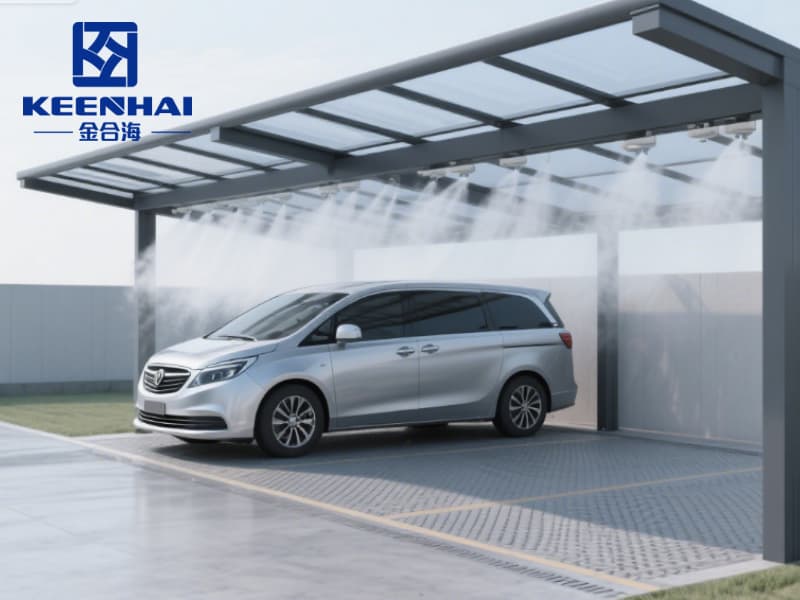
4.1 DIY Installation vs Professional Installation
Choosing between a DIY setup and hiring professionals depends on skill level, project complexity, and safety concerns. Small carports with simple flat roofs can often be assembled by homeowners with basic tools. Medium to large structures, or those with complex roof designs like curved or multi-slope, usually require professional expertise.
DIY Installation Steps:
-
Measure and mark the foundation area precisely.
-
Level the ground using compacted gravel or concrete pads.
-
Assemble the frame on the ground first to reduce handling risks.
-
Lift and secure beams, then attach roof panels carefully.
-
Install optional features such as gutters or LED lighting.
Professional Installation Advantages:
-
Faster setup: a 20x24 ft carport can be completed in 2–4 days.
-
Proper alignment and stability guaranteed, reducing long-term maintenance.
-
Safety ensured when handling heavy panels or high roofs.
For instance, a Heavy-duty Carport with a gable roof was installed in a suburban backyard by a team of three. The job finished in three days, and the homeowners appreciated not having to worry about structural alignment or securing bolts under pressure.
4.2 Labor Costs and Regional Differences
Labor is often one of the largest installation expenses, and costs vary widely depending on region. On average, professional installation ranges:
-
Small carports: $800–$1,500
-
Medium carports: $1,500–$2,500
-
Large or commercial carports: $3,000–$5,000
In regions with high labor rates, such as California or New York, costs can be 20–30% higher. In contrast, Midwest or Southern states typically have lower installation expenses. Hiring a certified installer ensures structural integrity, especially in areas prone to high winds or heavy snow.
4.3 Site Preparation Costs
Before installation, proper site preparation is crucial to avoid future issues. Preparing the ground ensures the carport remains level and stable for years.
Key steps and considerations:
-
Clear the area of debris, vegetation, and rocks.
-
Level the surface using compacted gravel or poured concrete pads.
-
Check soil stability – soft or sandy soils may require deeper footings or reinforced bases.
-
Drainage planning – slope the site slightly away from structures to prevent water pooling.
-
Permit and zoning checks – some municipalities require specific foundation types or setbacks.
For a 24x24 ft Modern Metal Carport, preparing a level gravel base added roughly $600 to the project cost, but it ensured smooth installation and long-term durability. In contrast, skipping proper leveling often leads to misaligned panels and water pooling, which can increase maintenance costs over time.
5. Long-Term Cost Factors
When evaluating the total expense of a modern carport, it’s not just the upfront price that matters. Maintenance, durability, and energy efficiency play a crucial role in determining long-term value.
5.1 Maintenance and Upkeep Expenses
Maintenance costs vary depending on materials, roof style, and added features. Aluminum carports typically require less upkeep than standard steel due to corrosion resistance. Regular cleaning, bolt tightening, and gutter inspection prevent small issues from becoming costly repairs.
Average Annual Maintenance Costs in 2025:
-
Aluminum: $50–$150
-
Galvanized Steel: $100–$250
-
Powder-coated finishes: $75–$200
Practical Maintenance Steps:
-
Wash the frame and roof panels with mild detergent every 6–12 months.
-
Inspect bolts and joints for tightness and rust.
-
Clear gutters at least twice a year to avoid water damage.
-
Touch up scratches with appropriate paint or sealant to maintain corrosion protection.
A 24x24 ft Modern Metal Carport installed in Colorado required minimal maintenance over three years. The homeowners reported spending roughly $120 annually on cleaning and minor touch-ups, significantly less than the initial investment.
5.2 Durability and Lifespan Impacts on Total Cost
The lifespan of a carport directly affects its long-term cost. High-quality aluminum or galvanized steel can last 25–30 years if properly maintained, while standard steel may only last 15–20 years without extensive upkeep.
| Material Type | Average Lifespan | Typical Long-Term Maintenance | Replacement Cost (after lifespan) |
|---|---|---|---|
| Standard Steel | 15–20 years | $100–$250/year | $5,000–$7,000 |
| Galvanized Steel | 20–25 years | $150–$200/year | $7,000–$10,000 |
| Aluminum | 25–30 years | $50–$150/year | $8,000–$12,000 |
Investing in a Heavy-duty Aluminum Carport increases upfront cost slightly but saves money in the long run by reducing maintenance and delaying replacement.
5.3 Potential Savings Through Energy Efficiency
Carports can contribute to energy savings when designed strategically. Light-colored or reflective roofing reduces heat absorption, keeping adjacent structures cooler. Integrating solar panels or LED lighting also adds value:
-
LED lights consume 75% less energy than traditional fixtures.
-
Solar panel integration can offset small electrical loads, especially for outdoor lighting or electric vehicle chargers.
-
Shade provision by a large carport reduces HVAC loads on nearby buildings during summer, potentially lowering energy bills by 5–10%.
For example, a 30x30 ft Custom Aluminum Carport with reflective roofing and LED lighting in Arizona helped the homeowner reduce outdoor lighting costs by $120 annually, while also providing significant shade that minimized heat gain for the garage behind it.