
Modern aluminum slatted fences blend durability, low maintenance, and sharp aesthetics—ideal for both residential and commercial properties. Their rust-proof structure and customizable designs allow you to match any modern outdoor space. If you’re after a fence that lasts decades without repainting or warping, this option balances sleek style with practical performance better than wood or steel.
1. Understanding Modern Aluminum Slatted Fences
1.1 What Defines a Modern Slatted Fence
A modern aluminum slatted fence combines clean lines, light weight, and exceptional durability. Unlike traditional wood or iron fences, aluminum doesn’t warp or rust, even after years of exposure to sun and rain. The slatted design allows light and airflow while maintaining privacy, making it ideal for courtyards, patios, or poolside boundaries. Its minimalist geometry complements both contemporary and classic architecture, offering flexibility for different exterior aesthetics.
1.2 Key Design Elements and Visual Appeal
Modern aluminum slatted fences stand out because of their precise alignment and uniform spacing, which create a refined architectural rhythm. The most popular styles feature horizontal slats for a sleek and continuous look, while vertical arrangements emphasize height and structure. The frame is typically powder-coated to match the home’s palette—matte black and charcoal gray being top choices in 2025. When combined with LED garden lighting, the fence transforms into a defining visual feature of the property.
1.3 Common Applications in Residential and Commercial Spaces
These fences fit seamlessly into both residential landscapes and commercial exteriors. Homeowners use them for privacy screens, deck enclosures, or front-yard boundaries without blocking views. In commercial settings, they appear in modern office courtyards, hotel terraces, and upscale retail façades. Because aluminum is non-corrosive, it performs exceptionally well in coastal or humid climates. The result is a fence that looks sharp year after year, with minimal upkeep required compared to wood or steel alternatives.
2. Material and Structural Specifications
2.1 Types of Aluminum Alloys Used in Slatted Fences
High-quality Modern Aluminum Slatted Fences typically use 6063-T5 or 6061-T6 aluminum alloys, both known for their excellent strength-to-weight ratio. The 6063-T5 alloy is favored for its smoother surface and ability to hold powder coatings evenly—perfect for fences with architectural finishes. Meanwhile, 6061-T6 offers higher tensile strength, making it ideal for projects that demand extra rigidity, such as tall perimeter fencing or areas exposed to strong winds.
In luxury residential areas like Palm Springs or coastal resorts, homeowners often choose 6063-T5 for its sleek appearance, while commercial builders prefer 6061-T6 for structural durability.
| Alloy Type | Tensile Strength (MPa) | Corrosion Resistance | Best Use Case |
|---|---|---|---|
| 6063-T5 | 145–185 | Excellent | Decorative and residential fences |
| 6061-T6 | 240–310 | Very Good | Structural and commercial fencing |
2.2 Thickness, Panel Size, and Reinforcement Options
The thickness of the slats determines how solid your fence feels and how well it resists bending under pressure. Most aluminum slats range from 1.2 mm to 2.0 mm thick, depending on the height and span of the panels. Thicker panels are recommended for open landscapes or windy regions.
Standard slat width is between 65 mm and 100 mm, giving a clean and balanced proportion between visibility and privacy. For longer fence runs or corner transitions, internal steel reinforcements are sometimes used to maintain structural alignment. Professional installers typically:
-
Measure the post spacing to within ±2 mm accuracy.
-
Add internal brackets every 1.5 m for fences over 1.8 m tall.
-
Seal slat ends with aluminum caps to prevent dust and water ingress.
This level of precision ensures that each Aluminum Slatted Fence maintains a consistent and modern appearance across the entire property line.
2.3 Durability and Rust-Resistant Coatings
Unlike iron or untreated steel, aluminum forms a natural oxide layer that resists corrosion even in coastal or high-humidity environments. To enhance protection, manufacturers apply electrostatic powder coatings rated for over 3,000 hours of salt-spray resistance under ASTM B117 standards.
For customers who want extra longevity, fluorocarbon coatings (PVDF) or anodized finishes are available. These options are popular in tropical climates, where exposure to salt and sun is intense. The coating not only increases lifespan but also preserves the aesthetic tone of the fence for over a decade with minimal upkeep.
Builders who prefer durable aluminum slatted fence systems use these coatings for resort or seaside villa projects, ensuring the fence maintains its visual and structural integrity for years.
3. Design and Customization Options
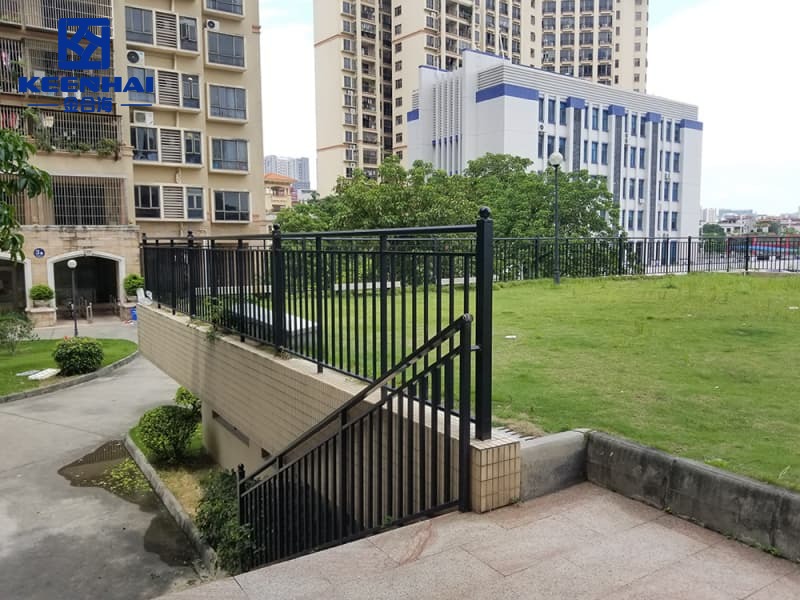
When planning your modern aluminum slatted fence, design flexibility is one of the biggest advantages. You can adjust the layout, slat direction, and spacing to match both functionality and curb appeal. These options allow you to balance privacy, airflow, and light penetration while maintaining a sleek, modern aesthetic that fits your property’s architecture.
3.1 Horizontal vs Vertical Slat Styles
Choosing between horizontal and vertical slat layouts can dramatically change your fence’s visual effect.
-
Horizontal slats create a contemporary, streamlined look that visually widens your yard.
-
Vertical slats, on the other hand, emphasize height and make smaller areas appear taller.
When designing, ensure slat alignment is consistent and use a spirit level at each step to keep lines perfectly straight. For corner transitions, use matching end caps or angled connectors for a smooth, professional finish.
3.2 Color, Finish, and Texture Choices
Aluminum fences come in a wide range of finishes such as matte, brushed, or powder-coated gloss. Neutral tones like charcoal gray or black fit minimalist spaces, while woodgrain finishes blend well with natural landscapes. Powder coating not only enhances aesthetics but also adds UV and corrosion resistance. Before finalizing your color, test a small section under natural sunlight to check how the tone shifts throughout the day.
3.3 Custom Slat Spacing and Pattern Design
Custom slat spacing affects both privacy and airflow.
-
For residential privacy fences, keep a gap of 10–20 mm between slats.
-
For semi-open or decorative designs, 30–50 mm works better for airflow.
You can also alternate slat widths or integrate angled or diagonal panels for a dynamic pattern. Before securing the layout, mark your spacing with a measuring tape and chalk line, ensuring uniform distance from post to post. Small details like this define the quality and visual harmony of your fence.
4. Installation Guidelines
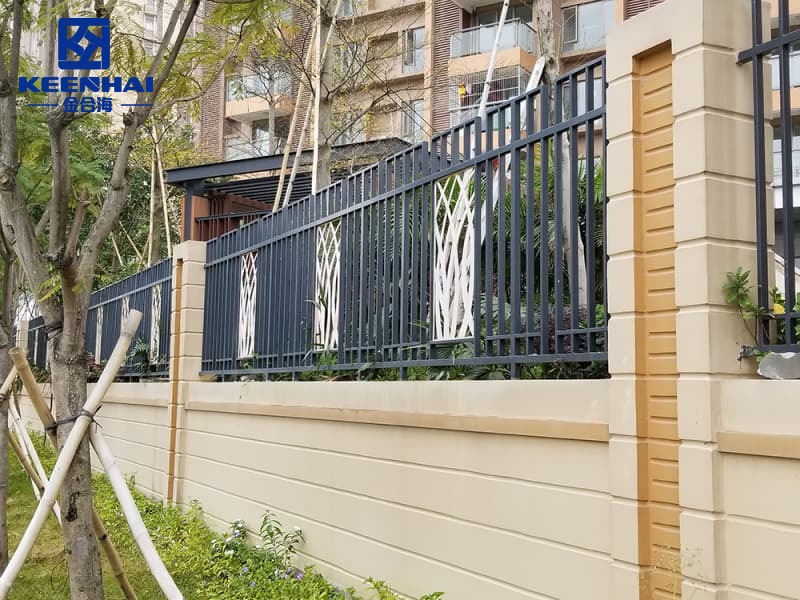
Installing a modern aluminum slatted fence is a straightforward process if you follow precise measurements and consistent alignment. This section covers the essential tools, step-by-step instructions, and proven tips to ensure a clean, durable installation that looks professional and lasts for years.
4.1 Tools and Materials You’ll Need
Before starting, prepare all tools to avoid interruptions during installation.
-
Measuring tape and string line for accurate layout.
-
Level and square for alignment checks.
-
Post hole digger or auger for creating foundations.
-
Concrete mix for securing fence posts.
-
Drill, screws, and brackets for fixing slats and frames.
-
Protective gear such as gloves and safety glasses.
Having everything ready speeds up your workflow and ensures consistent results across all fence sections.
4.2 Step-by-Step Installation Process
Follow these steps for a smooth and stable installation:
-
Measure and mark your fence line using a string and stakes.
-
Dig post holes about 500–600 mm deep, depending on soil condition.
-
Set the posts in concrete, ensuring each one is vertically level. Let them cure for at least 24 hours.
-
Attach horizontal rails or frames between posts once the concrete is solid.
-
Install the slats one by one, keeping consistent spacing using plastic spacers.
-
Secure all screws tightly but avoid over-torquing, which could deform the aluminum.
-
Check alignment frequently with a level and adjust before final tightening.
By following these exact steps, you’ll achieve a precise, durable, and visually balanced fence.
4.3 Tips for Leveling and Aligning Panels
Leveling defines the fence’s quality.
-
Always start from the lowest ground point and work upward.
-
Use a long spirit level or laser level to maintain straight lines across multiple panels.
-
Check alignment after every 3–4 slats, not just at the end.
-
If working on uneven terrain, step the fence panels gradually instead of forcing a flat line.
-
After installation, apply a final tightening pass to secure all fittings once the full fence is in place.
Consistent alignment creates a smooth visual flow, preventing gaps or uneven shadows that could affect the fence’s overall appearance.
5. Maintenance and Lifespan
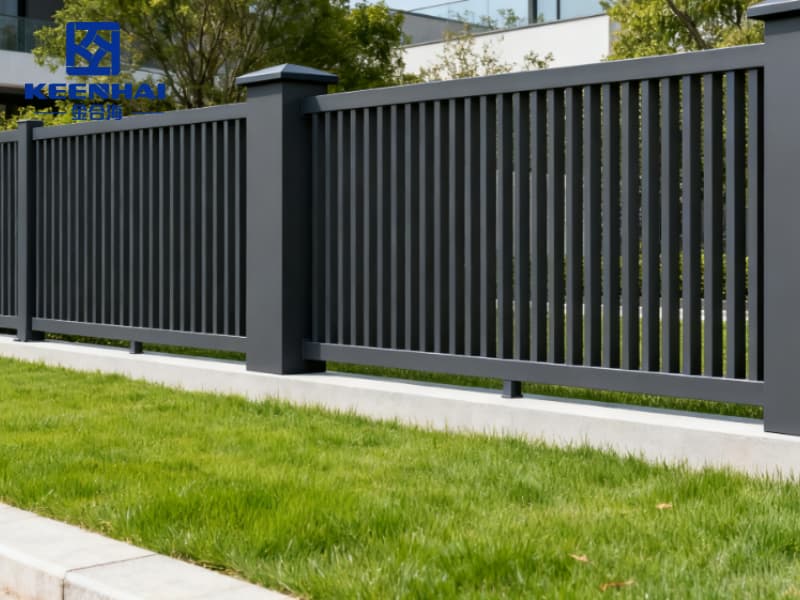
Proper maintenance ensures that your modern aluminum slatted fence remains sleek and durable for decades. Although aluminum is naturally resistant to corrosion and fading, consistent upkeep enhances both its performance and visual appeal. These practical steps will help you keep your fence looking new and performing flawlessly.
5.1 Routine Cleaning and Protective Coating Care
Routine cleaning removes dust, salt, and airborne contaminants that can dull the surface finish.
-
Rinse with clean water using a hose or soft sponge at least once a month, especially in coastal areas.
-
Use a mild detergent solution for stubborn stains, then rinse thoroughly.
-
Avoid abrasive tools or harsh chemicals, which could scratch the powder coating.
-
Apply a UV-protective polish once or twice a year to maintain the coating’s shine.
For fences with textured finishes or darker colors, such as those found on Modern Aluminum Slatted Fences, gentle washing is enough to keep the surface uniform and vibrant without repainting for years.
5.2 Identifying Early Signs of Damage
Even premium materials can show minor wear if neglected. Inspect your fence twice a year to identify early signs of issues before they escalate.
-
Check for loose screws or brackets that may affect structural stability.
-
Look for minor surface scratches, especially around joints or mounting points.
-
Pay attention to slight discoloration or chalking, which may indicate fading in harsh sunlight.
If you find small defects, sand the area lightly and reapply a color-matched protective coating to seal it off. Preventive care at this stage saves you from expensive repairs later.
| Common Issue | Possible Cause | Recommended Solution |
|---|---|---|
| Light corrosion on joints | Water retention or dissimilar metals | Clean and apply corrosion inhibitor |
| Loose panels or rattling | Thermal expansion or vibration | Tighten fittings, use rubber spacers |
| Fading or discoloration | UV exposure | Reapply powder coat protection layer |
5.3 Extending Lifespan Through Proper Upkeep
To maximize lifespan, focus on prevention rather than repair.
-
Trim nearby vegetation to prevent moisture buildup around the base.
-
Keep the bottom rail slightly above ground level to allow drainage.
-
Every two years, conduct a comprehensive inspection of posts, joints, and anchors.
-
In areas with heavy rainfall, apply a hydrophobic coating to repel water.
-
If your fence includes custom panels—like those used in Aluminum Slatted Fence or Custom Slatted Fence Panel —check alignment periodically to maintain symmetry.
With these simple yet effective maintenance habits, your fence can easily last 20 years or more with minimal fading or corrosion. Regular attention ensures not only durability but also keeps your property’s exterior design looking refined and well-kept year after year.