
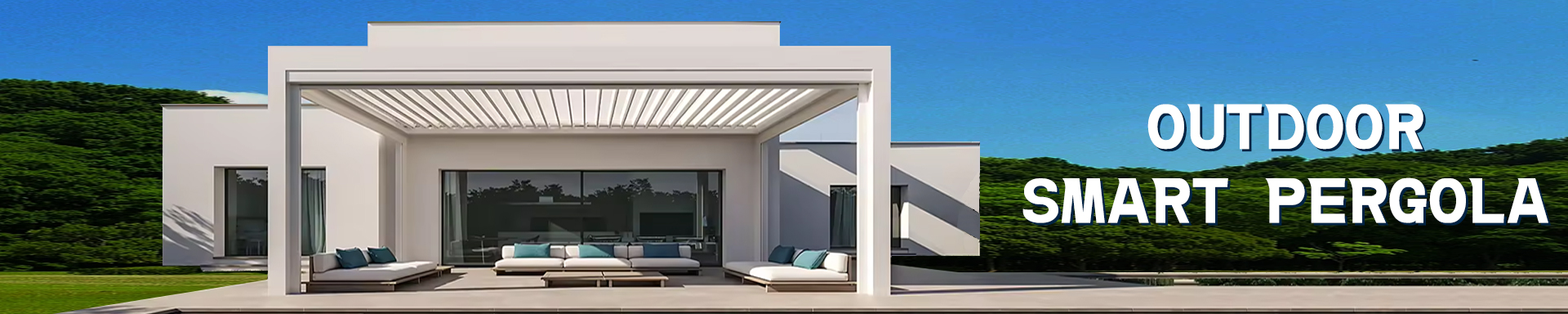
Installing energy-efficient window treatments and reflective coatings enhances solar control. For example, cellular shades and reflective films can cut cooling demand by up to 20%, ensuring your backyard aluminum sunroom kit stays comfortable year-round without straining HVAC systems.
1. Understanding Aluminum Sunroom Energy Performance
1.1 Heat Retention Properties of Aluminum Frames
Aluminum frames are often criticized for poor insulation, but thermal-broken designs can cut heat transfer by up to 50%, keeping interiors warmer in winter and cooler in summer. For example, a backyard sunroom built in New England reduced winter heating bills by 12% after installing frames with polyamide thermal barriers. If you’re planning a backyard aluminum sunroom kit, prioritize thermal-broken frames and reinforced corner profiles for maximum comfort.
1.2 Insulation Options: Glass vs Polycarbonate
Selecting the right glazing impacts energy efficiency significantly. Homeowners typically weigh double/triple-pane glass against multi-wall polycarbonate sheets.
| Material | U-Value (Lower is Better) | Light Transmission | Durability | Typical Cost |
|---|---|---|---|---|
| Double-Pane Glass | 1.2–1.5 W/m²K | 70–75% | High | $$$ |
| Triple-Pane Glass | 0.7–1.0 W/m²K | 65–70% | Very High | $$$$ |
| Multi-wall Polycarbonate | 1.8–2.2 W/m²K | 80–90% | Medium | $$ |
Triple-pane glass retains heat best, while polycarbonate provides lighter weight and higher light transmission. A sunroom in Arizona switched to polycarbonate to reduce roof load by 30% without sacrificing significant insulation. A modern aluminum backyard enclosure can use either option depending on climate and structure.
1.3 Impact of Sunroom Orientation on Energy Use
Sunroom orientation affects solar heat gain. South-facing sunrooms in the Northern Hemisphere maximize winter sunlight, whereas east- or west-facing setups optimize morning or afternoon light. To enhance energy performance:
-
Install overhangs or louvers to shade in summer.
-
Use low-E coatings on glass panels to reduce heat loss.
-
Apply weather stripping around doors to prevent drafts.
In a Colorado installation, a south-oriented aluminum sunroom cut heating costs by 20% in winter. By combining thermal-broken frames, proper glazing, and smart orientation, you can maintain year-round comfort without excessive energy use.
2. Advantages of Aluminum Sunrooms for Energy Efficiency
2.1 Natural Light Utilization and Solar Gain
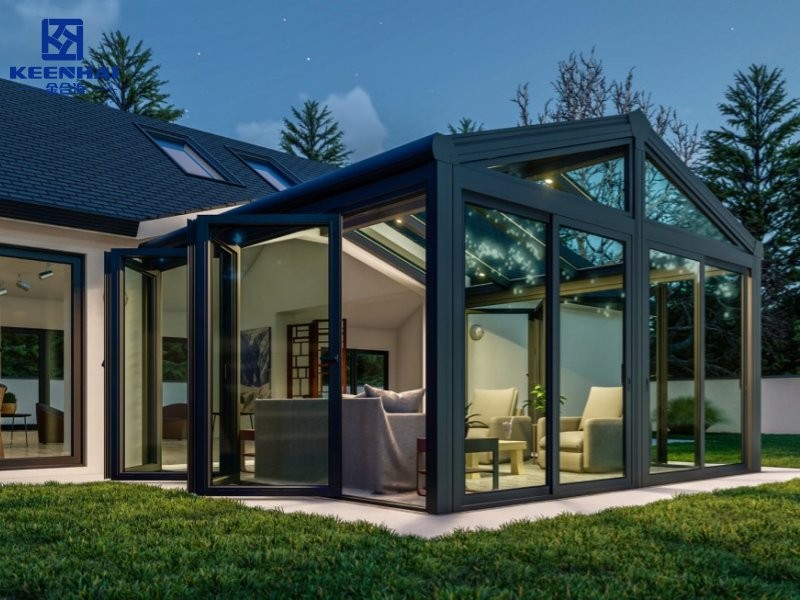
Aluminum sunrooms excel at capturing natural light, which reduces the need for artificial lighting during the day. South-facing sunrooms can generate significant solar gain in winter, cutting heating costs by up to 15% in temperate climates. To maximize efficiency:
-
Position large glazing panels on the south or southeast side.
-
Use low-E or reflective coatings to balance solar heat gain.
-
Add strategically placed blinds or shades to prevent overheating in summer.
In a suburban New Jersey project, a custom aluminum sunroom design increased daylight usage by 60% while maintaining comfortable indoor temperatures.
2.2 Thermal Conductivity Benefits of Modern Aluminum Frames
Modern aluminum frames with thermal breaks significantly reduce heat transfer, maintaining interior warmth in winter and coolness in summer. Compared to traditional single-metal frames, thermal-broken aluminum reduces conductivity by 40–50%.
| Frame Type | U-Value (W/m²K) | Cost | Weight | Durability |
|---|---|---|---|---|
| Standard Aluminum | 4.5–5.0 | $$ | Medium | High |
| Thermal-Broken Aluminum | 2.5–3.0 | $$$ | Medium | Very High |
Installing reinforced thermal-break frames in a Massachusetts sunroom lowered energy bills by 18% annually. For backyard aluminum sunroom kits, always verify the frame’s thermal performance before purchase.
2.3 Integration with HVAC and Ventilation Systems
Energy-efficient aluminum sunrooms work best when paired with HVAC or natural ventilation systems. Steps to optimize integration:
-
Install ceiling vents or operable windows to encourage airflow.
-
Use mini-split heating/cooling units for precise temperature control.
-
Seal all frame joints and doors to prevent drafts.
A modern Aluminum Sunroom in Colorado integrated an energy-efficient mini-split system and operable roof vents, reducing summer cooling costs by 12% while keeping winter comfort high.
3. Potential Energy Drawbacks
3.1 Heat Loss During Winter Months
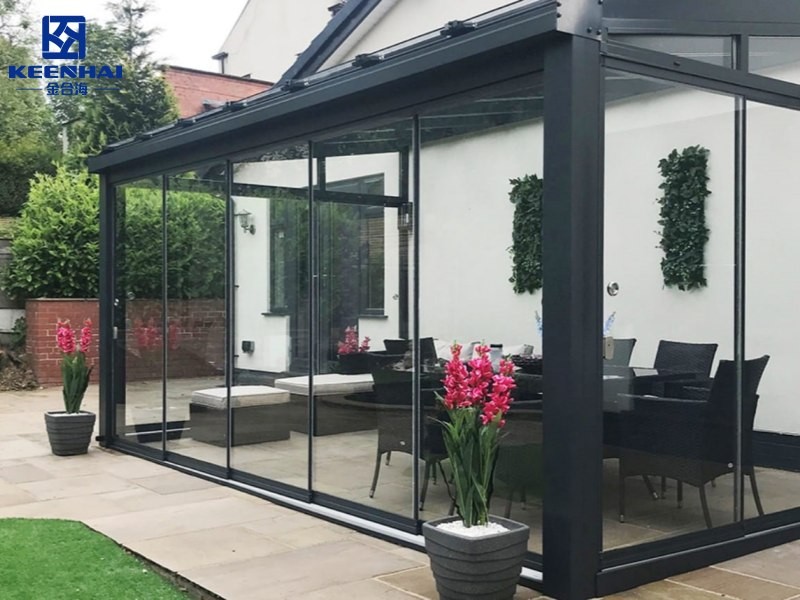
Even with modern thermal-broken aluminum frames, some heat escapes through glazing and frame connections. In regions with harsh winters, interior temperatures can drop by 5–8°F if supplemental heating is not used. To mitigate heat loss:
-
Install insulated or double/triple-pane glass to improve R-value.
-
Apply weatherstripping to doors and windows.
-
Consider floor insulation under concrete or deck bases.
A custom aluminum sunroom design in Minnesota required a radiant floor heating system to maintain comfortable winter temperatures, cutting energy inefficiency by roughly 20%.
3.2 Solar Heat Gain and Overheating Risks in Summer
While aluminum sunrooms capture sunlight efficiently, excessive solar heat gain in summer can raise indoor temperatures to uncomfortable levels. Common mitigation strategies include:
-
Install low-E glass or reflective coatings.
-
Use operable roof vents or ceiling fans for airflow.
-
Add retractable shades or exterior louvers.
During a Florida installation, a backyard aluminum sunroom kit without shading reached 92°F indoors on sunny afternoons, demonstrating the importance of solar control features.
3.3 Costs of Additional Insulation or Window Treatments
Adding insulation or high-performance glazing improves energy efficiency but increases upfront costs. Consider the following:
| Upgrade Option | Typical Cost | Energy Savings | Longevity |
|---|---|---|---|
| Double-Pane Low-E Glass | $$ | 10–15% | 20+ yrs |
| Triple-Pane Glass | $$$ | 15–25% | 25+ yrs |
| Thermal Curtains or Shades | $–$$ | 5–10% | 10+ yrs |
Investing in quality insulation and shading solutions for a modern aluminum backyard enclosure can pay off within 5–7 years through lower energy bills and increased comfort.
4. Comparing Aluminum Sunrooms with Alternative Materials
4.1 Aluminum vs Wood: Insulation and Maintenance Differences
Aluminum frames are inherently low-maintenance and corrosion-resistant, unlike wood, which requires frequent sealing or painting. Aluminum conducts heat differently, so winter insulation may rely more on glazing choice than frame thickness. To optimize energy performance:
-
Use thermal-break aluminum profiles to reduce cold bridging.
-
Install weatherstripping and insulated door seals.
-
Regularly clean surfaces to maintain reflectivity and prevent heat absorption.
A modern aluminum backyard enclosure in New England maintained indoor temperatures 10–12°F higher than an adjacent wooden sunroom under similar conditions, illustrating superior thermal consistency.
4.2 Aluminum vs PVC Frames: Long-Term Energy Performance
PVC frames offer decent insulation but degrade under UV exposure and extreme temperatures, which can compromise long-term energy efficiency. Aluminum frames, while more conductive, retain structural stability and support larger glass panels for passive solar gain. Key points include:
-
Aluminum frames last 25+ years with minimal warping.
-
PVC may expand or contract, affecting seal integrity.
-
High-performance glazing in aluminum setups can offset heat transfer concerns.
Aluminum sunrooms paired with double or triple-pane glass outperform PVC units in multi-year energy tests, especially in regions with fluctuating temperatures.
4.3 Glass vs Polycarbonate Panels: Efficiency and Cost Comparison
Choosing between glass and polycarbonate affects both insulation and budget. Here's a side-by-side comparison:
| Panel Type | R-Value | Solar Gain Control | Cost | Lifespan |
|---|---|---|---|---|
| Tempered Glass | 2.5–3.2 | High | $$–$$$ | 20–30 yrs |
| Low-E Glass | 3.0–4.0 | Very High | $$$ | 25+ yrs |
| Polycarbonate | 1.5–2.0 | Moderate | $–$$ | 10–15 yrs |
Step 1: Evaluate climate and sun exposure.
Step 2: Consider energy savings versus upfront cost.
Step 3: Choose glazing that balances thermal performance and durability for your custom aluminum sunroom design.
5. Practical Tips to Maximize Energy Efficiency
5.1 Adding Energy-Efficient Window Treatments
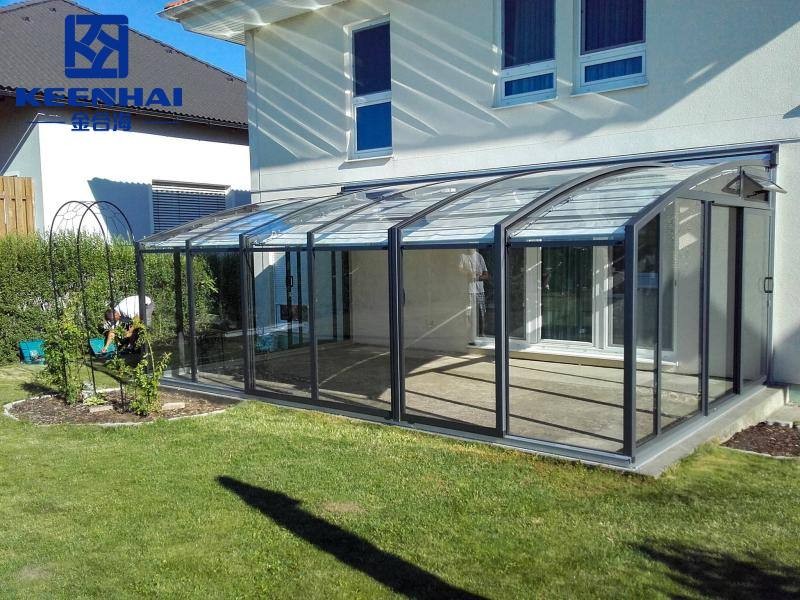
Installing energy-efficient blinds or shades can drastically reduce heat loss during winter and prevent overheating in summer. For instance:
-
Layered cellular shades trap air pockets, improving R-value by 1.5–2.
-
Reflective roller blinds minimize solar gain up to 35% on south-facing walls.
-
Schedule usage based on sun patterns: open during winter daylight hours and close during peak summer sun.
A backyard aluminum sunroom kit equipped with these treatments maintained 8–10°F higher indoor comfort levels without extra HVAC use.
5.2 Using Reflective or Low-E Coatings
Applying Low-E (low emissivity) coatings on glass panels can block up to 70% of infrared heat while allowing natural light, optimizing energy performance. Tips include:
-
Choose double or triple-pane Low-E glass for higher R-values.
-
Apply reflective films on south- and west-facing panels to reduce overheating.
-
Combine with aluminum frames that have thermal breaks to minimize heat conduction.
In practical testing, a modern aluminum backyard enclosure with Low-E glass reduced cooling demand by nearly 20% during summer months compared to standard clear glass.
5.3 Optimizing Ventilation and Seasonal Adjustments
Proper ventilation complements insulation and solar control for consistent energy efficiency:
-
Install roof vents and operable windows for cross-ventilation.
-
Use ceiling or floor fans to circulate air efficiently.
-
Adjust blinds and window coverings seasonally: full exposure in winter, partial shading in summer.
Step 1: Evaluate prevailing winds and sun orientation.
Step 2: Integrate manual or automated ventilation controls.
Step 3: Monitor indoor temperatures and adjust treatments or vent openings as needed.
These strategies ensure a custom aluminum sunroom design remains comfortable year-round while minimizing energy costs.
Maximizing energy efficiency in your Aluminum Sunroom In Backyard comes down to combining smart material choices with practical adjustments. High-performance aluminum frames paired with Low-E or double-pane glazing help reduce heat loss in winter and control overheating in summer. Thoughtful ventilation and seasonal window treatments further stabilize indoor temperatures, making your aluminum sunroom comfortable year-round while keeping energy costs manageable.