
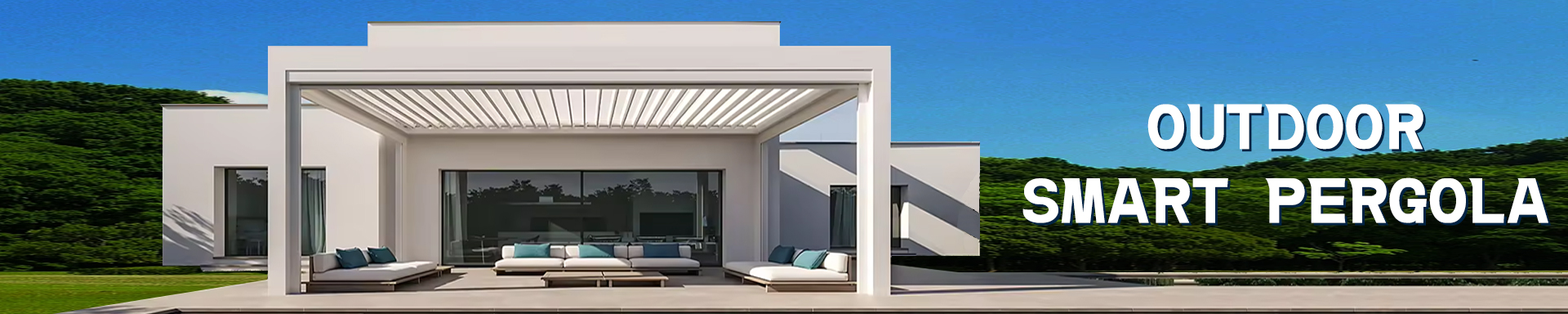
1. Structural Differences Between Aluminum Sunrooms and Conservatories
When comparing Aluminum Outdoor Sunroom structures with traditional conservatories, the primary distinction lies in the framing materials and construction rigidity. Aluminum frames offer exceptional strength-to-weight ratios, allowing for larger spans of uninterrupted glazing, whereas timber or uPVC conservatory frames often require additional internal supports that can limit glass areas. Aluminum frames also resist warping, swelling, and insect damage, providing consistent structural integrity over decades, even in areas with high humidity or fluctuating temperatures. In contrast, timber frames demand regular sealing and maintenance to prevent deterioration.
1.1 Frame Materials: Aluminum vs Timber or uPVC
Aluminum frames are lightweight yet extremely durable, supporting expansive roof and wall panels without compromising safety. They allow designers to implement slimline profiles, creating more open and airy interiors, while timber frames typically have bulkier profiles that visually reduce interior space. uPVC frames, though low-maintenance, often lack the rigidity of aluminum and may flex over time, limiting the maximum panel size and reducing longevity. To summarize, here’s a quick comparison:
| Feature | Aluminum Frames | Timber Frames | uPVC Frames |
|---|---|---|---|
| Weight | Light | Moderate | Moderate |
| Strength | Very High | High | Moderate |
| Maintenance | Low | High | Low |
| Resistance to Weather | Excellent | Moderate | Good |
| Lifespan | 30+ Years | 15–25 Years | 20+ Years |
This table highlights why aluminum is preferred for modern sunroom builds, especially when long-term durability and minimal maintenance are priorities.
1.2 Roof and Glazing Construction Variations
The roof system is another defining difference. Aluminum sunrooms often use structural aluminum rafters that support either double or triple-glazed panels, while conservatories typically rely on timber rafters with polycarbonate or glass panels, which may require additional supports to prevent sagging. Aluminum frames allow for continuous glazing that maximizes daylight, whereas conservatory designs sometimes segment the roof into smaller panes, slightly reducing the visual openness. Additionally, aluminum roofs can integrate modern sealing gaskets and thermal breaks that reduce heat loss, enhancing energy efficiency in both winter and summer.
1.3 Foundation and Support Requirements
Both sunrooms and conservatories require proper foundations, but aluminum sunrooms benefit from lighter loads, allowing for simpler slab or deck-based foundations without sacrificing stability. Conservatories, depending on the frame material, may demand reinforced concrete bases to support heavier timber roofs or additional weight from segmented glass panels. Proper foundation planning should consider:
-
Soil type and drainage
-
Load distribution from walls and roof
-
Anchoring points for frame stability
-
Integration with existing structures, such as patios or decks
With these factors addressed, aluminum sunrooms can often be installed faster and with fewer foundation complications than traditional conservatories, making them a practical choice for homeowners seeking modern, low-maintenance outdoor living spaces.
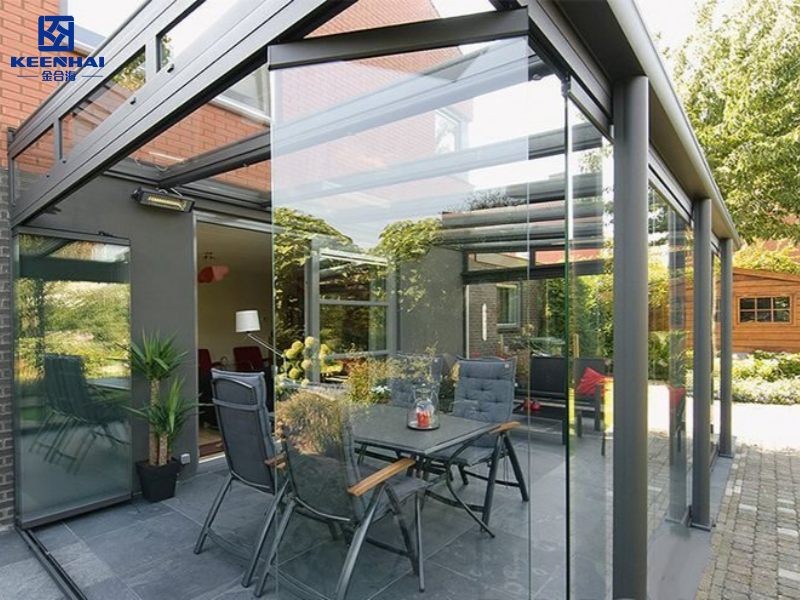
2. Thermal Performance and Energy Efficiency
Modern Aluminum Sunrooms excel in thermal efficiency due to their ability to integrate high-performance glazing, thermal breaks, and insulated frames. These features minimize heat transfer, ensuring interiors stay warmer in winter and cooler in summer. Unlike traditional conservatories, which often experience significant heat loss through timber frames or single-glazed panels, aluminum structures allow homeowners to install double or triple glazing with low-emissivity coatings, reducing energy consumption while maintaining natural light. Strategic roof and wall insulation also contributes to consistent indoor temperatures year-round.
2.1 Insulation Properties of Aluminum Sunrooms
Aluminum frames combined with insulated polycarbonate or glass panels provide excellent thermal resistance, allowing for more energy-efficient small-scale sunrooms. By incorporating thermal breaks, these designs prevent heat conduction along the frame, which is a common problem in metal structures without this feature. Additionally, low-E coatings on glass panels reflect infrared radiation, keeping interiors warmer in winter and cooler in summer. Homeowners can further enhance performance by adding weatherstripping around doors and operable panels.
2.2 Heat Retention and Ventilation in Conservatories
Conservatories, often built with timber or uPVC frames, rely heavily on ventilation for comfort. During hot seasons, poor airflow can lead to excessive heat buildup, while in cold months, heat escapes through less-insulated frames. Effective ventilation strategies include:
-
Installing roof vents at high points to allow hot air to escape
-
Using trickle vents in windows for continuous airflow
-
Positioning operable side panels to create cross-ventilation
These measures improve comfort but cannot fully compensate for inherent thermal inefficiencies compared to insulated aluminum sunrooms.
2.3 Seasonal Comfort and Temperature Management
Both sunroom types require season-specific adjustments to maintain optimal comfort. In aluminum sunrooms, homeowners can use curtains, shades, or reflective films to control solar gain, while conservatories may need additional heating or cooling solutions. Aluminum structures benefit from precise installation of sloped or angled roofs to optimize sunlight during winter and reduce overheating in summer. By combining insulation, glazing, and airflow strategies, an aluminum sunroom delivers more consistent and energy-efficient comfort across all seasons than traditional conservatory designs.
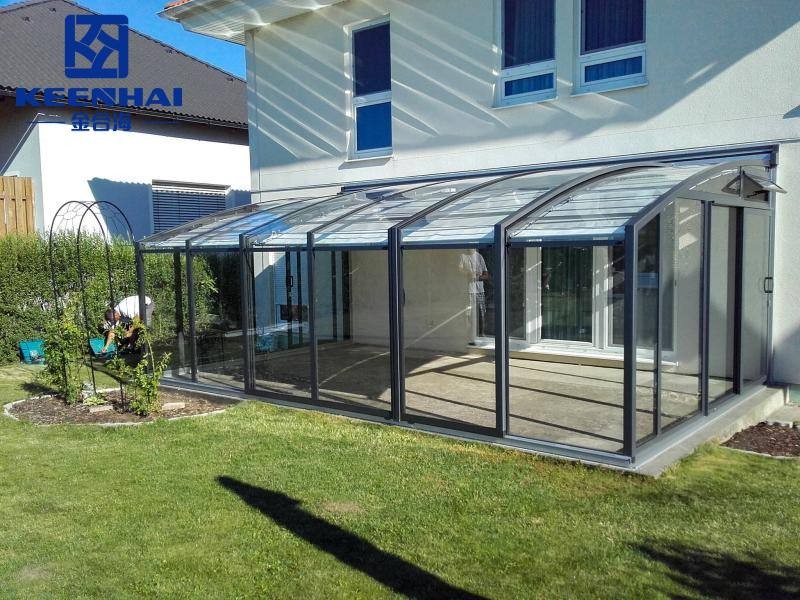
3. Design Flexibility and Aesthetic Appeal
Aluminum sunrooms stand out for their versatile design potential, allowing homeowners to create spaces that are both functional and visually striking. Their lightweight yet strong frames enable custom layouts, unusual angles, and large glazing areas without compromising structural integrity. By choosing Aluminum Outdoor Sunrooms,you can tailor dimensions, roof styles, and panel types to suit even irregular or compact plots, achieving a polished, modern look that complements existing architecture. This flexibility ensures that small or challenging areas can be transformed into bright, inviting living spaces.
3.1 Customization Options for Aluminum Outdoor Sunrooms
Homeowners can select from various roof styles, frame colors, and glass or polycarbonate panel types to create a sunroom that meets both aesthetic and functional needs. Additional features such as sliding or folding doors, integrated blinds, and built-in storage allow further personalization. Step-by-step planning involves:
-
Measuring the intended footprint accurately
-
Choosing frame and glazing combinations for light control and energy efficiency
-
Deciding on roof and wall styles for a seamless blend with the house exterior
This level of customization ensures that Aluminum Sunrooms remain practical while enhancing curb appeal.
3.2 Architectural Styles and Ornamentation in Conservatories
Traditional conservatories often feature timber or uPVC frames with ornate detailing, pitched or Victorian-style roofs, and decorative moldings. While visually charming, these designs may restrict flexibility in small spaces due to rigid structural requirements. Conservatories also often require reinforced foundations and careful roof planning to accommodate heavier glazing and intricate roof profiles. Homeowners must balance aesthetics with available space, sometimes limiting usable interior layouts compared to the adaptable aluminum alternatives.
3.3 Integrating Small or Limited Spaces Elegantly
Both aluminum sunrooms and conservatories can optimize compact areas, but aluminum options provide superior integration. Slim, strong frames maximize glazing area without crowding interiors, while modular panels allow for multi-functional layouts like reading nooks, indoor gardens, or office spaces. Light-colored finishes and reflective glass enhance perceived space, and carefully positioned doors and openings maintain flow with adjacent rooms. Thoughtful design ensures that even the smallest plot can host a stylish, usable, and energy-efficient sunroom.
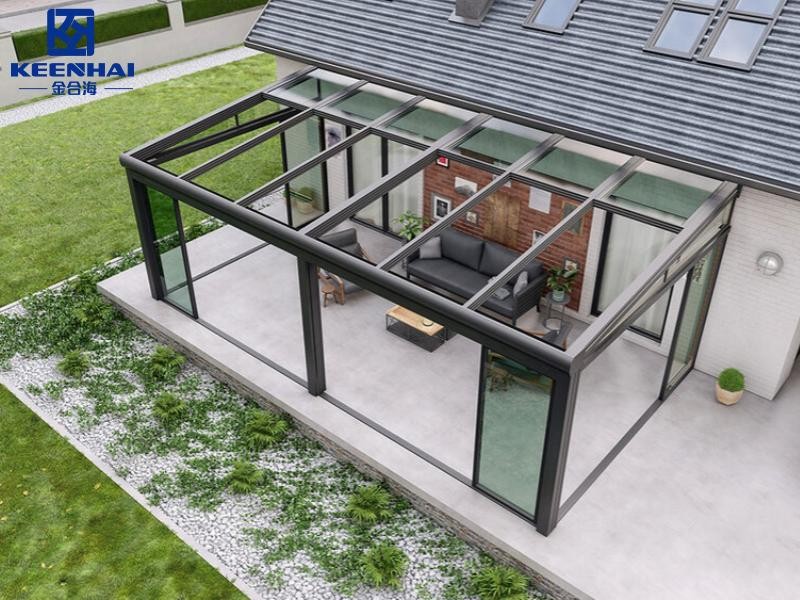
4. Maintenance, Durability, and Longevity
Aluminum sunrooms excel in durability and low-maintenance performance, making them a smart alternative to traditional conservatories. Their corrosion-resistant alloy frames and powder-coated finishes withstand harsh weather without warping, rusting, or fading. By selecting a custom Aluminum Outdoor Sunroom,homeowners gain a long-lasting structure that requires minimal upkeep while maintaining a pristine aesthetic year-round. Properly designed aluminum frames also reduce structural stress, extending lifespan even in regions with heavy rainfall or high humidity.
4.1 Cleaning, Protective Coatings, and Rust Resistance
Maintaining an aluminum sunroom is straightforward:
-
Wash frames and panels quarterly with mild soap and water to remove dust, pollen, and environmental debris.
-
Inspect joints and seals for signs of wear or water infiltration.
-
Apply protective wax or specialized aluminum coatings annually to enhance corrosion resistance and maintain gloss.
Unlike timber conservatories, aluminum does not require sanding, staining, or frequent repainting, reducing labor and material costs while ensuring consistent performance.
4.2 Longevity of Aluminum vs Traditional Conservatory Materials
A side-by-side durability comparison illustrates why aluminum often outperforms timber and uPVC:
| Material | Expected Lifespan | Weather Resistance | Maintenance Requirements | Structural Stability |
|---|---|---|---|---|
| Aluminum | 30–50 years | Excellent | Low | High |
| Timber | 15–25 years | Moderate | High (painting, sealing) | Medium |
| uPVC | 20–30 years | Good | Medium | Medium |
Aluminum's inherent strength allows larger spans with thinner frames, while conservatories using timber or uPVC may need extra supports or reinforcement over time.
4.3 Preventive Maintenance and Common Issues
Preventive strategies ensure long-term performance:
-
Seasonally inspect seals, gutters, and roof joints for cracks or leaks.
-
Lubricate moving components such as sliding doors or operable windows twice a year.
-
Monitor glass or polycarbonate panels for chips or scratches and replace damaged units promptly.
By staying proactive, homeowners maximize both aesthetic and structural longevity, making aluminum sunrooms a superior investment for durable, low-maintenance outdoor living.
5. Cost Considerations and Long-Term Value
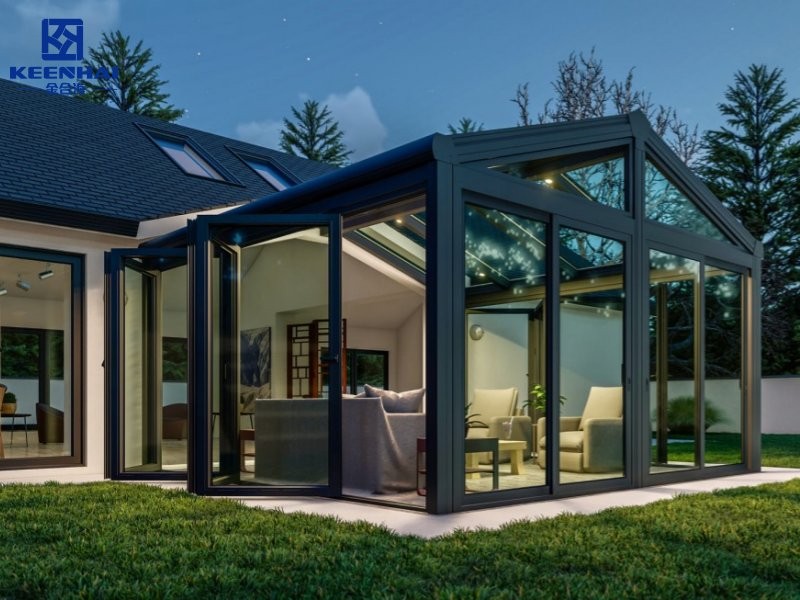
When evaluating an outdoor structure, aluminum sunrooms offer a compelling balance of upfront investment and long-term benefits. Their lightweight yet strong frames minimize foundation requirements, reducing initial construction costs compared to timber or brick conservatories. Selecting Aluminum Sunroom Outdoor designs optimized for small spaces also ensures efficient use of materials, lowering both fabrication and labor expenses while maintaining aesthetic versatility.
5.1 Initial Installation and Material Costs
The initial outlay depends on frame type, glazing, and customization level:
-
Standard aluminum frames with clear glass panels typically cost less than timber-framed conservatories of the same footprint.
-
Premium powder-coated finishes or tempered glass can increase costs by 15–25%, but they enhance durability and reduce long-term maintenance.
-
Installation steps include site measurement, foundation preparation, frame assembly, panel installation, and sealing, each contributing to labor costs.
Choosing modular or pre-engineered aluminum solutions can streamline installation, often reducing labor by 20–30% versus fully bespoke timber builds.
5.2 Energy Savings and Operational Expenses
Aluminum sunrooms with insulated panels and double-glazed glass offer significant energy efficiency advantages:
| Feature | Aluminum Sunroom | Timber Conservatory |
|---|---|---|
| Insulation Value (R-value) | 2.5–3.2 | 1.5–2.0 |
| Annual Heating Savings | $120–$250 | $50–$150 |
| Maintenance Costs | Low | Medium–High |
Enhanced thermal performance translates to lower heating and cooling costs, particularly in small, well-sealed spaces. Operable vents and passive ventilation further reduce reliance on HVAC systems, maximizing savings year-round.
5.3 Resale Value and Return on Investment
Investing in an aluminum sunroom adds tangible property value due to durability, low maintenance, and visual appeal:
-
Homes with modern, well-integrated aluminum sunrooms typically see a 5–10% increase in market value.
-
Energy-efficient features and flexible layouts appeal to prospective buyers seeking minimal upkeep and stylish outdoor extensions.
-
Long-term ROI improves when paired with quality finishes and strategic placement that maximizes natural light and outdoor views.
Overall, aluminum sunrooms represent a smart investment, combining cost-effectiveness, energy efficiency, and lasting resale value with minimal ongoing maintenance.
After comparing structural integrity, energy performance, design flexibility, maintenance, and long-term value, aluminum outdoor sunrooms clearly outperform traditional conservatories for most homeowners seeking durability, low upkeep, and efficient use of space. Their lightweight frames, superior thermal performance, and versatile customization make them ideal for small or modern properties. Whether you prioritize energy efficiency, sleek aesthetics, or lasting investment, a high-quality Aluminum Sunroom provides a reliable and stylish outdoor living solution that consistently delivers better long-term results.