
1. Innovative Roof and Louver Designs
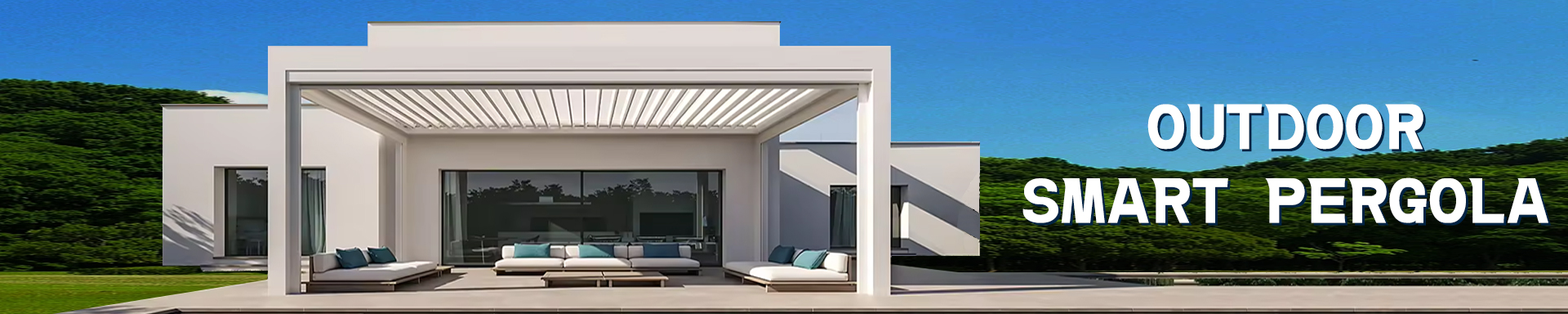
Modern aluminum pergolas have evolved far beyond traditional fixed roofs, offering dynamic solutions for sunlight control, weather protection, and outdoor comfort. Homeowners increasingly favor adjustable and motorized systems that provide flexibility for different times of day or seasons. Whether you are installing a Aluminum louvered roof gazebo or a standard Aluminum Pergola, these innovations dramatically enhance usability and aesthetics.
1.1 Motorized and Adjustable Louver Trends
Motorized louver systems allow users to rotate slats with a simple control or smartphone app, offering instant shade or sunlight. Adjustable louvers now often include automated rain sensors, which tilt the roof to prevent water from entering the seating area. Recent designs emphasize quiet, energy-efficient motors and seamless integration with smart home setups. For example, many homeowners install an Aluminum automated pergola in patios to create a modern, hassle-free outdoor lounge that adapts to changing weather conditions.
1.2 Integrated Retractable Roof Solutions
Retractable roofs provide complete coverage when needed and full openness under sunny skies. Unlike fixed louver systems, these roofs slide back fully, creating versatile outdoor spaces suitable for dining, entertainment, or leisure. Modern retractable aluminum pergolas employ high-strength, corrosion-resistant tracks that ensure smooth operation for decades. Key features include:
-
Manual or motorized operation with precise positioning
-
Weatherproof fabric or aluminum panels with UV protection
-
Modular design options allowing expansions or custom shapes
1.3 Sleek Flat and Minimalist Roof Styles
Contemporary trends in 2026 favor flat, minimalist pergola roofs that align with modern architecture. These designs reduce visual clutter while providing practical protection from rain and sunlight. Flat roofs often pair with hidden drainage systems and integrated lighting, enhancing both functionality and ambiance. Aluminum Pergola models now feature slim-profile frames and matte powder-coated finishes, offering a clean aesthetic that complements both urban and suburban outdoor spaces.
Across all innovative roof options, the emphasis is on user-friendly operation, durable materials, and seamless integration with outdoor living areas. Combining these trends ensures your pergola is not only visually appealing but also highly functional, enhancing every outdoor experience from morning coffee to evening entertaining.
2. Contemporary Materials and Finishes
Selecting the right materials and finishes is crucial for longevity, aesthetics, and usability in aluminum pergolas. Modern designs prioritize durability, weather resistance, and visual harmony with outdoor spaces, ensuring your investment performs well for years while enhancing your garden or patio ambiance.
2.1 Powder-Coated Aluminum with Textured Finishes
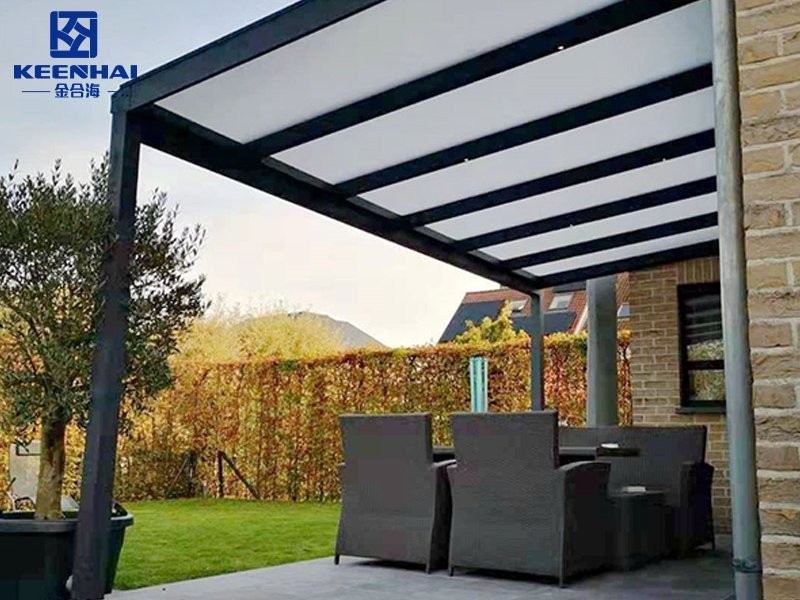
Powder-coated aluminum remains the gold standard for outdoor pergolas due to its corrosion resistance and low maintenance. Textured finishes add depth, reducing the visibility of scratches and fingerprints while offering a high-end architectural feel. Popular textures mimic wood grain, stone, or matte finishes, providing a contemporary look without compromising durability. Key benefits include:
-
Protection against UV damage and fading
-
Resistance to saltwater corrosion in coastal areas
-
Easy cleaning with mild detergent and soft cloth
For homeowners seeking a premium option, many Aluminum Pergola models now incorporate dual-layer powder coatings, improving both scratch resistance and color retention.
2.2 Mixed Materials: Aluminum with Wood or Glass Accents
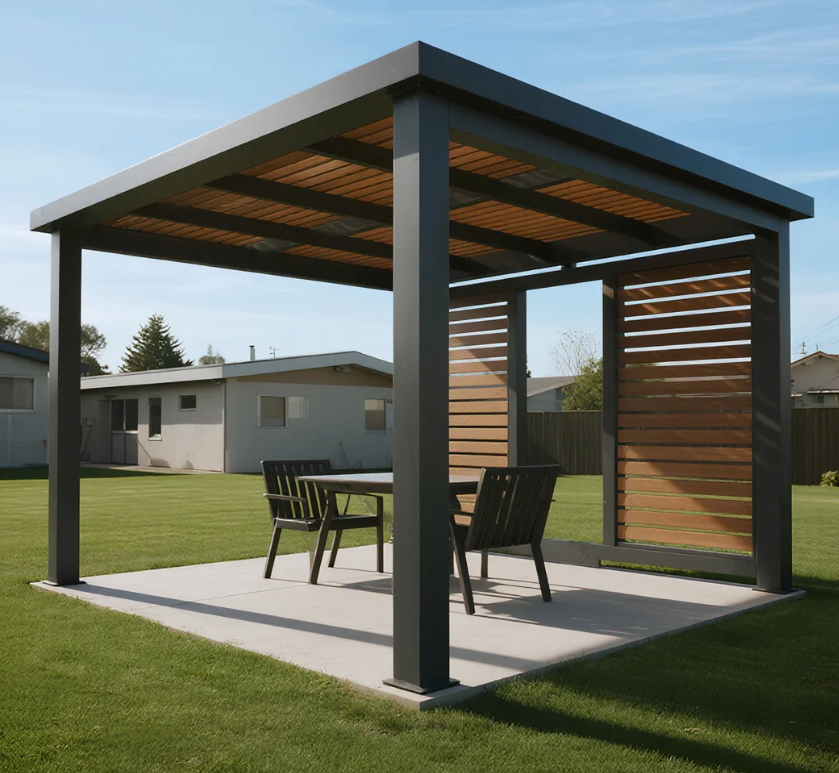
Blending materials enhances style and versatility. Aluminum frames paired with wood slats or tempered glass panels create a modern yet inviting atmosphere. This approach allows you to:
-
Achieve natural warmth through wood accents while maintaining aluminum’s structural integrity
-
Integrate transparent or frosted glass for partial shading and wind protection
-
Customize modular sections for patios, decks, or outdoor dining areas
In particular, combining aluminum with eco-friendly wood alternatives ensures both strength and aesthetic appeal without excessive maintenance.
2.3 Sustainable and Eco-Friendly Coating Options
Environmental consciousness is now influencing pergola finishes. Many coatings employ low-VOC, powder-based formulations that minimize chemical impact while still providing superior weatherproofing. Options include:
-
Recyclable powder coatings that reduce carbon footprint
-
Textured finishes derived from non-toxic materials
-
Enhanced durability coatings that extend service life, reducing replacement frequency
By selecting eco-conscious finishes, you ensure your pergola is both visually striking and environmentally responsible, aligning with sustainable outdoor design trends.
3. Functional Features Gaining Popularity
Modern aluminum pergolas are no longer purely decorative—they increasingly integrate smart and functional features that enhance comfort, convenience, and usability across all seasons. Homeowners are prioritizing automation, climate control, and adaptable privacy solutions to maximize outdoor enjoyment.
3.1 Built-In Lighting and Smart Home Integration
In 2026, integrated LED lighting is becoming a standard feature. Many pergolas now offer dimmable, color-adjustable lights controlled via mobile apps or voice assistants, allowing seamless integration with smart home systems. Benefits include:
-
Setting ambiance for evening dining or entertaining
-
Synchronizing with other outdoor devices like audio systems or fountains
-
Energy efficiency through programmable schedules and sensors
Smart integration ensures your pergola is not just a structure but a connected outdoor living space. This level of functionality enhances both usability and property appeal.
3.2 Automated Fans, Heaters, and Climate Controls
Automated climate management is increasingly popular. High-end Aluminum automated pergola models allow homeowners to adjust temperature and airflow with precision. Key features include:
-
Motorized fans for ventilation during hot days
-
Built-in infrared or electric heaters for chilly evenings
-
Sensors that detect temperature, wind, and sunlight, triggering automatic adjustments
This automation transforms your pergola into a year-round functional space, keeping outdoor areas comfortable regardless of weather conditions.
3.3 Retractable Side Panels and Privacy Screens
Retractable panels are rising in demand for homeowners who want both flexibility and privacy. These can be motorized or manual, made from materials like aluminum slats, durable fabric, or tempered glass. Advantages include:
-
Quick deployment for shading, wind protection, or screening neighbors
-
Adjustable positioning for versatile outdoor layouts
-
Easy maintenance and cleaning without compromising structural integrity
Incorporating these features ensures the pergola adapts to changing outdoor needs, creating a customizable and stylish living environment that blends functionality with modern design trends.
4. Modern Shape and Layout Preferences
In 2026, homeowners are increasingly selecting aluminum pergolas not only for functionality but also for innovative shapes and flexible layouts. These trends emphasize both aesthetics and adaptability, ensuring outdoor spaces are visually striking while serving multiple purposes.
4.1 Modular and Multi-Level Pergola Configurations
Modular pergolas allow for scalable and reconfigurable layouts, ideal for gardens or patios with evolving needs. Features include:
-
Separate modules that can be combined for larger entertainment areas
-
Multi-level structures creating tiered seating, dining, or lounge zones
-
Easy adjustments to add or remove sections without major reconstruction
This approach enables homeowners to expand or redesign their outdoor spaces efficiently, providing versatility for gatherings, shade areas, or garden integration.
4.2 Freestanding vs. Attached Pergolas in Open Spaces
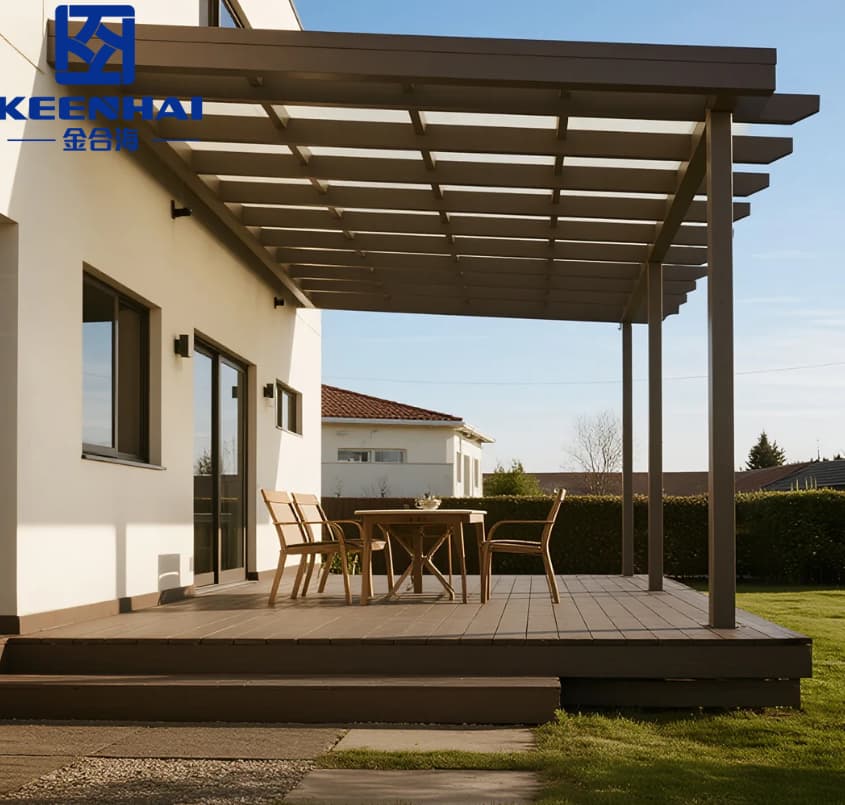
Selecting between freestanding and attached pergolas depends on space availability and design goals. Freestanding pergolas offer flexibility in placement and can serve as centerpieces in open areas. In contrast, attached pergolas utilize existing walls for stability and create seamless indoor-outdoor connections. Consider these steps for optimal placement:
-
Evaluate the garden layout and identify focal points
-
Determine access paths, traffic flow, and sun exposure
-
Ensure proper anchoring or structural support based on pergola type
Both options can integrate modern elements like Aluminum louvered roof gazebo modules, offering controlled light and ventilation while maintaining aesthetic appeal.
4.3 Curved, Geometric, and Custom-Shaped Designs
Custom-shaped pergolas are gaining popularity as homeowners seek unique visual statements. Curved arches, hexagonal or octagonal layouts, and asymmetrical designs allow outdoor areas to blend with natural landscapes or complement architectural styles. Practical tips include:
-
Collaborate with designers or manufacturers to ensure precise measurements
-
Consider material limitations and weight distribution for stability
-
Combine with functional features such as retractable shades or integrated lighting
These innovative shapes transform traditional pergolas into sculptural outdoor features, making them both functional and visually captivating.
5. Color and Aesthetic Trends
Choosing the right color and finish for your aluminum pergola is crucial not only for aesthetics but also for long-term maintenance and overall visual integration with your outdoor space. In 2026, design trends show a clear shift toward versatility, personalization, and seamless blending with surroundings.
5.1 Neutral and Matte Finishes Dominating 2026
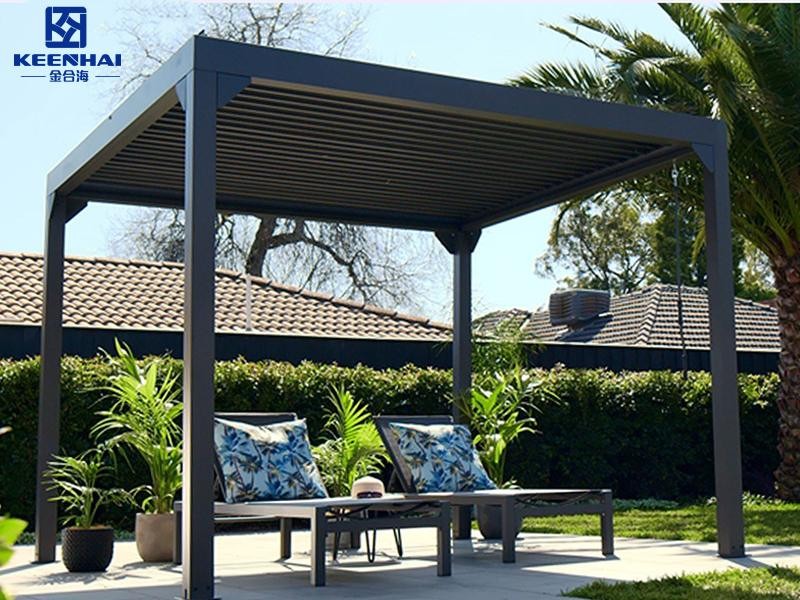
Neutral shades such as charcoal gray, off-white, and beige are leading the trend, favored for their timeless appeal and ability to harmonize with various garden elements. Matte finishes reduce glare and give the structure a sophisticated, modern look. Practical considerations include:
-
Selecting finishes that resist fading under prolonged sun exposure
-
Choosing powder-coated textures to minimize fingerprints and dirt
-
Matching the pergola with natural materials like stone, wood, or greenery
Many homeowners pair these neutral tones with minimalist structures to create understated yet elegant outdoor environments. Aluminum Pergola models with matte finishes are especially popular for modern patios and urban gardens.
5.2 Bold Accent Colors for Statement Designs
For those seeking a focal point, bold hues like navy blue, deep green, or copper-toned accents are gaining traction. These colors work best on smaller sections, trims, or modular panels, ensuring the design remains balanced without overwhelming the space. Steps to integrate accent colors effectively:
-
Identify focal points such as pergola posts or roof panels
-
Combine bold colors with neutral backgrounds for contrast
-
Use durable powder coatings to maintain vibrancy over time
Accent colors are increasingly paired with Aluminum balcony pergola installations, enhancing visual impact in multi-level outdoor setups.
5.3 Harmonizing Pergola Colors with Landscape and Architecture
A key design strategy is aligning pergola colors with surrounding architecture and landscaping elements. Homeowners should:
-
Assess existing color palettes of walls, flooring, and plantings
-
Select complementary or analogous shades to create cohesion
-
Consider seasonal foliage changes to maintain visual harmony
This approach ensures that the pergola integrates naturally with the environment, enhancing both curb appeal and functional outdoor living areas. Incorporating soft neutrals or subtle metallic finishes can tie together garden, patio, and home exterior design for a seamless, contemporary aesthetic.