
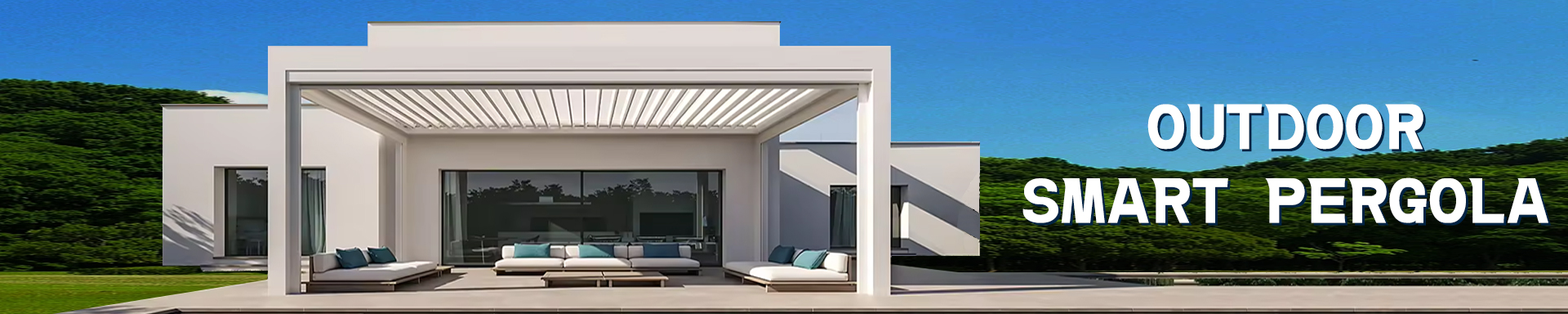
1. Compact Sunroom Layouts for Small Spaces
Designing an efficient Aluminum Outdoor Sunroom in a small space starts with understanding how layout impacts usability. Linear and narrow designs are ideal for tight backyards or side yards because they maximize usable interior space without overwhelming the surrounding area. By positioning the sunroom along an existing wall or fence, homeowners can maintain open outdoor areas while creating a bright, functional indoor extension. Incorporate large glass panels to enhance natural light, making the space feel larger and more inviting. For example, a 2.5m × 5m narrow sunroom can comfortably fit a seating nook, a small table, and potted plants without feeling cramped.
1.1 Linear and Narrow Designs for Limited Footprints
Linear layouts focus on elongated, rectangular footprints that preserve outdoor pathways and garden views. These designs often include floor-to-ceiling windows and slim aluminum frames that reduce visual bulk. Steps to optimize narrow layouts:
-
Measure the exact width of available space and identify obstacles like trees or utilities.
-
Select narrow but tall panels to maximize vertical light penetration.
-
Choose modular furniture that fits flush against walls to maintain free circulation.
Linear sunrooms can also integrate sliding doors or folding panels, enhancing flexibility while maintaining a sleek profile suitable for urban or suburban homes.
1.2 Corner and L-Shaped Configurations
For homeowners with two adjacent walls to utilize, corner or L-shaped sunrooms efficiently capitalize on available space. This layout allows for dual access points and creates a sense of openness by extending along two axes. Key considerations:
-
Use continuous aluminum frames to maintain structural integrity along the corner.
-
Position windows strategically to capture morning and afternoon light.
-
Integrate multifunctional furniture like corner benches or storage units to reduce clutter.
A corner sunroom of 4m × 3m + 3m × 2m can host a dining area while preserving garden access, demonstrating how geometry enhances both functionality and aesthetic appeal.
1.3 Multi-Functional Space Planning
Small sunrooms benefit most from layouts that combine multiple functions within a compact footprint. This can include a cozy seating area, a small workspace, or an indoor garden corner. Implementation tips:
-
Define zones using rugs, shelving, or furniture orientation.
-
Opt for foldable or wall-mounted furniture to save floor space.
-
Ensure circulation paths remain at least 0.8–1m wide to allow easy movement.
Using reflective or light-colored panels and slim frames can visually expand the room, making multi-purpose usage practical without sacrificing comfort.
Comparison of Layout Types for Small Spaces
| Layout Type | Best For | Key Advantage | Space Efficiency | Ideal Features |
|---|---|---|---|---|
| Linear/Narrow | Side yards, tight spaces | Maximizes lengthwise use | High | Floor-to-ceiling glass, slim frames |
| Corner/L-Shaped | Two-wall utilization | Dual light sources | Medium | Built-in corner benches, dual access doors |
| Multi-Functional | Versatile indoor/outdoor needs | Zone optimization | High | Modular furniture, foldable elements |
This structured approach ensures homeowners select the most suitable layout for small-space Aluminum Sunrooms, balancing natural light, functional zones, and aesthetic appeal.
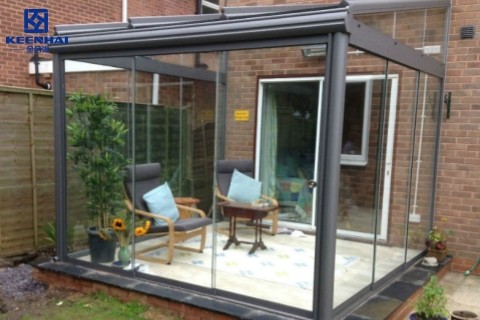
2. Aluminum Frame and Panel Choices
Selecting the right frame and panel materials is critical for maximizing space efficiency and light in small Aluminum Outdoor Sunrooms. Lightweight aluminum alloys provide high strength-to-weight ratios, ensuring structural stability without adding bulk. These alloys resist corrosion, meaning they maintain their sleek appearance over years of exposure to sun and rain. By pairing aluminum frames with large glass or polycarbonate panels, small sunrooms achieve maximum daylight penetration while maintaining energy efficiency. Proper choice of frame and panel materials directly impacts comfort, longevity, and visual openness, especially in compact areas where every centimeter counts.
2.1 Lightweight Aluminum Alloys for Small Structures
Small-space sunrooms benefit from aluminum alloys such as 6063-T5 or 6061-T6, which balance strength and weight. Steps to select and implement:
-
Measure the intended footprint and height to determine load-bearing needs.
-
Choose an alloy that supports panel weight while minimizing frame thickness.
-
Confirm corrosion resistance ratings (typically 20+ years of outdoor durability).
Lightweight aluminum frames allow for slim profiles, enhancing the perception of spaciousness and making installation simpler and faster.
2.2 Glass vs Polycarbonate Panels for Light and Privacy
Choosing between glass and polycarbonate panels requires evaluating light transmission, insulation, and privacy. Glass panels offer crystal-clear views and premium aesthetics, while polycarbonate provides impact resistance, UV filtering, and better thermal insulation. A side-by-side comparison:
| Panel Type | Light Transmission | Insulation (R-Value) | Durability | Privacy Options | Ideal Use |
|---|---|---|---|---|---|
| Tempered Glass | 85–90% | 1.0–1.2 | Moderate | Frosted/Patterned | Maximum clarity, small footprint |
| Polycarbonate | 70–80% | 1.5–2.0 | High | Opaque or tinted | Safety, heat reduction, compact designs |
Using polycarbonate in a narrow sunroom can reduce glare and heat buildup, while glass panels maximize connection to the garden and natural light. For a small-space Aluminum Sunroom Outdoor, designers often combine both for optimal effect.
2.3 Color Finishes and Powder Coatings for Visual Expansion
Color and finish significantly affect perceived space and style. Lighter shades and matte powder coatings reflect light, making compact sunrooms feel larger. Tips for visual expansion:
-
Opt for off-white, beige, or soft metallic powder-coated frames.
-
Use matching trim or reflective ceiling panels to extend sightlines.
-
Incorporate consistent finishes across the frame and panel joints to reduce visual clutter.
Additionally, powder-coated aluminum frames resist scratching and fading, ensuring that small-space sunrooms retain elegance and brightness for years.
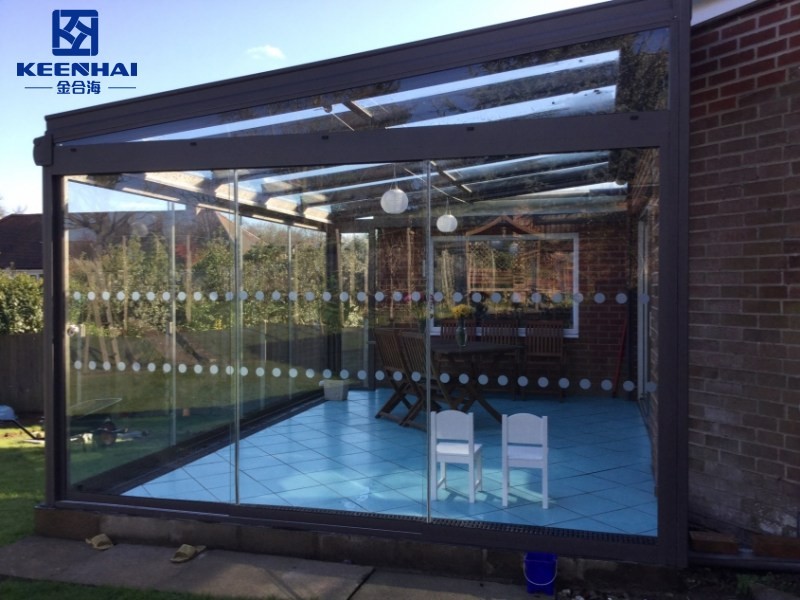
3. Maximizing Natural Light in Compact Areas
Maximizing natural light is essential in small Aluminum Outdoor Sunrooms, as it enhances perceived space and creates a bright, inviting environment. Effective lighting strategies combine architectural choices, materials, and layout adjustments. For compact areas, thoughtful incorporation of floor-to-ceiling windows, overhead panels, and reflective surfaces ensures a well-lit interior without sacrificing privacy or structural stability. By layering light sources and optimizing sun angles, even narrow sunrooms feel expansive and airy.
3.1 Floor-to-Ceiling Windows and Slim Frames
Floor-to-ceiling glazing dramatically increases daylight penetration. Steps to implement effectively:
-
Select slim, high-strength aluminum frames that minimize visual obstruction.
-
Ensure precise measurements for seamless installation against walls or corners.
-
Integrate low-E glass to reduce UV exposure while maintaining clarity.
3.2 Skylights and Overhead Panels
Skylights and overhead transparent panels bring light from above, essential in areas where side windows are limited. Implementation tips:
-
Choose durable polycarbonate or tempered glass panels.
-
Position panels to capture morning or afternoon sunlight depending on orientation.
-
Include integrated blinds or louvers for adjustable lighting control.
3.3 Reflective Surfaces and Light-Enhancing Layouts
Reflective surfaces amplify existing daylight without additional windows. Practical methods:
-
Use light-colored walls, ceilings, and furniture to bounce light efficiently.
-
Incorporate mirrors or glass partitions to direct sunlight into shaded areas.
-
Arrange seating and storage along perimeter walls to keep central space unobstructed.
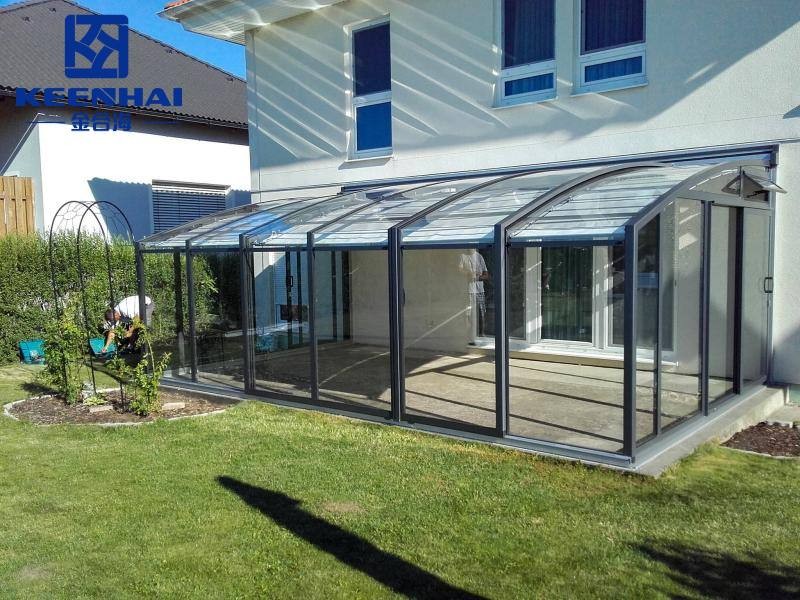
4. Space-Saving Interior Design and Furniture
Maximizing functionality without compromising comfort is critical in small Aluminum Outdoor Sunrooms. Thoughtful interior design and furniture selection create versatile, multi-purpose spaces while maintaining an airy feel. Compact layouts benefit from modular solutions, built-in storage, and strategic accessory placement. By prioritizing items that combine utility and visual lightness, homeowners can enjoy a clutter-free environment that complements natural light and seamless indoor-outdoor flow.
4.1 Modular and Foldable Furniture Options
Modular and foldable furniture allows flexible use of limited space. Practical steps for implementation:
-
Choose pieces with lightweight frames and easy-to-operate hinges.
-
Integrate foldable tables, chairs, or sofas that store flat against walls when unused.
-
Arrange units in a way that preserves central circulation paths.
4.2 Built-In Storage Solutions
Built-in storage maximizes vertical space without encroaching on floor area. Implementation tips:
-
Install under-bench drawers, wall-mounted shelves, or recessed cabinetry.
-
Use storage compartments for seasonal items, cushions, or gardening tools.
-
Opt for reflective or light-colored finishes to maintain brightness and prevent visual clutter.
In compact layouts, built-in solutions can increase usable space by 15–25%, allowing homeowners to maintain a neat and functional Aluminum Sunroom environment while keeping furniture minimal.
4.3 Efficient Placement of Plants and Accessories
Plants and decor enhance ambiance but must be carefully positioned in small sunrooms. Steps for maximizing effect:
-
Use vertical planters or hanging pots to save floor space.
-
Position mirrors or reflective panels near windows to bounce light and make the area feel larger.
-
Group decorative items along perimeters to preserve walking paths.
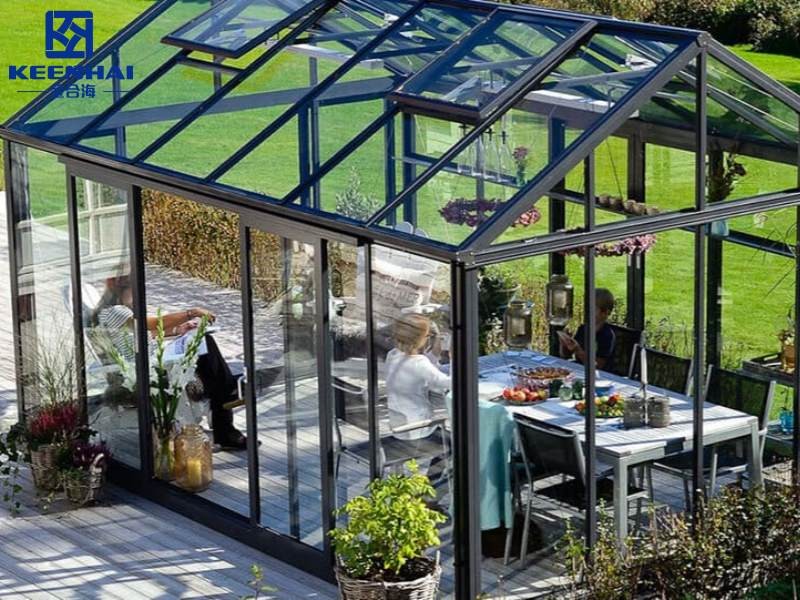
5. Energy Efficiency and Ventilation for Small Sunrooms
Maintaining a comfortable temperature in a compact Aluminum Outdoor Sunroom requires careful planning of insulation, ventilation, and seasonal adjustments. Efficient energy management reduces heating and cooling costs while preserving indoor comfort. By combining high-performance materials, passive airflow strategies, and smart window positioning, even small sunrooms can remain bright, airy, and thermally balanced throughout the year.
5.1 Thermal Insulation for Limited Spaces
Effective insulation prevents heat loss in winter and limits heat gain in summer. Implementation steps:
-
Select double- or triple-glass panels with low-emissivity coatings to improve thermal retention.
-
Use insulated aluminum frames or thermal breaks to reduce conduction.
-
Seal all joints and corners with high-quality weather stripping to avoid drafts.
| Component | Recommended Type | U-Value Range | Benefits |
|---|---|---|---|
| Glazing | Double/Triple with Low-E | 1.2–1.8 W/m²K | Limits heat transfer, improves energy efficiency |
| Frame | Thermally Broken Aluminum | 1.5–2.0 W/m²K | Reduces thermal bridging and condensation |
| Sealants | Weatherstripping / Silicone | N/A | Prevents air leaks and water ingress |
This approach ensures a compact Aluminum Sunroom remains comfortable without excessive reliance on HVAC systems, keeping energy bills lower and performance consistent.
5.2 Passive Ventilation Techniques
Passive ventilation reduces heat buildup and promotes air circulation without mechanical systems. Key techniques include:
-
Install top-hinged awning or roof vents to allow hot air to escape.
-
Position operable windows opposite each other to create cross-ventilation.
-
Use adjustable louvered panels or shades to control airflow and sunlight penetration.
Even in a small layout, these measures prevent stagnant air and maintain consistent comfort while complementing the sunroom’s natural lighting. Strategic vent placement also minimizes humidity and condensation risks in Aluminum Sunroom Outdoor spaces.
5.3 Seasonal Comfort Adjustments
Small sunrooms benefit from seasonal tweaks to optimize comfort year-round. Practical steps include:
-
Install removable thermal blinds or insulated curtains to retain heat in winter.
-
Add reflective panels or light-colored flooring to bounce sunlight and reduce heat gain in summer.
-
Reposition furniture or accessories to avoid blocking airflow or sunlight.
By implementing these adjustments, homeowners can maintain an energy-efficient, comfortable environment in their Aluminum Outdoor Sunroom throughout the year, regardless of seasonal extremes.