
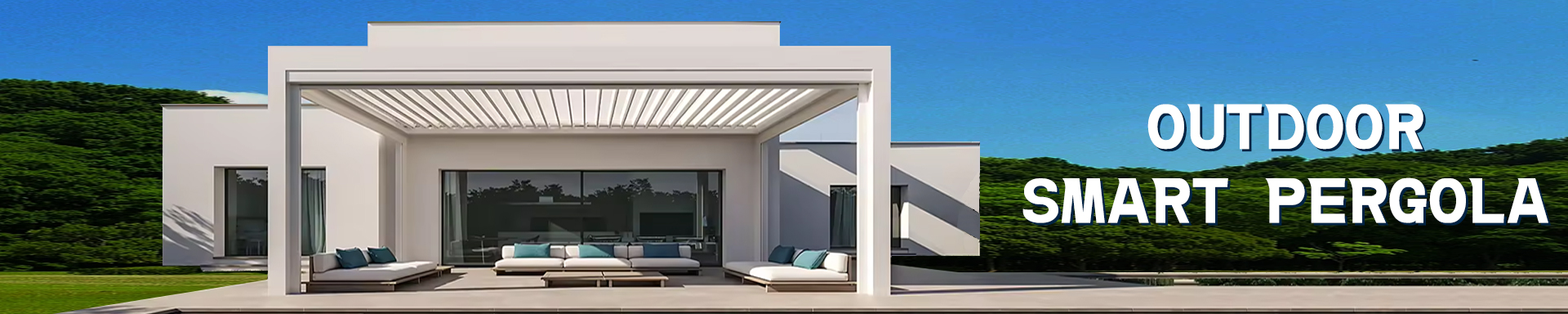
1. Understanding Louvered Pergolas for Backyard Use
A louvered pergola is a versatile outdoor structure designed to give homeowners precise control over sunlight, airflow, and shade in backyard spaces. Unlike traditional fixed pergolas, its adjustable roof allows you to rotate horizontal louvers to create either full sun exposure, partial shade, or complete coverage, making it ideal for patios, poolside lounges, or outdoor dining areas. Many modern homeowners now choose aluminum-based systems for durability, such as an Aluminum pergola house, which combines lightweight construction with long-term weather resistance.
Backyard applications often rely on three main benefits: flexibility, comfort, and aesthetic integration. Flexibility comes from the ability to adjust louver angles for different times of day or seasons. Comfort is maintained by controlling sunlight intensity and ventilation. Aesthetic integration ensures that the pergola complements existing decks, gardens, or backyard structures without overwhelming the space.
1.1 Key Features That Make Them Ideal for Backyards
Several features distinguish louvered pergolas as the top choice for backyard environments:
-
Adjustable Louvers – They rotate smoothly to provide precise shading and airflow control.
-
Integrated Drainage Systems – Channels built into the frame guide rainwater safely to the ground.
-
Durable Aluminum Frames – Resistant to rust and warping, they maintain structural integrity in all climates.
-
Optional Automation – Motorized or sensor-driven systems let you control the roof remotely, perfect for busy homeowners or unpredictable weather.
In practice, homeowners installing a louvered pergola often notice significant improvements in comfort compared to fixed structures. Outdoor seating areas can remain usable during both sunny afternoons and unexpected rain, without needing retractable covers or temporary awnings.
1.2 Adjustable Louvers vs. Fixed Roof Options
Adjustable louver systems outperform fixed pergolas in several ways, particularly in backyard usability and comfort. Here’s a quick comparison:
| Feature | Adjustable Louvers | Fixed Roof Pergola |
|---|---|---|
| Sunlight Control | Precise, adjustable angles for any time of day | Full shade or full sun, no flexibility |
| Ventilation | Allows airflow while providing shade | Limited, can trap heat under roof |
| Rain Protection | Directs water through built-in channels | Water may pool or require additional coverings |
| Seasonal Use | Usable year-round | Limited to summer or fair weather |
| Integration | Works with motorized or sensor automation | Typically manual, less versatile |
Backyard designs that incorporate adjustable systems, including Aluminum automated pergola setups, allow homeowners to maintain comfort with minimal effort. For example, an urban patio with a motorized aluminum louvered roof can transition from full sun to full shade in under 30 seconds, while still channeling rainwater safely through hidden gutters.
1.3 Real-World Backyard Applications
To visualize, imagine a mid-sized backyard deck adjacent to a swimming pool. Installing a louvered pergola here allows the homeowners to:
-
Open louvers fully in the morning for sunbathing.
-
Adjust angles at noon to block harsh glare while still allowing air circulation.
-
Close the roof during light rain without leaving furniture wet.
For modern landscaping projects, louvered pergolas also serve as visual anchors, seamlessly framing patios, gardens, or outdoor kitchens. Aluminum variants, including Aluminum Modern Gazebo styles, provide sleek lines that blend with contemporary backyard designs while remaining highly durable against UV exposure, wind, and rain.
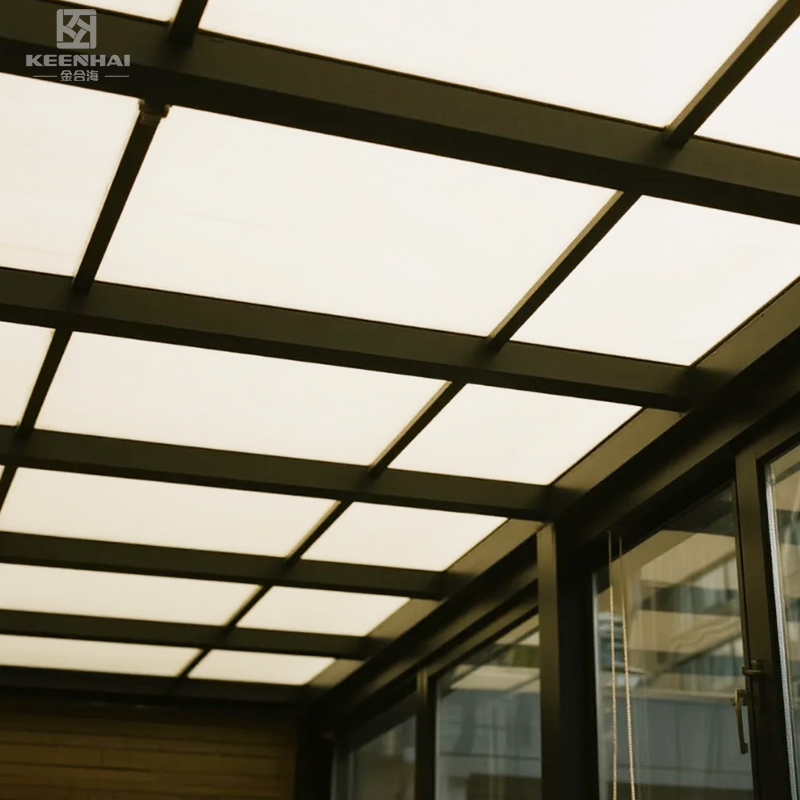
2. Material Choices and Frame Styles
Choosing the right material and frame for a louvered pergola directly impacts durability, maintenance, and aesthetics in backyard applications. Modern designs favor lightweight yet strong structures, while classic designs prioritize warmth and texture. Selecting materials should consider climate, intended usage, and integration with existing outdoor spaces.
2.1 Aluminum Pergolas for Modern Backyards
Aluminum is the leading choice for contemporary backyard pergolas due to its strength-to-weight ratio, corrosion resistance, and minimal maintenance needs. Modern aluminum structures can be powder-coated in multiple finishes to match fences, decks, or outdoor furniture. For urban or coastal areas, aluminum ensures the pergola withstands sun exposure, salty air, and heavy rain without warping or rusting.
Motorized and automated systems are particularly suited for aluminum frames. For instance, an Aluminum motorized pergola integrates seamlessly with sensor-based or remote-controlled louver rotation, allowing the user to adjust roof angles precisely for comfort throughout the day. Installation steps generally include:
-
Leveling the site and securing posts into concrete footings.
-
Assembling the aluminum frame and attaching cross beams.
-
Installing louvers and connecting automated or manual rotation mechanisms.
-
Testing rotation angles, drainage flow, and louver alignment for smooth operation.
High-quality aluminum systems also include integrated drainage channels, preventing water from spilling onto decks or seating areas, which is crucial for frequent backyard use.
2.2 Wooden or Composite Frames for Classic Aesthetics
For those aiming for a more traditional or rustic backyard look, wooden or composite frames provide natural warmth and visual appeal. Hardwood species like teak, cedar, or ipe offer resistance to decay, insects, and UV damage, while composite options combine wood aesthetics with reduced maintenance.
Key considerations for wooden or composite pergolas include:
-
Choosing properly treated wood to prevent splitting and warping.
-
Applying protective stains or sealants annually to extend lifespan.
-
Ensuring frame rigidity supports louver rotation without sagging.
Wood or composite structures excel in spaces where blending with garden landscapes, flower beds, or classic patios is a priority. These materials allow for decorative detailing, such as carved posts or lattice sides, which enhance backyard charm without sacrificing functionality.
While manual louvered systems are common in these frames, high-end options can also accommodate motorized aluminum louver inserts, combining classic aesthetics with modern operational efficiency. This hybrid approach balances visual appeal and convenience, especially for homeowners who want full control over sunlight and ventilation.
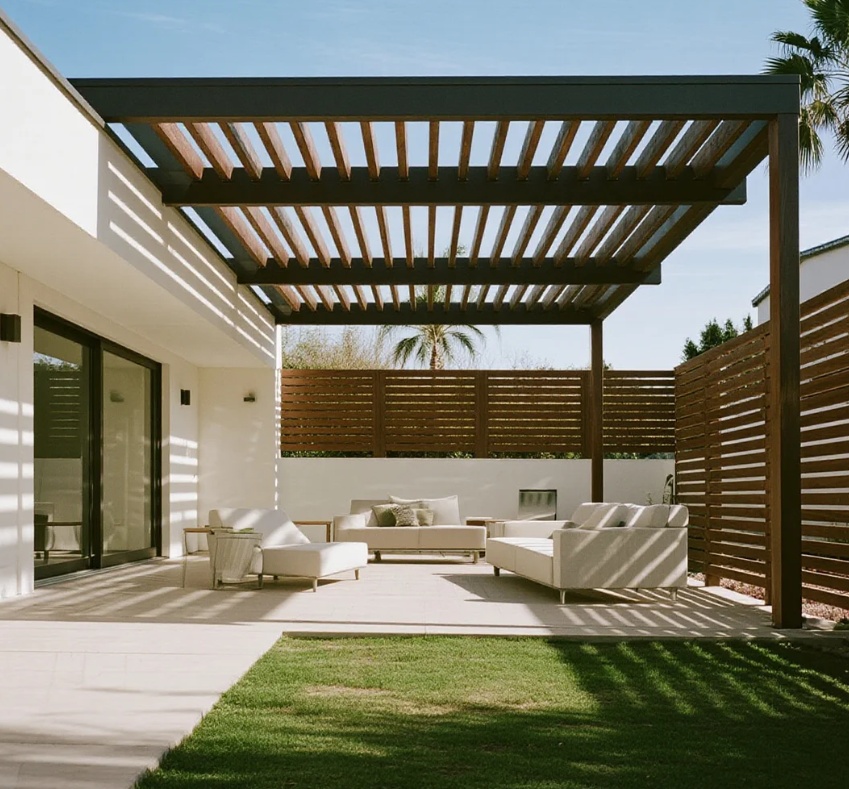
3. Popular Layouts and Spatial Arrangements
Selecting the right layout for a louvered pergola is crucial to maximizing backyard usability and aesthetics. The design must complement existing structures, allow optimal sunlight and airflow, and accommodate furniture or outdoor activities. Layout decisions typically revolve around whether the pergola is freestanding or attached, and how it integrates with decks, patios, and gardens.
3.1 Freestanding vs. Attached Pergola Designs
Freestanding pergolas provide maximum flexibility in placement and orientation. They can stand alone anywhere in the backyard, making them ideal for poolside lounges, garden seating areas, or open lawns. Homeowners often position freestanding units to frame a focal point, such as a water feature or outdoor kitchen. Key considerations include:
-
Ensuring the ground is level and the footing is deep enough for stability.
-
Determining the correct span between posts to avoid sagging or structural stress.
-
Planning louver rotation angles to maximize sunlight control in open spaces.
Attached pergolas, on the other hand, anchor to an existing building, such as a house or garage, creating seamless indoor-outdoor transitions. These designs often save space while providing immediate shade to patios or decks. A popular choice in modern backyard projects is an Aluminum pergola house, which attaches to the home while offering rotating louvers for full sunlight control.
| Feature | Freestanding Pergola | Attached Pergola |
|---|---|---|
| Placement Flexibility | High | Limited by existing structure |
| Sunlight Control | Full 360° rotation options | Best when aligned with house orientation |
| Integration with Home | Optional, standalone feature | Seamless extension of existing patio or deck |
| Footing Requirements | Independent deep footings | Anchored to building structure, requires secure wall mounting |
3.2 Integration with Decks, Patios, and Gardens
A well-integrated louvered pergola enhances usability and aesthetics across multiple backyard elements. For decks, it extends living space while offering shade and airflow. On patios, adjustable louvers provide comfort during meals, outdoor gatherings, or leisure activities. When paired with gardens, the structure frames natural features and can support climbing plants or lighting.
Steps for optimal integration include:
-
Measuring the available area and ensuring sufficient clearance for louver rotation.
-
Aligning the pergola structure with existing outdoor elements, such as garden paths or seating zones.
-
Coordinating roof pitch and louver angles with sun trajectory to minimize glare and heat buildup.
-
Optional: Installing a Aluminum Modern Gazebo variant in larger garden spaces to combine shade control with architectural elegance.
By carefully considering both layout type and integration strategy, homeowners can maximize both comfort and visual appeal, creating a backyard that is functional in any weather while complementing landscape design.
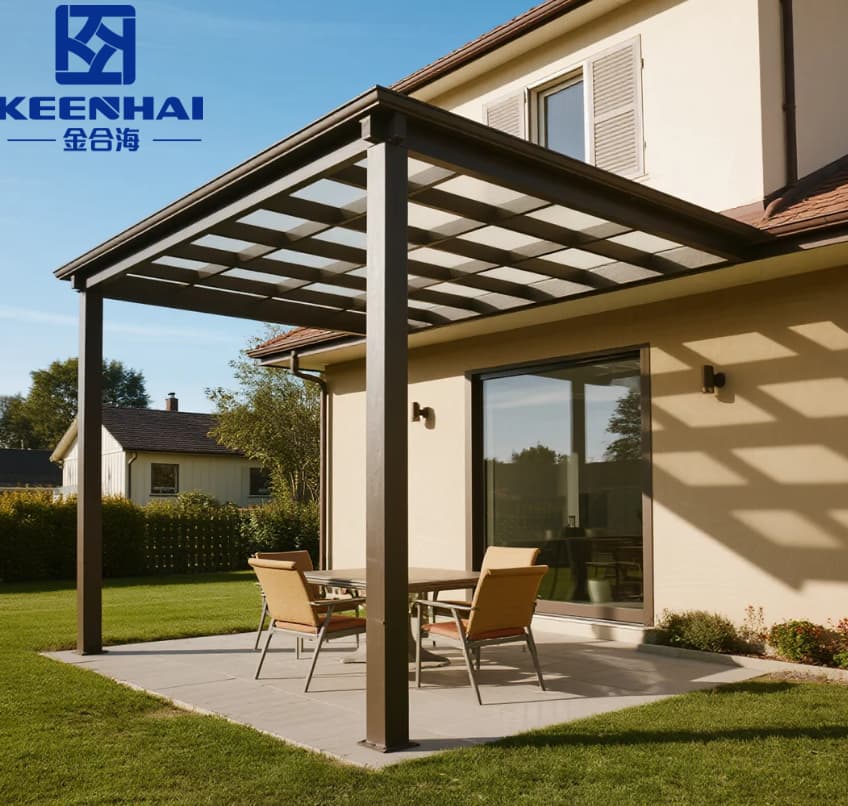
4. Functional Enhancements and Accessories
Enhancing a louvered pergola with functional accessories transforms it from a simple shade structure into a versatile backyard hub. Homeowners can adjust sunlight, manage airflow, and create comfortable outdoor living areas through integrated systems and thoughtful accessory choices.
4.1 Motorized or Automated Louver Systems
Motorized or automated louvers are a game-changer for modern pergolas, allowing precise control over light and ventilation with minimal effort. Advanced systems often include:
-
Remote-controlled louver rotation – adjust angles from anywhere in your backyard.
-
Sensor-based automation – automatically closes or opens louvers in response to rain, wind, or sunlight intensity.
-
Smart home integration – connect pergolas to voice assistants or mobile apps for scheduled operation.
A premium example is an Aluminum automated pergola, where the frame supports both full rotation and smooth automated louver movement, even in heavy rain. Installation steps typically involve:
-
Mounting the automated motor within the pergola frame.
-
Wiring sensors or control units to power sources safely.
-
Configuring rotation limits and calibration for optimal coverage.
-
Testing with different weather conditions to ensure seamless operation.
Automated louvers not only improve usability but also protect outdoor furniture and decks from prolonged sun exposure, extending the life of backyard furnishings.
4.2 Lighting, Fans, and Outdoor Furniture Integration
Integrating lighting, ceiling fans, and outdoor furniture elevates the pergola’s functional and aesthetic appeal. Thoughtful placement ensures comfort while maintaining the pergola’s primary purpose of adjustable shade. Key strategies include:
-
Installing recessed or LED strip lighting along beams for nighttime visibility without glare.
-
Mounting weather-resistant ceiling fans to enhance airflow during hot summer afternoons.
-
Selecting furniture with dimensions compatible with louver rotation and foot traffic, ensuring the space remains open and accessible.
For large garden or backyard layouts, combining these features with a louvered pergola creates a multifunctional outdoor room. Homeowners can enjoy meals, entertaining guests, or relaxing in shaded comfort without compromising style or practicality.
5. Optimizing Sunlight, Shade, and Airflow
Maximizing comfort under a louvered pergola requires precise control of sunlight and airflow throughout the day. Understanding louver angles and natural wind patterns ensures that backyard spaces remain pleasant, functional, and energy-efficient.
5.1 Louver Angles for Morning, Midday, and Afternoon Sun
Adjusting louvers according to sun position is key to balancing shade and natural light. Typically:
-
Morning Sun – Open louvers at a low angle to allow soft light to filter through while protecting furniture from direct exposure.
-
Midday Sun – Close louvers partially or fully depending on intensity to create a cooler shaded area for outdoor seating or dining.
-
Afternoon Sun – Adjust to slant louvers toward the west, preventing glare while maintaining airflow.
For automated or motorized systems, Aluminum motorized pergola options can track sunlight automatically, rotating louvers throughout the day to maintain optimal lighting conditions without manual adjustments.
5.2 Cross-Ventilation and Cooling Strategies
Airflow management enhances comfort, especially in hot climates. By strategically orienting the pergola and adjusting louver positions, homeowners can achieve effective cross-ventilation:
-
Align louvers perpendicular to prevailing winds to capture natural breezes.
-
Open side panels or leave gaps between posts for unobstructed airflow.
-
Combine ceiling fans or portable fans with louvers for enhanced cooling during peak heat.
A well-designed layout using a louvered pergola ensures that shade and airflow work in harmony, keeping the backyard cool while protecting outdoor furniture from excessive sun exposure.
Choosing the right louvered pergola for a backyard involves blending style, functionality, and environmental adaptability. Modern designs feature adjustable louvers, durable frames, and optional automation, allowing homeowners to control sunlight, airflow, and even rain protection with ease. By selecting materials and layouts that match your outdoor space—whether freestanding, attached, or integrated with decks—backyards can transform into comfortable, stylish living areas that invite relaxation and entertaining throughout the year. High-quality models, such as aluminum motorized or automated options, provide long-term durability while minimizing maintenance, making them ideal for contemporary backyard designs.