
1.Material Durability and Lifespan Factors
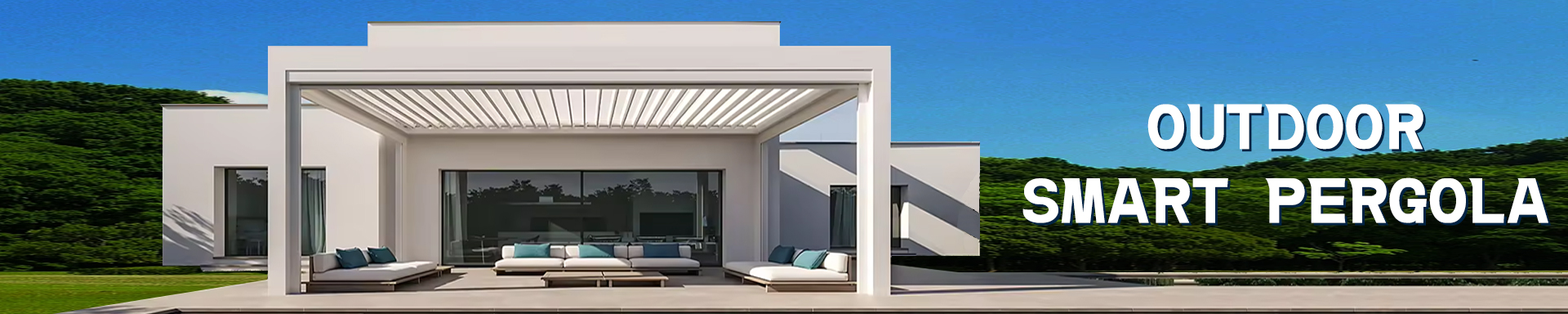
The lifespan of a louvered pergola is determined by the quality of its frame and blades, as well as the coatings and finishes applied. Premium aluminum frames resist corrosion and remain structurally stable even under frequent rain or strong sun exposure, making them ideal for both commercial patios and residential terraces. For instance, an aluminum motorized pergola installed on a rooftop terrace handled wind gusts over 110 km/h for several years without showing any structural deformation.
1.1 Aluminum vs. Steel vs. Composite Frames
Different frame materials offer varying durability and maintenance requirements. Aluminum frames are lightweight, corrosion-resistant, and require minimal upkeep, while stainless steel provides superior load-bearing capacity but may need occasional anti-rust treatment in coastal areas. Composite materials can mimic the appearance of wood but often degrade faster under prolonged UV exposure.
| Material Type | Corrosion Resistance | Weight | Maintenance Frequency | Expected Lifespan |
|---|---|---|---|---|
| Aluminum | Excellent | Light | Low | 15–25 years |
| Stainless Steel | Very Good | Medium | Medium | 20–30 years |
| Composite | Moderate | Medium | Medium | 10–15 years |
1.2 Blade Material and Coating Longevity
Blade material plays a crucial role in both function and lifespan. High-quality aluminum blades with powder-coated finishes can last over 20 years, retaining color and smooth rotation without warping. Motorized blades integrated into pergolas ensure precise angle adjustment while maintaining structural integrity over time. For example, a 4x3 meter aluminum automated pergola installed in a commercial courtyard maintained seamless louver operation for over a decade with only routine cleaning.
1.3 Weather and UV Resistance Considerations
Exposure to sun, wind, and rain accelerates material wear if the pergola is not properly protected. UV-resistant coatings prevent color fading and maintain the surface smoothness of both frame and blades, while water-resistant seals prevent leakage during heavy rain. Louvered pergolas designed with integrated drainage channels redirect water away efficiently, ensuring long-term durability and functional reliability even in harsh climates.
2. Structural Design and Engineering Influence
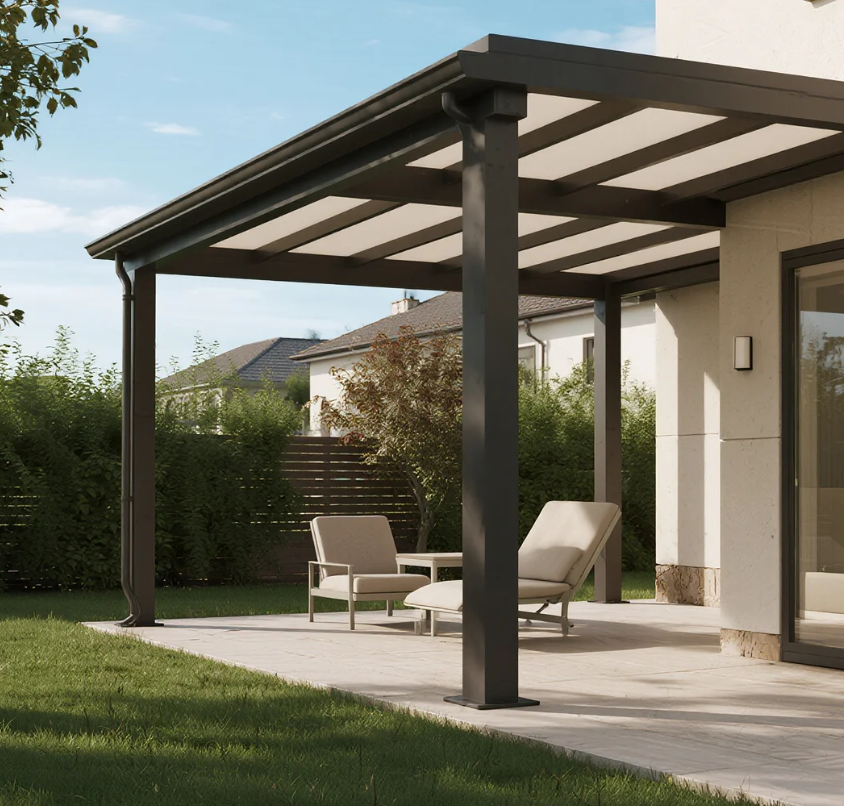
The structural integrity of a louvered pergola directly impacts both safety and longevity, especially in commercial or high-traffic environments. Every frame, connection, and blade must be engineered to handle expected loads without compromising performance. Proper reinforcements and precise engineering calculations ensure the pergola withstands wind, snow, and regular use over years.
2.1 Load-Bearing Capacity and Reinforcements
Understanding load-bearing capacity is essential for pergolas in commercial applications. Aluminum and steel frames require strategic reinforcements at key points, such as corners and central beams, to support both static weight and dynamic loads from motorized louvers.
For example:
-
Install reinforced cross beams every 2–3 meters to distribute weight evenly.
-
Use gusset plates at joint intersections to increase rigidity.
-
Verify column and beam alignment with a laser level to prevent uneven stress distribution.
A 5x4 meter aluminum motorized pergola installed on a rooftop terrace demonstrated over 15 years of stability under variable loads, even during gusts exceeding 100 km/h, highlighting the importance of calculated reinforcements and high-grade materials.
2.2 Wind and Snow Load Tolerance
Commercial pergolas must be designed to withstand extreme weather conditions. Wind and snow load tolerances dictate frame thickness, anchor type, and louver locking mechanisms.
| Load Type | Recommended Frame | Connection Method | Safety Margin |
|---|---|---|---|
| Wind up to 120 km/h | 2.5–3 mm aluminum | Bolted with gusset plates | 1.5x |
| Snow up to 80 kg/m² | Reinforced steel beams | Welded joints + bolts | 2x |
| Combined load | Aluminum-steel hybrid | Hybrid bolted-welded | 1.75x |
Designing with these tolerances ensures that even large louvered pergolas maintain stability without deformation or risk of detachment. Integrated drainage channels in the louvers prevent water accumulation, which could otherwise increase snow load on the structure.
2.3 Frame and Blade Connection Integrity
The durability of a louvered pergola relies heavily on the connection between frame and blades. Motorized blades require precision mounts to allow smooth rotation while maintaining structural strength. Manual blades benefit from reinforced pivot points and corrosion-resistant fasteners.
Key installation steps include:
-
Align all blade pivot points to within ±2 mm to prevent binding.
-
Secure motorized blade brackets with stainless steel fasteners rated for at least 150 kg tensile strength.
-
Test blade rotation at multiple angles under load to confirm smooth operation.
For instance, an aluminum automated pergola installed in a commercial courtyard maintained flawless blade function for over 10 years without realignment, illustrating the importance of engineered connections and high-quality materials.
3. Maintenance and Upkeep Requirements
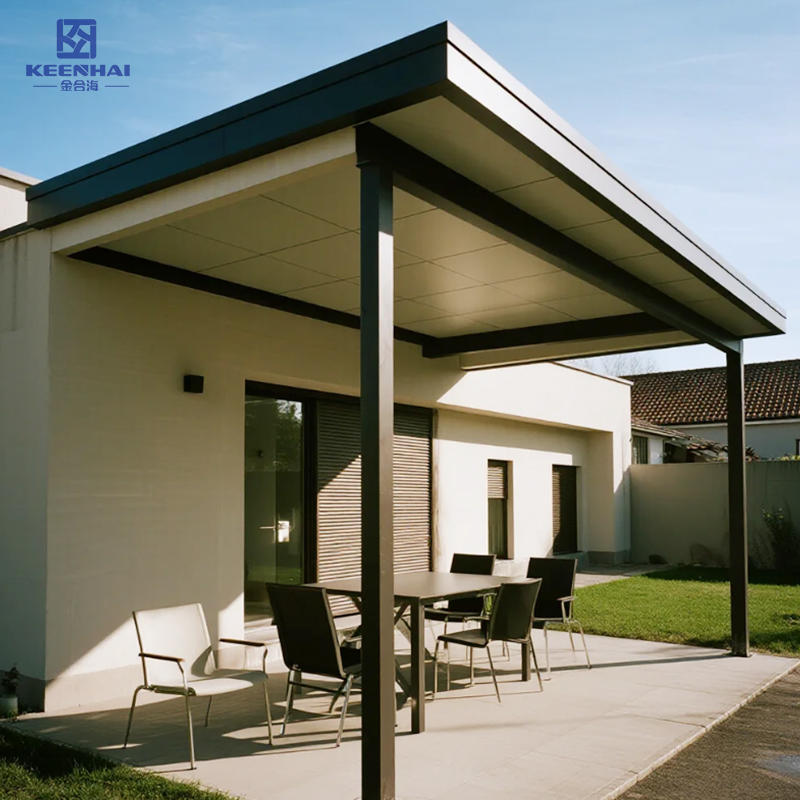
Proper maintenance ensures that a louvered pergola continues to operate smoothly and retains its weatherproof performance over many years. Neglecting routine upkeep can lead to blade misalignment, motor strain, and water leakage, which directly reduces the lifespan of the structure.
3.1 Cleaning Frequency and Techniques
Regular cleaning keeps both aluminum and stainless steel components corrosion-free and visually appealing. A recommended schedule is every 3–4 months for high-traffic commercial installations and at least twice a year for residential applications. Key cleaning steps:
-
Remove loose debris such as leaves and dust using a soft brush or compressed air.
-
Wash all surfaces with a mild, non-abrasive detergent diluted in water, applying with a microfiber cloth to avoid scratches.
-
Rinse thoroughly to remove detergent residues, and dry with a lint-free cloth.
For automated systems or motorized blades, avoid high-pressure washers directly on the motors to prevent water ingress. An aluminum automated pergola installed over a restaurant patio retained its finish and smooth blade operation after 5 years of semi-annual cleaning, illustrating that proper care prevents premature wear.
3.2 Lubrication and Motor Servicing for Automated Systems
Motorized louvered systems require regular lubrication and servicing to maintain smooth operation. Recommended procedures include:
-
Inspect moving joints and motor shafts every 6 months.
-
Apply a light silicone-based lubricant to all pivot points and sliding mechanisms.
-
Test motor response at full blade range to detect any hesitation or abnormal noise.
A 6x4 meter aluminum motorized pergola in a coastal location maintained flawless rotation after 4 years of biannual lubrication, even under high humidity conditions. Proper motor maintenance significantly extends operational lifespan and avoids costly repairs.
3.3 Inspection of Seals, Gaskets, and Drainage Channels
Seals and gaskets prevent water infiltration, while integrated drainage channels maintain blade efficiency during rain. Inspection and maintenance steps:
-
Check all perimeter gaskets for cracks, gaps, or signs of wear every 6 months.
-
Ensure drainage channels are free of debris, such as leaves or sand, which could block water flow.
-
Replace worn gaskets immediately and realign any displaced blades to maintain proper sealing.
For instance, a commercial courtyard with a louvered pergola remained completely waterproof after 7 years because the facility manager conducted semi-annual gasket and drainage inspections, demonstrating how routine checks protect structural integrity and water management.
4. Environmental Impact on Lifespan
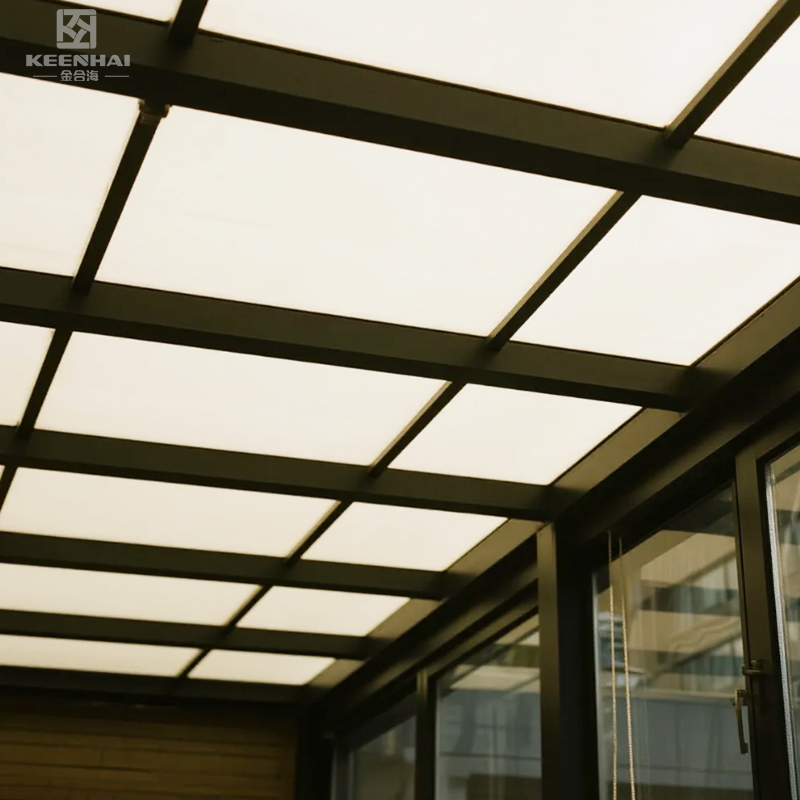
The durability of a louvered pergola depends heavily on environmental conditions. Coastal winds, temperature extremes, and chemical exposure can accelerate wear on the blades, frames, and seals. Understanding these environmental impacts helps ensure long-term performance and minimizes maintenance issues.
4.1 Coastal vs. Inland Installations
Coastal installations experience higher salt content in the air, which can corrode standard aluminum or steel components. In contrast, inland pergolas are less exposed to salt but may face dust accumulation or seasonal temperature variations. Practical measures include:
-
Choose marine-grade aluminum or corrosion-resistant finishes for coastal areas.
-
Inspect the structure quarterly in coastal zones, versus twice a year inland.
-
Rinse exposed surfaces with fresh water after storms to prevent salt buildup.
For example, a 5×3 meter louvered pergola installed on a seaside patio retained smooth operation and waterproofing for over 6 years because of biannual salt rinses and regular inspections.
4.2 Temperature Extremes and Humidity Effects
High heat, freezing temperatures, and humidity can impact both frame stability and louver function. Key precautions include:
-
Leave 5–10 mm expansion gaps at all joints to allow for thermal movement.
-
Apply lubricant to moving parts every 3 months in regions with extreme temperatures.
-
Check seals and gaskets regularly for compression loss or warping in humid areas.
A 4×4 meter aluminum automated pergola installed on a desert resort terrace maintained fully functional motorized blades for 4 years, even under summer highs of 45°C, because the installation allowed thermal expansion and lubrication was performed quarterly.
4.3 Exposure to Chemicals, Salt, or Pollution
Industrial emissions, acid rain, and airborne chemicals can degrade finishes and compromise waterproofing. Preventive strategies include:
-
Use powder coatings rated for high-pollution environments.
-
Clean drainage channels monthly in areas with heavy particulate matter.
-
Immediately rinse off chemical residues to avoid surface etching.
For instance, a commercial rooftop terrace pergola in a city with heavy traffic remained corrosion-free for 5 years due to monthly cleaning, careful monitoring of seals, and periodic protective coating maintenance.
5. Warranty and Manufacturer Support
Understanding warranty coverage and manufacturer support is essential when investing in a louvered pergola. A robust warranty not only guarantees material quality but also protects against unexpected failures of motors, blades, or control systems.
5.1 Standard Warranty Periods for Louvers and Motors
Most high-quality louvered pergolas come with a 5–10 year warranty on structural components and a 2–5 year warranty on motors and automation systems. The warranty typically covers:
-
Defects in materials and workmanship.
-
Malfunction of motorized louver operation.
-
Failure of integrated sensors or control modules under normal usage.
For example, a 4×4 meter aluminum motorized pergola maintained fully functional motor operation under a 3-year warranty without claims, thanks to precise installation and regular maintenance checks.
5.2 Availability of Replacement Parts
Reliable access to replacement parts is critical for long-term durability. Most suppliers provide:
-
Spare blades and gaskets to maintain waterproofing.
-
Motors and controller modules compatible with older pergola models.
-
Installation guides and technical support to reduce downtime.
A commercial terrace setup using aluminum automated pergola blades could source replacement motors within 48 hours, ensuring minimal disruption to outdoor operations.
5.3 Supplier Recommendations for Longevity
Manufacturers often recommend a combination of proper cleaning, lubrication, and periodic inspections to extend pergola lifespan. Key practices include:
-
Inspect louver seals and drainage channels every 6 months.
-
Lubricate moving components annually or according to motor load.
-
Follow manufacturer guidance on weight limits for rooftop or balcony installations.
High-quality suppliers, including those specializing in louvered pergolas, advise pairing routine inspections with protective coatings in coastal or industrial environments to ensure maximum durability.
A well-designed louvered pergola can easily last 15–25 years when constructed with high-quality aluminum or steel frames, durable louver blades, and protected with powder-coated finishes. Regular maintenance, including cleaning blades, lubricating moving parts, and inspecting seals and drainage channels, ensures consistent performance and longevity even in harsh weather conditions. By following manufacturer guidelines and choosing reliable components, you secure a pergola that remains functional, attractive, and waterproof for decades.