
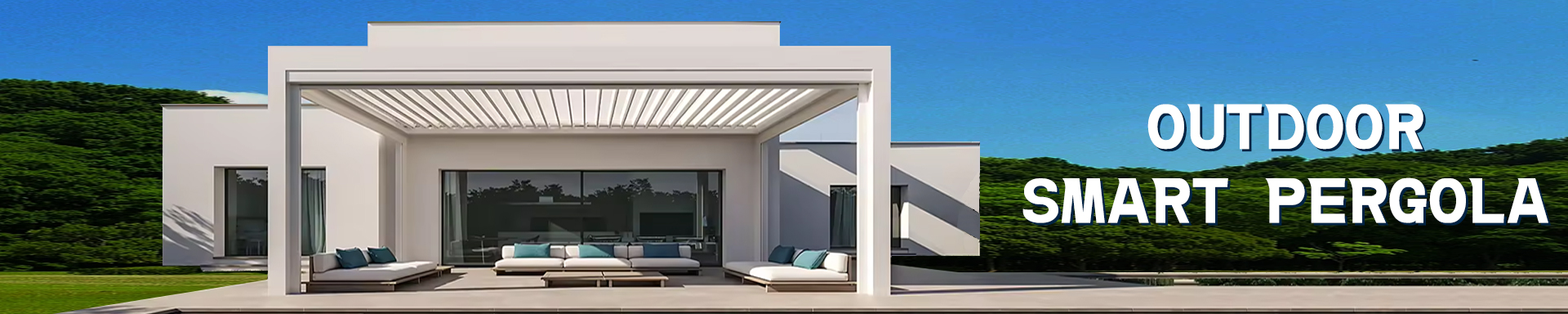
1. Size-Based Pricing Analysis
When evaluating the cost of a louvered pergola, size remains one of the most critical factors affecting the final price. Pergolas scale almost linearly with area, but the complexity of the structure, weight of materials, and required support systems can push costs higher for larger installations. Understanding pricing differences between small, medium, and large pergolas helps homeowners and commercial buyers plan budgets accurately.
1.1 Small Pergolas (Up to 3x3 meters)
Small pergolas, typically covering an area of up to 3x3 meters, offer a compact solution for patios, balconies, or intimate outdoor seating areas. These structures generally use lighter aluminum or powder-coated steel frames, and the smaller span reduces the number of support columns needed.
Key details for pricing include:
-
Standard aluminum frame costs range between $1,200 and $2,500 depending on finish and blade style.
-
Manual louver systems dominate this size, reducing installation complexity and labor fees.
-
Optional features such as LED strips or small drainage channels may add $150–$300.
For example, a small Aluminum pergola house installed over a 2.5x2.5 meter deck in Southern California required only two anchor points, keeping foundation costs minimal while maintaining stability during seasonal winds.
1.2 Medium Pergolas (3x3 to 5x5 meters)
Medium-sized pergolas offer more coverage for dining areas, outdoor lounges, or poolside installations. The added span increases material needs, support column reinforcement, and sometimes introduces motorized louver options.
| Feature | Small Pergola | Medium Pergola | Notes |
|---|---|---|---|
| Coverage Area | Up to 3x3 m | 3x3–5x5 m | Medium requires stronger beams |
| Frame Material | Aluminum/Steel | Aluminum/Steel | Additional reinforcements often added |
| Louver Type | Manual | Manual or Motorized | Motorization increases cost $500–$1,000 |
| Typical Cost | $1,200–$2,500 | $2,800–$5,500 | Varies by customization |
Installation insights:
-
Medium louvered pergolas often need at least four anchor points, ensuring consistent load distribution.
-
Blade widths may increase to 250–300 mm to reduce deflection across the span.
-
A 4x4 meter Aluminum motorized pergola in Austin, Texas, required precise leveling during installation to ensure the motor operated smoothly under full sun exposure.
1.3 Large Pergolas (Above 5x5 meters)
Large pergolas are suited for commercial patios, rooftop terraces, or backyard expansions exceeding 25 m². These structures involve reinforced aluminum or composite frames, multi-span beams, and often fully motorized louver systems to handle the increased blade weight and wind load.
Pricing drivers include:
-
Multi-span reinforcement can add $1,000–$2,500 to the base structure cost.
-
Automated louvers with integrated sensors for rain and sunlight add $800–$1,500.
-
Foundation work may require concrete pads or extended anchor systems depending on surface type.
A recent installation of a louvered pergola covering 6x6 meters at a Miami beachfront property incorporated custom drainage channels, motorized louvers, and powder-coated aluminum to resist corrosion from salty air, bringing the total cost to around $12,000 with full installation.
pricing scales with size, materials, and automation. Small pergolas are straightforward and budget-friendly, medium offers balanced customization and features, while large pergolas are high-investment projects optimized for longevity and full functionality.
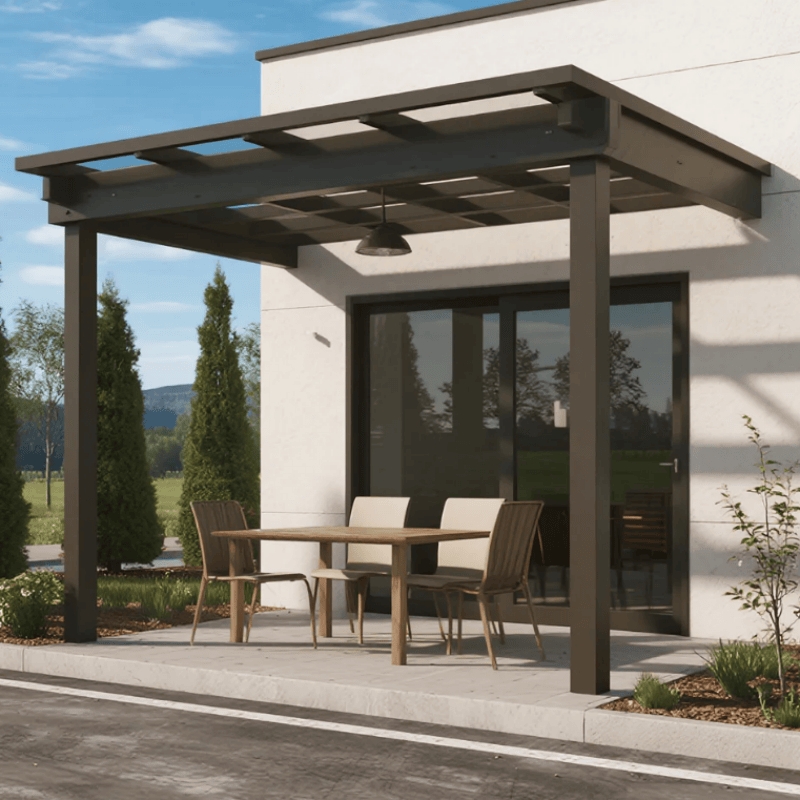
2. Configuration and Feature Influence on Price
The configuration of a louvered pergola plays a significant role in determining total cost. Beyond size, the choice between manual or motorized louvers, the structural span, and optional integrated accessories can create substantial price variations. Buyers must evaluate not just initial expenses but also long-term functionality and maintenance efficiency.
2.1 Manual vs. Motorized Louvers
Manual louvers remain a cost-effective choice for smaller patios or low-traffic areas. They rely on simple rotation mechanisms using a hand lever or crank, making installation faster and minimizing electrical requirements.
Motorized louvers, however, bring automated control, often integrated with smart sensors for rain and sunlight detection, and require careful wiring and motor selection. A medium Aluminum motorized pergola installation covering 4x4 meters in Houston demonstrated that the motorization added approximately $1,200 to the base price, while ensuring smooth blade operation under heavy winds.
Key considerations for motorization:
-
Electrical access and dedicated circuits for motor units.
-
Control integration via wall switch, remote, or app connectivity.
-
Load rating of louvers to avoid overworking the motor during extreme weather.
2.2 Single-Span vs. Multi-Span Designs
Structural design choices influence both stability and cost. Single-span pergolas are simpler, with fewer support columns, ideal for areas under 5x5 meters. Multi-span designs, necessary for larger coverage, require additional beams, column supports, and precision alignment.
Cost comparison table for typical configurations:
| Feature | Single-Span | Multi-Span | Notes |
|---|---|---|---|
| Coverage | Up to 5x5 m | 5x5 m+ | Multi-span needed for terraces & commercial patios |
| Structural Support | 2–4 columns | 4+ columns | Extra columns improve stability under wind loads |
| Installation Time | 1–2 days | 3–5 days | Multi-span requires more precise leveling |
| Price Impact | Base | +$1,500–$3,000 | Labor and material increase significantly |
For example, a 6x6 meter multi-span louvered pergola in Miami included four reinforced columns and double beams to handle heavy rain loads, increasing the installation cost but guaranteeing long-term structural performance.
2.3 Integrated Accessories: Lighting, Drainage, and Sensors
Optional features can significantly affect pricing while enhancing usability. LED lighting strips, built-in drainage channels, and automatic sensors for rain and sunlight control can add 15–25% to the base cost of the pergola.
Installation details for integrated systems:
-
Lighting requires a low-voltage power supply and optional dimmer controls.
-
Drainage channels need proper alignment with louver blade slope to avoid pooling.
-
Sensors must be calibrated during setup to respond accurately to environmental changes.
A medium Aluminum automated pergola in San Diego combined all three features, demonstrating how advanced accessories not only improve comfort but also justify the higher investment by extending lifespan and reducing manual operation.
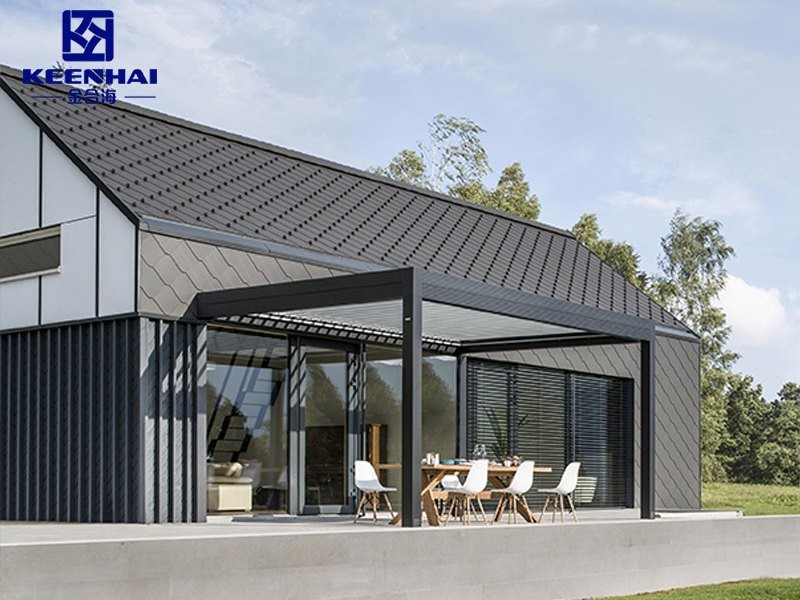
3. Material Selection and Cost Impact
The material choices for a louvered pergola significantly affect both price and long-term durability. Selecting between aluminum, steel, or composite frames, choosing blade types and coatings, and implementing waterproof and weather-resistant enhancements all play a pivotal role in determining the pergola’s lifespan and maintenance requirements. Investing in higher-quality materials upfront can reduce replacement and upkeep costs over time, while also ensuring aesthetic consistency across outdoor spaces.
3.1 Aluminum vs. Steel vs. Composite Frames
Aluminum frames offer a strong combination of lightweight construction and corrosion resistance, making them ideal for coastal or humid environments. Steel frames provide unmatched strength but require powder-coated finishes to prevent rust, particularly in areas with heavy rainfall or salt exposure. Composite frames blend durability with minimal maintenance, but the initial cost can be higher than standard aluminum options.
Comparison of frame types and cost impact:
| Frame Material | Durability | Maintenance | Cost Range (USD/m²) | Recommended Environment |
|---|---|---|---|---|
| Aluminum | High | Low | $150–$250 | Coastal, humid, medium wind areas |
| Steel | Very High | Medium | $180–$300 | High-load or commercial use |
| Composite | Medium | Low | $200–$350 | Residential, low-maintenance preference |
For example, a 3x3 meter Aluminum pergola house installed in Florida required minimal touch-up maintenance after three years, showcasing aluminum’s cost-efficiency over time in salty or humid climates.
3.2 Blade Material Variants and Coatings
The louver blades themselves are another factor influencing both performance and price. Common materials include aluminum, stainless steel, and treated composites. Powder-coated or anodized finishes extend the life of the blades, protect against UV degradation, and maintain a sleek visual appearance.
Installation and selection considerations:
-
Determine the blade length and width to match the pergola span.
-
Select a finish that matches environmental exposure, e.g., UV-resistant coatings for sunny regions.
-
Check compatibility with motorized or manual rotation systems to avoid operational issues.
A louvered pergola in Phoenix integrated anodized aluminum blades with a subtle matte finish, ensuring reflective heat management and low maintenance for over 10 years.
3.3 Waterproofing and Weather-Resistant Enhancements
Enhancing the weatherproofing of a louvered pergola adds upfront cost but dramatically increases lifespan. Features such as silicone gaskets, integrated drainage channels, and advanced sealing systems protect against water infiltration and reduce wear from wind-driven rain.
Key steps for effective waterproofing:
-
Install gaskets along all blade joints and frame intersections.
-
Ensure drainage channels are correctly sloped to avoid pooling.
-
Apply UV-resistant coatings to blades and frame to prevent color fading or material degradation.
A medium Aluminum Modern Gazebo in Seattle used full waterproofing with reinforced drainage, withstanding heavy winter rains without corrosion or leakage, demonstrating the long-term benefits of these enhancements.
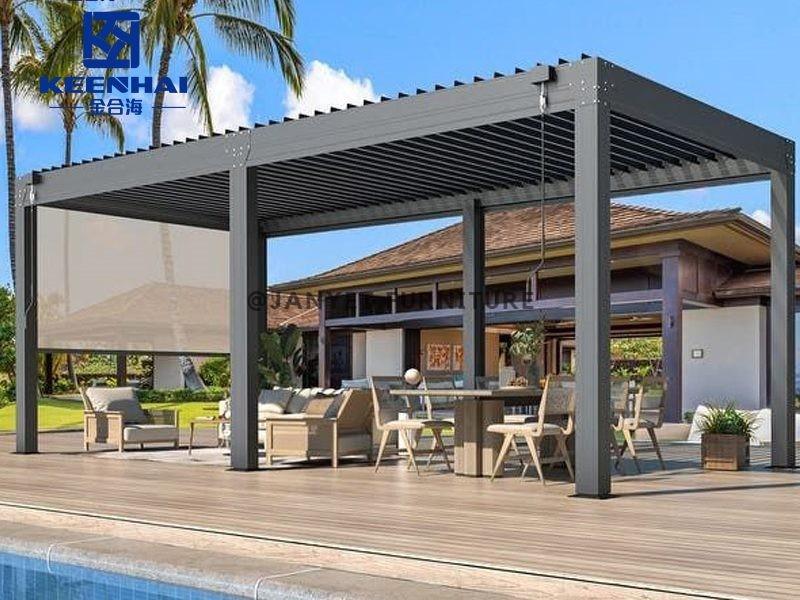
4. Installation and Site Preparation Costs
Installation and site preparation can account for a significant portion of the overall cost of a louvered pergola. Factors such as surface conditions, foundation requirements, labor complexity, and the integration of electrical or motorized systems influence both budget and project timeline. Proper planning upfront ensures smoother installation, minimizes errors, and protects your investment over the long term.
4.1 Surface Requirements and Foundation Considerations
The first step in any pergola installation is assessing the surface where the structure will sit. Concrete slabs, reinforced decks, or compacted gravel bases provide stability, while uneven terrain may require excavation, leveling, and additional footings.
Key preparation steps:
-
Measure the pergola footprint accurately to confirm alignment with property lines.
-
Evaluate soil or surface firmness to determine if reinforced footings are needed.
-
Install leveling blocks or piers as necessary to prevent structural stress.
A medium Aluminum motorized pergola installed on a sloped patio in Los Angeles used reinforced concrete footings spaced 1.5 meters apart, ensuring stability for the 4x4 meter span while supporting motorized louver rotation.
4.2 Labor and Assembly Complexity by Size
Labor costs increase with the size and complexity of the pergola. Small units (up to 3x3 meters) can often be installed by 2–3 skilled workers in one day, while larger configurations or multi-span layouts require 4–6 workers and 2–3 days of assembly.
Factors affecting labor costs:
-
Number of louver blades and frame sections.
-
Installation of reinforced columns or beams for structural integrity.
-
Integration of manual vs. motorized blade systems.
For instance, a 5x5 meter louvered pergola installed in Chicago had a labor cost approximately 35% higher than a 3x3 meter unit, largely due to the need to align multi-span sections and integrate motorized louvers efficiently.
4.3 Electrical and Automation Integration Fees
Adding automation, motorized blades, sensors, or lighting requires careful planning and additional costs. Electrical integration involves wiring for motors, rain/sun sensors, and optional LED lighting, which must meet local codes and ensure safety.
Installation steps for electrical integration:
-
Determine power supply points and conduit routing before assembly.
-
Install motor brackets and connect blades to the control system.
-
Test sensor calibration and blade responsiveness under full rotation.
A louvered pergola installed in Miami included automated rain sensors and LED perimeter lighting. The integration added about 15% to the installation cost but enhanced functionality and long-term convenience.
5. Long-Term Value and Maintenance Considerations
Investing in a louvered pergola goes beyond initial cost—it’s about long-term usability, durability, and ease of upkeep. By evaluating lifespan, maintenance requirements, and warranty coverage, homeowners can ensure their pergola remains functional, visually appealing, and cost-effective over years of use. Properly selected materials and features directly enhance long-term value while minimizing unexpected expenses.
5.1 Expected Lifespan vs. Initial Investment
The expected lifespan of a pergola depends on materials, installation quality, and environmental conditions. Aluminum structures with powder-coated finishes can last 20+ years, while composite frames often offer 15–20 years, and standard steel may require 10–15 years before significant corrosion or repainting.
| Material Type | Typical Lifespan | Maintenance Requirement | Initial Cost Impact |
|---|---|---|---|
| Aluminum | 20–25 years | Low | Moderate–High |
| Powder-Coated Steel | 10–15 years | Medium | Low–Moderate |
| Composite | 15–20 years | Medium | Moderate |
For example, a medium-sized Aluminum motorized pergola in Dallas retained its structural integrity and motor functionality over 18 years with routine upkeep, proving the initial investment justified long-term performance.
5.2 Routine Maintenance and Replacement Parts
Regular maintenance is crucial to extend lifespan and protect functionality. Routine tasks include:
-
Cleaning louver blades and frames to prevent dirt and debris accumulation.
-
Lubricating motorized components every 6–12 months.
-
Inspecting seals, gaskets, and drainage channels for wear.
-
Replacing worn or damaged parts promptly to avoid cascading failures.
A louvered pergola installed on a coastal property in Florida required quarterly inspection due to salt exposure. With simple upkeep and replacement of minor components, the structure remained fully operational after 12 years.
5.3 Warranty Options and Manufacturer Support
Warranties add an extra layer of security, covering both frame and motorized components. Standard offerings often include:
-
10–15 years on aluminum or composite frames.
-
2–5 years on motorized louver systems.
-
Access to replacement parts and technical support for troubleshooting.
Choosing suppliers like Keenhai Pergola ensures reliable manufacturer support, helping maintain performance and extending the effective lifespan. Properly leveraging warranties can save significant maintenance costs and protect the long-term investment.