
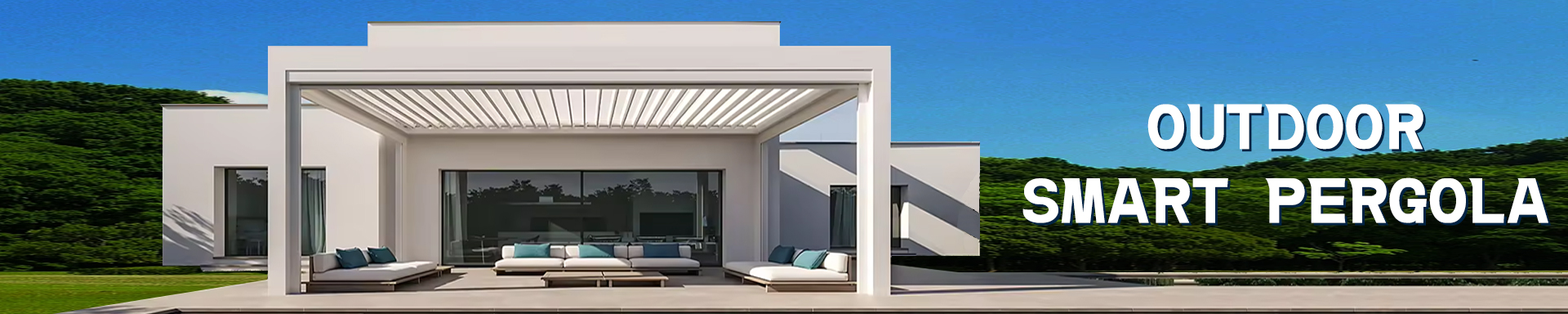
1. Factors Affecting Aluminum Pergola Cost
If you’re planning a backyard upgrade, a custom aluminum pergola can transform your outdoor space. Costs vary widely based on several practical factors, including size, material, structure type, and optional features. Understanding these drivers helps you plan a realistic budget and avoid unexpected expenses.
1.1. Size and Dimensions of the Pergola
The size of your pergola is the most immediate cost factor. Larger pergolas require more aluminum, longer beams, and additional support posts, which directly increase material and labor costs. For example, a 12x12 ft pergola costs significantly more than an 8x10 ft pergola due to both materials and installation complexity.
When planning size:
-
Measure your outdoor area carefully.
-
Decide if the pergola will be freestanding or attached to a wall.
-
Consider overhangs or extra space for seating, which may require additional posts.
A mid-sized backyard structure might range from $3,500 to $7,000. In some cases, homeowners opt for a Aluminum Pergola House style, which integrates seamlessly with the home and makes efficient use of available space—this choice naturally affects both design and cost.
1.2. Material Quality and Finish Options
Material selection strongly impacts durability and cost. Standard aluminum works for basic coverage, while high-grade aluminum alloys offer superior corrosion resistance, ideal for coastal or humid climates. Powder-coated finishes add UV protection and color options, extending lifespan while slightly increasing cost.
| Material / Finish | Durability | Typical Cost Impact | Ideal Use |
|---|---|---|---|
| Standard Aluminum | Moderate | Low | Basic patio cover |
| High-Grade Aluminum | High | Medium | Coastal areas, heavy use |
| Powder-Coated | High | Medium | Long-lasting color and UV protection |
| Anodized Aluminum | Very High | High | Premium, decorative projects |
Advanced designs, like Aluminum Retractable Gazebo, include motorized roofs for sun or rain control, which naturally adds to installation costs but provides significant functional value for outdoor living areas.
1.3. Type of Pergola: Freestanding vs Attached
The pergola’s structural type also affects cost. Freestanding pergolas require full support on all sides and a stronger foundation, making them more labor- and material-intensive. Attached pergolas leverage a wall for support, reducing posts but requiring secure attachment to the building.
-
Freestanding: Flexible placement, higher material and labor cost.
-
Attached: Cost-efficient and space-saving, but may require professional assessment.
Choosing the right type depends on yard layout, aesthetic preference, and long-term durability needs.
1.4. Additional Features: Roof Panels, Lighting, and Accessories
Optional features add both functionality and cost. Retractable roofs, integrated lighting, fans, or side screens create a more versatile outdoor area but require additional materials and sometimes electrical work.
Steps to evaluate optional features:
-
List which features are essential versus optional.
-
Get itemized quotes for each feature.
-
Consider long-term maintenance and energy consumption.
For example, a retractable roof or waterproof panel system can increase costs by 20–50%, but it allows full control over sun and rain exposure. Designs like the Aluminum Retractable Gazebo integrate these features seamlessly, showing how cost and functionality align naturally.
2. Labor and Installation Expenses
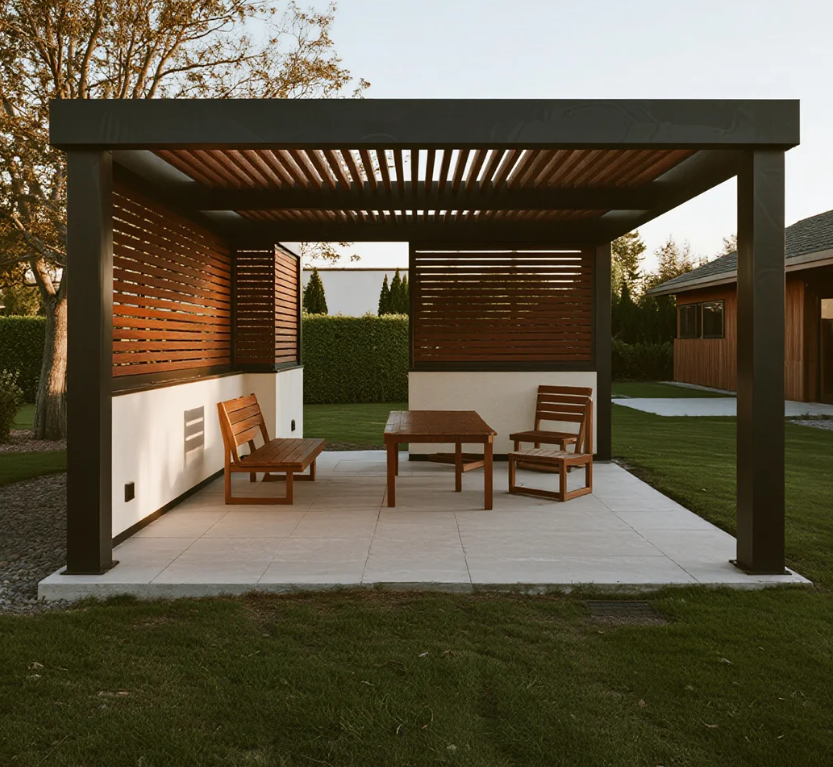
When budgeting for a backyard Aluminum Pergola, labor and installation are often overlooked yet can represent a significant portion of the total cost. Installation complexity depends on structure type, location, and whether you choose to handle the work yourself or hire professionals. Understanding these variables helps avoid unexpected expenses and ensures your pergola is assembled safely and efficiently.
2.1. DIY vs Professional Installation Costs
One of the first decisions impacting cost is whether you tackle installation yourself or hire experienced installers.
-
DIY Installation:
-
Purchasing tools such as drills, levels, and anchors. Estimated cost: $150–$300 if you don’t already own equipment.
-
Reading manuals and planning each assembly step carefully to avoid mistakes.
-
Average time: 8–16 hours for a mid-sized 10x12 ft pergola.
DIY can save $1,000–$2,000 compared with professional installation, but requires patience and moderate skill. Mistakes during assembly can damage aluminum parts, so accuracy is critical.
-
-
Professional Installation:
-
Labor costs typically range from $40–$80 per hour, depending on region and installer expertise.
-
Total installation time for a standard 12x12 ft pergola: 6–10 hours with 2–3 professionals.
-
Additional fees may apply for site prep or wall attachments.
-
Hiring experts guarantees structural integrity and adherence to local building codes, especially for freestanding or complex designs. For example, installing a custom retractable aluminum pergola requires precise alignment of motorized roof panels, which is extremely difficult to DIY.
2.2. Regional Labor Price Differences
Labor costs vary significantly across regions due to local wages, demand, and cost of living. For example:
| Region | Average Hourly Labor Rate | Notes |
|---|---|---|
| Urban Northeast | $60–$80 | High demand; limited installer availability |
| Midwest | $40–$60 | Moderate demand; widely available installers |
| Southern States | $35–$55 | Lower labor cost but regional material shipping may add fees |
| West Coast | $55–$75 | Coastal climate requires corrosion-resistant materials, slightly increasing labor complexity |
Understanding regional pricing allows you to plan accurately and compare installer quotes effectively. Keep in mind that travel fees, local permitting, or additional support requirements may also impact labor costs.
2.3. Time Required for Installation
Installation time is influenced by pergola type, size, and additional features. Accurate time planning ensures both proper assembly and cost management.
Typical time estimates:
-
Standard 10x12 ft freestanding pergola: 6–12 hours with two experienced installers.
-
Attached pergola: 4–8 hours, depending on wall prep and attachment complexity.
-
Pergolas with motorized or retractable roofs: add 2–4 hours for electrical and mechanical alignment.
Tips to optimize installation:
-
Prepare the site before delivery, including leveling the ground and marking anchor points.
-
Group assembly tasks logically: frame first, then roofing, followed by accessories.
-
Have all tools and materials on hand to avoid interruptions.
Proper planning reduces mistakes and ensures the structure is stable, safe, and long-lasting. Even small misalignments can increase costs if corrections are needed later, so allocating enough time upfront is crucial.
3. Cost Breakdown by Pergola Type
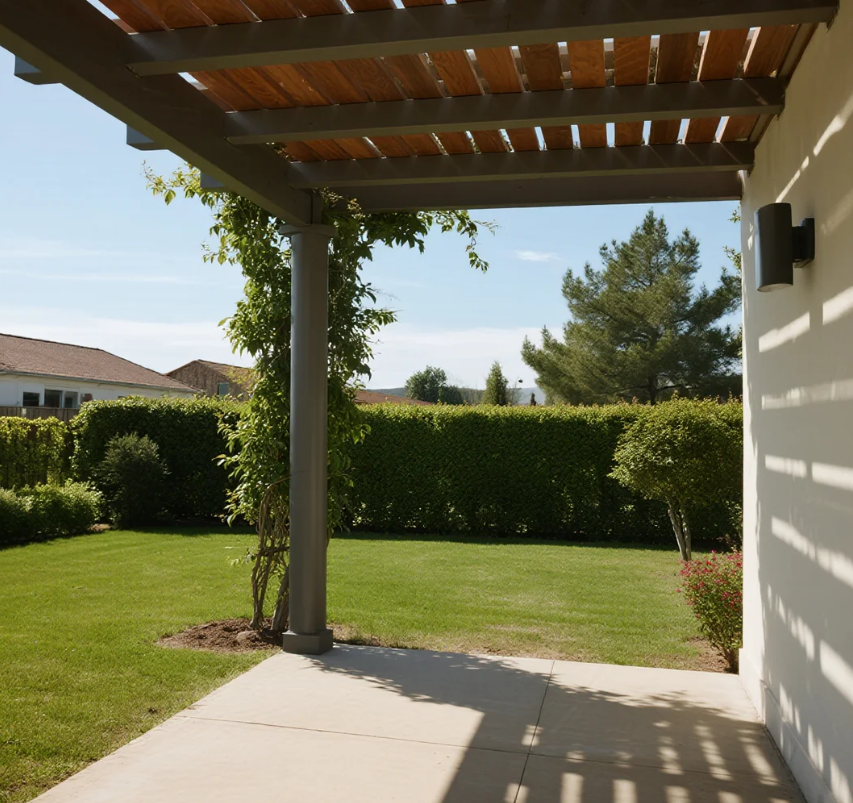
Understanding costs by pergola type helps homeowners plan budgets accurately. Depending on whether you choose a standard aluminum pergola, a customized design, or a commercial installation, expenses can vary widely. Here’s a detailed breakdown of cost considerations, including real-world numbers and practical examples.
3.1. Standard Aluminum Pergola Costs
Standard aluminum pergolas are prefabricated models that come in common sizes, typically 10x10 ft or 12x12 ft. They are designed for quick installation and minimal customization.
Cost breakdown:
-
Material: $1,500–$3,000 for a mid-sized pergola using standard aluminum with basic powder coating.
-
Labor: $500–$1,500 depending on regional rates and installation complexity.
-
Accessories: $200–$600 for optional roofing panels or simple lighting.
Total estimated cost: $2,200–$5,100.
These structures are ideal for homeowners seeking a durable outdoor solution without high customization. For example, a 10x12 ft freestanding aluminum pergola installed in a suburban backyard typically takes 6–8 hours for two installers and provides immediate shade and structure without advanced features.
3.2. Custom Aluminum Pergola Costs
Customized pergolas allow homeowners to select exact dimensions, finishes, and advanced features like retractable roofs, motorized panels, or integrated lighting. Costs increase with complexity due to material upgrades, specialized labor, and engineering requirements.
Factors affecting custom pergola pricing:
-
Unique size or shape: Larger spans or irregular layouts increase aluminum usage.
-
Premium material or coating: Powder-coated or anodized finishes can add 15–25% to base material costs.
-
Advanced features: Motorized roofs, retractable screens, or waterproofing require skilled installation.
| Custom Feature | Estimated Cost | Notes |
|---|---|---|
| Motorized Roof Panels | $1,000–$2,500 | Depends on pergola size and type |
| Retractable Side Screens | $300–$800 | Enhances privacy and weather protection |
| Premium Aluminum Finish | $400–$1,200 | Longevity and corrosion resistance |
A high-end backyard setup using a custom retractable aluminum pergola can cost $6,000–$12,000, depending on size, features, and complexity. These systems require careful planning and precise assembly to ensure smooth operation and long-term reliability.
3.3. Commercial vs Residential Pergola Pricing
Commercial pergolas, such as those for restaurants, hotels, or outdoor event spaces, often have stricter requirements for durability, load-bearing capacity, and aesthetic appeal. Residential installations are typically simpler but still benefit from premium aluminum options.
Typical price comparison:
| Pergola Type | Size Range | Material & Labor Cost | Additional Notes |
|---|---|---|---|
| Residential | 10x10–12x12 ft | $2,200–$7,500 | Freestanding or attached, optional accessories |
| Commercial | 12x16–20x20 ft | $8,000–$20,000+ | Reinforced framing, high-traffic durability, may include motorized systems |
Key considerations:
-
Commercial projects often require engineering review, permits, and professional installation.
-
Material quality is usually higher to handle repeated use and exposure.
-
Accessories such as built-in lighting, retractable roofs, or waterproofing are standard in commercial installations.
Even for residential settings, investing in high-quality aluminum and professional assembly ensures longevity and reduces maintenance costs over time. Freestanding or attached residential setups can still utilize similar material standards as commercial pergolas but on a smaller scale.
4. Permits and Site Preparation Costs
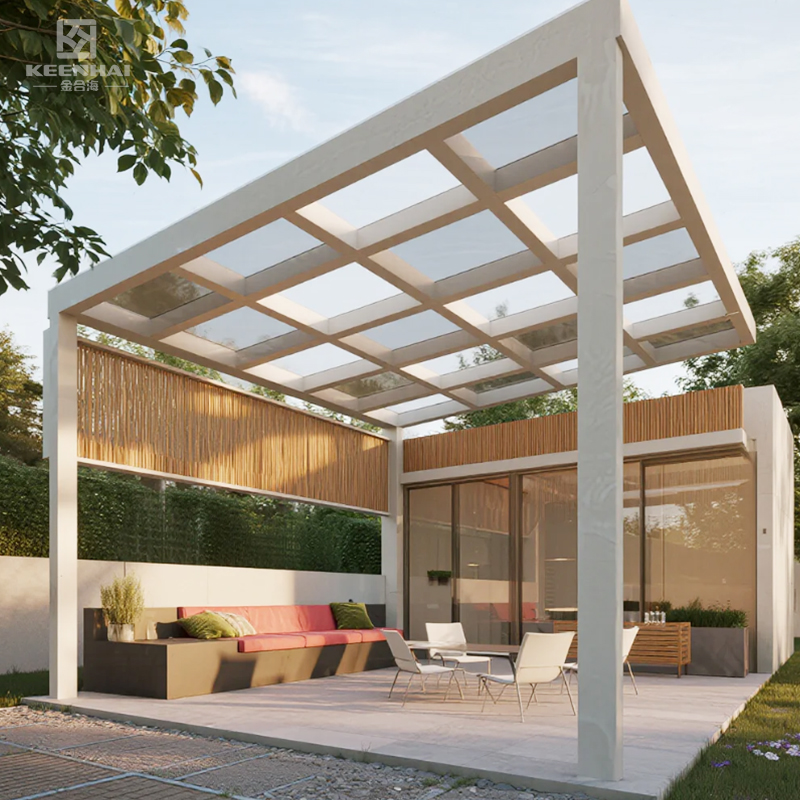
Before installing an aluminum pergola, homeowners must account for site preparation and potential permitting costs. These often represent 10–20% of the total project budget and can vary widely depending on ground conditions, local regulations, and structural requirements. Proper preparation ensures the pergola is stable, level, and fully compliant with municipal codes.
4.1. Ground Preparation and Foundation Work
The quality of the foundation directly affects durability and installation safety. Whether you’re installing a freestanding or attached aluminum pergola, proper site preparation is essential.
Steps for ground preparation:
-
Survey the area: Measure the intended location and mark the pergola footprint accurately.
-
Level the ground: Remove grass, debris, or uneven soil. For sloped yards, consider grading to prevent water pooling.
-
Install foundation supports:
-
Concrete footings for freestanding pergolas are typically 12–18 inches deep and 10–12 inches in diameter.
-
Anchors or brackets for attached pergolas must align with wall studs and support beams.
-
-
Allow curing time: Concrete footings need at least 24–48 hours to set before attaching aluminum posts.
Cost insights: Basic ground prep for a 10x12 ft pergola ranges from $300–$800, while reinforced foundations or extensive grading can push costs to $1,500 or more. For projects involving uneven terrain or premium aluminum pergola setups, foundation work is critical to maintain structural integrity over time.
4.2. Local Permitting and Fees
Many municipalities require permits for outdoor structures over a certain size or for those attached to a home. Permitting ensures compliance with building codes, zoning regulations, and safety standards.
Typical permitting considerations:
-
Check your local building department for size thresholds; pergolas over 120 sq ft often require a permit.
-
Submit a site plan showing dimensions, setbacks, and proposed anchor points.
-
Pay applicable fees: residential permits generally range from $50–$300, while commercial or complex projects may cost $500–$1,000.
-
Schedule inspections as required—some jurisdictions mandate post-installation inspections to confirm structural stability.
Planning permits early prevents costly delays. Projects with custom designs or features like retractable roofs may require additional review, so including permitting in your budget ensures smoother execution and avoids fines.
5. How to Get Accurate Aluminum Pergola Quotes
Getting an accurate quote is critical for budgeting and planning your outdoor project. Without clear estimates, homeowners often face unexpected costs or delays. Understanding how suppliers calculate pricing helps you make informed decisions and ensures you get the pergola you want at a fair price.
5.1. Comparing Multiple Suppliers and Installers
When reaching out to different providers, comparison is key:
-
Collect multiple quotes: Request estimates from at least 3–5 installers or suppliers. Include both local and online providers for a broader perspective.
-
Check scope and details: Ensure quotes include material type, finish, dimensions, labor, optional features, and foundation work.
-
Evaluate reputation: Look at customer reviews, project photos, and warranty coverage. Using well-known brands can sometimes reduce risk and provide consistent quality.
A homeowner comparing a basic 10x12 ft pergola found that a full-service aluminum pergola provider offered detailed material specs, installation services, and warranty all in one package, which made cost comparison simpler and more reliable.
5.2. Requesting Customized Quotes Based on Your Needs
For personalized projects, providing detailed requirements ensures that quotes reflect actual costs rather than generic estimates.
Steps to get precise custom quotes:
-
Specify dimensions, preferred materials, and any optional features like retractable roofs, side screens, or lighting.
-
Share site conditions, including slope, soil type, and attachment requirements.
-
Ask for a breakdown of materials, labor, and additional services, so you can identify hidden fees.
If you have a specific style or brand preference, mentioning it naturally can help suppliers suggest options that meet both your aesthetic and functional needs, without inflating costs unnecessarily.
5.3. Tips to Reduce Installation Costs Without Sacrificing Quality
Saving money doesn’t mean compromising durability. Here are practical tips:
-
Pre-plan site preparation: Level the ground and mark foundation points yourself to reduce installer time.
-
Select standard sizes when possible: Custom dimensions increase material and labor costs.
-
Bundle features: Ordering the pergola and optional accessories from a single trusted provider can reduce delivery and labor fees.
-
Schedule efficiently: Align delivery and installation dates to minimize labor downtime.
Using a reputable aluminum pergola brand can sometimes streamline the process, as installers are familiar with the materials, reducing assembly errors and saving labor costs.