
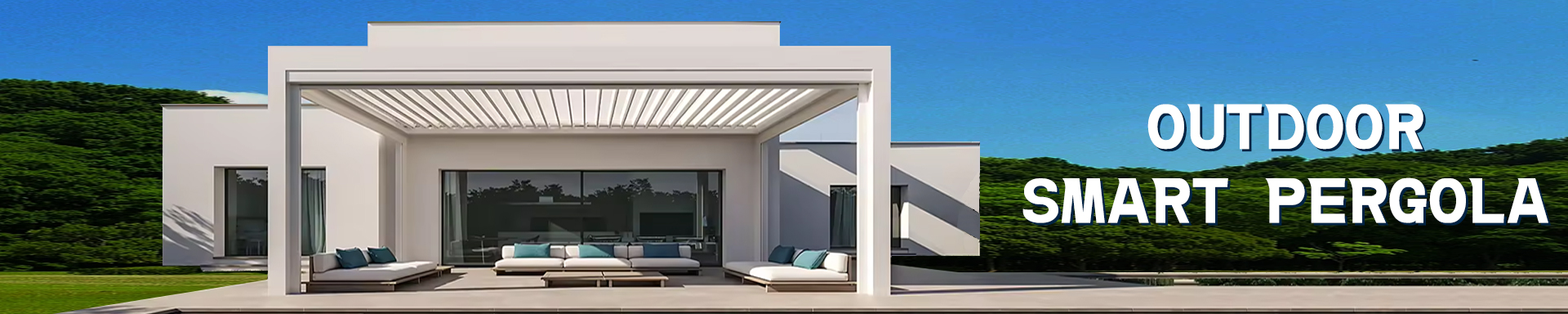
1. Assess Brand Reputation and Track Record
When comparing bioclimatic pergola brands, reputation is a critical factor that directly impacts product reliability and customer satisfaction. A strong market presence and proven track record indicate consistent quality and reliable service, which are essential for long-term outdoor investments.
1.1 Years in Business and Market Presence
Brands with 10 or more years in the pergola market generally demonstrate stable manufacturing processes, supplier relationships, and design expertise. Companies that operate across multiple regions or countries often have tested installation protocols and established quality control standards. For instance, a well-known brand supplying Bioclimatic Pergolas across residential terraces and commercial patios can offer peace of mind because their products have endured varied weather conditions over time.
1.2 Customer Reviews and Verified Testimonials
Authentic customer feedback is one of the most transparent ways to gauge a brand's performance. Look for reviews that provide specific details about installation quality, durability in different climates, and ease of louver operation. Verified testimonials often include:
-
Long-term usage feedback – Customers sharing their 2–5-year experience with their pergolas.
-
Functionality insights – Comments about motorized vs manual louver systems and weather protection effectiveness.
-
Service responsiveness – Reports on how promptly the company addressed technical or delivery issues.
Brands that actively respond to feedback and provide clear evidence of project installations demonstrate accountability and reliability.
1.3 Awards, Certifications, and Industry Recognition
Official certifications and industry awards are concrete indicators of quality and trustworthiness. Look for certifications related to structural safety, corrosion resistance, and weatherproofing standards. Many premium brands offer ISO-certified aluminum frames, powder-coated finishes, and CE compliance to ensure the pergola withstands diverse environmental conditions.
| Brand Feature | Typical Standard | Why It Matters |
|---|---|---|
| Aluminum Frame Coating | Powder-coated or anodized | Ensures long-term corrosion resistance and color retention |
| Motorized Louver Warranty | 5–10 years | Covers mechanical and electronic durability |
| Weatherproof Testing | Simulated wind, rain, and UV | Guarantees performance under real-world outdoor conditions |
Such recognitions, combined with a documented history of large-scale installations, can significantly reduce the risk of post-purchase issues and enhance your confidence in choosing a brand.
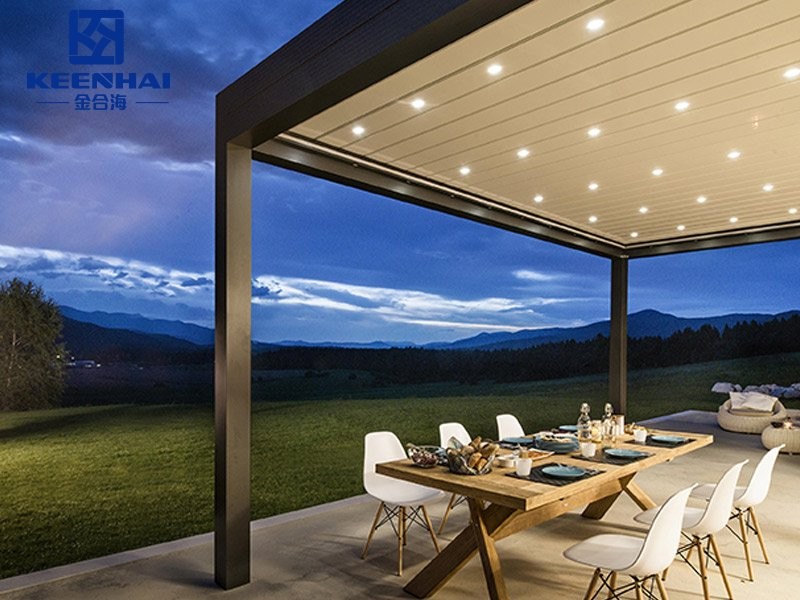
2. Evaluate Product Quality and Material Standards
Choosing a high-quality bioclimatic pergola begins with assessing the materials, louver mechanisms, and protective coatings. Products built with premium materials and engineered adjustment systems provide long-term performance, weather resistance, and minimal maintenance, ensuring that your outdoor space remains functional and visually appealing for years.
2.1 Frame Materials: Aluminum, Steel, or Wood Comparisons
When selecting a frame, aluminum frames are widely regarded as the optimal choice for modern bioclimatic pergolas. Aluminum offers lightweight strength, high corrosion resistance, and compatibility with motorized louver systems. Steel frames provide strength but require more maintenance and rust prevention, whereas wood delivers aesthetic warmth but is prone to warping, rot, and insect damage without constant upkeep.
| Frame Material | Strength | Maintenance | Longevity | Weather Resistance |
|---|---|---|---|---|
| Aluminum | High | Low | 20+ years | Excellent; naturally corrosion-resistant |
| Steel | Very High | Medium | 15–25 years | Requires coatings to prevent rust |
| Wood | Moderate | High | 10–15 years | Vulnerable to moisture and pests |
For outdoor spaces that demand reliability and low upkeep, choosing an aluminum pergola frame ensures both durability and style, whether you opt for a Bioclimatic Pergola on a backyard terrace or a poolside installation.
2.2 Louver System Durability and Adjustment Mechanisms
The louver roof is the core functional feature of a bioclimatic pergola, controlling light, shade, and airflow. When evaluating louver systems:
-
Check material strength – High-grade aluminum or composite louvers resist bending and UV degradation.
-
Assess adjustment options – Compare manual tilt, motorized rotation, or fully automated sensors for sunlight, wind, and rain.
-
Confirm long-term operation – Look for warranty coverage and demonstrated reliability over thousands of adjustment cycles.
For instance, a motorized louver system integrated with weather sensors allows effortless control while ensuring consistent performance, especially in commercial terraces or residential patios exposed to varying climates.
2.3 Coatings, Finishes, and Corrosion Resistance
Protective coatings significantly affect longevity and aesthetics. Powder-coated aluminum finishes provide color retention, scratch resistance, and protection against saltwater or poolside environments. Similarly, anodized or UV-resistant finishes extend durability. While steel requires galvanization or additional treatments, wood must be regularly stained or sealed to maintain its condition.
When comparing brands, verify:
-
Resistance to fading and corrosion under extreme sunlight or moisture
-
Smooth operation of louvers despite exposure to dust, rain, or chlorine
-
Warranty coverage explicitly linked to material and finish performance
Brands that combine high-quality frames with robust louver mechanisms and proven coatings, such as premium Aluminum pergola sunshade solutions, deliver both long-term value and low maintenance.
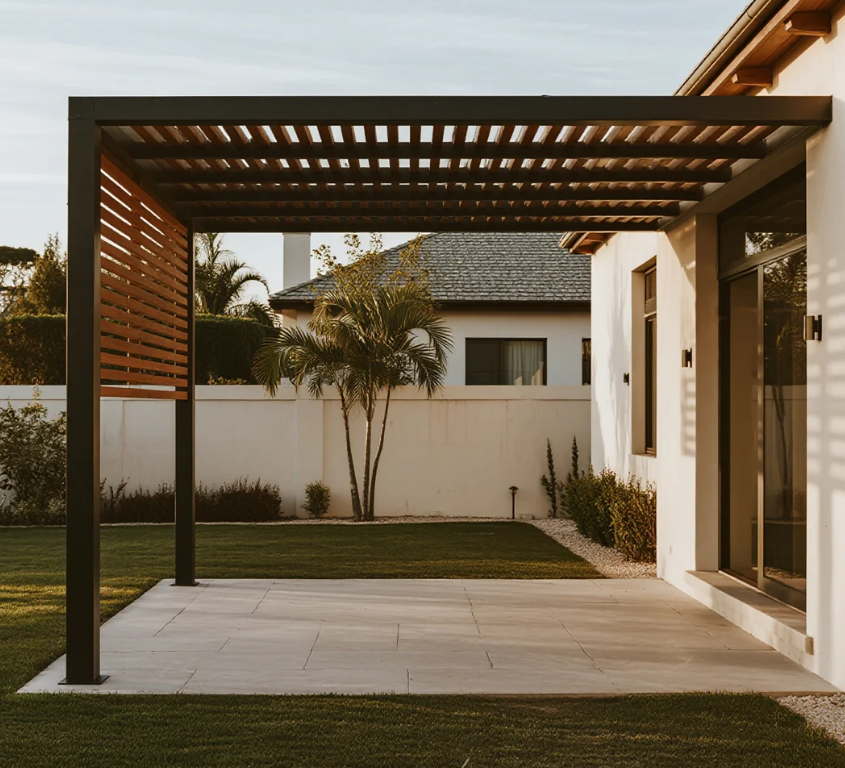
3. Compare Functional Features and Technology
Selecting the right bioclimatic pergola brand involves evaluating functional capabilities and technological features. Advanced systems not only enhance comfort but also ensure ease of use and long-term reliability. Paying attention to motorized controls, automated sensors, and integration options can significantly affect daily usability and maintenance needs.
3.1 Motorized vs Manual Louver Operation
Motorized louver systems provide precise control over sunlight, shade, and airflow, which is especially valuable for terraces exposed to varying weather conditions. Manual louvers may save upfront costs but require physical effort and lack fine-tuned adjustment.
-
Motorized systems typically operate via remote, smartphone, or wall switch.
-
Cycle efficiency – Premium systems withstand 10,000+ open/close cycles without performance loss.
-
Safety features – Auto-stop mechanisms prevent damage from obstructions or strong winds.
For instance, a motorized louver roof integrated with your outdoor space offers a seamless transition between open and closed positions, maximizing comfort whether it’s sunny, windy, or lightly raining. Many top brands, including advanced Bioclimatic Pergola solutions, highlight this as a key differentiator from traditional or manually operated structures.
3.2 Smart Sensors for Rain, Wind, and Sunlight
Smart sensors significantly enhance pergola functionality by automating adjustments according to environmental conditions.
-
Rain sensors detect precipitation and automatically close the louvers to protect furniture and flooring.
-
Wind sensors adjust the roof angle or fully retract louvers to prevent structural strain.
-
Sunlight sensors optimize shade without constant manual operation, improving comfort and energy efficiency.
These sensors provide real-time response, ensuring outdoor spaces remain usable and safe while reducing the need for constant manual adjustments. Brands that integrate reliable sensors deliver predictable performance even in challenging climates.
3.3 Integration with Home Automation Systems
High-end bioclimatic pergolas often offer seamless integration with smart home ecosystems, allowing control through apps, voice assistants, or programmable schedules.
-
Connectivity options – Wi-Fi, Zigbee, or proprietary hubs.
-
Scheduled operations – Automate louver movements based on sunrise, sunset, or weather forecasts.
-
Energy efficiency – Coordinated use with shading and outdoor lighting enhances comfort while lowering energy costs.
Integrating your pergola with home automation ensures that the outdoor space is not just an add-on but a fully connected, intelligent extension of your living environment, delivering consistent comfort and convenience. This makes advanced systems a decisive factor when comparing brands.
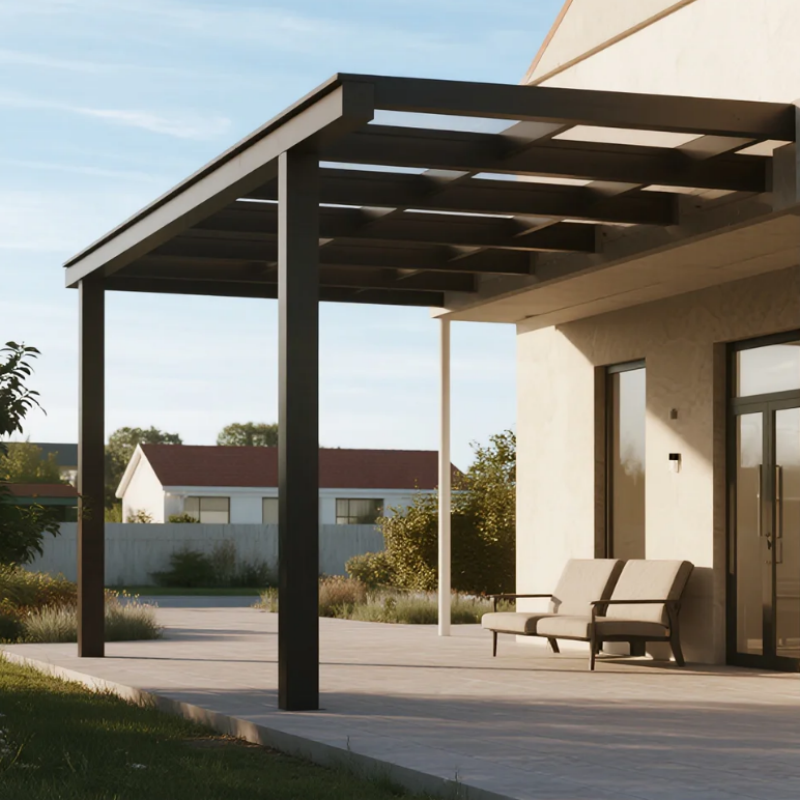
4. Pricing, Warranty, and After-Sales Support
When comparing bioclimatic pergola brands, pricing transparency and post-purchase support are just as critical as material quality and technology. Understanding what’s included in the quoted price, the terms of warranty, and the availability of spare parts helps avoid unexpected costs and ensures long-term satisfaction.
4.1 Transparent Pricing Models and Inclusions
Top brands provide clear pricing structures that outline exactly what is included, preventing surprises. This often covers:
-
Base pergola structure and modular sizes.
-
Motorized or manual louver systems.
-
Optional accessories such as side screens, lighting, or integrated heating.
For example, Bioclimatic Pergola suppliers typically provide a breakdown of costs per component, including delivery and installation options. Comparing prices per square meter and accessory inclusions across brands ensures you select the option that offers the best value for your specific space.
| Component | Typical Cost Range | Notes |
|---|---|---|
| Aluminum frame | $500–$800 per m² | High-grade aluminum resists corrosion |
| Motorized louvers | $300–$600 per m² | Includes remote or app control |
| Side screens & accessories | $150–$400 per unit | Optional, varies by brand |
| Installation | $100–$250 per m² | Depends on site complexity |
4.2 Warranty Coverage and Replacement Policies
Warranty coverage is a major factor when evaluating pergola brands. Premium suppliers often offer 5–10 years for structural components and 2–5 years for motorized systems. Key points to examine:
-
Coverage for corrosion, warping, and structural failure.
-
Replacement policies for defective parts.
-
Conditions for warranty claims (e.g., proper maintenance required).
A brand that provides comprehensive warranty terms not only protects your investment but also reflects confidence in the durability of its products. Always compare warranty conditions side by side to ensure no hidden exclusions.
4.3 Availability of Spare Parts and Technical Support
Long-term usability relies heavily on the availability of replacement parts and responsive technical support. Consider the following when comparing brands:
-
Are spare parts stocked locally or require long lead times?
-
Does the manufacturer offer remote troubleshooting via phone or app?
-
Are maintenance guides and support videos accessible online?
Ensuring prompt access to spare components and expert advice helps avoid downtime and keeps your pergola operating efficiently. Brands that emphasize service and parts availability often provide dedicated support teams that guide installation, maintenance, and troubleshooting.
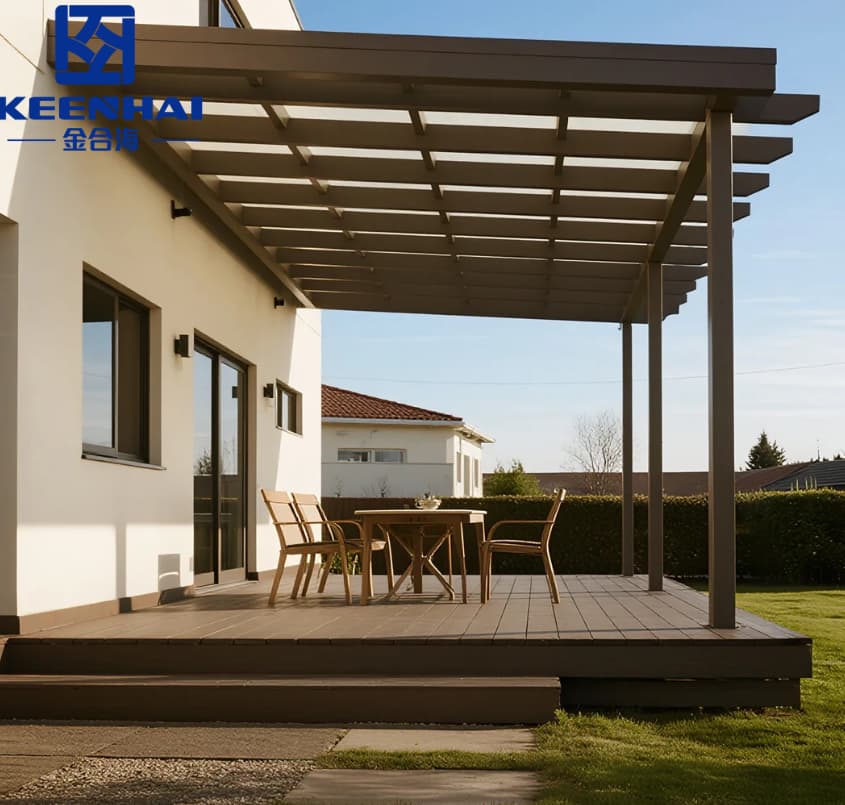
5. Installation Services and Delivery Logistics
Understanding installation options and delivery logistics is essential when comparing bioclimatic pergola brands. Even the best pergola can underperform if installed incorrectly or delayed by shipping. Evaluating professional installation services, DIY guidance, and shipping practices ensures your pergola arrives safely and functions as intended.
5.1 Professional Installation vs DIY Guidance
Top suppliers provide flexible installation options:
-
Professional Installation: Certified technicians handle all aspects, including leveling, anchoring, motorized louver setup, and integration with accessories like side screens or lighting. Benefits include:
-
Reduced risk of structural issues.
-
Warranty coverage often requires professional installation.
-
Accurate calibration of motorized systems.
-
-
DIY Guidance: For those who prefer hands-on assembly, suppliers usually provide step-by-step manuals and video tutorials. This includes detailed instructions for:
-
Positioning support posts.
-
Installing adjustable louvers.
-
Integrating electrical components for motorized systems.
-
Some brands, like Bioclimatic Pergola providers, offer hybrid approaches where professionals assist with critical steps, while you complete the simpler tasks, balancing cost savings with installation accuracy.
5.2 Shipping Times, Packaging, and On-Site Requirements
Efficient delivery and proper packaging are crucial for preventing damage. Key considerations include:
-
Shipping Times: Confirm standard lead times, especially for custom sizes or motorized units. Lead times can range from 2–6 weeks depending on location.
-
Packaging: High-quality crating prevents dents, scratches, and water exposure during transit. Components are often pre-labeled and organized by assembly sequence.
-
On-Site Requirements: Ensure the site is prepared with:
-
Level ground or concrete pads.
-
Access for delivery vehicles and forklifts.
-
Sufficient clearance for crane or lifting tools if installing larger modules.
-
Brands that provide pre-delivery checklists and coordinate logistics reduce the risk of delays and installation errors.
5.3 Regional Service Availability and Local Partnerships
Availability of local support can impact both installation and long-term maintenance. Consider:
-
Regional Coverage: Does the brand have certified installers in your area? Local presence shortens response times for support or repairs.
-
Partnerships: Some brands partner with trusted local contractors for delivery and assembly, ensuring compliance with regional building codes and safety standards.
-
After-Sales Follow-Up: Local partners often provide routine inspection services, adjusting motorized louvers or replacing worn components when needed.
Having reliable local support enhances your pergola’s lifespan and maintains warranty validity, giving peace of mind for residential or commercial projects.