
1. Planning a Budget-Friendly Aluminum Carport
Planning a budget-friendly aluminum carport starts with a clear understanding of your space, needs, and financial limits. Taking the time to map out requirements ensures you get a durable, functional, and visually appealing carport without overspending. By balancing design, materials, and installation methods, homeowners can achieve a high-quality structure while staying within budget.
1.1 Assessing Space and Size Requirements
Before selecting any materials, measure the available space carefully. Consider not only your vehicle’s dimensions but also room for walking around, storage, or future expansion. A standard single-car aluminum carport generally requires about 12x20 feet, while a double-car layout can stretch to 20x20 feet.
When space is limited, a Modern Metal Carport with a narrower footprint but extended roof overhang can protect vehicles without overwhelming your driveway. Mapping your space ensures that your aluminum carport fits seamlessly with your home and landscape.
1.2 Setting a Realistic Budget and Priorities
Budgeting effectively means distinguishing between must-have features and optional upgrades.
-
List core necessities: Roof coverage, posts, and basic framing.
-
Identify optional extras: Gutters, lighting, storage racks, or decorative panels.
-
Allocate funds proportionally: Typically, 60–70% for structure and materials, 20–30% for installation, 10% for enhancements.
| Component | Typical Cost Range (USD) | Notes |
|---|---|---|
| Aluminum Frame & Posts | 1,200–3,500 | Depends on size and gauge |
| Roof Panels | 400–1,200 | Polycarbonate cheaper than metal sheets |
| Installation | 500–1,500 | Prefab kits reduce labor |
| Optional Features | 200–800 | Lighting, gutters, storage |
This approach helps homeowners see exactly where their money goes, allowing them to invest in durability where it matters most while trimming unnecessary costs.
1.3 Choosing Between Prefabricated Kits and Custom Builds
Selecting between a prefabricated kit and a fully custom design influences both cost and flexibility:
-
Prefabricated kits: These come with pre-cut panels, drilled holes, and clear instructions, reducing installation errors and labor costs. Ideal for straightforward layouts or tight budgets.
-
Custom builds: Offer complete control over dimensions, roof style, and extras. They can adapt to unusual spaces or match your home’s architecture but may require skilled labor.
For homeowners seeking both affordability and quality, a Custom Aluminum Carport project often combines prefabricated components with selective customizations. This hybrid approach delivers a personalized look without breaking the bank. Balancing prefabrication with targeted customizations ensures maximum value for your investment.
2. Material Selection and Cost Optimization
Selecting the right materials is critical when customizing an aluminum carport on a budget. Making smart choices ensures structural integrity while minimizing costs. By balancing quality, durability, and affordability, homeowners can create a carport that protects vehicles, blends with the home, and lasts for decades.
2.1 Affordable Aluminum Frame Options
Aluminum frames vary in thickness, alloy composition, and finish, which directly affects both cost and longevity. For budget-conscious projects, 6063-T5 aluminum offers a solid combination of strength, corrosion resistance, and affordability. Thicker gauge frames provide better structural support but increase costs, so balance is key.
Practical tip: Use rectangular or square tube profiles for posts and beams—they provide rigidity at a lower price compared to custom extrusions.
Some homeowners choose Heavy-duty Aluminum Carport structures with selective reinforcement only where needed. For example, reinforcing corners and central beams while keeping side posts lighter reduces costs without sacrificing overall stability. Targeted reinforcement is smarter than overbuilding the entire frame.
2.2 Cost-Effective Roofing Materials
Roofing can consume a significant portion of the budget, but cost-effective choices can deliver both durability and aesthetic appeal:
-
Polycarbonate panels: Lightweight, impact-resistant, and easy to install. They allow natural light and reduce material costs.
-
Aluminum corrugated sheets: Economical and long-lasting, particularly when powder-coated for corrosion resistance.
-
Budget metal panels: Galvanized steel or aluminum options provide solid protection but weigh more and may require stronger frames.
| Roofing Type | Typical Cost (USD) | Advantages | Notes |
|---|---|---|---|
| Polycarbonate Panels | 200–500 | Light, translucent, easy to cut | UV protection recommended |
| Aluminum Corrugated Sheets | 300–700 | Durable, lightweight, affordable | Powder coating extends lifespan |
| Metal Sheets (Steel/Aluminum) | 400–900 | Strong, weather-resistant | Requires sturdy frame support |
By selecting the right roof material, you can maintain a strong, weatherproof carport without overspending, especially when combined with targeted frame reinforcement.
2.3 Choosing Fasteners, Posts, and Panels Wisely
Small components can make or break a budget project. Using high-quality aluminum or stainless steel fasteners prevents corrosion and reduces long-term maintenance. Posts should match frame strength, with optional powder-coated finishes for extra protection.
When it comes to panels, consider:
-
Reusing or pre-cutting panels to minimize waste.
-
Prioritizing essential panels for coverage and protection, adding decorative or extra panels later as the budget allows.
-
Lightweight accessories like gutter systems or side screens can be installed gradually.
For homeowners seeking durability without overspending, combining smart fastener choices with strong but affordable posts ensures stability. Proper selection of minor components prevents unexpected costs down the line and prolongs the life of your aluminum carport.
3. Design Customization Without Overspending
Customizing an aluminum carport doesn’t have to break the bank. By choosing practical styles, minimizing unnecessary extras, and using creative DIY solutions, homeowners can achieve a functional and attractive structure without overspending. Thoughtful design choices can make a big difference in both appearance and long-term usability.
3.1 Simple Roof Styles and Practical Panels
The roof is one of the largest cost factors in any carport. Selecting a simple roof design, like flat or single-slope panels, reduces both material and labor costs. Flat or sloped panels require fewer cuts, less framing, and faster installation.
-
Flat panels are the most budget-friendly and allow easy integration of gutters and drainage systems.
-
Single-slope or gable designs improve water runoff and add visual appeal without excessive framing.
-
Use standardized panels wherever possible. Pre-cut or modular aluminum sheets, such as those used in many Custom Aluminum Carport projects, reduce cutting waste and speed up installation.
By focusing on practical panel choices and simplified roof shapes, you can maintain a strong structure and reduce material waste, which saves both time and money.
3.2 Minimalistic Features that Enhance Functionality
Adding unnecessary frills increases costs quickly, but minimalistic features can boost functionality without overcomplicating construction. For example:
-
Installing lightweight powder-coated posts instead of oversized beams maintains structural integrity at a lower cost.
-
Using side panels or screens selectively provides wind protection and partial privacy without enclosing the entire carport.
-
Consider integrated storage racks or hooks along the sides for tools, bikes, or gardening equipment, giving extra utility for minimal material.
A Modern Metal Carport approach works well here, where clean lines and practical enhancements achieve a contemporary look while keeping expenses in check. Functionality and simplicity often trump elaborate features when working with a budget.
3.3 Creative DIY Additions to Save Costs
DIY additions allow homeowners to add value without high contractor costs. Small, targeted enhancements can transform a simple carport into a multi-purpose structure:
-
DIY gutters and downspouts: Installing your own drainage system protects vehicles and prevents water damage without expensive plumbing work.
-
Solar lighting or motion sensors: Affordable LED solutions improve usability at night while avoiding professional electrical installation fees.
-
Temporary or modular side panels: Use lightweight aluminum or polycarbonate sheets that can be added or removed as needed, letting you upgrade in phases.
By combining smart design choices with DIY enhancements, even a modest budget can produce a durable, attractive, and highly functional aluminum carport. Small investments in creativity yield major long-term savings.
4. Installation Strategies to Reduce Labor Expenses
Reducing labor costs is a key factor when customizing an aluminum carport on a budget. By planning installation steps carefully, selecting efficient foundation methods, and leveraging partial DIY work, homeowners can save both time and money without sacrificing durability. A strategic approach to assembly pays off in speed and cost efficiency.
4.1 Prefabricated vs. Partial DIY Assembly
Prefabricated aluminum carport kits provide most components pre-cut and drilled, allowing for faster installation and less specialized labor. Choosing a prefabricated solution reduces on-site errors and accelerates construction, especially for homeowners with limited tools or experience.
Partial DIY assembly offers another cost-saving approach. By taking on tasks like post placement, panel installation, or minor finishing work yourself, you can significantly reduce labor fees. Consider this workflow:
-
Measure and mark post locations using a laser level for accuracy.
-
Assemble the primary frame first, checking alignment carefully before adding roof panels.
-
Attach roofing sheets or panels gradually, ensuring each is secured before moving to the next.
For example, a Custom Aluminum Carport project can combine prefabricated panels with DIY post installation to cut labor costs by nearly 30%. Strategic splitting of work between prefabrication and DIY makes installation efficient and affordable.
4.2 Efficient Foundation and Drainage Planning
A solid foundation is critical, but you can optimize it for cost savings. Options include concrete piers, gravel pads, or compacted soil with anchors, depending on local soil conditions and carport size. Properly planning drainage also prevents long-term damage and avoids expensive repairs later.
Steps to maximize efficiency:
-
Evaluate soil type and select the minimal foundation method that ensures stability.
-
Install drainage channels or gutters along roof edges to divert rainwater away from the base.
-
Level posts precisely to reduce adjustments during assembly, saving time and effort.
By combining a simple but robust foundation with practical drainage solutions, you protect your investment while controlling upfront labor costs.
4.3 Tools and Team Tips for Faster Setup
Efficiency improves dramatically with the right tools and teamwork. Using cordless drills, torque-controlled screwdrivers, and adjustable scaffolding speeds up assembly and reduces strain.
Key tips:
-
Work in pairs or small teams to lift and secure large panels safely.
-
Pre-organize all fasteners, panels, and beams to minimize on-site searching.
-
Label parts during pre-assembly to ensure each component goes in the correct location the first time.
For a medium-sized aluminum carport, these strategies can cut installation time in half compared to unplanned assembly, while maintaining precise alignment and safety. Even simple Heavy-duty Carport structures benefit from these organization techniques. Good preparation and teamwork are as valuable as high-quality materials.
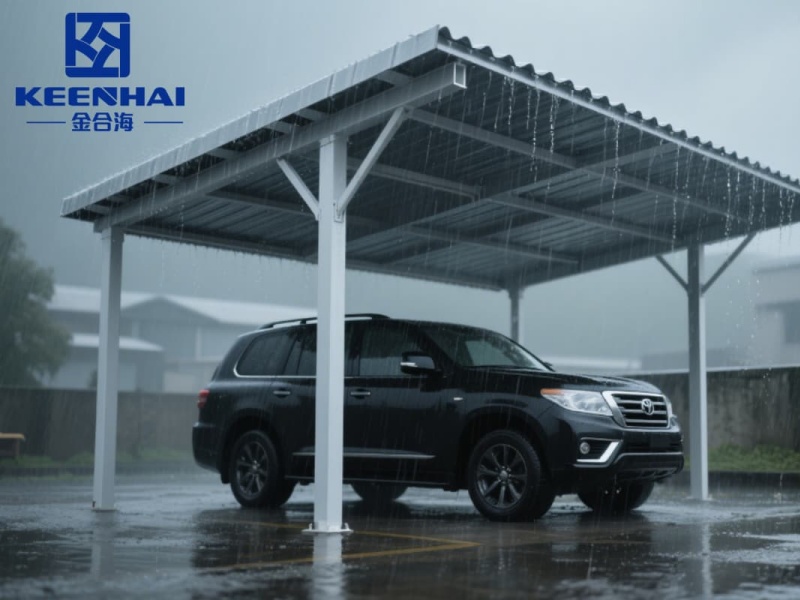
5. Maintenance and Longevity on a Budget
Ensuring your aluminum carport lasts for years doesn't have to break the bank. By applying protective coatings, keeping up with simple cleaning routines, and using smart strategies to prevent wear, homeowners can maximize the lifespan of their structure without extra investment. Consistent upkeep is often more cost-effective than major repairs.
5.1 Low-Cost Protective Coatings
Applying protective coatings is the most affordable way to guard your carport against corrosion, UV damage, and environmental wear. Powder coating remains the most durable choice, but budget-friendly alternatives like clear sealants or weather-resistant paints can provide adequate protection for residential installations.
Steps for effective coating:
-
Clean the aluminum surface thoroughly to remove dirt, grease, and oxidation.
-
Apply a thin layer of sealant or primer evenly with a brush or sprayer.
-
Allow the coating to cure completely before exposing the structure to rain or sun.
For a Custom Aluminum Carport, even a simple protective layer can extend lifespan by 5–10 years, making it a highly cost-effective measure. Protective coatings pay off quickly in longevity and reduced maintenance.
5.2 Simple Cleaning and Inspection Routines
Routine cleaning and inspections prevent small issues from becoming costly repairs. Aluminum is naturally low-maintenance, but leaves, debris, and accumulated dirt can accelerate wear if ignored.
Effective routines include:
-
Monthly rinse: Use a hose or low-pressure washer to remove surface dirt.
-
Quarterly inspection: Check for loose bolts, worn fasteners, or minor scratches.
-
Minor touch-ups: Apply a small amount of protective coating or sealant to any exposed areas.
These straightforward steps ensure your carport remains structurally sound and visually appealing. Even minimal, consistent attention can prevent costly replacements and maintain functionality.
5.3 Extending Lifespan Without Extra Investment
Beyond coatings and cleaning, several strategies help aluminum carports last longer without additional expense:
-
Ensure proper drainage: Keep gutters and roof channels clear to prevent water pooling.
-
Avoid direct contact with corrosive materials: Remove debris and store chemicals away from posts or panels.
-
Regular tightening of fasteners: This prevents structural shifts and panel misalignment.
By following these simple steps, a Heavy-duty Aluminum Carport can maintain peak performance for decades. Longevity often comes down to smart, consistent upkeep rather than costly upgrades.