
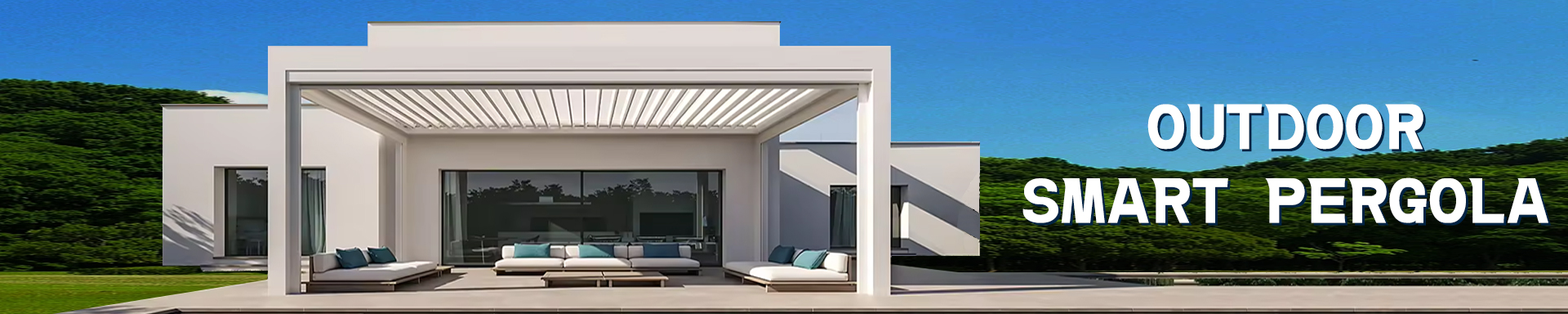
1. Material Advantages of Aluminum over Steel
Aluminum has become a preferred choice for carports over steel due to its combination of light weight, corrosion resistance, and flexibility. Homeowners and builders increasingly choose Custom Aluminum Carport solutions because they deliver long-lasting performance without the heavy maintenance that steel requires. From handling harsh weather to easing installation, aluminum outperforms steel in practical, measurable ways.
1.1 Corrosion Resistance and Longevity
Aluminum naturally forms a protective oxide layer that prevents rust, while steel requires galvanization or paint to resist corrosion. This makes aluminum ideal for areas with high humidity, salty air, or frequent rain.
| Material | Corrosion Resistance | Typical Lifespan | Maintenance Frequency |
|---|---|---|---|
| Aluminum | Excellent | 20–25 years | Low (annual check) |
| Galvanized Steel | Moderate | 15–20 years | Medium (touch-ups, repaint) |
| Standard Steel | Poor | 10–15 years | High (frequent repaint or rust repair) |
-
Inspect the protective coating periodically to ensure no scratches expose bare metal.
-
For coastal or rainy regions, consider powder-coated aluminum for additional UV and moisture resistance.
A homeowner installed a Heavy-duty Aluminum Carport near the ocean, and after five years it still looked pristine, whereas their neighbor’s steel carport already showed rust along edges. Aluminum clearly outlasts steel in demanding conditions.
1.2 Weight and Structural Flexibility
Aluminum weighs roughly one-third of steel, which significantly reduces structural load on foundations. This allows for longer spans without additional support and offers more flexibility in carport design.
-
Longer spans can be achieved without increasing post size, saving materials and installation time.
-
Lightweight frames simplify transportation and reduce labor costs during installation.
-
Aluminum’s malleability allows subtle curves or custom angles, making it easier to match home aesthetics.
A city homeowner chose a Modern Metal Carport with a gently sloped roof. Aluminum’s flexibility made it possible to align perfectly with the existing garage structure, something a steel frame would have required cutting and welding to achieve. The lightweight nature also made DIY installation feasible.
1.3 Ease of Transportation and Installation
Because aluminum is lighter and easier to handle than steel, the logistics of delivering and assembling a carport are simpler and safer.
-
Sections can be carried by 1–2 people instead of requiring heavy machinery.
-
Pre-fabricated panels and beams reduce on-site cutting, ensuring precise fits.
-
Installation times decrease by 20–30% compared to steel structures, especially for single- or double-car carports.
When installing a Heavy-duty Carport in a suburban yard, contractors noted that aluminum panels reduced setup time and minimized foundation strain, which would have been more challenging with steel. Faster installation translates into less disruption and lower labor costs.
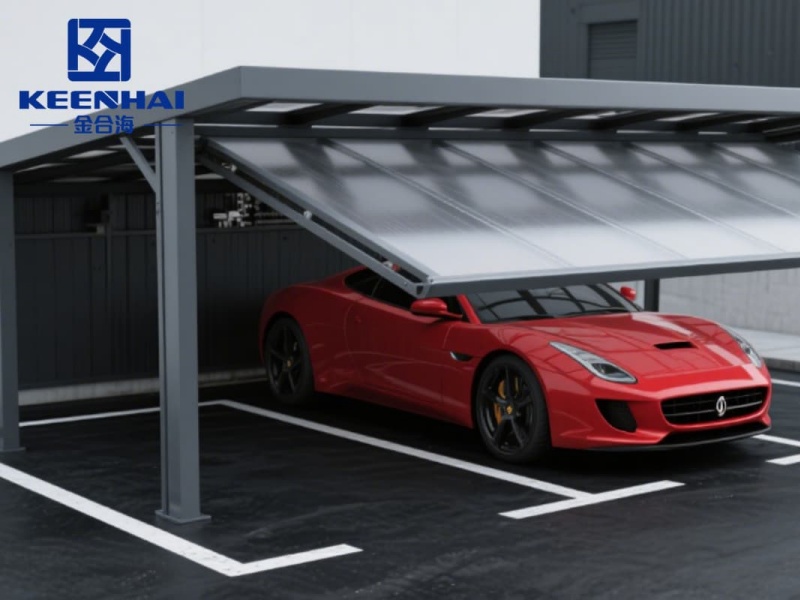
2. Cost and Maintenance Considerations
When comparing aluminum to steel carports, cost and maintenance play a crucial role. Aluminum offers long-term savings that often outweigh slightly higher upfront costs, thanks to minimal upkeep and superior durability. Understanding the investment, ongoing care, and energy performance helps homeowners make a practical choice.
2.1 Initial Investment Comparison
The initial price of an aluminum carport can be slightly higher than standard steel options, but the difference is often justified by longevity and reduced maintenance.
| Material | Average Cost (per sq. ft) | Installation Complexity | Typical Lifespan |
|---|---|---|---|
| Aluminum | $20–$30 | Low–Medium | 20–25 years |
| Galvanized Steel | $15–$25 | Medium | 15–20 years |
| Standard Steel | $12–$18 | Medium–High | 10–15 years |
-
Aluminum’s lighter weight reduces foundation and labor costs.
-
Pre-fabricated aluminum panels simplify delivery and assembly, shortening installation time.
-
Many homeowners opt for a Custom Aluminum Carport to balance upfront investment with long-term value.
Investing in aluminum upfront can save money over the structure’s lifespan, as fewer repairs and replacements are required compared to steel.
2.2 Long-term Maintenance Requirements
Maintenance is where aluminum truly outperforms steel. It resists rust and requires minimal upkeep.
-
Inspect joints, bolts, and fasteners annually to ensure structural integrity.
-
Wash frames and roof panels with water and mild detergent every 6–12 months to remove dust, debris, or salt buildup in coastal areas.
-
Touch up any scratched powder-coated surfaces to prevent minor corrosion, though this is rarely needed.
Steel carports, on the other hand, demand regular painting, rust treatment, and sometimes replacement of compromised parts. A Heavy-duty Aluminum Carport installed in a snowy region maintained its pristine condition for over 10 years with only basic annual cleaning. Minimal maintenance keeps aluminum looking fresh and functional far longer than steel.
2.3 Energy Efficiency and Weather Performance
Aluminum’s reflective surface reduces heat absorption, keeping covered vehicles cooler during summer months. Its corrosion resistance and structural stability also excel under extreme weather conditions.
-
Aluminum panels deflect sunlight efficiently, which can lower surface temperatures by 15–20°F compared to darker steel roofs.
-
Lightweight aluminum frames handle wind loads effectively, and flexible designs absorb snow or rain pressure without warping.
-
Powder-coated or anodized finishes enhance both UV resistance and water repellency, ensuring performance in diverse climates.
A homeowner installed a Modern Metal Carport with reflective aluminum panels, noting that even on 95°F summer days, their cars stayed noticeably cooler than under a traditional steel structure. Aluminum not only outperforms steel structurally but also provides better thermal comfort and weather resilience.
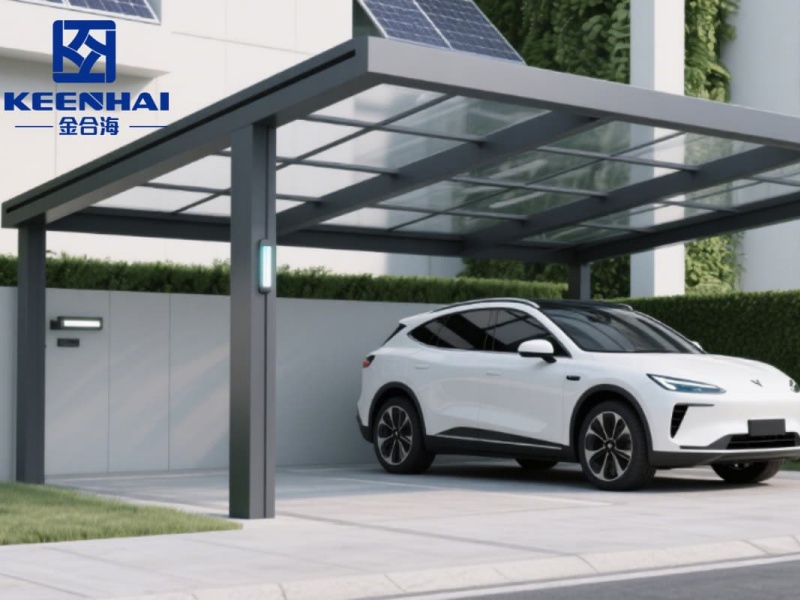
3. Design Versatility and Customization Options
One of the main reasons homeowners choose aluminum over steel is the design flexibility it offers. Aluminum carports allow for a wide range of roof styles, panel options, and personalized features that can integrate seamlessly with your home while maximizing functionality. Thoughtful customization ensures the structure is both visually appealing and highly practical.
3.1 Roof Styles and Panel Options
The roof is a defining feature of any carport, affecting both style and performance. Aluminum allows for a variety of options without adding excessive weight.
-
Roof Types: Flat, gable, sloped, and even curved roofs are feasible with aluminum frames. Curved or sloped designs facilitate water drainage and snow shedding more efficiently than steel of the same thickness.
-
Panel Choices: Polycarbonate panels, metal sheets, or composite materials can be used. Polycarbonate panels are lightweight, UV-resistant, and allow natural light, while metal sheets provide maximum durability.
-
Custom Coatings: Powder-coated aluminum panels come in a variety of colors and finishes, ensuring longevity and style continuity with your home.
A Custom Aluminum Carport with a gently sloped polycarbonate roof was installed in a suburban home, allowing sunlight to filter naturally while keeping cars dry. Aluminum’s flexibility in roof design provides options that steel struggles to achieve without extra reinforcement.
3.2 Integration with Home Architecture
Aluminum carports can be tailored to match the architecture of your home more easily than steel.
-
Match roof angles, fascia lines, and trim colors to existing house features.
-
Adjust dimensions to align with patios, garages, or landscaping elements without structural compromises.
-
Use decorative posts or panel textures to mimic exterior materials such as brick, stone, or wood finishes.
For instance, a Modern Metal Carport was installed next to a contemporary home with minimalistic lines. Aluminum’s lightweight frame allowed precise alignment with the house façade, creating a cohesive visual flow. Seamless integration is easier with aluminum due to its adaptability and ease of modification.
3.3 Additional Features and Accessories
Customization doesn’t stop at structure; it extends to functionality through carefully chosen features.
-
Lighting: Install LED strips, motion-sensor lights, or canopy lighting to enhance usability and safety.
-
Gutters and Drainage: Incorporate built-in gutters or downspouts for efficient water management.
-
Extra Functionality: Add storage racks, bike hooks, side panels, or electric outlets for EV charging.
Steps for adding features:
-
Plan locations to avoid obstructing vehicle entry or movement.
-
Ensure electrical installations comply with local codes and are weather-resistant.
-
Verify that gutters slope correctly to prevent overflow.
A homeowner added side panels and motion-activated lighting to their aluminum carport. This setup improved vehicle protection while providing a well-lit, accessible space at night. Additional features enhance practicality without compromising aesthetics or structural integrity.
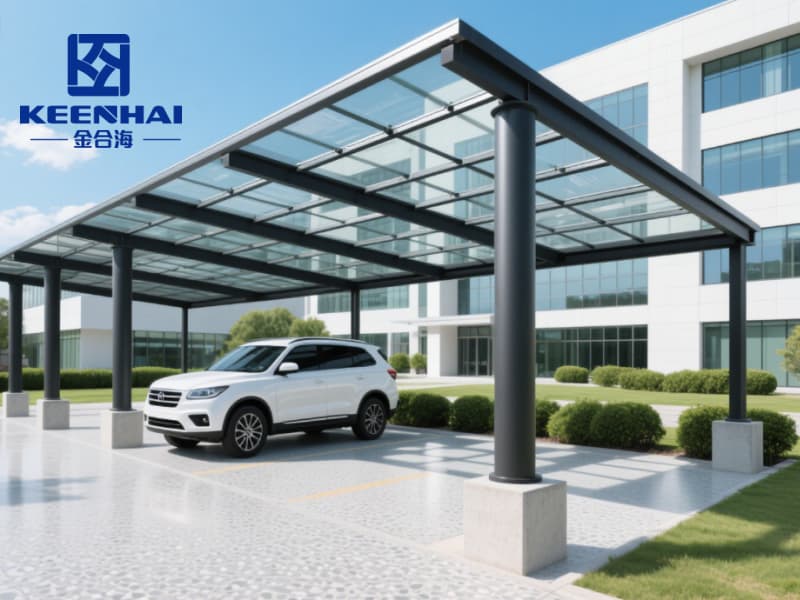
4. Durability and Environmental Performance
Aluminum carports are celebrated not just for flexibility and design but also for their exceptional durability and environmentally friendly properties. Choosing aluminum ensures your structure withstands harsh weather while remaining a sustainable solution. These features make it a smart choice over traditional steel carports.
4.1 Resistance to Weather and Corrosion
Aluminum’s natural oxide layer protects it from rust and corrosion, making it ideal for regions with high humidity, coastal salt exposure, or heavy rain. Unlike steel, which often needs painting or galvanization, aluminum maintains integrity with minimal maintenance.
-
Check for scratches: Occasional inspection for surface damage ensures the protective layer remains intact.
-
Powder coating or anodizing: These finishes add extra resistance against UV rays and acidic rain.
-
Panel choice matters: Polycarbonate or coated aluminum roofing enhances longevity in extreme weather.
A homeowner in a coastal city installed a Heavy-duty Aluminum Carport. Even after several years of salty winds and frequent storms, the carport showed no signs of corrosion. Weather resistance makes aluminum a long-term winner against steel.
4.2 Structural Stability under Loads
Aluminum frames offer impressive strength-to-weight ratios. While lighter than steel, aluminum can support substantial snow, wind, and vehicle loads when designed correctly.
-
Wind resistance: Properly anchored posts and cross beams allow aluminum carports to withstand winds over 90 mph in many regions.
-
Snow loads: Sloped or curved roofs facilitate shedding, and reinforced beams prevent bending under snow accumulation.
-
Load distribution: Aluminum’s flexibility allows slight bending under pressure without permanent deformation, unlike steel, which can crack under stress.
In one suburban installation, a Commercial Aluminum Carport maintained its structural integrity through a heavy snowstorm while a neighboring steel structure suffered minor bending. Aluminum provides both lightweight convenience and robust stability.
4.3 Sustainability and Recyclability
Aluminum stands out as an environmentally responsible choice. It is highly recyclable, and producing recycled aluminum consumes up to 95% less energy than creating new metal. Choosing aluminum carports reduces environmental impact without sacrificing performance.
-
Recycled content: Many aluminum carports use post-consumer or post-industrial aluminum, lowering carbon footprint.
-
Long lifespan: Less frequent replacement reduces resource consumption compared to steel alternatives.
-
End-of-life recycling: Aluminum can be fully recycled into new products, retaining strength and quality.
Homeowners concerned with sustainability often select aluminum for eco-friendly designs. A Custom Aluminum Carport project reused 80% recycled aluminum panels, demonstrating that durability and environmental responsibility can go hand-in-hand.
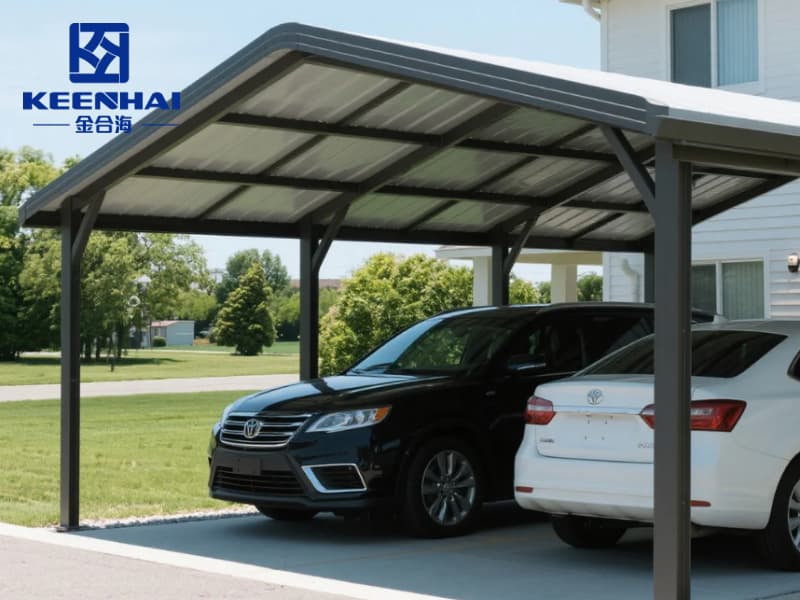
5. Installation and Practical Considerations
Aluminum carports are not only easy to design but also remarkably practical to install. Understanding assembly options, foundation needs, and labor efficiency ensures a smooth construction process while maintaining long-term performance. Proper planning at this stage avoids costly mistakes and improves overall satisfaction.
5.1 Prefabrication vs. On-site Assembly
Choosing between prefabricated aluminum kits and on-site assembly significantly affects installation speed, accuracy, and cost.
-
Prefabricated Panels: These come ready to fit with pre-drilled holes and standardized components, reducing on-site labor and minimizing mistakes.
-
On-site Fabrication: Offers more flexibility for unique dimensions or irregular landscapes but requires more tools, skilled labor, and time.
-
Hybrid Approach: Some homeowners combine prefabricated beams with on-site adjustments to balance precision and customization.
A Heavy-duty Carport installed using prefabricated panels took only two days to set up for a double-car layout, whereas a neighboring steel structure required a full week of assembly. Prefabrication ensures fast, accurate, and less labor-intensive installation.
5.2 Foundation and Drainage Requirements
A durable aluminum carport depends on a solid foundation and effective water management.
-
Concrete Pads: Recommended for permanent structures, usually 4–6 inches thick with embedded anchor bolts.
-
Gravel or Pavers: Suitable for temporary or semi-permanent setups, ensuring minor leveling adjustments.
-
Drainage Planning: Slight slope (1–2%) for roofs and foundation prevents water pooling. Integrate gutters and downspouts to guide rainwater away from vehicles and nearby structures.
Proper foundation preparation prevents shifting, tilting, or frame damage over time. In a suburban home, careful placement of anchors and graded drainage allowed a Commercial Aluminum Carport to remain perfectly stable even during heavy rainfall. Strong foundations and smart drainage extend the lifespan of aluminum carports.
5.3 Time and Labor Efficiency
Aluminum’s light weight and prefabricated components reduce both installation time and labor intensity.
-
Transport lightweight panels in small groups without heavy machinery.
-
Use standard power tools for assembly, reducing reliance on specialized equipment.
-
Multi-person teams can erect a medium-sized carport in a single day when following clear step-by-step procedures:
-
Lay foundation and set anchor points
-
Assemble posts and beams
-
Attach roof panels and secure fasteners
-
Install optional features like gutters or lighting
-
Homeowners and contractors consistently report that aluminum carports cut installation time by 25–30% compared to steel. Time and labor savings make aluminum both a convenient and cost-effective choice.