
1. Planning Your Aluminum Garden Fence Installation
When preparing for an Aluminum Garden Fence installation, the first step is to accurately measure your yard and map out the intended fence line. Use a tape measure to record both length and width, and mark any obstacles such as trees, slopes, or existing structures. This step ensures you order the correct number of panels and avoid costly adjustments later. For yards with irregular shapes, consider drawing a scaled diagram or using garden planning software to visualize panel placement.
1.1 Measuring and Mapping Your Yard
-
Place stakes at all corners to mark your fence perimeter.
-
Measure the total linear footage, including spaces for gates.
-
Identify any elevation changes or uneven ground that might require additional posts or leveling.
-
Record underground utilities or rocks that could affect post placement.
Having a detailed map of your yard allows you to estimate materials and anticipate potential challenges, which saves time and money during installation.
1.2 Selecting Fence Style and Panel Type
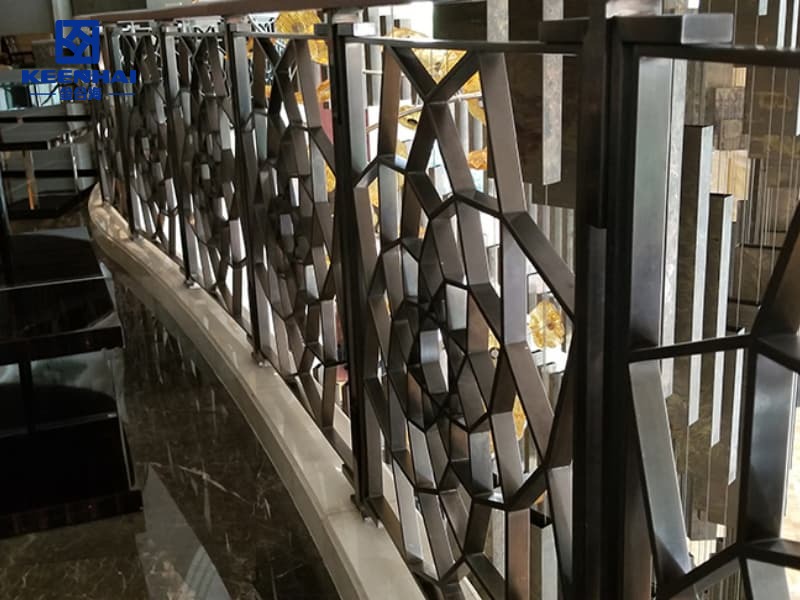
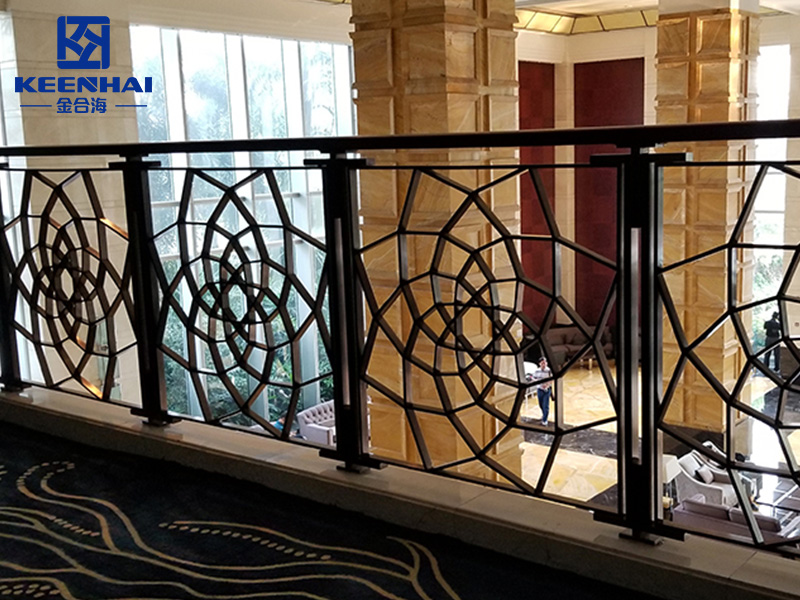
The fence style you choose impacts both aesthetics and cost. Standard aluminum panels provide a modern, durable solution, while decorative panels or carved options add a premium look to your landscape. Consider height, spacing, and whether you prefer simple designs or intricate details for front-facing areas. For custom carved panels, expect higher costs but a more personalized appearance.
| Panel Type | Typical Height | Approx. Cost per Panel | Best Use Case |
|---|---|---|---|
| Standard Aluminum | 4–6 ft | $120–$180 | General residential fencing |
| Decorative Aluminum | 4–6 ft | $200–$350 | Front yards, gardens |
| Custom Carved Panels | 4–6 ft | $400+ | Luxury or decorative areas |
This comparison helps balance budget with desired style while planning your installation accurately.
1.3 Estimating Material and Labor Costs
After measuring and selecting panel types, calculate total project costs. Materials often account for the majority of expenses, while labor varies depending on yard complexity and panel design. Include:
-
Number of panels and posts needed
-
Gate type and associated hardware
-
Labor hours for digging, leveling, and assembly
-
Extra considerations for slopes, rocks, or existing landscaping
For areas with more decorative or carved panels, allocate extra labor for careful placement and finishing. Using premium aluminum panels can increase durability and curb appeal, making the investment worthwhile in the long term.
2. Preparing the Site for Installation
Proper site preparation is crucial for a smooth aluminum garden fence installation. It ensures stability, alignment, and a professional finish. Skipping these steps can lead to uneven panels, sagging gates, or long-term maintenance issues.
2.1 Clearing Vegetation and Debris
-
Remove any grass, weeds, shrubs, or loose debris along the planned fence line.
-
Trim tree branches or bushes that could obstruct panel placement.
-
Dispose of roots or rocks that might interfere with post installation.
Clearing the area thoroughly allows posts to be set securely and panels to sit flush, preventing future misalignment. At this stage, you also want to visualize the final layout to confirm that decorative areas, like where premium or carved panels might go, are unobstructed.
2.2 Leveling the Ground and Slope Adjustments
-
Check the natural slope along the fence line with a level or laser tool.
-
Add or remove soil to create a level surface for post placement.
-
For areas with steeper slopes, consider step or racked panels to maintain consistent height.
-
Compact soil to prevent settling, which can cause panels to shift over time.
Proper leveling not only enhances aesthetics but also protects your investment, especially if you plan to install high-end or decorative panels later. Even minor unevenness can create gaps that affect both privacy and security.
2.3 Marking Post Locations and Spacing
-
Measure and mark post positions using stakes and string lines. Standard spacing is usually 6–8 feet between posts for aluminum panels.
-
Double-check corners and gate locations to ensure accurate alignment.
-
Use spray paint or temporary markers to indicate where each post will go.
By carefully marking post locations, you set a clear roadmap for installation, which reduces errors and minimizes extra labor. This is particularly important for areas with custom panels or decorative carved fence sections, where precise spacing is critical for visual consistency.
3. Installing Fence Posts
Correct post installation forms the backbone of a durable aluminum garden fence. Even minor mistakes here can lead to leaning panels, uneven gates, and costly repairs later.
3.1 Digging Post Holes and Depth Guidelines
-
Use a post hole digger or auger to create holes for each fence post.
-
Standard depth is 24–36 inches, depending on soil type and fence height. For taller panels, deeper holes improve stability.
-
Hole diameter should be roughly 3 times the width of the post, allowing room for concrete or gravel backfill.
Consistent hole depth and width ensures that panels remain level across the fence line. For sloped yards, dig stepped or tiered holes to maintain a uniform top line.
3.2 Setting Posts with Concrete or Anchors
-
Place the post in the center of the hole, ensuring it is upright.
-
Pour quick-set concrete around the post up to ground level, or use metal post anchors for added flexibility.
-
Slightly slope the concrete away from the post to direct water runoff.
-
Allow concrete to cure for 24–48 hours before attaching panels.
Using concrete provides long-term stability even in wet or shifting soil conditions. If you’re installing custom or decorative carved panels, precise post placement is critical for seamless alignment.
3.3 Checking Alignment and Vertical Level
-
Use a level to check that each post is vertical.
-
Align posts along a string line stretched between the first and last post.
-
Recheck spacing between posts to maintain consistent panel fit.
-
Adjust before the concrete sets to ensure perfect alignment along the entire fence line.
Proper alignment guarantees that panels, gates, and decorative elements fit without gaps. Even minor tilts can create noticeable misalignment, especially for premium aluminum fence panels.
4. Attaching Fence Panels
Proper panel attachment ensures your aluminum garden fence remains sturdy, level, and visually consistent. Even high-quality panels can appear misaligned without careful installation.
4.1 Positioning Panels Between Posts
-
Lift the panel carefully and align it with the pre-set posts.
-
Ensure the panel top edge follows the same horizontal plane as adjacent panels.
-
Leave 1/8 to 1/4 inch of clearance at the bottom to accommodate soil, water runoff, and expansion.
-
Check that decorative or custom panels fit flush against posts, especially for custom carved fence or aluminum carved fence sections.
4.2 Securing Panels with Screws, Brackets, or Clips
-
Use galvanized screws or specialized clips recommended by the manufacturer to prevent corrosion.
-
Attach panels at the top and bottom, ensuring brackets are flush and firmly anchored.
-
For longer spans, add middle supports to prevent bowing.
-
Tighten screws incrementally, verifying that the panel remains level throughout.
4.3 Adjusting for Level, Spacing, and Expansion
-
Double-check horizontal and vertical alignment using a level and measuring tape.
-
Adjust spacing slightly if panels are too tight, leaving room for thermal expansion.
-
Walk the length of the fence to visually confirm consistent gaps and level lines.
-
Make final adjustments before fully securing all screws to avoid misalignment later.
Correct attachment and alignment are crucial for durable and visually seamless aluminum fencing, ensuring that your fence maintains its premium appearance over time.

5. Installing Gates and Accessories
Proper gate installation is critical to the functionality and aesthetics of your aluminum garden fence. Even the best panels can fail if gates are misaligned or hardware is installed incorrectly.
5.1 Hanging Gate Panels and Checking Swing
-
Position the gate between the posts and align the top with the fence line.
-
Attach hinges securely, making sure each hinge is level and evenly spaced.
-
Check the swing direction and ensure it opens and closes smoothly without dragging on the ground.
-
Adjust hinge placement or gate height slightly to accommodate soil settling or slope variations.
5.2 Adding Latches, Handles, and Decorative Elements
-
Install latches and handles according to manufacturer instructions, verifying proper engagement and ease of use.
-
Ensure decorative features, such as custom carved fence inserts or ornamental accents, are centered and symmetrical.
-
Use corrosion-resistant hardware to maintain longevity in outdoor conditions.
-
Test all moving parts multiple times to confirm smooth operation and prevent binding.
5.3 Final Inspection and Tightening Hardware
-
Walk along the fence and gate to verify all panels are level, gaps are consistent, and posts remain plumb.
-
Recheck all screws, brackets, and clips, tightening any loose connections.
-
Confirm that thermal expansion has been accounted for and no parts are under undue stress.
-
Perform a final swing and latch test to ensure gate operation is smooth and secure.
Proper installation of gates and accessories ensures your aluminum fencing remains durable, functional, and visually appealing while minimizing future maintenance.
Completing your aluminum garden fence installation correctly ensures long-lasting durability and elegant curb appeal. From careful planning and site preparation to precise post setting, panel alignment, and gate installation, each step contributes to a professional finish. For high-quality materials and a wide selection of designs, visit Keenhai’s Aluminum Garden Fence collection to explore options that fit your yard and style.