
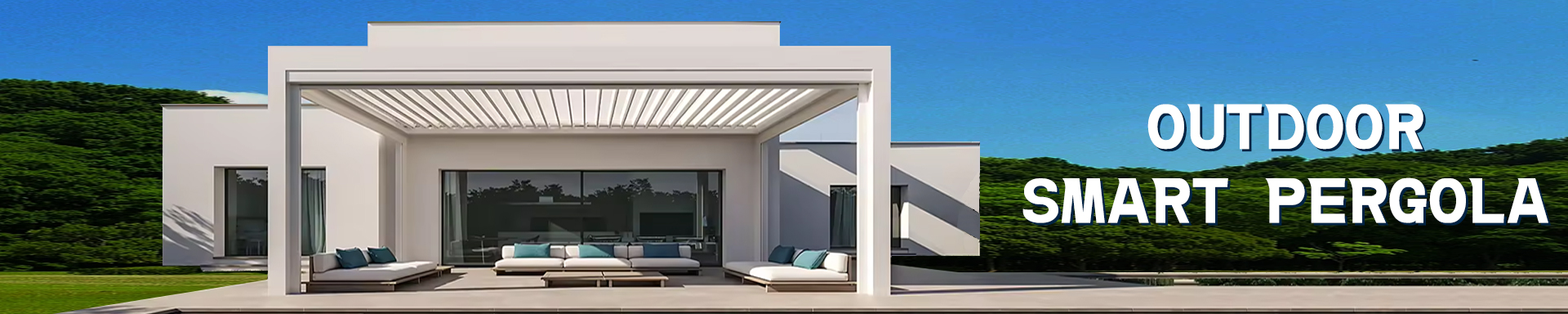
The cost of an Aluminum Patio Sunroom in 2025 ranges widely based on size, materials, and customization. A standard 10x10 ft unit typically costs $8,000–$15,000, while custom layouts with premium glass, reinforced frames, and skylights can reach $20,000–$40,000. Location and labor rates further impact prices, so planning your budget with realistic estimates is essential for a stress-free project.
1. Factors Affecting Aluminum Patio Sunroom Costs
The cost of an Aluminum Patio Sunroom depends on several key factors that homeowners should understand before making a decision. One of the biggest cost drivers is the overall size and design complexity. Larger sunrooms with extended layouts naturally require more aluminum, glass panels, and labor hours. For example, a 12x12 ft standard patio sunroom typically costs significantly less than a custom 20x15 ft design with multiple roof slopes or integrated skylights. Additionally, unique layouts or multi-sided extensions increase both material and installation costs because they demand precision cutting, structural reinforcement, and sometimes custom fabrication.
1.1 Size and Dimensions Impact on Price
The dimensions of your sunroom directly influence the budget. A small 10x10 ft sunroom may fit comfortably in most backyards and cost around $8,000–$12,000, including basic installation. Expanding to 15x20 ft often pushes the price above $20,000 due to additional framing, roofing, and foundation requirements. Height also matters: taller sunrooms need stronger support beams, adding material and labor costs. In practical terms, homeowners often balance size with functionality—extra space is appealing for entertaining or a home office, but every added foot comes with a proportional increase in cost.
1.2 Materials and Frame Quality Considerations
The choice of aluminum grade, frame design, and glass type heavily impacts pricing. Higher-grade alloys like 6063-T5 or 6061-T6 offer superior durability and corrosion resistance but cost more upfront. The table below illustrates typical cost differences for common materials used in Aluminum Sunroom projects:
| Material / Feature | Average Cost Impact | Notes |
|---|---|---|
| Standard Aluminum Frame | Base price | Lightweight, sufficient for small sunrooms |
| Premium Aluminum Frame | +20–30% | Stronger, better finish, longer lifespan |
| Tempered Double-Glazed Glass | +15–25% | Improved insulation and soundproofing |
| Laminated or Low-E Glass | +25–40% | Energy efficient, reduces UV fading |
Choosing high-quality materials pays off in longevity and reduced maintenance. For instance, a backyard sunroom exposed to heavy rain or coastal air benefits from corrosion-resistant aluminum, preventing costly repairs later. When considering upgrades, linking to relevant options like Aluminum Sunroom Outdoor or Aluminum Custom Sunrooms can help homeowners explore premium designs without guessing at compatibility or quality.
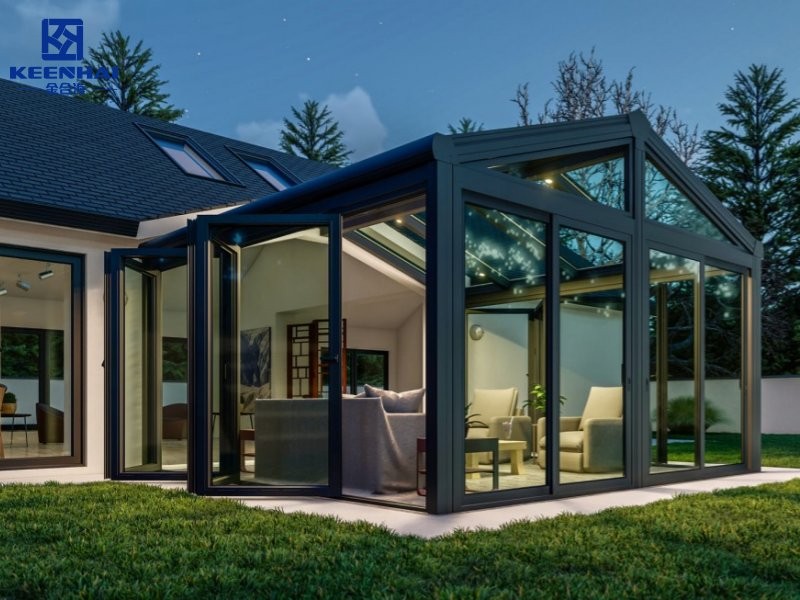
2. Average Price Range for Aluminum Patio Sunrooms in 2025
The cost of an Aluminum Patio Sunroom in 2025 varies widely depending on model type, size, materials, and location. Standard models with predefined sizes and simple roof designs generally cost between $8,000 and $15,000, including basic installation. On the other hand, fully custom layouts with premium materials, integrated skylights, and reinforced framing can push prices to $20,000–$40,000 or more. Knowing these ranges early helps homeowners plan budgets and avoid unexpected expenses.
2.1 Standard Models vs Custom Designs
Choosing between standard and custom sunrooms directly affects your budget. Standard units usually come with modular panels and factory finishes, making installation faster and more predictable. Custom designs require precise measurements, specialty glass, and skilled labor, which naturally increases costs.
The table below shows typical cost ranges and features for each type:
| Model Type | Average Price Range | Key Features |
|---|---|---|
| Standard Aluminum Patio Sunroom | $8,000–$15,000 | Predefined sizes, simple roof, basic finishes |
| Custom Aluminum Patio Sunroom | $20,000–$40,000+ | Tailored layout, premium materials, skylights |
For example, a 12x16 ft custom sunroom with double-glazed windows and reinforced aluminum frames can cost around $28,000, whereas a standard 10x10 ft unit with similar finishes may only be $10,500. Linking to Aluminum Custom Sunrooms helps homeowners explore tailored designs without guessing at compatibility or durability.
2.2 Regional Price Differences
Regional factors also play a critical role in pricing. Labor rates, permitting fees, and material availability vary by location. Here’s what homeowners should consider:
-
Urban vs Suburban Labor Costs – Urban areas often charge 20–30% more for installation due to higher labor rates and stricter building codes.
-
Coastal Requirements – Sunrooms near the coast may need corrosion-resistant aluminum to withstand salty air, adding $2,000–$5,000 to material costs.
-
Delivery and Accessibility – Remote or hard-to-reach locations can increase shipping fees for glass panels and custom components by several hundred dollars.
In practical terms, a homeowner in California might budget around $32,000 for a 15x20 ft custom sunroom, while a similar setup in Texas may cost $25,000 due to lower labor and shipping costs. Homeowners often balance location-specific costs with their desired size and materials to optimize both performance and budget. For outdoor-oriented layouts, exploring Aluminum Sunroom Outdoor designs can provide realistic price expectations and inspire backyard setups without guesswork.
3. Additional Installation and Labor Costs
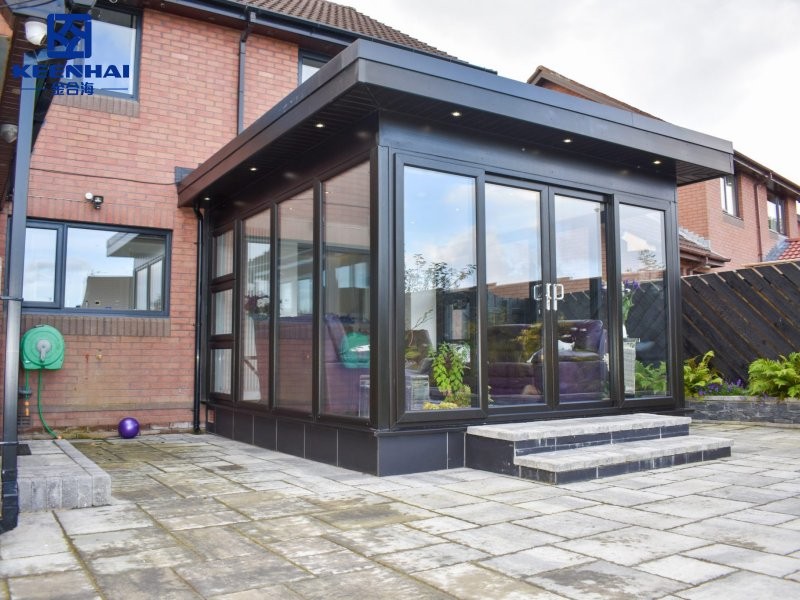
When planning an Aluminum Patio Sunroom, installation and labor costs can significantly affect your total budget. Even with the right materials and design, poor planning or underestimating labor fees may result in unexpected expenses. Understanding these costs upfront allows homeowners to plan efficiently and avoid surprises. Installation costs generally account for 20–35% of the total project price, depending on complexity, location, and contractor experience.
3.1 Professional Installation Fees
Hiring a professional installer ensures structural integrity and long-term durability. Here’s what homeowners should expect:
-
Labor Rates – Professional installers typically charge between $50–$100 per hour. Complex custom designs or multi-level roof structures increase labor hours.
-
Installation Time – A standard 10x10 ft unit can take 2–3 days, while a 15x20 ft custom design may require 5–7 days.
-
Additional Services – Some contractors offer assembly, glass fitting, and final sealing as part of the package, which can add $1,000–$2,500 to the overall cost.
For example, a backyard project with reinforced framing and double-glazed windows might cost $5,000 in labor alone, emphasizing why professional installation is often worth the investment.
3.2 Site Preparation and Foundation Costs
Site preparation is just as critical as the installation itself. A well-prepared foundation prevents water damage, settling, and structural issues. Homeowners should consider the following steps:
-
Clearing the Area – Remove debris, vegetation, and old structures to create a flat workspace.
-
Leveling and Grading – Proper leveling ensures water runoff and stability, costing $500–$1,500 depending on terrain.
-
Foundation Installation – Concrete slabs or reinforced footings are common, with costs ranging from $1,500 to $4,000 for a medium-sized sunroom.
-
Utility Considerations – Running electrical lines for lighting, heating, or fans can add $300–$1,000.
For practical planning, a 12x16 ft sunroom on uneven soil may require $3,500 in site prep and foundation work, while a flat backyard could be done for $1,800. These costs are critical to include when calculating the total price. Using high-quality site preparation ensures your Aluminum Patio Sunroom remains safe, level, and durable for years.
4. Optional Features That Increase Costs
Adding optional features to your Aluminum Patio Sunroom can significantly enhance comfort and aesthetics, but they also raise the overall cost. Homeowners often overlook these extras when budgeting, which can create surprises later. Knowing which upgrades truly add value helps you prioritize features that matter most. Popular options include enhanced glass types, roofing systems, ventilation, and various interior accessories.
4.1 Glass Type, Roofing, and Ventilation Upgrades
Glass selection and roof quality directly influence cost and energy efficiency. Consider the following upgrades:
-
Double-Glazed or Low-E Glass – Improves insulation, reduces UV damage, and can add $1,500–$3,000 depending on size.
-
Laminated or Tempered Glass – Adds durability and safety, costing $2,000–$4,000 for mid-sized units.
-
Roofing Enhancements – Options like polycarbonate panels, insulated roofing, or sloped designs increase structural complexity and cost by $1,000–$3,500.
-
Ventilation Upgrades – Motorized vents or automated louvers improve airflow and comfort, adding $500–$1,200.
For example, a 12x16 ft sunroom with double-glazed tempered glass, insulated sloped roofing, and automated vents may increase the project budget by $5,500–$7,000, but it dramatically improves comfort, energy efficiency, and long-term durability.
4.2 Accessories: Lighting, Blinds, and Heating Options
Interior accessories provide convenience and style, but each comes with additional cost. Key considerations include:
-
Lighting Solutions – Recessed LED lights, track systems, or mood lighting can add $300–$1,200 depending on complexity.
-
Blinds or Shades – Motorized or manual options help control sunlight and temperature, costing $400–$1,000.
-
Heating Options – Wall-mounted or floor-mounted heaters, or radiant floor heating, can add $500–$2,500 based on system size and energy source.
In real-life setups, homeowners often balance aesthetics and function. A sunroom with custom blinds and integrated LED lighting in a suburban backyard may cost an extra $1,500, while a fully equipped unit with heating can easily add over $3,000. Prioritizing upgrades based on daily usage ensures the Aluminum Patio Sunroom remains functional, comfortable, and within budget.
5. Cost-Saving Tips and Budget Planning
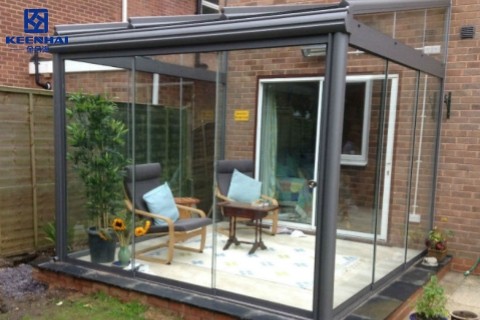
Planning a budget for an Aluminum Patio Sunroom doesn’t have to be overwhelming. By strategically choosing materials, design, and installation methods, homeowners can maximize value while minimizing unnecessary costs. Focusing on what truly affects long-term durability and comfort ensures your investment pays off.
5.1 Choosing the Right Size and Materials
Size and material selection are the most straightforward ways to control costs. Consider the following:
-
Right-Size Your Sunroom – Instead of automatically opting for the largest space, analyze your usage needs. A 12x14 ft unit often meets daily living or entertainment purposes without dramatically increasing costs.
-
Material Choices – Standard aluminum frames with tempered glass offer a balance between durability and budget, while premium alloys and Low-E glass should be reserved for high-traffic or harsh weather areas.
-
Avoid Over-Engineering – Simplifying roof slopes or reducing unnecessary extensions can save thousands without sacrificing functionality.
For instance, a backyard sunroom designed for casual dining and relaxation might save $4,000–$6,000 simply by optimizing size and using standard tempered glass instead of laminated upgrades.
5.2 DIY vs Hiring Professionals
While professional installation guarantees quality, some homeowners can save by handling minor tasks themselves. Here’s a practical approach:
-
Prep Work DIY – Clearing the site, leveling small areas, or removing obstacles can cut $500–$1,000 in labor costs.
-
Partial Assembly – Some standard models allow homeowners to assemble panels or fit minor components themselves while leaving structural assembly to professionals.
-
Professional Oversight – Hiring certified installers for critical tasks such as foundation pouring, heavy lifting, and glazing ensures safety and compliance, avoiding costly mistakes.
A realistic example: Homeowners who DIY site prep and minor assembly for a 12x12 ft Aluminum Patio Sunroom can reduce labor expenses by 15–20%, translating to $1,000–$2,500 in savings. Balancing DIY efforts with professional oversight provides both cost savings and peace of mind.