
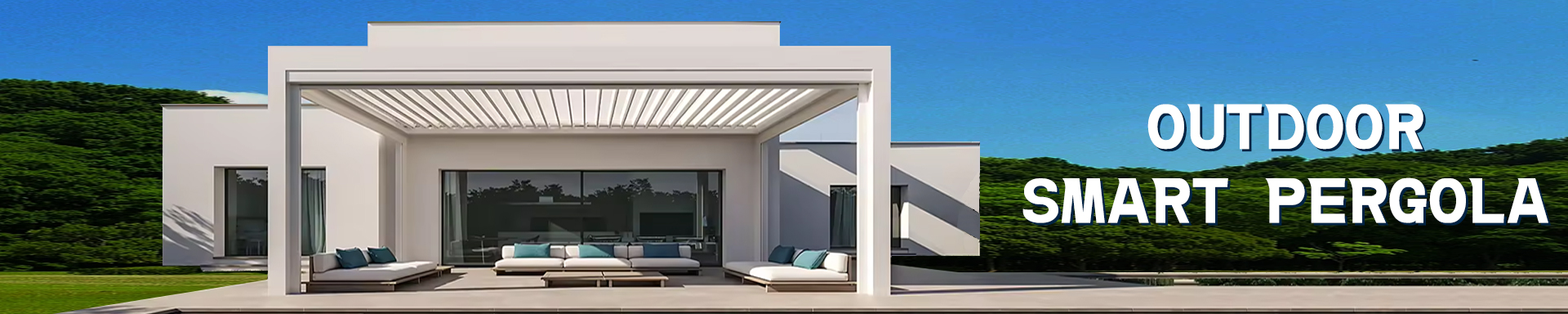
When comparing long-term value, aluminum sunrooms maintain structural integrity and energy efficiency with minimal intervention. Wooden sunrooms, while visually appealing, can incur high maintenance and repair costs over time. Factoring in durability, comfort, and cost-effectiveness, aluminum patio sunrooms generally offer better value for homeowners who want a reliable, modern, and low-maintenance outdoor living solution.
1. Structural Strength and Durability Comparison
When it comes to choosing between an Aluminum Patio Sun room and a wooden sunroom, structural strength and durability are critical considerations. Aluminum frames offer exceptional resistance to weather, moisture, and corrosion, making them ideal for regions with high rainfall, humidity, or seasonal temperature swings. In contrast, wooden sunrooms, while aesthetically pleasing, require ongoing treatment to prevent rot, warping, and insect damage.
1.1 Resistance to Weather and Moisture
Aluminum sunrooms excel under harsh weather conditions. Their corrosion-resistant alloy can withstand rain, snow, and UV exposure with minimal maintenance. Wooden sunrooms, however, absorb moisture and are prone to swelling or decay if not properly sealed. Homeowners in coastal or rainy areas often choose aluminum for its resilience, while wood is better suited for dry climates or indoor-adjacent extensions.
| Feature | Aluminum Patio Sunroom | Wooden Sunroom |
|---|---|---|
| Moisture Resistance | High – Resists rot and warping | Moderate – Requires sealing and painting |
| UV & Weather Resistance | Excellent – No fading or cracking | Fair – Sun and rain can cause discoloration |
| Maintenance Frequency | Low – Occasional cleaning | High – Annual sealing and painting needed |
| Structural Integrity Over 20 Years | Excellent | Moderate – Prone to warping and insect damage |
In practice, a 12x16 ft backyard sunroom with aluminum framing can last over 20 years without major repairs, while a wooden unit of the same size may need at least two rounds of refinishing and pest treatment over the same period.
1.2 Lifespan Expectations of Aluminum vs Wood
The long-term lifespan of a sunroom heavily influences its total cost of ownership. Aluminum units typically last 20–30 years, maintaining strength and appearance with minimal upkeep. Wooden structures may initially cost less but face ongoing maintenance and repair expenses, which can add up over time. For homeowners seeking a durable, low-maintenance option, choosing a premium aluminum sunroom ensures structural integrity and peace of mind for decades.
Installing a custom outdoor aluminum sunroom in a backyard with frequent rain can prevent water damage issues that a wooden sunroom would require yearly attention for, effectively saving both time and money while keeping the structure safe and visually appealing.
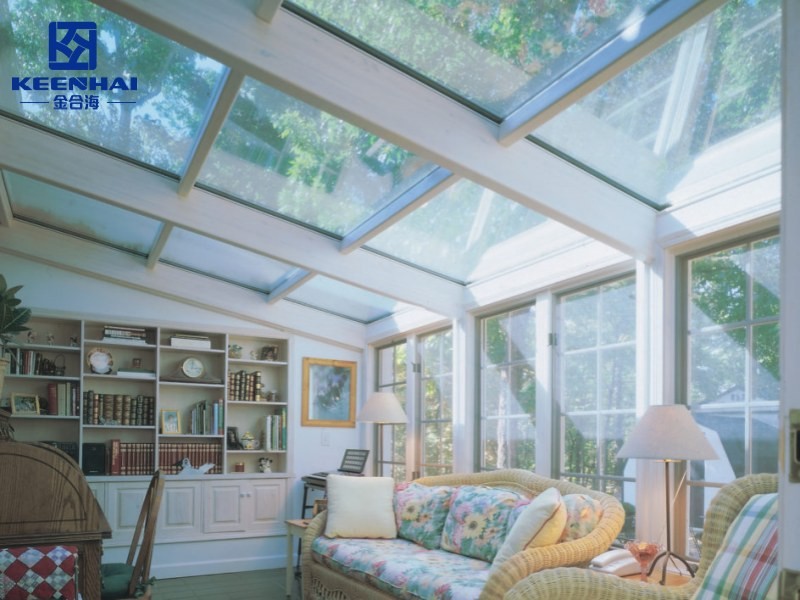
2. Maintenance Requirements and Long-Term Care
When evaluating an Aluminum Patio Sun Room versus a wooden sunroom, maintenance demands can significantly affect long-term satisfaction and costs. Aluminum sunrooms are designed for minimal upkeep, usually requiring only occasional cleaning to remove dust and debris. Wooden sunrooms, by contrast, need ongoing attention, including sealing, painting, and inspecting for water damage or insects. Choosing the right material upfront prevents costly repairs and keeps the sunroom looking new.
2.1 Cleaning, Sealing, and Painting Needs
Aluminum frames are virtually maintenance-free. A simple wash with mild soap and water twice a year removes dirt, pollen, and environmental residue. Wooden sunrooms, however, require 1–2 times per year sealing or painting to maintain water resistance and appearance. Neglecting these tasks can lead to warping, cracking, and mold growth, particularly in humid or rainy areas.
| Maintenance Task | Aluminum Patio Sunroom | Wooden Sunroom |
|---|---|---|
| Cleaning | Twice a year | Twice a year |
| Sealing/Painting | Not required | 1–2 times per year |
| Inspection for Damage | Occasional visual check | Annual detailed check |
| Expected Maintenance Cost over 10 Years | $200–$400 | $2,000–$4,000 |
For example, a 10x12 ft aluminum sunroom installed in a coastal area will require minimal upkeep, whereas a similarly sized wooden unit could demand $300–$500 in annual maintenance just to stay in good condition.
2.2 Pest and Corrosion Considerations
Aluminum excels at resisting corrosion and pest damage, making it ideal for humid or insect-prone environments. Wooden sunrooms are naturally susceptible to termites, carpenter ants, and mold, requiring regular inspections and treatments. Using protective coatings can help, but it adds cost and effort.
Practical tip: For homeowners installing a custom outdoor aluminum sunroom in a backyard prone to moisture, the corrosion-resistant frame ensures longevity and prevents the need for chemical treatments or structural repairs, unlike wooden counterparts that may degrade faster.
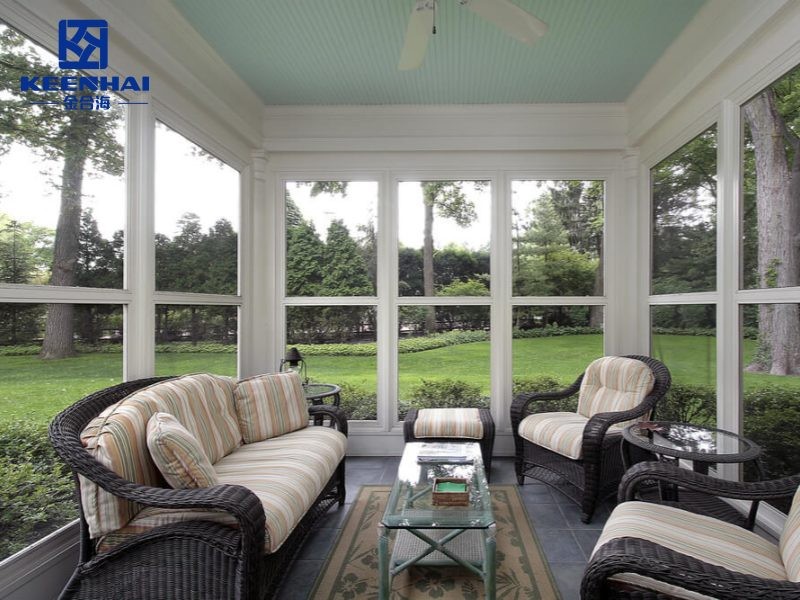
3. Cost Analysis: Initial and Long-Term Expenses
Choosing between an Aluminum Patio Sunroom and a wooden sunroom requires careful consideration of both initial construction costs and long-term expenses. Aluminum sunrooms generally have a higher upfront cost due to durable corrosion-resistant materials, precision engineering, and optional premium features. Wooden sunrooms may initially cost less, but ongoing maintenance, sealing, and repair expenses often make them more expensive over a 10–20 year period.
3.1 Material and Construction Costs
-
Aluminum sunroom frames cost approximately $20–$35 per square foot for standard models, with custom layouts reaching $40–$55 per square foot depending on glass type, roofing, and optional features.
-
Wooden sunrooms typically start at $15–$25 per square foot for high-quality lumber, but irregular supply and protective treatments can increase costs by 10–20%.
-
Additional construction costs include foundation, site preparation, and professional installation. Aluminum units often require precise leveling, while wooden units may need extra reinforcement to prevent warping over time.
| Cost Component | Aluminum Patio Sunroom | Wooden Sunroom |
|---|---|---|
| Base Material | $20–$35 / sq ft | $15–$25 / sq ft |
| Custom Features | $40–$55 / sq ft | $25–$35 / sq ft |
| Installation | $2,000–$5,000 | $1,500–$4,000 |
| Foundation & Prep | $1,500–$3,500 | $1,000–$3,000 |
A 12x16 ft aluminum sunroom can range from $24,000–$35,000 fully installed with standard glass and roofing, whereas a similar wooden structure may cost $20,000–$28,000 initially but requires extra effort to maintain over time.
3.2 Maintenance and Repair Costs
-
Aluminum sunrooms demand minimal long-term expenses, mostly occasional cleaning and periodic inspection. Estimated 10-year maintenance costs are $200–$400.
-
Wooden sunrooms require annual sealing, painting, and pest treatment, which can total $2,000–$4,000 over the same period.
-
Structural repairs for wooden units, such as replacing warped or rotted panels, may add $500–$1,500 every 5–7 years. Aluminum units rarely need such repairs, preserving both appearance and integrity.
In summary, while wooden sunrooms may appear cheaper upfront, the total cost of ownership over two decades often favors high-quality aluminum patio sunrooms due to durability, lower maintenance, and resistance to environmental factors.
4. Design Flexibility and Customization Options
When it comes to Aluminum Sunroom versus wooden sunrooms, design flexibility is a major deciding factor. Aluminum offers modern aesthetics, clean lines, and the ability to create large, open spaces without compromising structural integrity. It accommodates a wide range of roof styles, glass options, and integrated features, making it ideal for homeowners seeking both durability and style. Wooden sunrooms, on the other hand, provide a classic, warm look but require careful planning to avoid structural issues with larger spans or heavy roofing.
4.1 Aluminum Sunroom Design Possibilities
-
Modular Layouts: Aluminum frames can be configured into L-shapes, U-shapes, or multi-level extensions without losing stability.
-
Glass Options: From tempered glass to low-E or tinted panels, homeowners can control sunlight, heat, and privacy.
-
Roof Styles: Sloped, gable, or flat roofs are feasible, with integrated rain gutters or ventilation.
-
Integrated Features: LED lighting, automated blinds, and heating options can be seamlessly added.
| Feature | Aluminum Sunroom | Wooden Sunroom |
|---|---|---|
| Maximum Span Without Support | 20+ ft | 12–15 ft |
| Glass Integration | Easy – multiple types | Limited – heavier glass may require extra support |
| Modular Extensions | Highly flexible | Moderate – may need reinforcement |
| Custom Finishes | Powder-coated colors, anodized options | Painted, stained, or natural wood |
A premium aluminum patio sunroom can easily accommodate large sliding glass doors or multi-paneled windows, maintaining structural integrity while creating an open, airy feel, something that is more challenging to achieve with traditional wood.
4.2 Wooden Sunroom Aesthetics and Modifications
Wooden sunrooms shine in warmth and natural beauty, with grain patterns and textures that add character to any backyard or garden space. Modifications like trim details, custom arches, or decorative beams are easier to craft, giving a personalized, artisan feel. However, larger spans require additional supports, and heavier roofs can increase long-term maintenance demands. Wood also limits modern integrations, such as motorized blinds or advanced lighting, without significant customization.
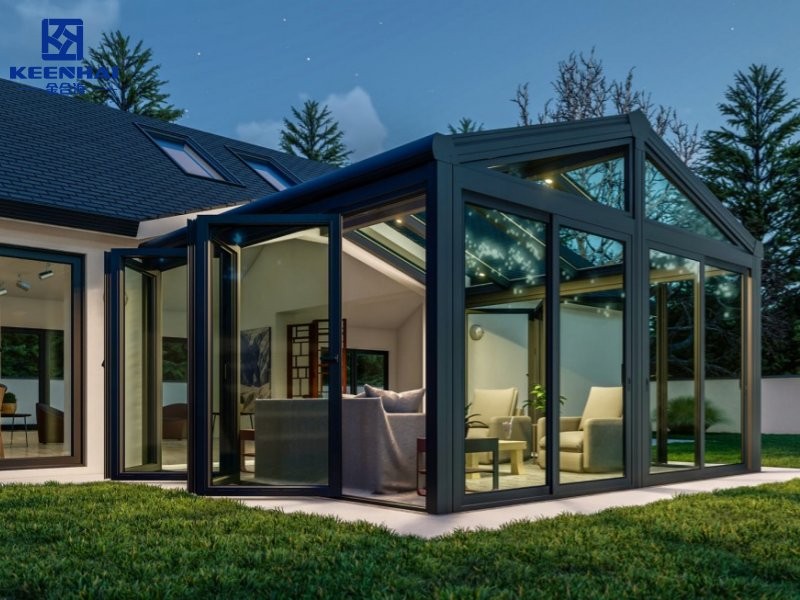
5. Energy Efficiency and Comfort
Energy efficiency is a key factor when choosing between an Aluminum Patio Sunroom and a wooden sunroom. Aluminum frames paired with double or triple-pane low-E glass provide excellent insulation, keeping interiors cooler in summer and warmer in winter. Wooden sunrooms naturally insulate, but their efficiency can degrade over time due to warping, gaps, or moisture absorption. Homeowners looking for consistent year-round comfort often favor aluminum for its stable thermal performance.
5.1 Insulation and Thermal Performance
-
Aluminum sunrooms can incorporate thermal breaks within the frame to reduce heat transfer.
-
Glass selection plays a critical role: double-pane low-E glass reduces energy loss, while tinted or reflective coatings minimize solar heat gain.
-
Wooden sunrooms rely on natural insulating properties, but expansion or contraction over seasons can create gaps, reducing energy efficiency.
| Feature | Aluminum Patio Sunroom | Wooden Sunroom |
|---|---|---|
| U-Value (Thermal Insulation) | 0.25–0.35 | 0.40–0.50 |
| Solar Heat Gain Coefficient | 0.20–0.35 | 0.30–0.45 |
| Energy Loss Over 10 Years | Low – stable performance | Moderate – can increase if maintenance is neglected |
| Comfort Consistency | High | Variable – depends on maintenance and sealing |
In practical terms, an aluminum sunroom equipped with low-E glass and proper sealing maintains a stable indoor temperature with minimal energy use, whereas a wooden sunroom might require additional heating or cooling adjustments during extreme weather.
5.2 Ventilation and Climate Control
Proper airflow enhances comfort and reduces condensation. Aluminum sunrooms can integrate operable windows, roof vents, and automated blinds for precise climate control. Wooden sunrooms may achieve similar results, but modifications are more complex and often require reinforcement. Homeowners who want a combination of natural light, fresh air, and stable indoor temperatures find aluminum sunrooms more versatile and low-maintenance for achieving a comfortable environment year-round.