
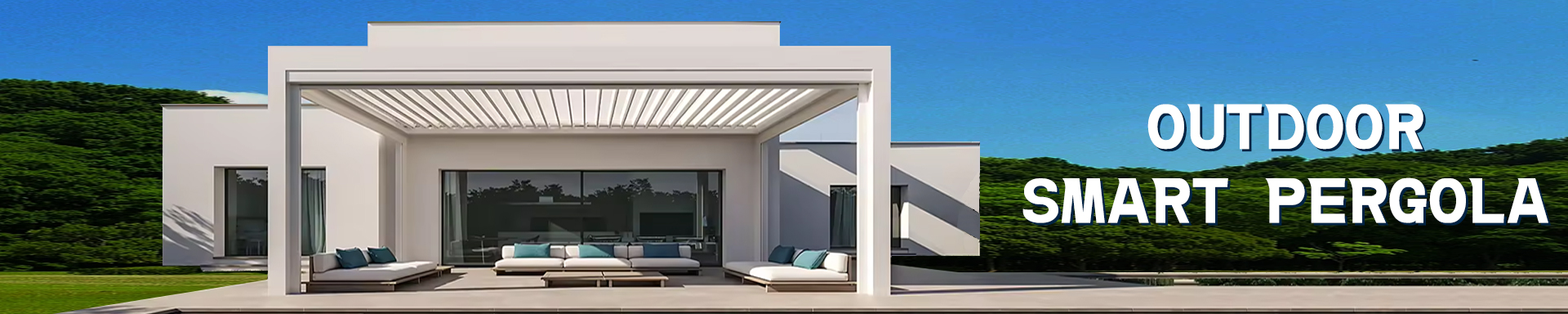
1. Key Advantages of Aluminum Outdoor Sunrooms
1.1 Lightweight Yet Strong Frame Structure
A high-quality Aluminum Outdoor Sunroom is built with precision-engineered aluminum framing, offering an exceptional strength-to-weight ratio. Despite being lightweight, the structural rigidity allows it to handle wind loads up to 110 mph and moderate snow accumulation without warping or rusting. This balance makes installation easier—foundations don’t need heavy reinforcement, which helps cut down labor and material costs.
For example, a 200 sq ft model can typically be installed within 3–4 days, compared to a similar-sized wood frame that can take over a week due to added reinforcement needs. Contractors also prefer aluminum frames for remodels because they can be prefabricated and adjusted on-site with minimal cutting or welding.
| Material Type | Average Frame Weight per sq ft | Max Load Capacity | Installation Time |
|---|---|---|---|
| Aluminum | 2.8–3.2 kg | 110 mph wind / 30 psf snow | 3–4 days |
| Wood | 4.6–5.1 kg | 85 mph wind / 25 psf snow | 6–8 days |
1.2 Excellent Weather and Corrosion Resistance
Unlike wood or vinyl, aluminum resists moisture, heat, and salt corrosion—making it a smart option for coastal or humid regions. Its powder-coated finish forms a non-porous surface that prevents oxidation and peeling, keeping the structure looking new for over 20 years with minimal upkeep.
If you live near the coast or in regions with frequent rain, a modern aluminum sunroom eliminates the need for constant repainting. For harsher climates, manufacturers often use marine-grade 6063-T5 aluminum, which performs exceptionally under thermal expansion and temperature fluctuations. Some premium models, such as Aluminum Outdoor Solariums, also feature UV-reflective coatings that protect furniture and flooring from fading while improving interior comfort.
1.3 Low Maintenance and Easy Cleaning
Maintenance is where aluminum truly wins. There’s no need for sanding, painting, or sealing—just occasional cleaning with mild detergent and water. Even the frames’ corners and joints are sealed with EPDM weather gaskets, preventing leaks and condensation buildup.
If you’re managing a large patio structure like an Aluminum Custom Sunroom, the low-maintenance factor is a major time-saver. Homeowners often clean the glass and frame every two to three months, and that’s enough to keep it spotless. The powder-coated finish doesn’t stain easily, even from dust or pollen, which is why aluminum-based systems are favored in both residential and commercial settings.
1.4 Modern Aesthetics and Design Flexibility
Aesthetically, aluminum allows for slimmer profiles and larger glass panels, giving your home a clean, modern architectural look. Because of its structural rigidity, you can achieve wider spans and panoramic visibility without bulky supports.
Many homeowners now combine an Aluminum Sunroom Outdoor setup with sliding glass walls or skylights, blending indoor and outdoor spaces seamlessly. Manufacturers can also customize finishes—matte, gloss, or wood-grain coating—to match the house’s design. For example, a contemporary gray aluminum frame paired with bronze-tinted glass creates a premium look while keeping the temperature comfortable during peak sunlight hours.
Customization options often include:
-
Integrated skylights for natural light.
-
Retractable screens to maintain airflow.
-
Custom powder finishes that resist fading and match your home’s palette.
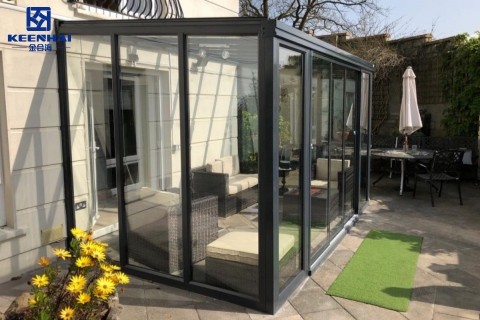
2. Energy Efficiency and Insulation Performance
A high-performance Aluminum Outdoor Sunroom not only enhances your living space visually, but also optimizes energy usage year-round. Modern aluminum frames incorporate thermal breaks, insulated glass, and Low-E coatings, which reduce heat transfer and maintain a stable indoor climate. Homeowners can see 15–25% lower energy bills, depending on their local climate and sun exposure.
2.1 Thermal Break Frames and Glazing Options
Traditional aluminum frames conduct heat easily, but thermal break designs solve this problem. Thermal breaks insert a non-conductive barrier between interior and exterior frame sections, significantly reducing heat loss. When combined with double or triple-pane Low-E glass, sunrooms achieve U-values between 0.25–0.35, keeping interiors comfortable even in extreme temperatures.
| Frame Type | Glazing Type | Average U-Value | Heat Loss Reduction | Ideal Use |
|---|---|---|---|---|
| Standard Aluminum | Single-pane | 0.65–0.80 | Low | Basic patio rooms |
| Thermal Break Aluminum | Double-pane Low-E | 0.30–0.35 | High | Modern aluminum sunrooms |
| Thermal Break Aluminum | Triple-pane Argon-filled | 0.25 | Very High | Cold climates / solariums |
For those upgrading or building a new space, custom glazing with argon gas and warm-edge spacers provides optimal insulation without excessive cost.
2.2 UV and Solar Heat Control
Large glass panels can let in sunlight but also unwanted heat. Low-E coatings and UV-blocking glass cut up to 70% of infrared heat and 99% of UV rays, protecting furniture and flooring while keeping the interior cool.
For maximum control, pairing Low-E glass with motorized blinds or smart tinting allows homeowners to adjust sunlight levels at any time. Some modern Aluminum Outdoor Solarium units also include roof ventilation and solar sensors, automatically regulating daylight and airflow for consistent comfort.
2.3 Energy Cost Savings Over Time
Investing in an energy-efficient aluminum sunroom pays off quickly. Homeowners replacing older wood or standard aluminum rooms often see 20–30% lower HVAC costs within the first year.
Additional long-term benefits include:
-
Reduced monthly heating and cooling expenses due to superior insulation.
-
Lower wear on HVAC systems, extending their lifespan by 3–5 years.
-
Return on investment within 3–4 years when using thermal break frames and energy-efficient glazing.
For even greater savings, combining an Aluminum Sunroom Outdoor with solar panels or smart thermostats can approach net-zero energy performance, giving homeowners a modern, eco-friendly space with real financial value.
3. Limitations and Common Drawbacks
While aluminum sunrooms offer numerous advantages, homeowners should be aware of certain limitations before investing. Understanding these drawbacks ensures realistic expectations regarding cost, insulation, and long-term performance.
3.1 Higher Initial Cost Compared to Vinyl
Aluminum frames typically carry a higher upfront price than vinyl alternatives. For example, a 150 sq ft vinyl sunroom may cost around $8,000–$10,000, whereas an aluminum version of the same size ranges from $12,000–$18,000, depending on glazing and finish options.
| Material | Average Cost per sq ft | Lifespan | Maintenance |
|---|---|---|---|
| Vinyl | $50–$65 | 15–20 years | Low |
| Aluminum | $80–$120 | 25+ years | Minimal, easy cleaning |
Despite the higher initial cost, aluminum provides longer lifespan, superior weather resistance, and modern aesthetics, making it a better long-term investment. For premium projects, some homeowners opt for Aluminum Custom Sunrooms to maximize both design flexibility and durability.
3.2 Limited Natural Insulation Without Upgrades
Standard aluminum frames are naturally good conductors, which means without thermal breaks or insulated glazing, the sunroom may feel colder in winter or warmer in summer. Adding thermal break frames and double or triple-pane Low-E glass is essential for optimal comfort.
For homeowners prioritizing energy efficiency, upgrading these features can increase the initial cost by 10–20%, but significantly reduces energy bills over time. Even Aluminum Sunroom Outdoor models with standard glazing may require these enhancements in extreme climates.
3.3 Sound Transmission and Condensation Issues
Aluminum frames are less effective at sound insulation compared to heavy wood or vinyl. In noisy urban areas, external sounds like traffic or construction may be noticeable inside the sunroom. Similarly, without proper ventilation or insulated glazing, condensation can form on glass panels, particularly during temperature swings.
Mitigation strategies include:
-
Installing double or triple-pane glazing with argon gas.
-
Using thermal break frames to reduce cold bridging.
-
Incorporating roof vents or dehumidifiers to maintain airflow and minimize condensation.
By addressing these factors proactively, homeowners can still enjoy the benefits of an aluminum sunroom while minimizing common drawbacks.
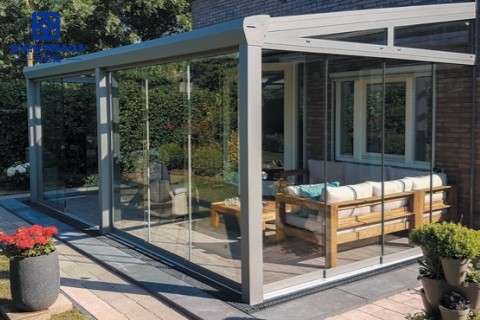
4. Comparison With Other Sunroom Materials
Choosing the right sunroom material can drastically affect cost, durability, and energy efficiency. Aluminum stands out for many homeowners, but it’s important to understand how it compares to wood, vinyl, and glass-enclosed alternatives.
4.1 Aluminum vs Wood Sunrooms
Wooden sunrooms offer natural aesthetics and better sound insulation, but they require regular maintenance such as painting, sealing, and protection from pests. Aluminum frames, on the other hand, are lightweight, corrosion-resistant, and nearly maintenance-free.
| Feature | Aluminum | Wood |
|---|---|---|
| Initial Cost | $80–$120/sq ft | $70–$100/sq ft |
| Lifespan | 25+ years | 15–20 years |
| Maintenance | Minimal | High (painting, sealing) |
| Weather Resistance | Excellent | Moderate, prone to rot/warping |
| Energy Efficiency | High with thermal breaks | Moderate |
Step-by-step decision factors:
-
Prioritize low maintenance → aluminum wins.
-
Desire natural warmth → wood may appeal aesthetically.
-
Extreme weather resistance → aluminum clearly outperforms.
4.2 Aluminum vs Vinyl Sunrooms
Vinyl frames are budget-friendly and low-maintenance but lack the structural strength and design flexibility of aluminum. Aluminum allows for larger spans, thinner frames, and modern glazing options, making interiors feel more open and luxurious.
Key comparison points:
-
Cost: Vinyl is cheaper upfront ($50–$65/sq ft), but aluminum offers a longer lifespan and higher resale value.
-
Strength: Aluminum resists warping, cracking, and dents better than vinyl, especially in areas with heavy snow or wind.
-
Design Flexibility: Aluminum can support custom layouts, large glass panels, and roof angles that vinyl cannot easily accommodate.
For homeowners seeking premium durability and modern aesthetics, aluminum sunrooms provide superior long-term value compared to vinyl alternatives.
4.3 Aluminum vs Glass-Enclosed Sunrooms
Glass-enclosed sunrooms often rely on steel or wood framing, which may limit thermal efficiency and require thicker structural supports. Aluminum frames paired with double or triple-pane Low-E glass maximize natural light while maintaining energy efficiency.
Considerations:
-
Thermal Performance: Aluminum with thermal breaks reduces heat transfer more effectively than standard steel frames.
-
Weight and Installation: Aluminum is lighter than steel but stronger than wood, allowing for easier installation with fewer supports.
-
Maintenance: Glass panels require cleaning regardless of frame type, but aluminum frames stay corrosion-free for decades.
Many homeowners combine aluminum frames with custom glass options to achieve high light transmittance, minimal heat loss, and sleek modern designs, which is difficult with traditional wood or steel systems.
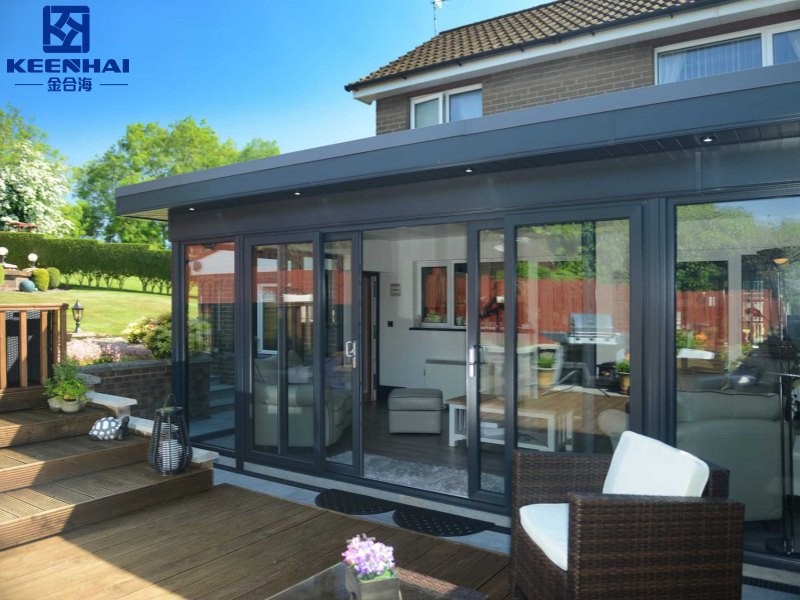
5. Ideal Use Cases and Installation Environments
Aluminum sunrooms shine in specific climates, architectural styles, and lifestyle scenarios. Knowing when and where to install them ensures maximum performance and satisfaction.
5.1 Best Climates for Aluminum Sunrooms
Aluminum frames excel in hot, humid, or coastal regions due to their corrosion resistance and strength. They handle heavy rain, snow, and intense sunlight without warping or rotting.
-
Hot/Sunny Areas: Use Low-E or solar control glass to reduce heat gain while keeping natural light.
-
Coastal Environments: Aluminum resists saltwater corrosion, unlike steel or wood.
-
Cold Climates: Thermal break frames with double or triple-pane glass maintain comfortable indoor temperatures.
Tip: Even in extreme climates, pairing an aluminum sunroom with smart shading or ventilation systems enhances comfort and energy efficiency.
5.2 Suitable Architectural Styles and Home Types
Aluminum sunrooms integrate seamlessly with modern, contemporary, and minimalist homes, thanks to their sleek lines and flexible design options.
-
Modern Homes: Large glass panels supported by thin aluminum frames create an open, airy feel.
-
Traditional Homes: Aluminum can be powder-coated or finished to mimic wood textures while retaining strength.
-
Custom Layouts: Homeowners can combine aluminum with existing patios, decks, or solariums for a unified outdoor living space.
For those designing a tailored solution, premium Aluminum Custom Sunrooms allow homeowners to match exact architectural requirements without compromising durability or aesthetics.
5.3 When Aluminum Is the Right (or Wrong) Choice
Aluminum is ideal when you want low-maintenance, weather-resistant, and modern-looking sunrooms. It is less suitable if your priority is natural wood aesthetics or heavy insulation without upgrades.
Decision checklist:
-
Need durability and corrosion resistance → aluminum is right.
-
Desire maximum natural insulation without thermal breaks → consider wood with additional insulation.
-
Require lightweight installation with flexible design → aluminum excels.
For homeowners seeking premium design and long-term performance, modern aluminum sunrooms remain a top choice.