
Aluminum four-season sunrooms outperform traditional glass sunrooms in durability, insulation, and maintenance. With rust-proof frames, insulated panels, and lightweight construction, they offer year-round comfort while reducing heating and cooling costs by up to 25%. Glass sunrooms, though visually appealing, require frequent upkeep, heavier support, and offer less energy efficiency, making aluminum a smarter long-term investment for both residential and commercial spaces.
1. Structural Differences Between Aluminum and Glass Sunrooms
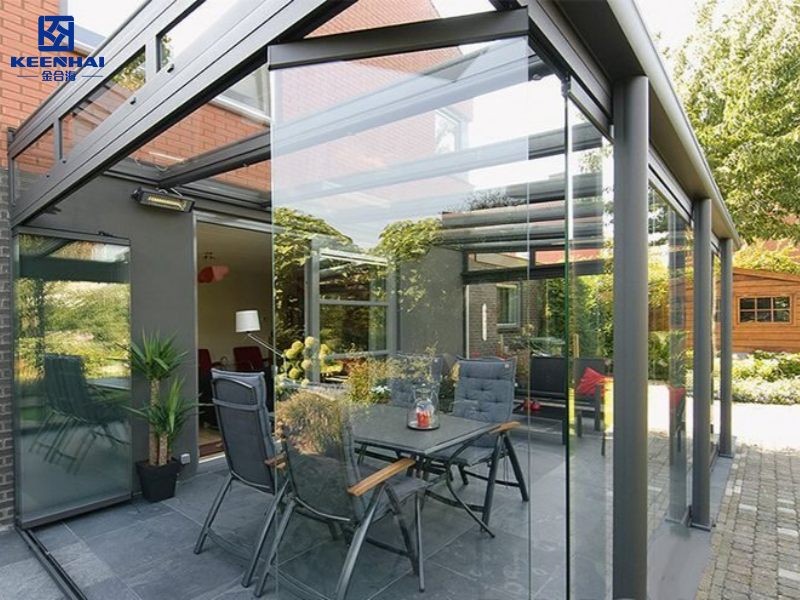
When it comes to sunroom construction, the frame material and overall structure play a critical role in durability, insulation, and long-term maintenance. Aluminum frames, such as those used in a premium Aluminum Four Season Sunroom, offer exceptional resistance to rust, warping, and pests, making them ideal for year-round use. In contrast, traditional glass sunrooms often rely on wood or vinyl frames, which may require regular upkeep to prevent moisture damage and structural degradation, especially in humid or rainy climates. Aluminum structures are lightweight yet strong, allowing architects to design larger open spaces without compromising stability.
1.1 Frame Material and Durability
Aluminum provides a high strength-to-weight ratio, ensuring that sunrooms can withstand heavy snow loads or strong winds without bending or sagging. Glass sunrooms, while visually appealing, often depend on reinforced wood or vinyl, which can degrade over time if not properly maintained. Here’s a comparison to illustrate the key differences:
| Feature | Aluminum Sunroom | Glass Sunroom (Wood/Vinyl Frame) |
|---|---|---|
| Corrosion Resistance | Excellent | Moderate, prone to rot or rust |
| Weight | Lightweight | Heavier, may require stronger support |
| Longevity | 20–30+ years | 10–20 years depending on maintenance |
| Maintenance | Minimal, occasional cleaning | Regular sealing, painting, and inspection |
| Flexibility in Design | High | Moderate, limited by frame strength |
This table highlights why aluminum frames are preferred for modern sunrooms, particularly in areas with variable weather.
1.2 Roof and Wall Construction
The roof and walls of aluminum sunrooms can incorporate insulated panels, tempered glass, or polycarbonate sheets to maximize energy efficiency and durability. A well-built Aluminum Outdoor Sun Room often uses multi-layered glass with aluminum framing, providing both thermal insulation and structural integrity. Glass sunrooms may have single-pane or double-pane walls, but they generally require heavier supports and more frequent sealing to maintain stability and prevent leaks. Modern aluminum sunroom structures allow for sleeker designs with minimal support beams, which enhances the overall aesthetic while ensuring safety.
1.3 Weight and Load-Bearing Considerations
Aluminum sunrooms are significantly lighter than comparable glass sunrooms, which translates to easier installation and less stress on the foundation. For example, when building an Aluminum Garden Sun Rooms structure on an elevated deck, the reduced weight reduces the risk of sagging or foundation cracking. Designers often follow these steps to ensure structural safety:
-
Calculate the total weight of roof and wall panels.
-
Determine the foundation load capacity.
-
Use aluminum beams for main support while maintaining aesthetic openness.
-
Integrate cross-bracing at critical points for added stability.
In contrast, glass sunrooms often require thicker walls and roof beams, which increase weight and installation complexity. For homeowners seeking a combination of strength, low maintenance, and long-term reliability, aluminum sunrooms clearly offer superior structural performance.
2. Energy Efficiency and Climate Control
Energy efficiency plays a huge role in determining the long-term comfort and cost-effectiveness of a sunroom. Aluminum sunrooms naturally excel in insulation when paired with modern double-glass panels or insulated polycarbonate roofing. These structures significantly reduce heat transfer, keeping interiors cooler in summer and warmer in winter. By contrast, traditional glass sunrooms often rely on single-pane or poorly insulated glass, leading to higher temperature fluctuations and energy costs. In many residential projects, homeowners report that aluminum four-season sunroom designs reduce annual heating and cooling bills by up to 25% compared to conventional glass structures.
2.1 Insulation Performance of Aluminum vs Glass
The key factor lies in material and panel construction. Aluminum frames combined with insulated glass or polycarbonate layers provide a thermal break, preventing heat loss through the frame itself. Glass-only sunrooms, without proper insulation, allow significant heat exchange, making them less efficient during extreme temperatures. For a quick comparison:
| Feature | Aluminum Sunroom | Glass Sunroom |
|---|---|---|
| U-Value (Thermal Conductivity) | 0.25–0.30 W/m²K | 1.8–2.5 W/m²K |
| Heat Retention | Excellent | Moderate |
| Noise Reduction | 30–35 dB | 15–20 dB |
| Seasonal Comfort | Stable year-round | Temperature swings likely |
This table highlights why modern aluminum seasons sunrooms maintain more consistent indoor temperatures, even in colder climates, without extra heating or cooling.
2.2 Heating and Cooling Cost Comparison
Homeowners considering sunroom upgrades can follow these steps to estimate cost savings:
-
Calculate the total sunroom area and roof type.
-
Check insulation specifications for aluminum versus glass panels.
-
Estimate seasonal energy costs using local utility rates.
-
Compare projected annual heating/cooling expenses.
On average, a well-insulated aluminum sunroom reduces winter heating costs by 15–20% and summer cooling costs by 10–15% compared to a standard glass sunroom. Over a 10-year period, these savings can accumulate to hundreds or even thousands of dollars, depending on climate and energy rates.
2.3 Sunlight and UV Protection
Aluminum sunrooms often integrate UV-filtering glass or coatings, protecting furniture, flooring, and indoor plants from fading while still allowing abundant natural light. In comparison, glass sunrooms without protective coatings may transmit up to 90% of harmful UV rays, accelerating material wear and heat buildup. Designers recommend the following steps for optimal UV protection:
-
Choose insulated, low-E or UV-blocking glass panels.
-
Position sunroom orientation to minimize direct afternoon sun.
-
Consider optional shades or blinds for peak sunlight hours.
By combining structural insulation with UV protection features, aluminum four-season sunrooms provide a comfortable and energy-efficient indoor environment year-round, without sacrificing sunlight or aesthetic appeal.
3. Design Flexibility and Aesthetic Appeal
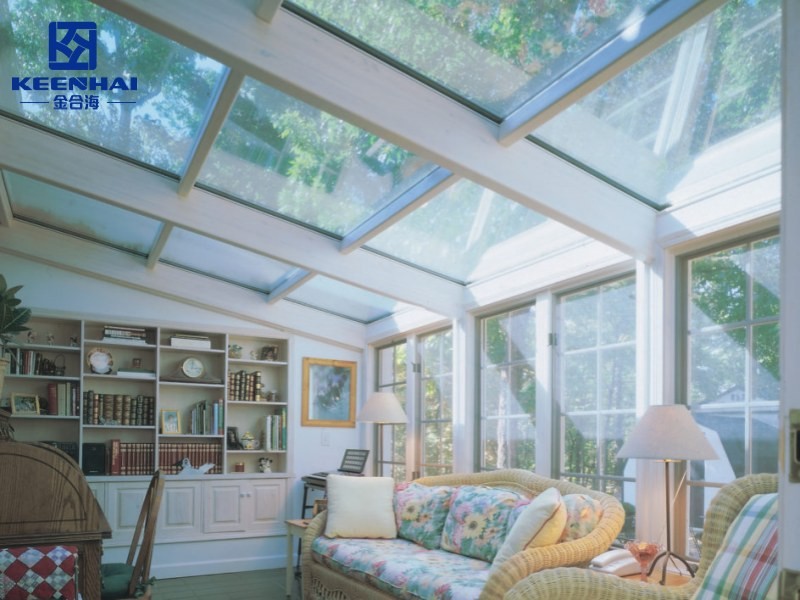
A major advantage of aluminum sunrooms is their remarkable flexibility in design. Unlike traditional glass sunrooms, aluminum frames allow architects and homeowners to create custom layouts, large open spaces, or multi-level structures without compromising structural integrity. Modern aluminum four-season sunrooms can be tailored with sliding doors, retractable roofs, and adjustable ventilation systems, making them ideal for diverse climates and lifestyle needs. One popular approach is combining floor-to-ceiling glass panels with aluminum frameworks, which maximizes natural light while maintaining durability.
3.1 Customization Options for Aluminum Sunrooms
Homeowners can personalize aluminum garden sun rooms with the following options:
-
Frame color and finish to match the exterior of the house.
-
Choice of roof panels: clear, frosted, or insulated polycarbonate.
-
Window styles: sliding, casement, or tilt-and-turn.
-
Additional features like retractable shades or integrated LED lighting.
These customization options allow for complete control over aesthetics and functionality, creating spaces that are both practical and visually striking.
3.2 Design Styles Available in Glass Sunrooms
Glass sunrooms are visually appealing due to their transparency but are generally limited in structural flexibility. Common styles include:
-
Victorian: Ornate frames with peaked roofs, ideal for traditional homes.
-
Contemporary: Straight lines and minimalistic frames for modern architecture.
-
Lean-to: Attached to the side of a house, often with a sloped roof.
While beautiful, these designs often require reinforced frames to support the glass and are less adaptable to irregular layouts compared to aluminum sunrooms.
3.3 Integration with Existing Architecture
Integrating a sunroom with the rest of the home requires careful planning. Aluminum four-season sunrooms excel here due to their lightweight and versatile frames. Key steps for seamless integration include:
-
Assessing the home's structural load capacity.
-
Matching exterior finishes and color palettes.
-
Aligning rooflines and window heights for visual harmony.
-
Considering interior transitions such as flooring and lighting.
By following these steps, homeowners can ensure that their sunroom not only provides functional space but also enhances overall architectural appeal.
4. Maintenance and Longevity
Proper maintenance is key to ensuring that a sunroom remains functional and attractive for decades. Aluminum sunrooms are inherently low-maintenance due to their rust-resistant, corrosion-proof frames. Regular cleaning is usually sufficient to maintain their appearance and structural integrity, unlike traditional glass sunrooms, which may require repainting or sealing over time.
4.1 Cleaning and Upkeep Requirements
Maintaining an aluminum four-season sunroom involves simple steps:
-
Wash frames and glass panels with mild soap and water every 3–6 months.
-
Inspect seals and caulking annually to prevent leaks.
-
Clear gutters and downspouts attached to the sunroom roof to avoid water buildup.
-
Lubricate moving parts of sliding doors and windows as needed.
These steps ensure the structure stays visually appealing and operates smoothly with minimal effort.
4.2 Resistance to Weather and Wear
Aluminum frames resist warping, rust, and insect damage, which makes them ideal for harsh climates with heavy rain, snow, or strong sunlight. Glass sunrooms, however, often require reinforced wood or vinyl supports to handle similar conditions. Aluminum sunrooms also tolerate temperature fluctuations better, preventing the cracking or sagging that can occur in traditional glass structures. Homeowners often report that these structures maintain their pristine look for years, even in coastal or high-humidity areas.
4.3 Expected Lifespan of Each Material
Aluminum sunrooms typically last 20–30 years with minimal maintenance, while glass sunrooms with wood or vinyl frames often last 10–15 years before significant repairs or replacements are needed. Choosing a high-quality aluminum structure not only reduces upkeep costs but also ensures long-term durability. For homeowners who want a reliable, year-round solution, exploring options like a modern aluminum sunroom can provide peace of mind and excellent return on investment.
5. Cost Considerations
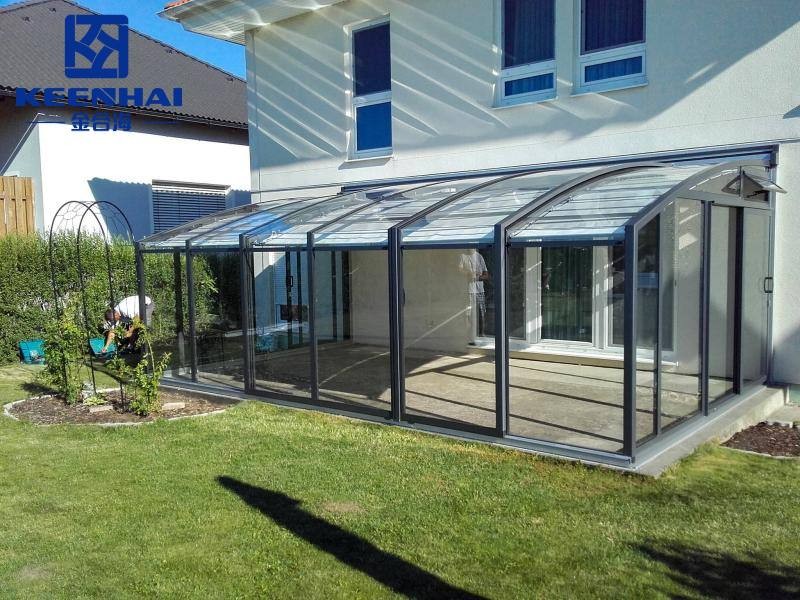
When planning a sunroom, cost is a major factor, but it should be weighed against long-term value and durability. Aluminum sunrooms may have a higher initial investment compared to traditional glass sunrooms with wood or vinyl frames, but the reduced maintenance, energy efficiency, and long lifespan often make them more cost-effective over time. Many homeowners find that spending a bit more upfront pays off in lower heating, cooling, and repair costs over the years.
5.1 Initial Purchase and Installation Costs
Here’s a quick comparison of typical expenses for a 200 sq. ft. sunroom:
| Cost Component | Aluminum Sunroom | Glass Sunroom (Wood/Vinyl Frame) |
|---|---|---|
| Materials | $8,000–$12,000 | $5,000–$8,000 |
| Installation | $4,000–$6,000 | $3,000–$5,000 |
| Insulation/Glazing | $2,000–$3,000 | $500–$1,500 |
| Total | $14,000–$21,000 | $8,500–$14,500 |
While the upfront cost for aluminum four-season sunrooms is higher, the investment ensures long-term durability and energy efficiency, reducing future expenses.
5.2 Long-Term Maintenance Expenses
-
Aluminum sunrooms require minimal maintenance: occasional washing, seal checks, and gutter cleaning.
-
Glass sunrooms with wood frames often need painting, resealing, and more frequent repairs.
-
Over 10–15 years, aluminum structures typically save $2,000–$4,000 in upkeep costs alone.
5.3 Value for Money Analysis
For homeowners seeking a combination of style, longevity, and energy efficiency, aluminum sunrooms clearly offer superior value. Additionally, when choosing a high-quality product, such as a premium aluminum sunroom, you not only get durability but also enhanced resale appeal. Considering the lower long-term maintenance, energy savings, and structural flexibility, aluminum sunrooms often outperform traditional glass options in both cost-effectiveness and overall satisfaction.