
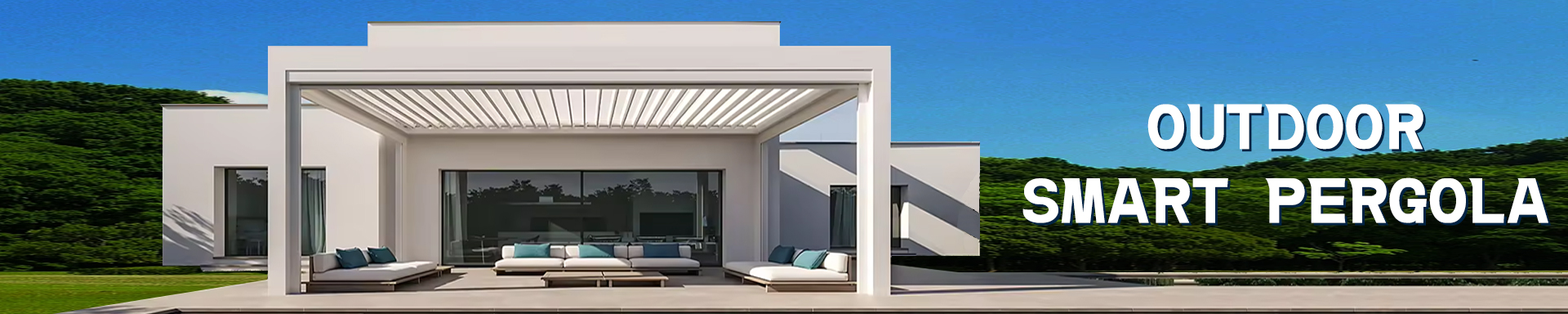
Steel is inherently stronger in raw tensile strength, but a premium Heavy-duty Aluminum Carport is engineered to support significant weight while remaining lightweight. Aluminum resists rust, warping, and corrosion, so over time it maintains strength with far less maintenance. For typical residential or commercial setups, aluminum offers more than enough structural performance without the heavy foundation requirements steel demands.
1. Material Strength and Durability
When choosing between a Heavy-duty Aluminum Carport and a steel alternative, material strength and durability are the first factors to consider. Aluminum offers a high strength-to-weight ratio, making it strong enough to withstand harsh weather while remaining lightweight for easier installation. Unlike steel, it naturally resists rust, which is crucial for long-term exposure to rain, snow, and UV rays.
1.1 Tensile Strength Comparison
Aluminum alloys used in heavy-duty carports typically have tensile strength ranging from 40,000 to 50,000 psi, while standard steel carports often reach 50,000 to 60,000 psi. Although steel is slightly stronger in pure tensile strength, aluminum’s lighter weight reduces stress on anchoring points and foundation, making installation simpler and reducing long-term maintenance.
| Material | Tensile Strength (psi) | Weight | Rust Resistance | Typical Lifespan |
|---|---|---|---|---|
| Heavy-duty Aluminum | 40,000 – 50,000 | Light | Excellent | 20–30+ years |
| Steel | 50,000 – 60,000 | Heavy | Moderate (requires coating) | 15–25 years |
This table shows that while steel can handle slightly higher loads, aluminum’s combination of strength, light weight, and corrosion resistance often makes it a better choice for residential and commercial carports.
1.2 Corrosion Resistance and Weather Performance
A premium aluminum carport naturally forms a protective oxide layer that prevents corrosion, even in coastal environments with high humidity and salt exposure. Steel carports require galvanization or powder coating, which adds cost and requires occasional maintenance to prevent rust. Aluminum performs consistently across a range of temperatures, resisting warping, cracking, or paint peeling in extreme heat or cold.
Consider a scenario: installing a Modern Metal Carport in a region with frequent snowstorms. Aluminum’s lighter weight reduces the pressure on roof panels, and corrosion resistance ensures longevity without constant upkeep. Customers often report aluminum carports staying pristine after 10+ years in coastal climates, while untreated steel begins to show surface rust within 3–5 years.
1.3 Lifespan Expectations
Lifespan is one of the key considerations when evaluating cost versus value. Heavy-duty aluminum structures generally last 20–30+ years with minimal maintenance, whereas steel carports last 15–25 years, depending on coating quality and environmental exposure.
Factors influencing lifespan include:
-
Material thickness – thicker aluminum panels improve resistance to dents and deformation.
-
Roof design – sloped or gabled roofs shed snow and rain efficiently, reducing stress on panels.
-
Optional protective coatings – anodized or powder-coated aluminum enhances resistance to scratches and corrosion.
For commercial setups, a Commercial Aluminum Carport with reinforced beams can support heavier loads and high wind areas, maintaining structural integrity for decades. Installation crews often note that aluminum frames are easier to handle on-site, speeding up construction while reducing risk of foundation overloading.
Scene Insight: Imagine a residential property with a custom-sized aluminum carport protecting two vehicles. The lightweight frame allows the installer to lift and secure panels with two workers instead of four, while the corrosion-resistant finish guarantees minimal touch-ups over the next 20 years. This real-world scenario demonstrates how material choice directly impacts both performance and cost efficiency.
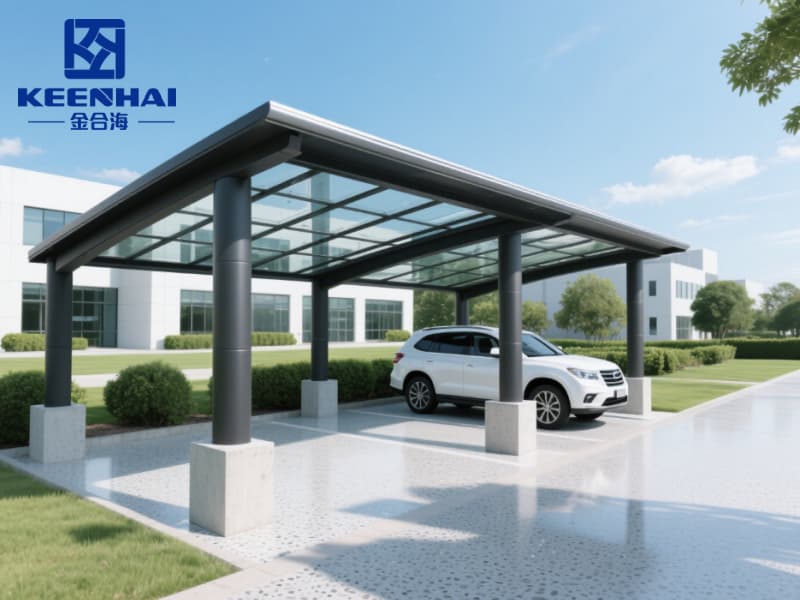
2. Cost Considerations
When comparing a Heavy-duty Aluminum Carport to a steel alternative, cost is often the deciding factor. Aluminum generally carries a higher upfront material cost than basic steel, but the total investment must account for installation, maintenance, and long-term durability. Understanding these components helps homeowners and commercial buyers make smarter financial decisions.
2.1 Initial Material Costs
The base material price for a heavy-duty aluminum carport typically ranges from $25 to $35 per square foot, depending on alloy grade and panel thickness. Steel carports are slightly cheaper, averaging $20 to $30 per square foot, but require additional protective coatings to resist corrosion. For example, a 20x20 ft aluminum carport costs roughly $10,000–$14,000, while an equivalent steel structure ranges $8,000–$12,000.
Optional features, like side panels or reinforced framing, can add $500–$1,500 to aluminum units. Meanwhile, steel may need extra galvanization or powder coating, which adds both cost and long-term maintenance considerations. This makes aluminum’s higher upfront cost often worth the investment due to lower upkeep.
2.2 Installation Costs
Installation costs depend heavily on size, site conditions, and labor rates. For most residential or commercial setups:
-
Site Preparation – Level the ground, pour concrete footings or pads, and clear obstacles. This usually takes 1–2 days for a 400 sq ft area.
-
Frame Assembly – Aluminum’s lightweight frame allows a team of 2–3 installers to complete assembly in 1–2 days, while steel may require 4–5 workers due to heavier panels.
-
Roofing and Accessories – Attaching roof panels, gutters, and optional side panels adds another 1–2 days, depending on complexity.
Overall, aluminum carports often save 20–30% on labor costs compared to steel because panels are easier to maneuver, reducing installation time and risk of damage. Residential installation averages $1,500–$3,500, while commercial setups can exceed $5,000 for larger spans or reinforced structures.
2.3 Long-term Maintenance Expenses
Aluminum excels in minimizing maintenance. Its natural corrosion resistance eliminates the need for repainting or protective coatings in most environments. Occasional cleaning with soap and water every 6–12 months is generally sufficient.
Steel carports, in contrast, require:
-
Annual inspection for rust or corrosion, especially around fasteners
-
Repainting or coating every 3–5 years
-
Repair of bent or warped panels due to heavier weight or snow load
Over a 20-year period, aluminum carports can save $2,000–$5,000 in maintenance compared to steel, depending on climate and exposure. This cost advantage, combined with longer lifespan and lighter installation, often makes aluminum the more cost-effective choice despite slightly higher initial material prices.
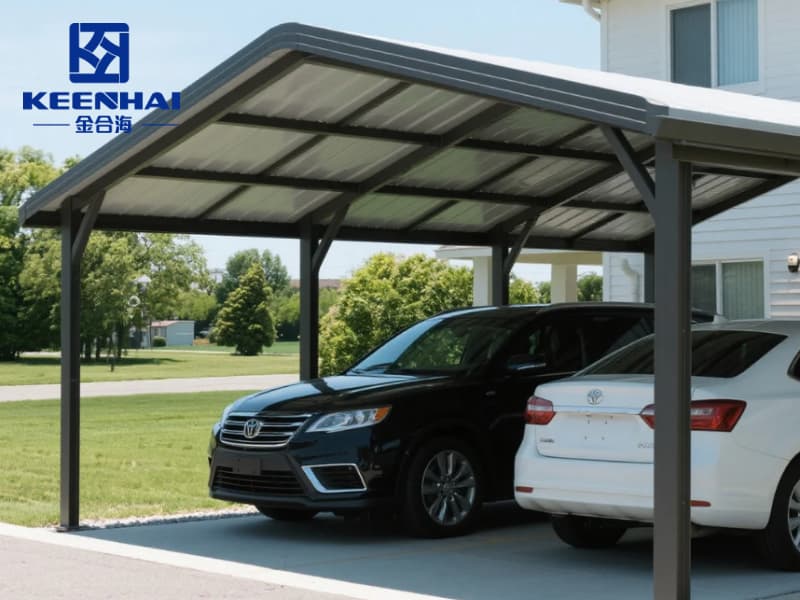
3. Design Flexibility and Aesthetics
When it comes to Heavy-duty Aluminum Carport versus steel, design flexibility and aesthetics often tip the balance for homeowners and commercial buyers who care about curb appeal. Aluminum’s lightweight nature and malleability allow for more creative shapes and finishes without compromising strength, giving property owners the ability to match the carport seamlessly with existing architecture.
3.1 Available Shapes and Styles
Aluminum carports can be designed in a wide range of shapes and styles:
-
Flat or Single-Slope Roofs – Ideal for minimalistic, modern homes and easy snow or rain drainage.
-
Gable Roofs – Classic look that integrates well with pitched roofs of residential homes.
-
Custom Multi-Slope Designs – Perfect for irregular lot layouts or high-end commercial properties.
Steel carports generally offer fewer options for custom shapes because of the heavier panels and structural constraints. For example, a Modern Metal Carport allows homeowners to create sleek, angled rooflines that match contemporary home designs while remaining strong and durable.
3.2 Customization Options
Aluminum structures excel in customization, providing flexibility in:
-
Colors and finishes – Powder coating in nearly any RAL color ensures the carport complements the property.
-
Panel types – Solid panels, translucent panels, or perforated panels for light and ventilation control.
-
Side panels or partial enclosures – Adds privacy and protection from wind or sun.
Installing a Custom Aluminum Carport follows a simple workflow:
-
Measure the installation site and determine the carport dimensions.
-
Choose roof type, panel material, and finish options.
-
Decide on additional features such as lighting, gutters, or side panels.
-
Assemble and anchor panels according to manufacturer instructions.
This flexibility allows aluminum carports to fit both narrow urban lots and expansive suburban yards without sacrificing style or performance.
3.3 Integration with Property Design
Aluminum carports integrate smoothly with various property designs, from modern minimalist homes to traditional brick facades. Lightweight frames allow for adjustable mounting positions, so homeowners can avoid interfering with landscaping, driveways, or existing structures.
For commercial properties, Commercial Aluminum Carports can be customized to complement corporate branding or industrial aesthetics, creating a professional look while providing durable vehicle protection. Even in tight residential spaces, aluminum carports can be angled, layered, or extended to maintain visual harmony with surrounding structures.
4. Weight and Structural Requirements
When assessing a Heavy-duty Aluminum Carport versus steel, weight and structural needs play a crucial role in both installation and long-term performance. Aluminum’s lightweight properties reduce stress on foundations while maintaining robust strength, making it a practical choice for both residential and commercial applications.
4.1 Support and Anchoring Needs
Aluminum carports require fewer and lighter support structures than steel because aluminum is inherently strong yet significantly lighter. Typical anchoring involves:
-
Concrete footings or pads – Usually 12–18 inches deep depending on soil type.
-
Bolted base plates – Aluminum frames use corrosion-resistant fasteners to secure posts.
-
Cross-bracing or support beams – Ensures lateral stability under wind or snow load.
By contrast, steel carports need heavier beams and more extensive anchoring due to their greater weight, which can increase installation time and cost. Homeowners often note that aluminum panels are easier to maneuver on-site, reducing risk of accidental bending or misalignment.
4.2 Load-Bearing Capacity
Despite being lighter, aluminum can support impressive loads when designed correctly. For example:
| Material | Typical Load Capacity | Notes |
|---|---|---|
| Heavy-duty Aluminum | 25–35 lbs/sq ft (snow) | High tensile strength and corrosion resistance maintain performance over decades |
| Steel | 30–40 lbs/sq ft (snow) | Slightly higher capacity, but heavier panels require stronger foundations |
This table shows that aluminum holds its own in most residential and commercial contexts. Commercial Aluminum Carports can be reinforced with thicker panels or cross beams to meet higher load demands without significantly increasing weight.
4.3 Ease of Installation
Weight directly impacts installation complexity. Aluminum carports simplify the process:
-
Panel Handling – Lighter aluminum panels reduce labor needs, often requiring 2–3 installers instead of 4–5 for steel.
-
Frame Assembly – Bolts and brackets can be fastened quickly, with fewer specialized tools required.
-
Roof Installation – Aluminum panels can be lifted and aligned without heavy machinery, cutting installation time by 25–35%.
This combination of lightweight design, adequate load-bearing capacity, and simplified installation makes aluminum carports a preferred choice for homeowners and businesses who want durability without complicated structural demands.
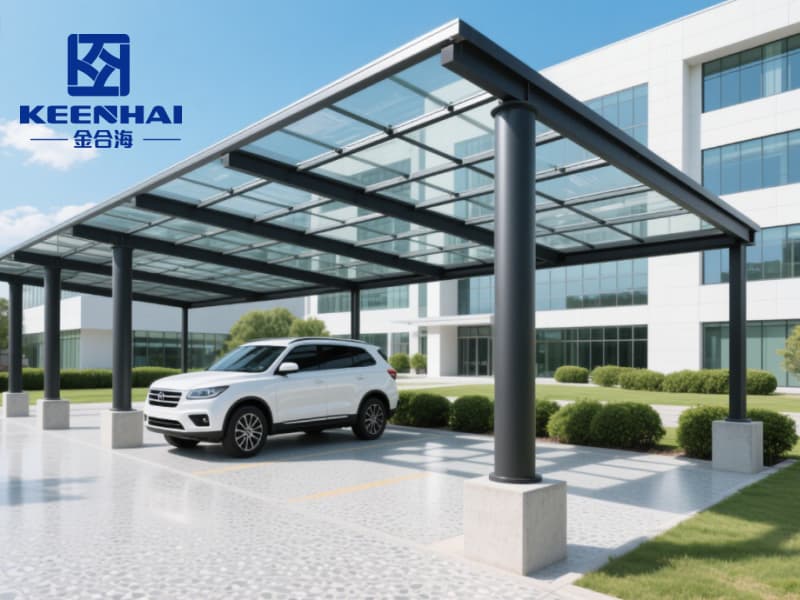
5. Maintenance Requirements
One of the biggest advantages of a Heavy-duty Aluminum Carport over steel is its low-maintenance nature. Aluminum resists corrosion, fading, and warping, which drastically reduces upkeep while maintaining aesthetic appeal. For homeowners and commercial property owners, understanding proper maintenance routines ensures the carport remains functional and visually appealing for decades.
5.1 Cleaning and Upkeep
Routine cleaning is simple and inexpensive:
-
Wash Panels – Use a soft brush or sponge with mild soap and water every 6–12 months to remove dirt, dust, and environmental debris.
-
Inspect Fasteners – Check bolts, screws, and brackets quarterly to ensure nothing has loosened.
-
Clear Gutters – If your aluminum carport includes gutters, remove leaves and debris twice a year to prevent water accumulation.
These steps typically take less than an hour per session and are significantly easier than steel, which often requires rust treatment or repainting after exposure to moisture.
5.2 Protective Coatings or Treatments
Aluminum naturally forms a protective oxide layer, but additional powder coating or anodizing enhances color retention and resistance against UV rays. Unlike steel, aluminum does not require annual repainting or anti-rust coatings, saving both time and money.
For example, a Custom Aluminum Carport can be coated in a premium finish during fabrication. This one-time treatment ensures decades of maintenance-free aesthetics, even in coastal or high-humidity regions.
5.3 Seasonal Maintenance Considerations
Seasonal checks help extend the life of the structure:
-
Winter – Remove accumulated snow to prevent roof panel stress. Aluminum’s lightweight roof makes snow removal faster and safer than steel alternatives.
-
Spring – Check for any loose fasteners or minor scratches from winter weather. Apply touch-up coating if necessary.
-
Summer – Inspect for debris accumulation from storms or tree branches. Light pressure washing may be needed to remove pollen or dust.
-
Autumn – Clean gutters and remove leaves to avoid water pooling around footings.
These seasonal routines are straightforward and far less demanding than steel structures, which often require repainting, rust treatment, and heavier snow management. Overall, aluminum carports combine durability with minimal, predictable maintenance, making them a cost-effective choice over the long term.
When deciding which is better: a Heavy-duty Aluminum Carport or a steel carport, it largely depends on your priorities. Aluminum stands out for its lightweight design, corrosion resistance, low-maintenance needs, and flexibility in styles and colors, making it ideal for homeowners and moderate commercial projects. Steel offers slightly higher load capacity and extreme durability under heavy snow or industrial conditions, but it is heavier, harder to install, and requires more upkeep. For most users who want durable protection, easier installation, and long-term cost savings, a Heavy-duty Aluminum Carport is usually the superior choice.