
1. Popular Sunroom Layouts for 2025
1.1 Rectangular and Square Designs
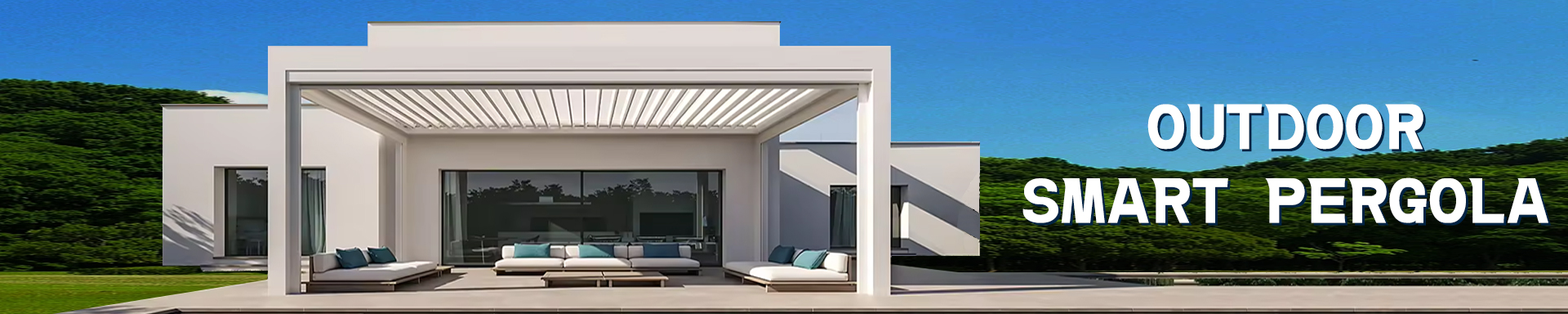
Rectangular and square sunrooms remain the most common choice for backyard installations because of their simplicity and space efficiency. These layouts easily integrate with existing patios or decks, offering a clean, modern look. Homeowners often prefer a high-quality Aluminum Sunroom In Backyard for these designs due to the durability and low maintenance of aluminum frames.
Key advantages:
-
Efficient use of space – fits most backyard layouts without extensive site preparation.
-
Cost-effective construction – simple framing reduces labor and material expenses.
-
Flexibility in interior layout – easy placement of furniture, planters, or built-in storage.
Many homeowners report that these sunrooms provide a bright, functional space for dining, entertaining, or creating a sun-soaked reading corner. By positioning the longest wall along the house, you maximize sunlight and create a seamless indoor-outdoor connection.
1.2 L-Shaped and Corner Sunrooms
L-shaped and corner sunrooms are ideal for larger backyards or properties that need to wrap around existing structures. This layout allows you to create multiple zones, such as a dining area on one side and a lounge or workspace on the other. Choosing aluminum frames ensures long-lasting stability and low maintenance, particularly when integrating with garden landscaping.
Steps to plan your L-shaped layout:
-
Measure backyard dimensions carefully to ensure the sunroom fits without overcrowding.
-
Decide on primary functions – dining, lounging, or multi-purpose usage.
-
Select glazing options – double-pane glass for insulation or single-pane for budget-conscious builds.
-
Integrate outdoor features – consider connecting decks, planters, or pergola extensions.
The corner design is especially effective for maximizing backyard views while maintaining a cozy indoor atmosphere. Homeowners often pair this layout with retractable shades or semi-enclosed sections for year-round usability.
1.3 Multi-Level and Split-Level Designs
For homeowners seeking a statement sunroom with architectural flair, multi-level or split-level designs offer elevated ceilings, separate zones, and enhanced natural light. These layouts work well on sloped lots or properties where zoning allows tiered construction. A premium Aluminum Garden Sunroom can handle the structural demands while maintaining a sleek, modern aesthetic.
Cost and design considerations:
| Design Type | Typical Cost Range | Key Advantages | Potential Challenges |
|---|---|---|---|
| Multi-Level | $40,000–$70,000 | Increased light, distinct zones, architectural appeal | Higher labor costs, complex permits |
| Split-Level | $35,000–$60,000 | Adaptable to sloped lots, open feeling | Requires precise site prep and framing |
Practical tips for planning:
-
Work with experienced contractors familiar with multi-level aluminum sunrooms.
-
Prioritize roof and glazing options to optimize light and thermal comfort.
-
Consider integrated stairways or small mezzanine levels for functional flow.
These sunrooms provide visual impact and functional flexibility, making them ideal for homeowners who want a luxurious backyard retreat without sacrificing durability or low maintenance.
2. Roof Styles and Glazing Options
2.1 Lean-To vs Gable Roof Designs
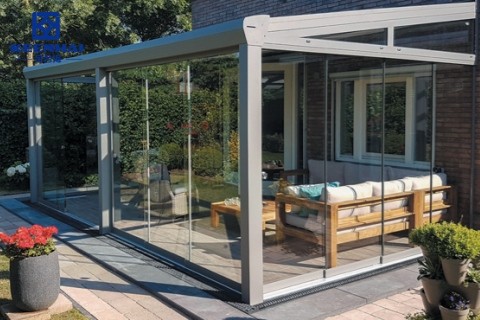
Lean-to and gable roofs are the most popular choices for backyard aluminum sunrooms. Lean-to roofs are simple, sloping structures that attach to the house, ideal for small to medium-sized backyards. They are cost-effective, easy to install, and provide efficient water runoff. On the other hand, gable roofs feature a peak in the center, allowing higher ceilings, more natural light, and a sense of spaciousness.
Key considerations when choosing a roof type:
-
Budget – Lean-to roofs typically cost 10–20% less than gable roofs due to simpler framing.
-
Sunlight and Ventilation – Gable roofs allow for larger glass panels or skylights, increasing daylight penetration.
-
Aesthetic Fit – Lean-to blends well with modern minimalist homes, while gable complements traditional or contemporary designs.
For a backyard retreat, pairing a durable Aluminum Sunroom with the appropriate roof type ensures both visual appeal and long-lasting performance.
2.2 Flat, Sloped, and Cathedral Roofs
Beyond lean-to and gable options, flat, sloped, and cathedral roofs offer more design flexibility. Flat roofs are minimalistic and suitable for urban or modern backyard layouts. Sloped roofs, slightly angled, improve drainage and reduce maintenance issues, while cathedral ceilings create a dramatic open space inside, ideal for larger sunrooms or entertaining areas.
Practical steps to select the right roof style:
-
Evaluate your backyard’s exposure to sunlight and rainfall – high rainfall areas benefit from steeper slopes.
-
Decide on interior ceiling height requirements – cathedral roofs increase visual space but cost more.
-
Check structural support – aluminum frames are lightweight but need proper anchoring for higher roofs.
| Roof Type | Cost Range (per sq. ft) | Advantages | Best Use Case |
|---|---|---|---|
| Flat | $40–$55 | Minimalist, low profile | Urban yards, rooftop additions |
| Sloped | $45–$60 | Better drainage, easier install | Medium-sized sunrooms |
| Cathedral | $50–$70 | Spacious, more natural light | Large backyard retreats |
2.3 Glass Panels: Single, Double, and Triple-Pane
The choice of glass panels significantly affects comfort, energy efficiency, and cost. Single-pane glass is the most budget-friendly but offers limited insulation. Double-pane glass balances cost and thermal performance, reducing heat loss in winter and minimizing solar gain in summer. Triple-pane glass provides the highest insulation and soundproofing, perfect for year-round use.
Tips for selecting glazing:
-
Measure energy efficiency needs – colder regions benefit from double or triple-pane panels.
-
Consider safety and UV protection – tempered or laminated glass reduces injury risk and prevents fading of interior furnishings.
-
Plan for optional features – integrated blinds, tinted glass, or low-E coatings can enhance comfort and privacy.
Many homeowners find that combining a well-designed Aluminum Sunroom In Backyard with double-pane or triple-pane glazing provides the best balance of comfort, durability, and cost efficiency.
3. Material Finishes and Frame Styles
3.1 Powder-Coated Aluminum Frames
Powder-coated aluminum frames are the gold standard for backyard sunrooms because they resist corrosion, fading, and scratching. Unlike painted frames, the powder coating forms a durable barrier that withstands harsh weather conditions while maintaining a sleek, modern look. Many homeowners choose premium Aluminum Sunroom frames with powder coating for longevity and low maintenance.
Practical advantages:
-
Durability – protects against rain, UV rays, and accidental dents.
-
Maintenance – a simple wipe-down with mild soap and water keeps frames looking new.
-
Versatility – compatible with all roof styles and glass panels.
By selecting powder-coated aluminum, you not only increase the lifespan of your sunroom but also maintain a consistent aesthetic that complements modern backyard landscaping.
3.2 Custom Color and Texture Options
Homeowners increasingly opt for custom colors and textures to match outdoor furniture, fences, or home exteriors. Aluminum frames can be finished in subtle matte tones, metallic shades, or even textured patterns that mimic wood grain without the maintenance headaches.
Steps to plan your custom finish:
-
Identify the dominant colors in your backyard – patio, deck, fences, and garden features.
-
Choose complementary frame tones – darker frames highlight glass panels, lighter tones enhance sunlight.
-
Test textures on small samples – ensure the finish looks natural under direct sunlight.
Custom finishes allow your Aluminum Backyard Sunroom to feel like a seamless extension of your home while reflecting your personal style.
3.3 Blending Frames with Backyard Aesthetics
The right frame style transforms a sunroom from functional to an integrated backyard feature. For instance, sleek minimalist frames work well with contemporary decks, while more robust, textured frames suit traditional garden layouts. A well-chosen frame enhances both visual appeal and structural harmony.
Tips for harmonizing frames with outdoor space:
-
Match frame thickness and lines to nearby architectural elements.
-
Coordinate with garden features – pergolas, planters, and outdoor lighting.
-
Consider seasonal color shifts – some finishes look warmer in sunlight, cooler in shade.
Many homeowners find that blending Aluminum Garden Sunroom frames with backyard aesthetics creates a visually balanced space perfect for entertaining or relaxing without overwhelming the existing landscape.
4. Enclosed vs Semi-Enclosed Sunroom Designs
4.1 Fully Enclosed Glass Rooms
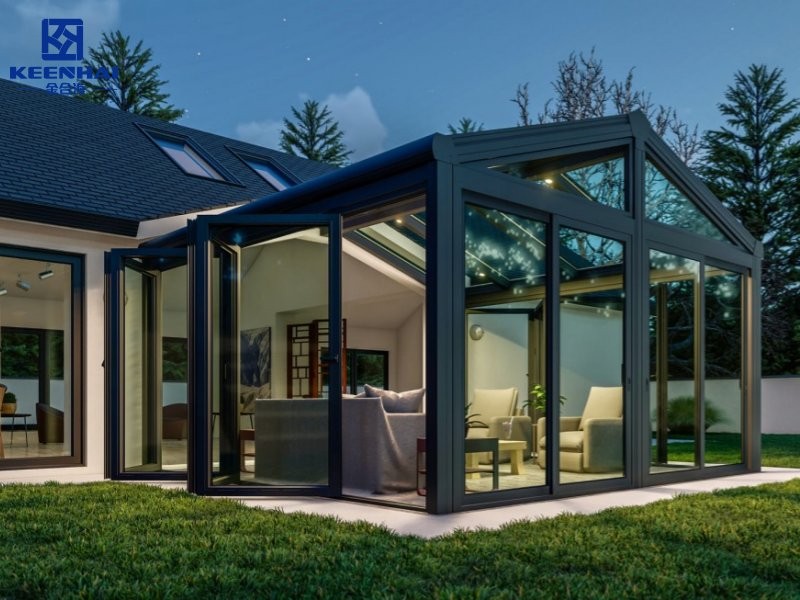
Fully enclosed sunrooms provide complete protection from weather, insects, and noise. They are ideal for year-round use and can be equipped with heating or cooling systems for maximum comfort. These rooms typically feature double or triple-pane glass, which enhances insulation and reduces energy costs.
Practical considerations:
-
Cost – enclosed designs generally range $35,000–$55,000 depending on size and glazing.
-
Installation – requires precise framing, waterproofing, and proper ventilation to prevent condensation.
-
Customization – can include sliding doors, skylights, or integrated blinds to optimize light and airflow.
Many homeowners find that investing in a high-quality Aluminum Sunroom for a fully enclosed design significantly improves property value while providing a comfortable, private retreat.
4.2 Semi-Enclosed with Screens or Half Walls
Semi-enclosed sunrooms offer a balance between indoor comfort and outdoor experience. These spaces often use screens, half walls, or removable panels to allow airflow while still providing some protection. Costs are lower, typically $20,000–$35,000, and installation is faster due to reduced material needs.
Steps to optimize a semi-enclosed sunroom:
-
Choose durable framing – aluminum is lightweight, corrosion-resistant, and easy to maintain.
-
Select appropriate screens – fine mesh screens prevent insects without obstructing views.
-
Plan for furniture placement – consider airflow and sunlight when arranging seating or dining areas.
For backyard retreats, pairing a semi-enclosed Aluminum Garden Sunroom with natural landscaping creates an inviting space for entertaining or relaxation without the high cost of full enclosure.
4.3 Integration with Outdoor Patio Spaces
Blending sunrooms with existing patios extends functional living space. Whether you choose enclosed or semi-enclosed designs, smooth transitions are crucial. Steps to integrate effectively:
-
Align flooring and elevation – ensure minimal step differences for safety and visual continuity.
-
Use matching materials – aluminum frames, decking, or pavers should complement each other.
-
Add transitional features – sliding or folding doors allow flexible indoor-outdoor use.
By thoughtfully integrating a sunroom with a patio, homeowners create a seamless flow from indoor comfort to outdoor enjoyment, maximizing the usability of their backyard throughout the year.
5. Functional Features and Comfort Enhancements
5.1 Heating, Cooling, and Ventilation Solutions
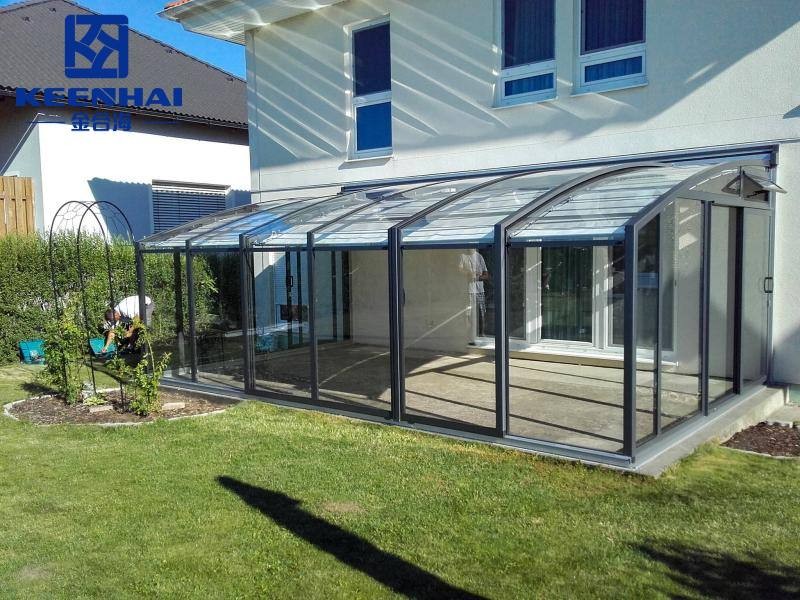
Optimizing climate control in an aluminum sunroom is essential for year-round comfort. Proper ventilation, ceiling fans, or mini-split HVAC systems can maintain a consistent temperature while reducing energy costs. Double or triple-pane glass also contributes to insulation, keeping the room warmer in winter and cooler in summer.
Practical steps to enhance comfort:
-
Install operable windows or vents – allows natural airflow on mild days.
-
Use ceiling fans strategically – circulate warm or cool air evenly.
-
Consider a mini-split system – efficient for smaller sunrooms without ductwork.
For Aluminum Sunroom In Backyard setups, these solutions ensure the space remains functional during all seasons without excessive energy bills.
5.2 Integrated Lighting and Electrical Options
Lighting transforms a sunroom from purely functional to a visually inviting space. Integrated LED lighting, dimmers, and strategically placed outlets allow homeowners to host evening gatherings or enjoy quiet nights indoors.
Steps to implement smart electrical setups:
-
Plan fixture placement – prioritize natural task areas like seating or reading zones.
-
Incorporate ambient and task lighting – layered lighting enhances both comfort and aesthetics.
-
Install GFCI outlets – ensures safety in areas exposed to sunlight or moisture.
Proper planning can create a sunroom that’s equally bright and cozy, extending usability into evenings or overcast days.
5.3 Built-In Furniture, Storage, and Multi-Purpose Use
Maximizing space with built-in furniture and storage adds functionality without clutter. Benches with hidden storage, shelving integrated into frames, or foldable tables make the sunroom a multi-purpose area for dining, lounging, or hobby activities.
Steps for multi-purpose setups:
-
Measure available space carefully – ensure pathways remain open.
-
Choose durable materials – aluminum or treated wood for longevity and low maintenance.
-
Prioritize flexible layouts – foldable or modular furniture adapts to different uses.
In some Aluminum Backyard Sunroom projects, homeowners have successfully combined built-in seating with storage for garden tools, creating a seamless blend of comfort, style, and practicality.