
Choosing the right Premium Slatted Fence means balancing materials, spacing, and style. Aluminum provides low-maintenance durability, wood adds natural warmth, and PVC is cost-effective for long-term upkeep. Typical slat spacing ranges from 1/2 inch to 2 inches, giving homeowners control over privacy and airflow. Proper measurements and professional installation ensure the fence looks precise, lasts decades, and complements modern or traditional landscapes effortlessly.
1.Understanding Premium Slatted Fences
A Premium Slatted Fence combines style, durability, and functionality in a single solution. These fences offer a clean, modern look while providing privacy and airflow, making them ideal for backyards, rooftop gardens, or commercial landscapes. Their modular design lets you adjust slat spacing, height, and orientation, creating outdoor spaces that are both visually appealing and practical.
1.1 Definition and Key Features
A Premium Slatted Fence consists of evenly spaced horizontal or vertical slats that create a sleek, uniform appearance while maintaining privacy. Its main features include weather-resistant materials, minimal maintenance, and customizable finishes that suit contemporary architecture. For instance, urban rooftop gardens often use these fences to define outdoor areas without blocking natural light, producing a comfortable, stylish retreat that integrates seamlessly with landscaping and outdoor furniture.
1.2 Types of Materials Used
Premium slatted fences are commonly made from wood, aluminum, or PVC/composite materials. One popular option is the Classic Slatted Fence, which offers a timeless wooden look. Here’s a clear comparison of the main materials:
| Material | Durability | Maintenance | Typical Use Scenario |
|---|---|---|---|
| Wood (Cedar / Pine) | Medium | Annual staining | Residential backyards, gardens |
| Aluminum | High | Low | Coastal homes, modern urban spaces |
| PVC / Composite | Medium-High | Low | Suburban yards, family homes |
Wood gives a natural feel but needs regular care. Aluminum is rust-resistant and nearly maintenance-free, perfect for contemporary designs. PVC or composite panels offer durability at a lower cost with minimal upkeep. This table helps homeowners choose the best material based on budget, climate, and style.
1.3 Common Sizes and Configurations
Premium slatted fences typically come in heights of 4–8 feet and panel widths of 6–8 feet, making installation straightforward. Slat spacing usually ranges from 1/2 inch to 2 inches, balancing privacy with airflow. For irregular spaces or custom designs, homeowners often choose Custom Slatted Fence Panels, which allow precise sizing and a tailored appearance. Typical installation steps include:
-
Measure and mark the fence line carefully.
-
Set posts firmly with concrete footing.
-
Attach panels level, checking spacing between slats.
-
Apply a protective coating or paint if using wood.
This ensures a professional-looking, long-lasting fence that enhances both outdoor style and functionality. Horizontal slats with 1-inch spacing are particularly popular for urban gardens, creating a balance between privacy and natural light.
2.Choosing the Right Premium Slatted FenceSelecting the right Premium Slatted Fence for your property involves balancing aesthetics, privacy, light, and budget. Each factor directly affects the fence’s functionality and visual impact, so homeowners need to make deliberate decisions rather than following trends blindly. By considering style, environment, and practical constraints, you can ensure your fence complements both your home and outdoor space.
2.1 Matching Fence Style with Home Design
Your fence should blend seamlessly with your home’s architectural style. Modern homes often pair well with horizontal slats and minimalist finishes, while traditional properties might benefit from vertical wooden slats with subtle decorative accents. For example, a contemporary concrete and glass home can be enhanced by horizontal aluminum slats in a matte finish, creating a clean and cohesive look. Consider color tones that match your exterior walls or landscaping elements, and avoid contrasts that distract from the overall design. A well-matched fence increases property value and boosts curb appeal significantly.
2.2 Assessing Privacy and Light Needs
Balancing privacy and natural light is crucial for outdoor comfort. Closely spaced slats provide maximum privacy but reduce sunlight penetration, which may affect plant growth or visual openness. Conversely, wider spacing enhances light and airflow but compromises seclusion. To determine the right configuration:
-
Measure the distance between your property line and neighboring structures.
-
Evaluate how much visibility you want from the street or adjacent properties.
-
Decide on slat spacing—typically 1/2 to 2 inches for most residential applications.
-
Test temporary panels or mockups in the yard to see how light and shadow behave throughout the day.
This method ensures the fence feels private yet airy, creating a comfortable outdoor environment without feeling claustrophobic.
2.3 Budget Considerations
Budget planning is critical because it influences both materials and installation options. High-quality Premium Slatted Fences can vary from $50 to $200 per linear foot, depending on material, height, and finish. Additional costs may include:
-
Professional installation (typically $30–$70 per linear foot depending on complexity).
-
Site preparation, including leveling and concrete footings.
-
Optional custom panels or decorative features.
For homeowners with a moderate budget, aluminum or PVC options offer long-term durability with minimal maintenance, whereas premium wood provides a classic aesthetic but requires regular upkeep. By analyzing these costs upfront, you can avoid unexpected expenses and select a fence that balances style, performance, and affordability.
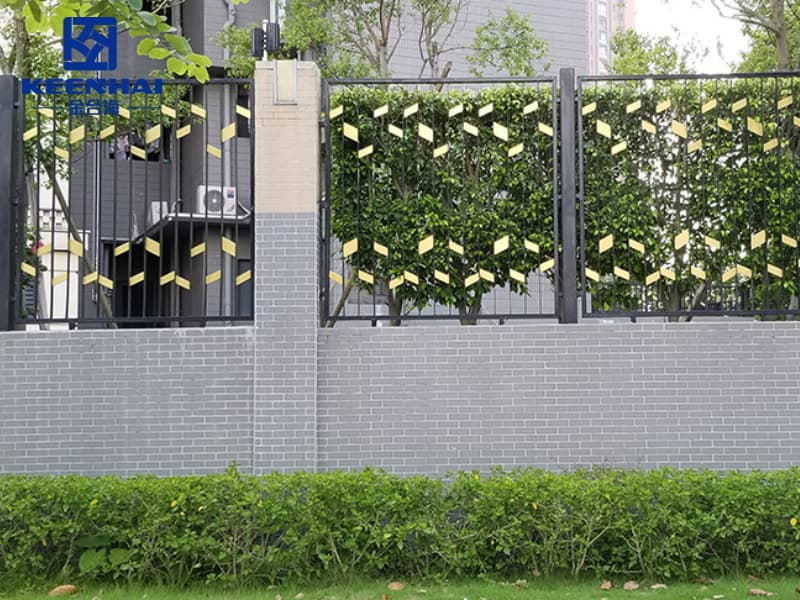
Evaluating the cost and value of a Premium Slatted Fence helps homeowners make a smart investment. By considering material costs, installation expenses, and long-term maintenance, you can choose a fence that balances upfront price with durability and aesthetics.
3.1 Material Costs and Price Range
Material choice significantly affects the total cost. Common options include wood, aluminum, and PVC/composite. For example, a Durable Aluminum Slatted Fence offers high durability but comes at a higher initial price. Here’s a clear comparison of typical material costs and requirements:
| Material | Price per Linear Foot | Durability | Maintenance Requirement |
|---|---|---|---|
| Wood (Cedar / Pine) | $50–$120 | Medium | Annual staining or sealing |
| Aluminum | $90–$200 | High | Minimal |
| PVC / Composite | $60–$150 | Medium-High | Low |
Wood is cost-effective upfront but demands regular maintenance. Aluminum is nearly maintenance-free, ideal for long-term investment. PVC or composite provides a balanced option with lower upkeep while retaining reasonable longevity. This helps homeowners decide based on budget, style, and expected lifespan.
3.2 Installation Expenses
Installation costs can match or exceed material costs depending on complexity. Typical steps include:
-
Site preparation: remove debris, level ground, and install concrete footings.
-
Post installation: ensure posts are set straight and at consistent intervals.
-
Panel attachment: secure panels level with consistent slat spacing.
-
Finishing touches: optional painting, sealing, or decorative elements.
Professional installation generally costs $30–$70 per linear foot, depending on height, terrain, and material. DIY installation is possible but requires accurate measuring tools and patience to maintain precision and alignment.
3.3 Long-Term Maintenance Costs
Long-term maintenance impacts overall value. Aluminum fences need only occasional cleaning with mild soap and water. Wooden fences require annual staining or sealing, adding roughly $5–$10 per linear foot per year. PVC and composite fences need minimal upkeep, usually just routine cleaning and inspections for damage.
By factoring these costs, homeowners can choose a fence that delivers lasting performance without unexpected expenses. For example, high sun exposure or humid climates make aluminum a smart choice for durability and minimal upkeep, while wood may suit homeowners seeking a natural aesthetic despite extra maintenance.
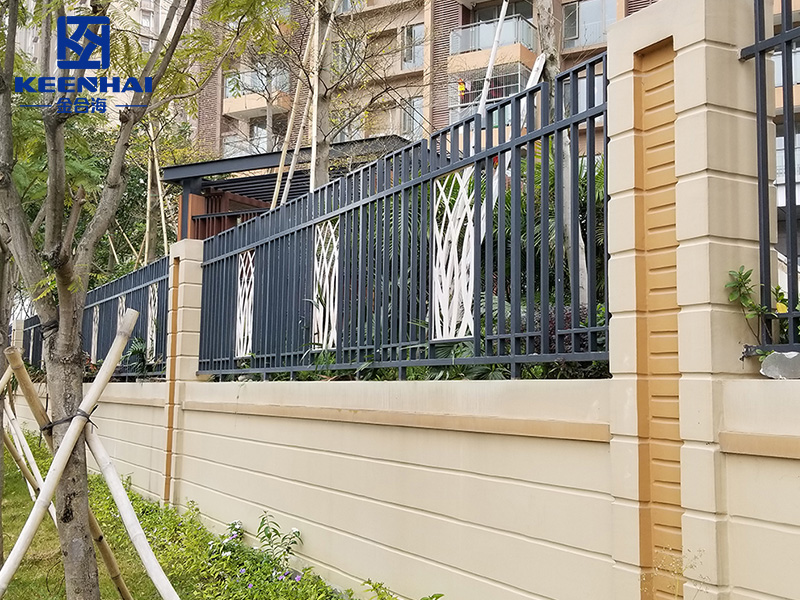
When it comes to installing a Premium Slatted Fence, homeowners have two main paths: DIY installation or hiring professionals. Each approach has advantages and trade-offs in terms of cost, time, and precision. Understanding the steps, required tools, and potential challenges ensures your fence looks polished and lasts for years.
4.1 DIY Installation Step-by-Step
Installing a Premium Slatted Fence yourself can save money but requires careful planning and precise execution. Typical steps include:
-
Measure and mark the fence line accurately using a tape measure and string.
-
Set the posts in concrete footings, ensuring they are vertical and spaced correctly.
-
Attach panels to posts, keeping slats level and maintaining consistent spacing.
-
Check alignment frequently as you progress to prevent uneven sections.
-
Apply finishing touches, like protective coating or paint for wood panels.
DIY installation works best if your site is relatively flat and you have basic carpentry skills. Patience and accuracy are key—even small misalignments can affect the fence’s durability and visual appeal.
4.2 Hiring Professional Installers
Hiring experts ensures a flawless installation, particularly for uneven terrain or complex layouts. Professional installers provide:
-
Accurate post placement and leveling, even on slopes.
-
Proper securing of panels to prevent warping or sagging over time.
-
Efficiency, typically completing installations in 1–3 days depending on fence length.
Costs vary based on material, height, and site conditions but generally range from $30–$70 per linear foot. For homeowners who value speed, precision, and long-term reliability, professional installation is a worthwhile investment.
4.3 Tools and Equipment Needed
Whether DIY or supervising professionals, having the right tools is crucial. Essential tools include:
-
Tape measure and string line for accurate layout.
-
Level and carpenter’s square to ensure straight posts and panels.
-
Concrete mix for post footings.
-
Drill and screws or bolts for panel attachment.
-
Protective gear: gloves, safety glasses, and sturdy footwear.
Having these tools ready before starting prevents delays and ensures a smooth, professional-looking fence installation. For DIY enthusiasts, renting heavy equipment like post-hole diggers can also save time and effort.
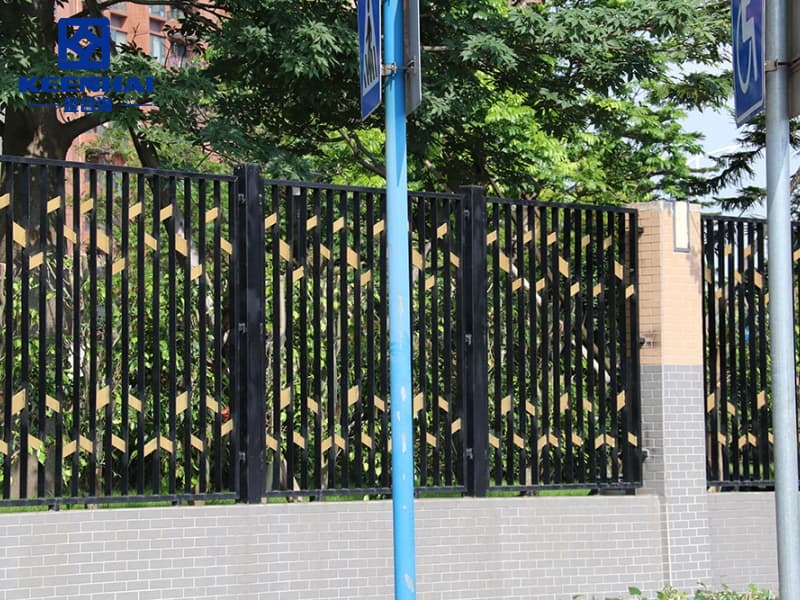
Customizing your Premium Slatted Fence allows you to create a fence that complements your home and outdoor space. Thoughtful design choices enhance aesthetics, improve functionality, and increase property value. Homeowners can adjust color, slat spacing, and decorative features to match their environment and personal taste.
5.1 Color and Finish Choices
Selecting the right color and finish impacts both the fence’s visual appeal and longevity. Popular options include:
-
Natural wood stains for a warm, classic look that highlights the wood grain.
-
Matte or glossy paints for aluminum or composite fences, providing a modern finish.
-
Powder-coated aluminum for long-lasting durability and resistance to fading or chipping.
Dark tones are often used to create a bold contrast with lighter homes, while neutral shades like gray or beige blend seamlessly with landscaping. For wooden fences, a high-quality sealant protects against moisture and UV damage, prolonging the fence’s lifespan.
5.2 Decorative Patterns and Slat Spacing
Slat orientation and spacing allow for unique visual effects and functional benefits. Homeowners can experiment with horizontal, vertical, or staggered slats to achieve a modern, classic, or contemporary appearance. Wider spacing improves light flow and airflow, while closer spacing maximizes privacy.
For irregular or customized dimensions, Custom Slatted Fence Panels allow precise sizing and tailored designs. Typical customization steps include:
-
Measure your fence line accurately.
-
Decide on slat spacing based on privacy and light requirements.
-
Choose pattern style—horizontal, vertical, or staggered.
-
Select finishes and optional decorative inserts, such as laser-cut designs.
This approach ensures a fence that is both functional and visually striking, tailored to your specific outdoor space.
5.3 Combining Fences with Landscaping
Integrating your Premium Slatted Fence with plants, trees, or hardscape elements enhances both privacy and curb appeal. For instance:
-
Plant climbing vines or flowering shrubs along the fence line to soften edges.
-
Use low hedges or ornamental grasses for layered privacy without blocking airflow.
-
Align fence colors and materials with patios, decking, or stone pathways for a cohesive outdoor design.
This strategy creates an inviting and harmonious backyard environment, making your fence feel like a natural part of the landscape rather than a separate structure.